REVIEW · KRAKOW
Krakow to Auschwitz Birkenau and Salt Mine 1 Day Tour
Book on Viator →Operated by AT Cracow · Bookable on Viator
Two UNESCO stops, and one heavy lesson.
This long day pairs the Auschwitz-Birkenau memorial with a guided walk through the Wieliczka Salt Mine, using round-trip transfers from Krakow to keep things moving. You’ll get context, not just sightseeing.
I like that admission tickets are included for both sites and you’ll travel with an English-speaking guide at Auschwitz and in the mine. The downside is the schedule can be punishing: expect an early pickup, a lot of walking, and lots of stairs—plus some waiting around entry times.
In This Review
- Key things to know before you go
- Is this Auschwitz and Salt Mine combo a good fit for your Krakow time?
- Price and what you really get for $314.42
- The Auschwitz-Birkenau experience: what the guided visit covers
- Auschwitz I and Birkenau: time blocks that shape the pacing
- What you’ll see and why the guide matters
- The reality check: bags, waiting, and emotional load
- Wieliczka Salt Mine: stairs, sculptures, and why a guide helps
- What’s included underground
- The big physical factor: about 700 steps down
- How the mine pacing feels after Auschwitz
- Timing and logistics: the early pickup that makes or breaks your day
- Weather and what to wear
- Group size and comfort on the road
- Guides, interpretation, and how to make the day feel respectful
- A quick note on memorial behavior
- Food and comfort: lunchbox plans and your backup strategy
- Should you book this Krakow tour to Auschwitz and the Wieliczka Salt Mine?
- FAQ
- How long is the Krakow to Auschwitz-Birkenau and Salt Mine tour?
- Do I get round-trip transportation from Krakow?
- Are admission tickets included for Auschwitz-Birkenau and the Salt Mine?
- Is lunch included?
- How early can pickup be in the morning?
- How demanding is the Salt Mine portion physically?
- What is the bag size limit at Auschwitz-Birkenau?
- What language are the guides in?
- Do youth tickets require student ID, and do children get headphones at Auschwitz?
Key things to know before you go
- Two UNESCO World Heritage Sites in one day: Auschwitz-Birkenau plus Wieliczka Salt Mine
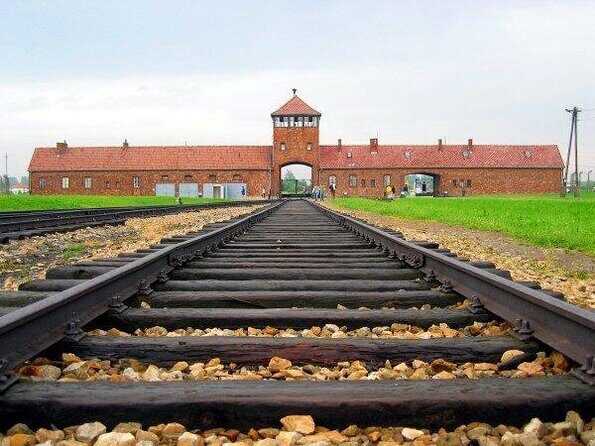
- Guided Auschwitz time (about 2 hours at Auschwitz I and about 1 hour at Birkenau) with an English guide
- Salt mine routing with a guide across a roughly 3 km stretch underground
- A steep stair descent (around 700 steps) down, then an elevator ride back up
- Small-group feel with a maximum of 30 travelers (check the bus size when you meet up)
Is this Auschwitz and Salt Mine combo a good fit for your Krakow time?
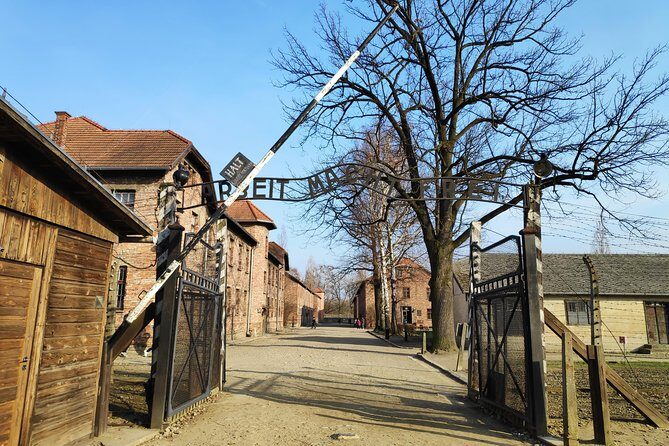
If you have limited time in Krakow and you want to hit two “must-see” sites without losing a full day to travel logistics, this combo makes sense. The plan is built around one long day: go early from Krakow, spend set blocks of time at Auschwitz-Birkenau, then continue on to Wieliczka Salt Mine before heading back.
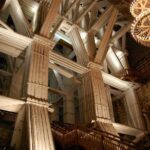
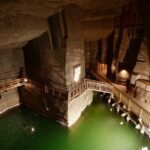
The Auschwitz part is emotionally demanding, and it’s not the kind of place where you can skim. A guided approach helps you understand what you’re looking at: the layout, the purpose of specific areas, and why certain remnants are preserved. Then the Salt Mine shifts gears. It’s still memorable, but in a very different way—chapels, lakes, rock-salt carvings, and centuries of mining history mixed into a working underground space.
Where I’d be cautious is energy and expectations. Even when things run smoothly, this is a long day—roughly 10 to 12 hours total. If you’re sensitive to crowds, cold mornings, or physical fatigue, this combo might feel like too much in one hit.
A few more Krakow tours and experiences worth a look
Price and what you really get for $314.42
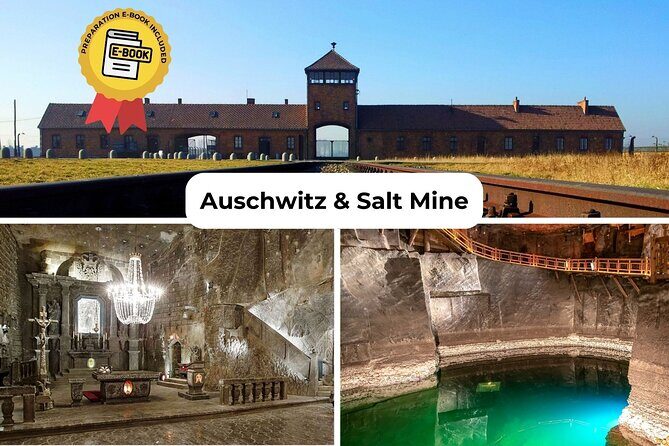
At $314.42 per person, the value is mostly about what’s bundled. You’re not just paying for transportation. The ticket package includes:
- Round-trip transfers from Krakow (air-conditioned vehicle)
- Admission tickets for Auschwitz-Birkenau and the Salt Mine
- An English-speaking guide for the core guided components
- Lunchbox only if you select the option (otherwise food and drinks aren’t included)
So you’re paying for a managed day: guides, site entry, and the logistics that can become a headache when you try to DIY both sites. You’re also paying for time efficiency—especially useful if you’re on a tight Krakow schedule.
Where the price can feel less satisfying is when the day runs late, or if something small goes wrong (for example, a missed lunchbox selection). In that case, the experience itself still matters most, but your day will feel more stretched.
My advice: treat this as a full-day commitment, and also plan a little buffer in your own mind for waiting before entry and a late-ish return to Krakow.
The Auschwitz-Birkenau experience: what the guided visit covers
Your Auschwitz-Birkenau portion is designed around the memorial complex as a whole, not just one quick stop. You’ll visit Auschwitz-Birkenau Memorial and walk through the concentration camps with an experienced English-speaking guide.
Auschwitz I and Birkenau: time blocks that shape the pacing
The day is typically structured like this:
- Auschwitz I: about 2 hours
- Auschwitz II (Birkenau): about 1 hour
That timing matters. It’s enough time to make sense of major areas and the museum’s approach to historical context, but it isn’t enough for wandering slowly. If you tend to process by standing still, reading every plaque, and taking your time, you’ll feel the pressure of the group schedule.
What you’ll see and why the guide matters
Expect to encounter:
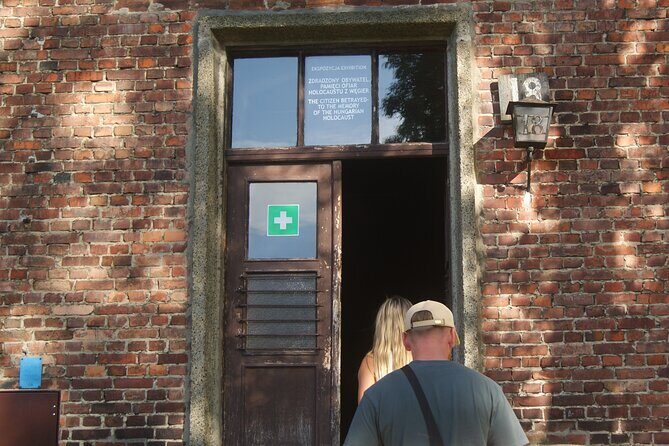
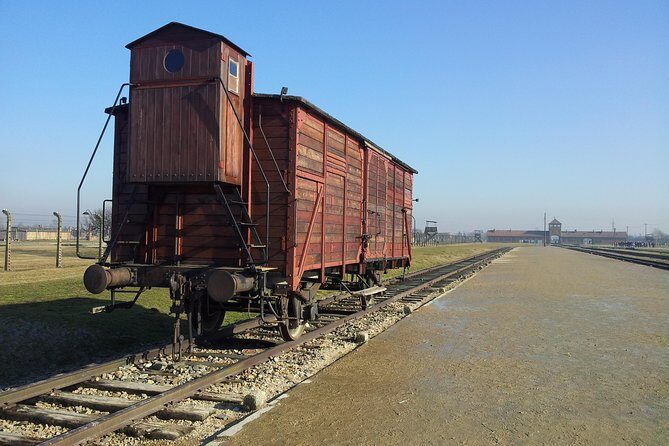
- Significant preserved remnants throughout the complex
- The museum grounds with ruins tied to gas chambers and crematoria, and other evidence preserved to explain what happened there
- Explanation of the sites’ meaning, including how different parts of the complex relate to the overall system
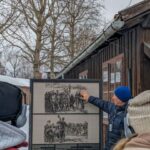
A good guide helps you connect the dots quickly. And based on what you’ll hear from different guides in the day-to-day running of this tour, the difference shows up immediately: some guides provide calm, clear narrative, and others do more minimal talking while you’re on the move. For names you might run into, guides like Joanna, Daniel, Charlie, and Andrew have been mentioned in past experiences, and several people praised how their presence kept the day understandable and respectful.


The reality check: bags, waiting, and emotional load
This is where practical details become part of your comfort:
- Bag size is limited to 30 x 20 x 10 cm on museum grounds. You can store belongings in the vehicle or luggage store at Auschwitz.
- There can be waiting time before entry because of crowd demand and museum scheduling. Waiting doesn’t mean something is wrong; it means you’re sharing the day with lots of others and the pace is set by the museum.
- The tour pace is set by the memorial and the timetable at each location.
And yes, it’s heavy. You’re dealing with real history tied to mass murder. People describe moments where they need to pause and reset. Plan for that feeling. It’s normal, not a sign you chose the wrong tour.
Wieliczka Salt Mine: stairs, sculptures, and why a guide helps
After Auschwitz, you’ll shift to Wieliczka Salt Mine, where the story turns toward human effort, work underground, and the strange beauty of salt-carved spaces.
What’s included underground
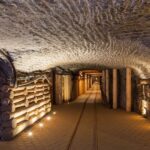
This guided mine route covers a 3 km stretch and typically includes:
- chapels
- shafts and mining technology
- lakes and rock-salt sculptures
You won’t get lost, which is the key point. In a place like this, where corridors and turns can look similar, a guide helps you follow the logic of the tour and understand what you’re seeing.
The big physical factor: about 700 steps down
You should be ready for the descent. The mine requires a staircase of around 700 steps to reach the level of the mines. At the end, you’ll return to ground level by elevator.
One detailed account mentioned 678 steps down to about 13 metres, which matches the general “steep, slow, and real” feeling. Either way, if stairs are a struggle for you, this portion can dominate the day in the worst way.
How the mine pacing feels after Auschwitz
The mine can feel like a mental reset, but it also comes with walking and stair effort. If Auschwitz already taxed your focus, you’ll want to pace yourself during the mine portion. A guide helps you stay on the path, but it’s still your job to manage your energy.
Also note what’s nearby: there isn’t much to do around Auschwitz or the mine besides basic shops. If you want full control over your comfort, bring snacks and water whenever possible, even if the tour includes a lunchbox option.
Timing and logistics: the early pickup that makes or breaks your day
This is not a “sleep in” tour. You’ll be picked up in the early morning window, and the company sends the exact pickup time the day before after 5 pm. The schedule can require very early departures, even 3:00–4:00 AM, depending on museum timing.
That early pickup affects everything:
- You’ll likely feel the cold while waiting if you arrive too early to start moving inside
- You’ll need warm layers because memorial-site waiting can be prolonged
- Your day will feel longer than the “11 to 12 hours” headline once you include travel time and gaps between sites
The tour also ends in a different location. Plan to have a simple plan for getting back to your own plans in Krakow after drop-off.
Weather and what to wear
Auschwitz is outdoors for much of the visit, so dress for weather. Expect:
- cold or rain exposure
- long waiting before entry
Bring a jacket you don’t mind wearing in damp conditions. If you’re planning a day like this in shoulder season, layering is your friend.
Group size and comfort on the road
The tour is set for a maximum of 30 travelers. Still, bus type varies, and seat comfort can matter when you’re looking at a long day. One person noted the smaller-seat feel on a specific bus. If you’re tall or easily cramped, I’d treat that as a reason to choose travel-friendly clothing and bring a small cushion if you usually need one.
Guides, interpretation, and how to make the day feel respectful
At Auschwitz and in the mine, guides are the difference between a list of stops and an experience that actually teaches. People often come away praising guides who explain clearly while keeping the tone appropriate for a memorial site.
You may hear from guides with names like Joanna (praised for Auschwitz and Birkenau storytelling), Daniel (bus and tour support), Charlie and Jacob (mentioned as knowledgeable), and Justina (praised for transfers and making the day easier). Even when the tour is a group format, a strong guide still helps you get bearings fast.
A quick note on memorial behavior
This is a place where respect matters. Follow the museum rules and keep your attention on what the guide is showing you. Photography rules can vary by exhibit and area, and it can feel awkward if you’re unsure what’s allowed. If you’re uncertain, watch what others do and ask your guide.
And if you get emotional, that doesn’t ruin the tour. It means the history is landing.
Food and comfort: lunchbox plans and your backup strategy
Food is where this tour can get fussy because it depends on options. If you select the lunchbox option, you’ll receive a lunchbox. If you don’t, food and drinks aren’t included.
Two practical points:
- If you need dietary adjustments, you must provide restrictions by 5 pm the day before. If you miss that window, you may get a default lunchbox (ham is mentioned as the regular option).
- Even when meals are included, long days can run tighter than expected. A simple backup plan is smart: pack a snack you like and some water if the tour schedule leaves you hungry.
If you want to feel calm, not rushed, this is a good habit for a day that starts before dawn.
Should you book this Krakow tour to Auschwitz and the Wieliczka Salt Mine?
Book it if:
- you have limited time in Krakow and want two major UNESCO sites in one day
- you’re okay with a long, structured day and early pickup
- you want a guide-led experience at Auschwitz and a guided route underground in the mine
- you’re physically able for long walking and stair climbs (the mine requires a steep descent)
Skip or rethink it if:
- you strongly prefer a slower pace and hate feeling scheduled
- you’re sensitive to very early mornings, long waits, and cold outdoor time
- stairs are a major problem for you
- you’d struggle emotionally with Auschwitz in a group setting (even if it’s done sensitively)
My final take: this combo is high-impact and efficient. The Auschwitz portion gives you the context you need, and the salt mine offers a striking change of pace. Just go in ready for a long day—warm clothes, comfortable walking shoes, and a bit of patience for the timing at the memorial.
FAQ
How long is the Krakow to Auschwitz-Birkenau and Salt Mine tour?
It runs about 11 to 12 hours (approximately). The core site timing is typically around 2 hours at Auschwitz I, 1 hour at Birkenau, and about 3 hours at the Salt Mine, with travel and waiting time around those blocks.
Do I get round-trip transportation from Krakow?
Yes. Round-trip transfers are included, using an air-conditioned vehicle.
Are admission tickets included for Auschwitz-Birkenau and the Salt Mine?
Yes. Admission tickets are included for both the Auschwitz-Birkenau memorial visit and the Wieliczka Salt Mine guided tour.
Is lunch included?
Food and drinks aren’t included unless you choose the lunchbox option. If you select it, you’ll get a lunchbox (and you’ll need to provide diet restrictions by 5 pm the day before if you have any).
How early can pickup be in the morning?
Pickup time is sent the day before after 5 pm, and it can be very early, sometimes even around 3:00–4:00 AM, depending on museum schedule needs.
How demanding is the Salt Mine portion physically?
The Salt Mine tour includes a staircase of about 700 steps to reach the mine level. You should have a moderate physical fitness level for the walking and stairs.
What is the bag size limit at Auschwitz-Birkenau?
Bags and backpacks are limited to 30 x 20 x 10 cm. You can leave belongings inside the vehicle or use the luggage store at Auschwitz.
What language are the guides in?
The tour is offered in English.
Do youth tickets require student ID, and do children get headphones at Auschwitz?
Youth ticket discounts require valid student ID presented on the day of the tour. For children aged 3 to 11, the ticket includes the entrance ticket without receivers/headphones at Auschwitz; if you want your child to have a headset, the guidance provided is to book the Youth tickets.