REVIEW · KRAKOW
Krakow: Sightseeing Tour by Electric Golf Cart
Book on GetYourGuide →Operated by FHU PATART PATRYK TLAŁKA · Bookable on GetYourGuide
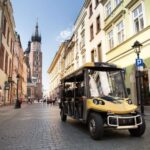
Krakow moves fast on a golf cart. In 90 minutes, you glide through medieval streets and a focused history route that lands you in the Jewish Quarter area. I like that it’s sightseeing with less walking strain, yet it still gives you real context as you go.
My favorite part is the blend of places and stories, especially around Kazimierz and the former ghetto area near Podgórze. One thing to consider: the route is history-heavy and can feel emotionally intense if you’re hoping for a lighter, more varied city sampler.
Key points to know before you go
- 24+ Stops in 90 Minutes: Lots of ground covered without the marathon legs.
- Jewish Quarter Focus: Kazimierz plus the former ghetto area and memorial points.
- Audio Guide Included: Choose from a long list of languages.
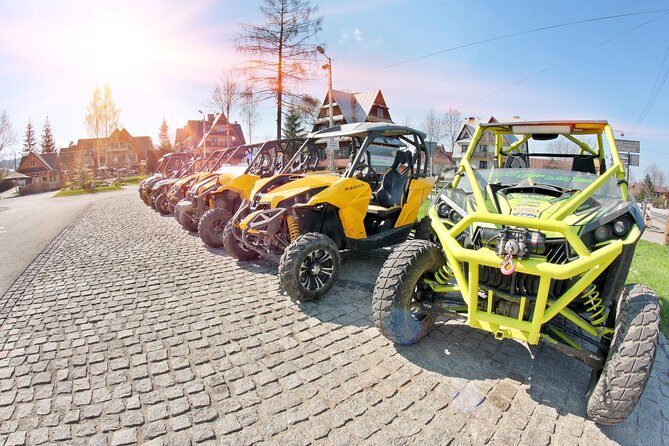
- Electric Golf Cart Comfort: Easier for people who prefer fewer stairs and slower pacing.
- Strict Rules on Bags and Noise: Plan light so you don’t get slowed down.
In This Review
- Why This Electric Golf Cart Tour Works in Krakow
- The Meeting Point Tip That Saves Time
- 90 Minutes of Seeing More Without the Step Count
- Planty Park and the Medieval City Setup
- Entering the Jewish Quarter: Kazimierz and Podgórze Explained
- Skałka Church and St. Catherine’s Church: Religious Landmarks in Context
- Wolnica Square and the Synagogues: Seeing Names, Streets, and Functions
- Helena Rubinstein and the “Ordinary Life” Angle
- Former Ghetto Area: Ghetto Heroes Square and the Wall
- Schindler, Pankiewicz, and How the Tour Keeps It Personal
- Audio Guide in Many Languages: How to Use It Well
- Timing and Stops: What You Might Notice (and What You Might Miss)
- Price and Value: When $33 Makes Sense
- Who This Tour Fits Best (and Who Should Skip It)
- Practical Photo and Comfort Tips
- Should You Book This Krakow Electric Golf Cart Tour?
- FAQ
- How long is the Krakow sightseeing tour by electric golf cart?
- Where is the meeting point?
- What’s included in the price?
- What languages are available for the audio guide?
- What should I bring, and what items are not allowed?
- Is the tour suitable for everyone?
Why This Electric Golf Cart Tour Works in Krakow
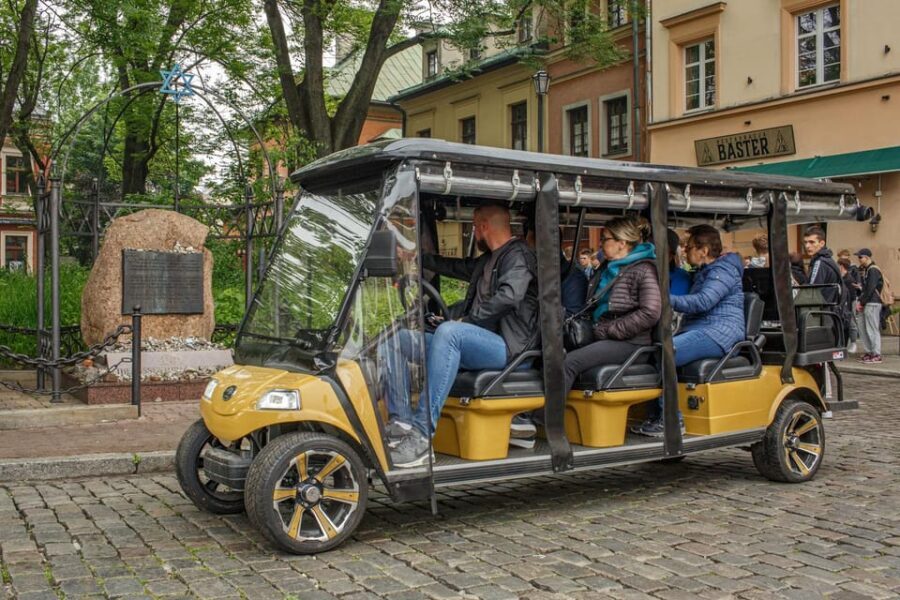
Krakow is gorgeous, but it can also be a lot of cobblestones in a short trip. This tour solves that problem in a practical way: you ride an electric golf cart through key zones, while a driver and audio guide keep the story moving.
The route is built around “see it, then understand it.” You don’t just skim famous buildings. You’re pointed toward the places that help you connect medieval Krakow with the Jewish community in Kazimierz and the darker chapters tied to the ghetto area around Podgórze.
At $33 per person, it’s not a bargain tour, but it can be good value if you’re balancing time, energy, and meaning. This is especially true if you want a single, well-structured outing that covers a lot more than the Old Town ring.
The Meeting Point Tip That Saves Time
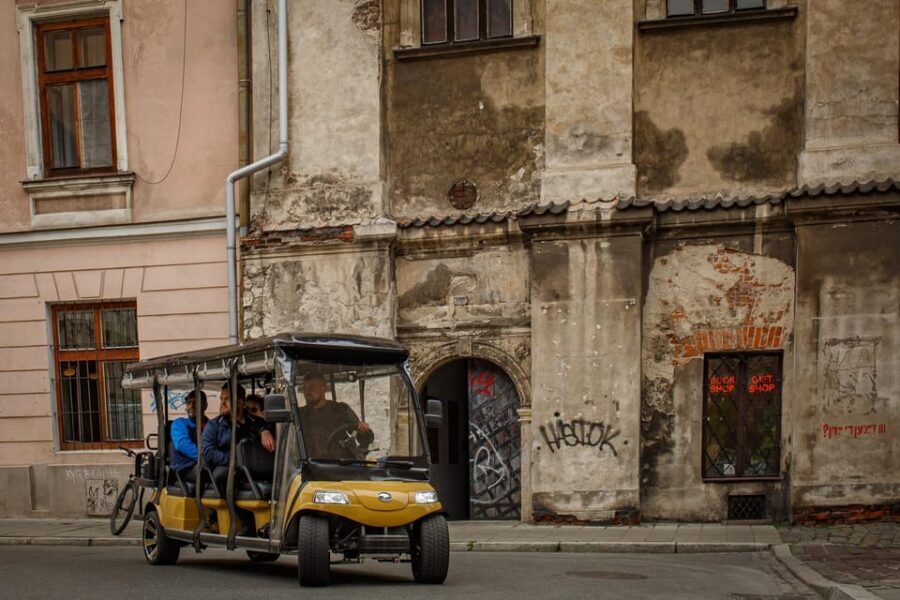
You meet at the Kiss&Ride parking opposite the Żabka store. It’s the kind of landmark that should be easy to find, but Krakow can be busy and phones die at the wrong moment.
Go early enough to handle street traffic and last-minute questions. Bring water too. Even with a cart, Krakow’s weather can sneak up on you, and you’ll be glad to have something in your bottle instead of hunting for a shop mid-route.
You can also read our reviews of more tours and experiences in Krakow.
90 Minutes of Seeing More Without the Step Count
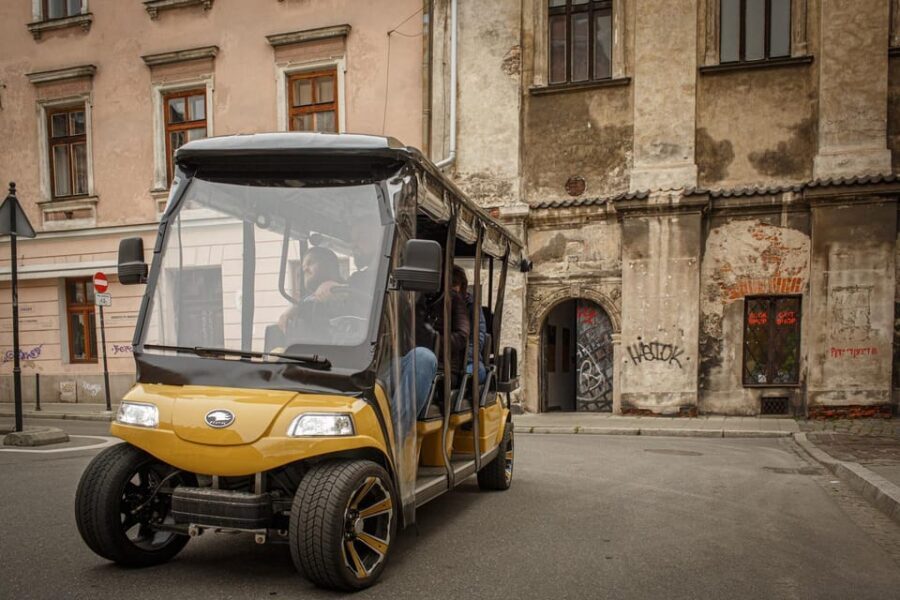
This tour runs for 90 minutes, which is a sweet spot. You get a real sweep of the neighborhoods without feeling like you’ve been “on duty” all afternoon.
The cart format also changes how you experience the city. You’re not constantly checking your footing, and you can look around more naturally at street layouts, squares, and building frontages. That matters in Krakow because the city’s look is part of the story. You’re seeing how the road, the church spires, and the neighborhood shapes form a visual timeline.
It’s also a good choice for couples, friends, and solo travelers who want structure. If you like having a plan, this gives you one, and it’s paced for people who don’t want to turn every minute into a walking workout.
Planty Park and the Medieval City Setup
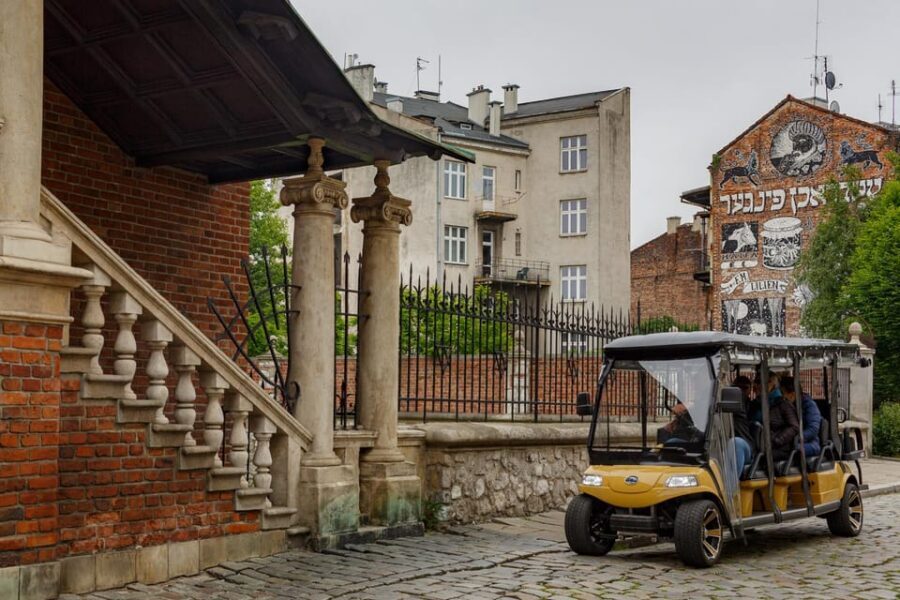
You begin near Planty Park, which is a helpful starting point because it sets the tone. Planty is that circular green belt that frames the Old Town core. From there, the tour transitions into a guided explanation of how Krakow grew and what mattered in its medieval era.
Early on, you’ll get a sense of how the city’s layout shaped daily life. Even if you already know Krakow has a medieval core, you’ll appreciate how the tour connects street geometry to history in a way that’s easy to follow while you’re moving.
If you prefer to learn while walking slowly, this is a strong format. You’re not standing around waiting for the next lecture. The narration stays tied to where you are.
Entering the Jewish Quarter: Kazimierz and Podgórze Explained
The heart of this tour is the story of the Jewish Quarter area. You’ll hear about Kazimierz and Podgórze, including the former territory of the Krakow ghetto.
This is where the tour becomes more than sightseeing. You’re not just matching names to buildings. The route is designed to show how a community’s spaces—synagogues, squares, streets, and small institutions—created a living neighborhood, and how that changed under the ghetto system.
You’ll also cover the way memory is kept in public space. That includes memorial points and names linked to families and local history. Even if you’re not a museum person, these stop choices can help you make sense of what you’re seeing later on your own.
One honest note: the tone can feel heavy. If you want a more cheerful city mix, this route’s concentration on suffering and survival may feel like too much.
Skałka Church and St. Catherine’s Church: Religious Landmarks in Context
Along the route, you pass major religious landmarks such as Skałka Church and the Church of St. Catherine. These stops do more than add beautiful architecture to your photo roll.
They help you understand the patchwork of Krakow—where different communities, faiths, and traditions shaped the city side by side. When your tour is focused on the Jewish Quarter, these Christian landmarks act like signposts for how Krakow’s urban map reflects many layers of identity.
If you like architecture, you’ll enjoy using the cart ride to spot details and spires from the road. If you don’t, don’t worry. The stops are part of the narrative, not just decoration.
Wolnica Square and the Synagogues: Seeing Names, Streets, and Functions
You’ll move through key points like Wolnica Square, then toward synagogues and related sites. The tour highlights multiple synagogues in the Kazimierz area, including:
- Tempel Synagogue
- Kupa Synagogue
- Isaac Synagogue
- Old Synagogue
- Popper Synagogue
- Remuh Synagogue and old cemetery
What makes this section work is that you’re not treated like you’re learning a random list. You’re seeing a cluster of buildings that functioned as anchors for worship, community life, and identity.
A standout for street-feeling is Ciemna Street. When a tour includes streets (not only big monuments), you get a better sense of scale—how narrow lanes and neighborhood rhythms shape everyday movement.
You’ll also hear about places tied to community life, including Wolnica Square and the broader Jewish streetscape. Even if you don’t stop for long at each spot, the tour’s structure makes it easier to later recognize what you’re looking at if you return on foot.
Helena Rubinstein and the “Ordinary Life” Angle
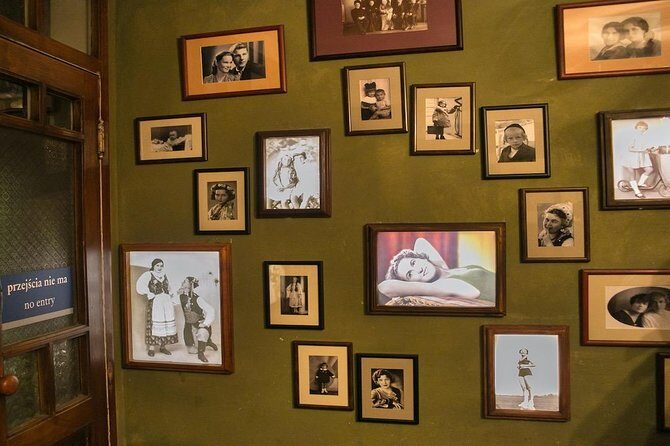
One stop worth calling out is the Family House of Helena Rubinstein. It helps shift the story from only tragedy and ritual spaces to a broader view of how people lived, built reputations, and connected to wider culture.
This matters because it balances the emotional weight of the ghetto-era narrative. You’re reminded that Jewish life in Krakow included more than survival history—it included creative and social influence too.
For many people, that balance is exactly what makes the tour feel human instead of purely grim.
Former Ghetto Area: Ghetto Heroes Square and the Wall
Then you move into the former ghetto area. Stops here include Ghetto Heroes Square and references to former ghetto locations, along with the Ghetto Wall.
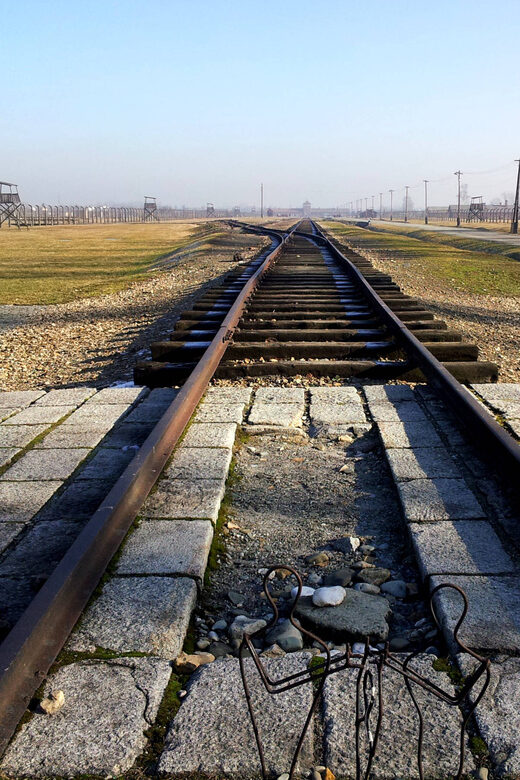
This is the section where the tour becomes the most reflective. You’ll hear the history of how the ghetto was structured and what life meant under those conditions, including how people navigated restrictions and daily survival.
The wall and memorial-type points are also a reminder that you’re not seeing an abstract concept. You’re seeing physical markers that keep a city’s memory visible.
This is where you might want to slow down mentally, even if the cart keeps rolling. Let the narration land before you rush to the next stop.
Schindler, Pankiewicz, and How the Tour Keeps It Personal
You’ll also hit two names that many visitors associate with Krakow’s World War II story:
- Oskar Schindler’s story
- Pharmacy under the Eagle (the residence of Tadeusz Pankiewicz)
The useful part here is that these stops help you connect big-history events to specific locations. When you later read or watch anything about this era, you’ll have a better mental map of where the actions took place and why certain places became meaningful.
The tour also includes narration for Life in Ghetto and additional context stops like Memorial Stone of the Nissembaum Family Foundation and Old Jewish Shops. Together, these places shift the focus from only notable individuals to the community systems around them.
If you like history that feels grounded in real places, this segment is a strong reason to book.
Audio Guide in Many Languages: How to Use It Well
This tour includes an audio guide. Your driver is Polish and English, and the audio guide language list is extensive, including English, French, Spanish, German, Italian, Hebrew, Japanese, Korean, Chinese, Russian, and many more.
Here’s how to get the most value from it:
- Use the audio as your “on-the-move textbook,” not a background noise track.
- Pick a language you can follow without straining—this history is detailed, and clearer words help you remember details.
- If you’re the type who likes taking notes, jot down a couple of stop names while you’re listening so you can research later.
An audio guide doesn’t replace a conversation guide, but in this format it’s often the best compromise for covering 24+ places without stopping every few minutes.
Timing and Stops: What You Might Notice (and What You Might Miss)
With 90 minutes and more than two dozen stops, you shouldn’t expect long on-site time at each location. The goal is coverage and context, not deep time at every building.
That can be a benefit. You’ll see far more than you could comfortably do on foot in the same window. But it also means you’ll likely want follow-up time after the tour for places you care about most—especially synagogues, memorial sites, or any street that caught your eye.
This also explains why one clear concern you should weigh is variety. The route is intentionally concentrated on Jewish history and ghetto-related sites. If you want a classic highlights circuit of Old Town plus views plus casual photo stops, you may feel the tone is too serious for the whole ride.
Price and Value: When $33 Makes Sense
$33 for 90 minutes in Krakow with electric cart transportation and an audio guide can be fair value—if your priorities match the tour.
I think it’s best value if you:
- want a single outing that covers Jewish Quarter and former ghetto area in one go
- prefer less walking
- like learning while you move
It’s less ideal if you:
- only want brief exposure to the topic and mostly want sightseeing photos
- have plenty of time and energy to do long self-guided walks
- hate history-heavy tours
Also, a word of caution grounded in the reality of operations: there have been serious complaints about the tour not showing up and refunds not being handled smoothly. It’s rare, but it’s enough that I’d treat it as a “confirm the day-of details” situation. Know where you’re meeting and plan a backup option if delays happen.
Who This Tour Fits Best (and Who Should Skip It)
The tour is designed for people who want sightseeing with fewer steps. That’s a big plus for many visitors.
At the same time, it has strict rules. It’s not suitable for people with diabetes and it lists restrictions for age, fitness, height, and weight. Pregnant women are also noted as not suitable.
You also can’t bring luggage or large bags, and you shouldn’t carry items that violate the bag-free limits. For comfort, pack light. Bring water as the tour asks.
If you’re under the stated age bands or within the restricted height/weight categories, this tour may simply not work for you. In that case, it’s better to choose a different tour style that matches your needs.
Practical Photo and Comfort Tips
Even though it’s a cart tour, Krakow still requires smart comfort choices:
- Dress for the weather. The itinerary includes outdoor streets and squares.
- Have shoes you’re comfortable walking in later. You may want to continue on your own after the cart stops.
- Keep your hands free for photos. Since you can’t bring bags, plan to carry only the basics like a phone, wallet, and water.
And if the history theme hits you hard, give yourself a gentle mental break afterward. A quiet café stop near the areas you visited can help you digest what you learned without rushing into the next plan.
Should You Book This Krakow Electric Golf Cart Tour?
Book it if you want a fast, structured way to understand Krakow’s Jewish Quarter story plus the former ghetto area, without doing a long walking day. The 90-minute cart format and the audio guide in many languages make it workable even on a tight schedule.
Skip it if you’re looking for a classic feel-good sightseeing circuit, or if you know the emotionally heavy parts of World War II history will overwhelm you.
If you do book, I’d treat it like a focused learning outing: arrive early, pack light, and plan one or two follow-up stops afterward where the stops you care about get more of your time.
FAQ
How long is the Krakow sightseeing tour by electric golf cart?
The tour lasts 90 minutes.
Where is the meeting point?
Meet at the Kiss&Ride parking opposite the Żabka store.
What’s included in the price?
You get transportation by electric golf cart, a driver, and an audio guide.
What languages are available for the audio guide?
The audio guide is available in many languages, including Chinese, Croatian, Czech, Danish, Dutch, English, French, Finnish, German, Greek, Hebrew, Italian, Japanese, Norwegian, Polish, Romanian, Russian, Serbian, Slovak, Spanish, Turkish, Hungarian, Lithuanian, Portuguese, Korean, Swedish, Latvian, and more.
What should I bring, and what items are not allowed?
Bring water. Luggage or large bags are not allowed, and smoking in the vehicle is not allowed. Alcohol and drugs are not allowed, and there are rules against making noise.
Is the tour suitable for everyone?
No. It lists several restrictions, including age limits, strict height and weight limits, and it is not suitable for pregnant women and people with diabetes, among other limitations.