REVIEW · KRAKOW
Krakow: Schindler’s Factory Guided Tour
Book on GetYourGuide →Operated by Discover_Poland · Bookable on GetYourGuide
This tour walks you through occupied Krakow. At Schindler’s Factory, you get a chronological guided story that turns rooms of artifacts, photos, and film into something you can follow without getting lost. I love that the focus is on life in wartime Krakow, not just the Schindler name people already know. I also like that you feel the lived-in tension of the era as you move through narrow, real-feeling spaces.
One possible drawback: the subject is heavy, and 90 minutes can feel fast if you’re the type who wants to linger on every photo and caption. If your group is busy, the pace can lean a little “go, look, listen” toward the end.
In This Review
- Key points before you go
- Entering Schindler’s Factory: What You’re Really Paying For
- Meeting at Fabryka ’Emalia’ Oskara Schindlera
- The Tour Walkthrough: A Wartime Timeline You Can Actually Follow
- Ghetto Passages and Typical Rooms: The Details That Hit
- Resistance and Imprisonment: Why Context Changes Everything
- Multimedia Rooms and Film: Making History Feel Immediate
- Your Guide Matters: English Tours and Real Storytelling
- What to Expect at the End: Pace, Questions, and a Second Look
- Optional Upgrade: The 3-Day Krakow Museums Pass (22 Stops)
- Practical Tips That Save Time and Stress
- Who This Tour Suits Best (and Who Might Rethink It)
- Should You Book This Schindler’s Factory Guided Tour?
- FAQ
- How long is the Schindler’s Factory guided tour?
- Where is the meeting point?
- Is the tour offered in English?
- Does the guided tour help you skip the ticket line?
- What’s included in the price?
- Are food and drinks included?
- Can I bring drones or alcohol?
- Is there a place to leave belongings?
- Is there transportation included?
- What happens if I arrive late?
- FAQ
- Is the museums pass refundable?
- How does the 3-day museums pass work?
- Do I need any transportation for the museums pass?
- Which museums are included in the 22-museum pass?
Key points before you go
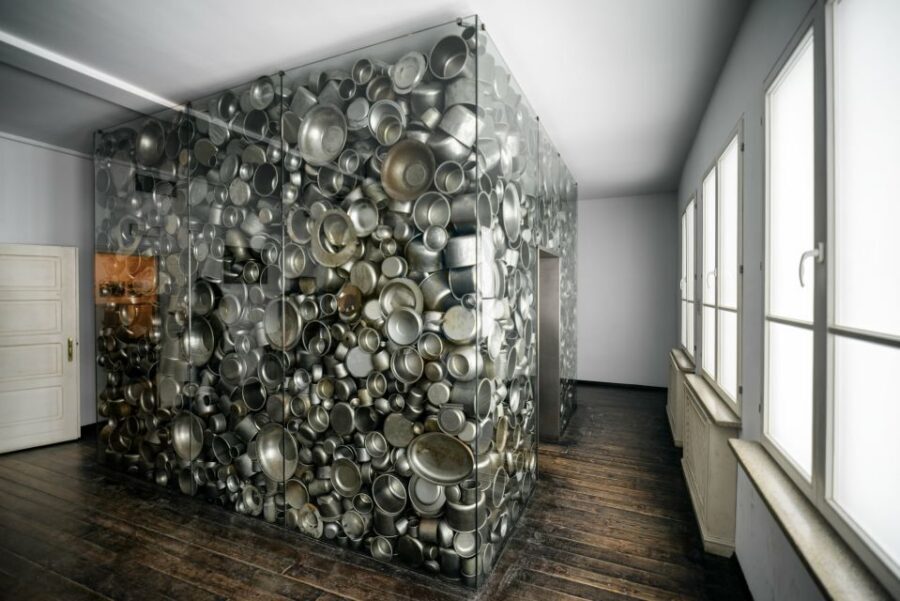
- A licensed English guide makes the exhibits make sense, room by room
- Narrow wartime passages and typical rooms help you grasp what daily fear looked like
- Multimedia and film documents add context to the artifacts you see
- A guided, chronological layout keeps the story from blurring
- Optional 3-day museum pass adds real value if you want extra culture after the tour
- On-site lockers/deposit help when you show up with a big bag
Entering Schindler’s Factory: What You’re Really Paying For
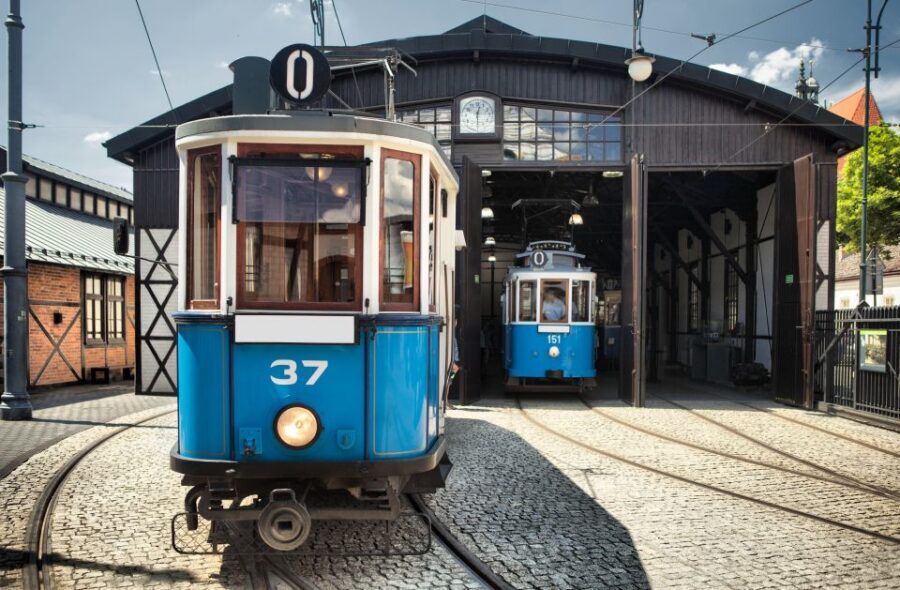
Schindler’s Factory in Krakow isn’t the kind of museum where you can show up, scan a few panels, and call it done. You’re paying for a licensed guide who can connect what you’re seeing to what was happening outside those walls—at the speed your eyes and brain can handle.
For $58 per person and a 90-minute guided format, the value is mostly in explanation. The exhibits are dense. A guide helps you catch what matters: the point of each room, why certain objects were saved or shown, and how the war shattered everyday life in occupied Krakow. Without that guidance, it can still be moving, but you’re more likely to miss the story threads that make it land.
You can also read our reviews of more guided tours in Krakow

Meeting at Fabryka ’Emalia’ Oskara Schindlera
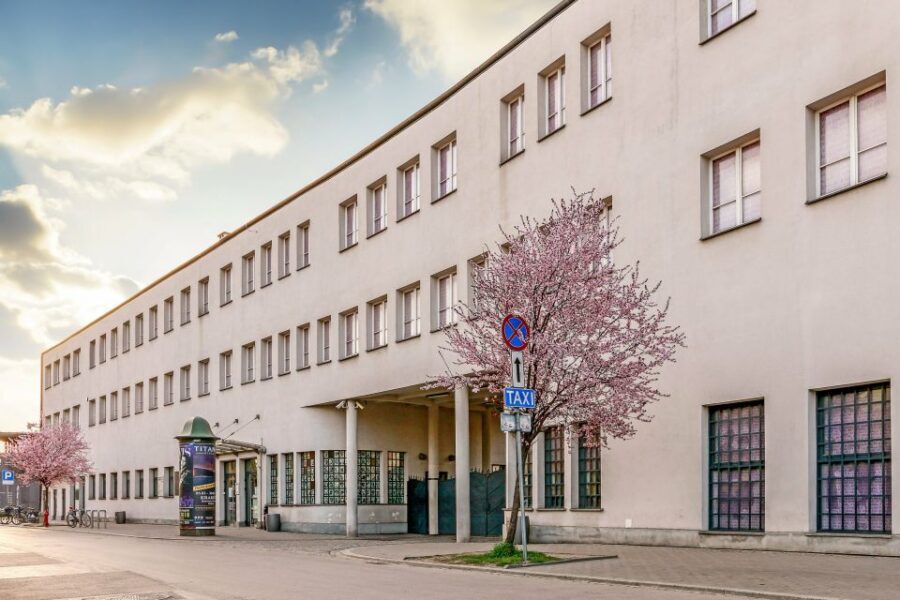
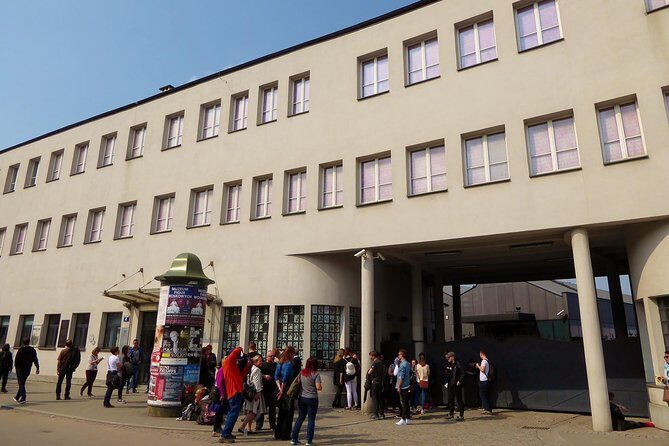
Your start is outside Fabryka ’Emalia’ Oskara Schindlera, at the main gate. You’ll meet your group in front of the entrance, and your guide should be holding a sign that says Oskar Schindler Guided Tour with the start time.
This matters more than it sounds. Krakow museums can be crowded, and the easiest way to waste time is to drift toward the wrong queue or lose a few minutes before the group forms. Give yourself a little cushion so you don’t end up stressed before the tour even begins.
The Tour Walkthrough: A Wartime Timeline You Can Actually Follow
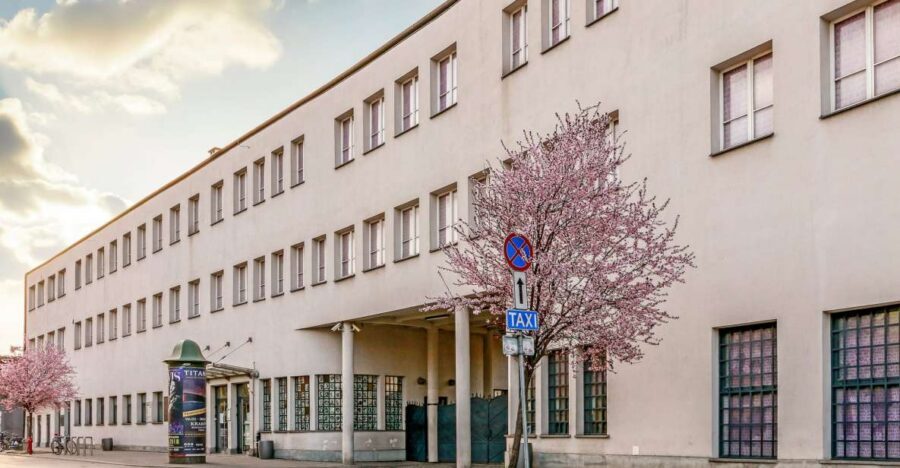
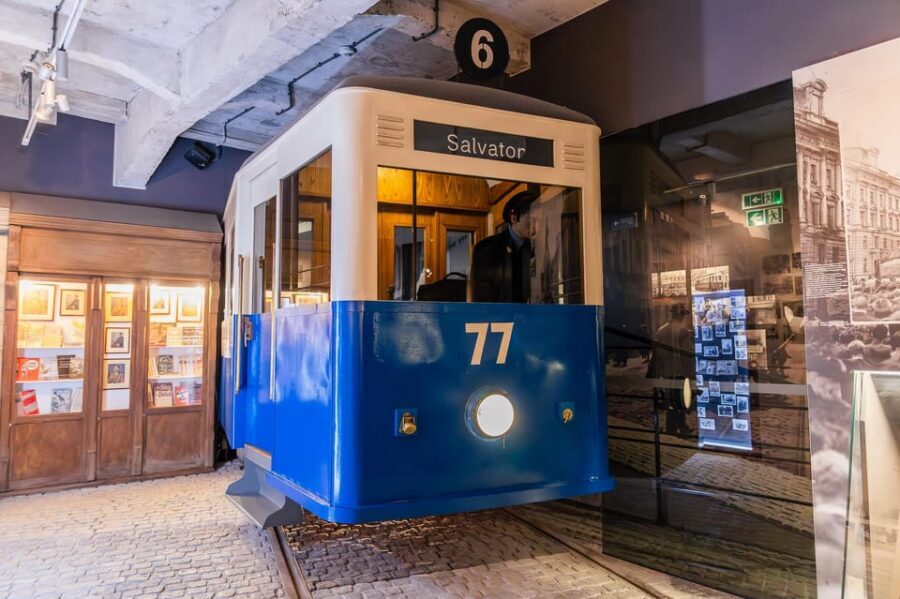
The tour experience is built around a clear, chronological sense of wartime Krakow. That approach is one of the smartest things about this visit, because it turns a museum of artifacts into a sequence of human events—before occupation, during it, and after liberation.
You move through exhibition spaces that recreate the “walk-in” feeling of life under Nazi occupation. The goal isn’t just to look at history. It’s to understand how quickly life became restricted, how fear became normal, and how resistance and imprisonment weren’t abstract concepts—they were everyday realities for real people.
A key element is the contrast the museum highlights over time. You go from a world where people expected normal days, into a world where survival depended on tiny decisions. Then you arrive at the bittersweet release of liberation by the Soviet Army. That arc is emotionally demanding, but it’s also easier to process when it’s guided and ordered.
Ghetto Passages and Typical Rooms: The Details That Hit
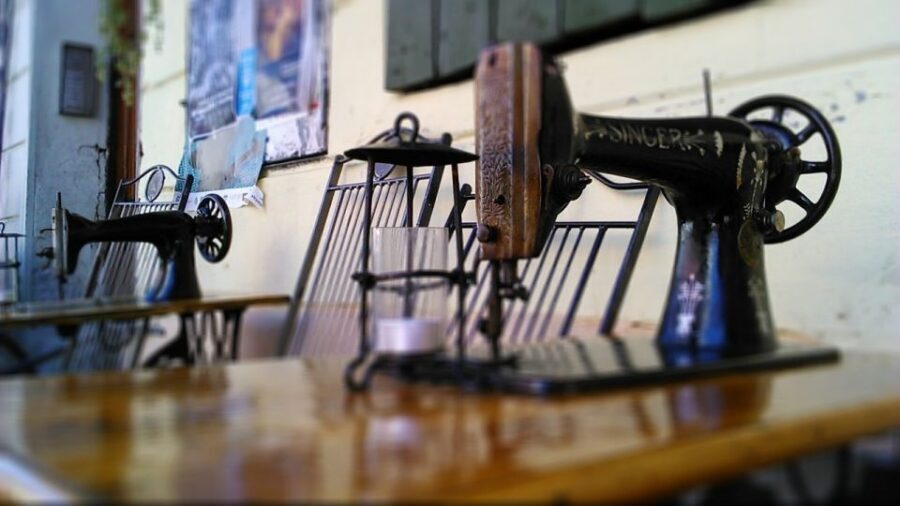
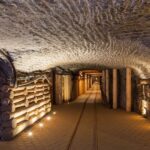
One of the most powerful parts is the way the tour uses physical space to communicate pressure. You navigate narrow ghetto passages, and it’s the kind of design choice that makes you slow down instinctively. Your body reacts first—smaller spaces create a feeling of constraint—then your guide explains what that meant for people living there.
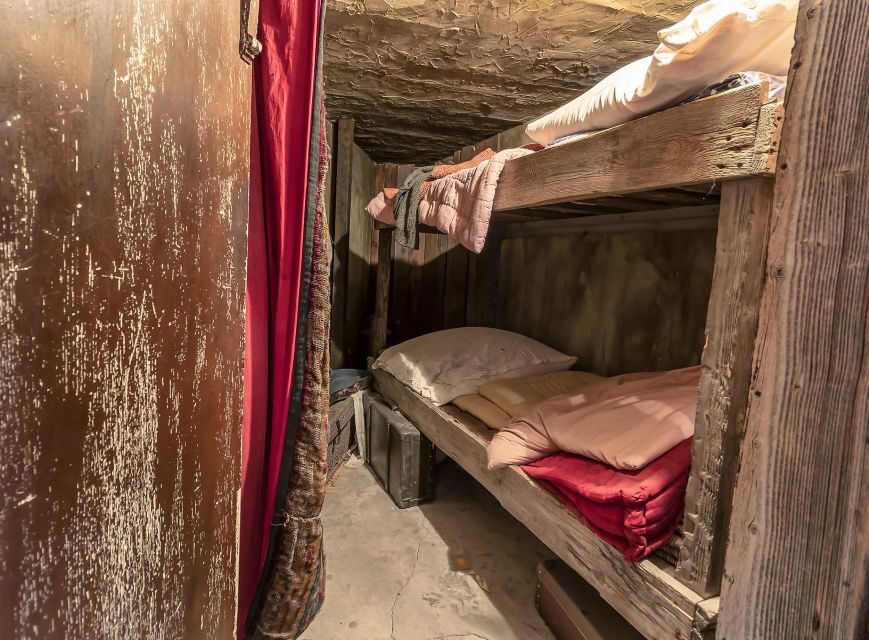
The tour also focuses on how the ordinary stubbornly tried to survive. You’re led through spaces meant to resemble everyday life, including what a typical Jewish apartment in the ghetto might have looked like. You don’t just hear about tragedy—you see how everyday objects were part of endurance. That’s an important shift in perspective: it’s not only about what was taken. It’s also about how people tried to keep their spirit alive with what they had.
Resistance and Imprisonment: Why Context Changes Everything

Some museums show you events. This one helps you understand how events functioned—how persecution worked in systems, how imprisonment operated through routine, and how resistance wasn’t one grand story but a series of choices under crushing circumstances.
Your guide is supposed to be a real specialist in Krakow’s WWII history, and it shows in how they handle the exhibits. The tour aims to give a vivid vision of wartime life and to explain why Schindler’s story matters—but also why it’s bigger than one man. The emphasis is on occupied Krakow and its inhabitants, not just a single name.
This is where guided time pays off. The multimedia materials and artifact displays can be overwhelming on your own. With a guide, you get the “why” and the “how,” not just the “what.”


Multimedia Rooms and Film: Making History Feel Immediate
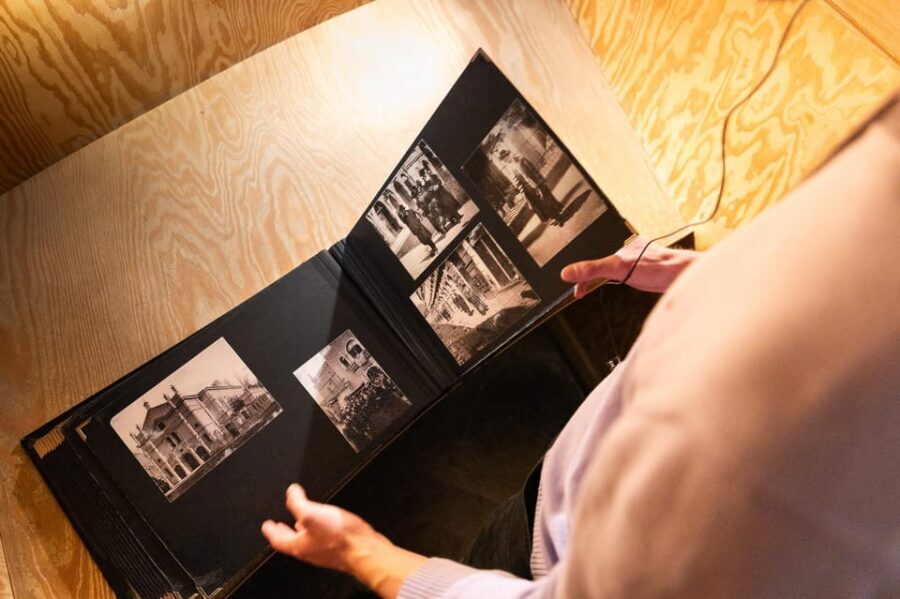
Schindler’s Factory includes immersive multimedia shows and film documentaries. The museum uses audio-visual tools to pull you into the atmosphere of the time: fear, uncertainty, and the constant weight of occupation.
I like this style because it prevents the visit from becoming only a photo-and-caption march. Still, it’s worth knowing the trade-off. Multimedia can move you emotionally fast, and the pace can feel like it’s pushing you forward. If you’re sensitive to heavy material, mentally plan to take breaks by listening carefully to what your guide says rather than trying to read everything in the background.
Also, a practical note: you may get headphones so you don’t miss info as you move between sections. That can be helpful in a busy room where voices and ambient sound compete.
Your Guide Matters: English Tours and Real Storytelling
This tour lives or dies on the guide. Many guides in this setting are good at facts. The standout guides are good at timing—when to explain, when to slow down, and when to keep the story human instead of turning it into a lecture.
From the names you might encounter, guides like Wojciech Marchut, Marta, Kinga, and Magda have earned strong praise for English clarity and for keeping the tour engaging even when the topic is extremely hard. Some guides also use a touch of humor to keep attention from dropping, without turning the subject into something light.
If your English matters to you, this is a strong choice because the tour runs in English. And if you’re the type who asks questions, you’re likely to get room for them; guides are often willing to answer and guide you through what you just saw.
What to Expect at the End: Pace, Questions, and a Second Look
The tour structure is designed to fit everything into about 90 minutes. That’s short enough to keep energy up, but it can also mean you don’t get unlimited time to stare at each artifact after the explanation starts.
In practice, this means you should treat the tour like the first “read” of a book. After the guided portion, if you want to go slower, you can often linger on the parts that stayed with you. If the museum is busy, I’d focus your attention on the last sections your guide spent time connecting to the bigger story, then decide whether you want to go back.
Optional Upgrade: The 3-Day Krakow Museums Pass (22 Stops)
If you choose the Museums Pass – 3 Days option, you get a digital card that doesn’t need exchanging on-site. There’s no transportation included with this option. Instead, it’s built for you to keep exploring independently for the next few days.
What makes this potentially great value is volume. The pass covers entry to 22 Krakow museums. Some major highlights from the list include:
- The Princes Czartoryski Museum (Lady with Ermine by Leonardo da Vinci)
- MOCAK
- Galicja Jewish Museum
- Archaeological Museum (Main building)
- Arsenal
- Kościuszko Mound
- Museum of the Home Army dedicated Gen Emil Fieldorf Nil
- Cricoteka
If you like structure, this pass gives it. You can plan a second day around art museums, a third day around history and city landmarks, and still keep Schindler’s Factory as your emotional anchor.
If you’re only planning one or two museum stops, the pass might not pay off. The better approach is to ask yourself: do you genuinely want to spend more time in Krakow museums, or do you prefer walking streets and eating well?
Practical Tips That Save Time and Stress
A few small things make your visit smoother.
First, don’t show up late. Arriving later than 15 minutes before the tour starts can mean you’re denied entry to the tour, and refunds won’t apply. So build in buffer time at the gate.
Second, plan around bags. The museum experience allows you to leave belongings in a deposit onsite, and lockers may be available if your bag is too big. If you’re traveling light, great. If not, you’ll thank yourself for bringing a manageable day bag.
Third, bring the right expectations for facilities. There are toilets available at the entrance and also halfway through the tour route. That helps you avoid that awkward “I’ll just wait” decision during a timed program.
Fourth, follow the restrictions. Drones aren’t allowed, and alcohol and drugs aren’t allowed. Simple rules, but they’re worth noting.
Who This Tour Suits Best (and Who Might Rethink It)
This is a strong fit if you want:
- a guided explanation (not a self-guided skim)
- WWII context focused on occupied Krakow
- a chronological experience with multimedia support
It may be less ideal if you:
- hate tightly timed museum visits
- need long quiet time to read every label without interruption
- plan to treat it like background while multitasking on your phone
Also, if you’re traveling with mixed interests, the tour’s heavy theme can affect the group mood. In that case, it can help if someone in your party genuinely wants history and can absorb the emotional content with support and patience.
Should You Book This Schindler’s Factory Guided Tour?
I think you should book this tour if you care about understanding what you’re seeing. The guided format is the whole point here: it turns an important museum into a clear story about people, fear, resistance, and survival in Krakow during occupation.
Book it sooner rather than later if you want the museums pass too, because it pairs well with a “one serious anchor experience, then more culture” rhythm. And if you’re unsure, start with the essentials: arrive on time, go in with patience, and let the guide do the heavy lifting. When the tour is right for you, it stays with you long after Krakow’s streets quiet down.
FAQ
How long is the Schindler’s Factory guided tour?
The guided tour lasts 90 minutes.
Where is the meeting point?
Meet in front of the main gate to Schindler’s Factory entrance. Your guide will be holding a sign that says Oskar Schindler Guided Tour with the start time.
Is the tour offered in English?
Yes, the tour is English.
Does the guided tour help you skip the ticket line?
Yes, the experience includes skip the ticket line access.
What’s included in the price?
You get a professional licensed guide, access to the permanent exhibits in Schindler’s Factory, and (if you select the option) access to 22 Krakow museums for three days.
Are food and drinks included?
No. Food and drinks are not included.
Can I bring drones or alcohol?
No. Drones are not allowed, and alcohol and drugs are not allowed.
Is there a place to leave belongings?
Yes. You can leave belongings in a deposit onsite.
Is there transportation included?
No transportation is included for getting to and from the museum, and for the museum pass option specifically there is also no transportation.
What happens if I arrive late?
If you arrive later than 15 minutes before the tour starts, you may be denied entry, and no refunds will be issued.
FAQ
Is the museums pass refundable?
The activity is listed as non-refundable.
How does the 3-day museums pass work?
It’s a digital card that doesn’t need to be exchanged on-site. It grants entry to 22 Krakow museums for three days.
Do I need any transportation for the museums pass?
No. The pass option includes no transportation. You’ll explore on your own.
Which museums are included in the 22-museum pass?
The pass includes museums such as the Polish Aviation Museum, The Princes Czartoryski Museum, MOCAK, Galicja Jewish Museum, Cricoteka, and Arsenal, among others, for a total of 22 locations.