REVIEW · KRAKOW
Krakow: Schindler’s Factory & Ghetto Guided Tour
Book on GetYourGuide →Operated by excursions.city · Bookable on GetYourGuide
Schindler’s story hits hard fast. I love that this tour combines skip-the-line entry to Schindler’s Enamel Factory with a licensed guide who brings the “Kraków under Nazi Occupation 1939–1945” exhibition to life through artifacts and focused storytelling. I also love the shift from museum facts to real place names at Ghetto Heroes Square, where the Chair Memorial lands with real weight. The main drawback to plan around: the museum moves at a tour pace, and the small, dim rooms can feel tight if you want long, quiet reading time.
One more plus: the experience is built around a guided walk, not a drive-by. You’ll stop at the remains of the ghetto walls, then continue through the core sites—ending at the places tied to rescue work like Tadeusz Pankiewicz’s Under the Eagle Pharmacy.
In This Review
- Key things that make this tour worth it
- Schindler’s Factory Museum: where the story starts in the right place
- Inside the narrow rooms: how the museum keeps you focused
- Oskar Schindler, wartime Kraków, and the human scale of survival
- The ghetto walk: from surviving walls to the heart of deportations
- Under the Eagle Pharmacy: the rescue story you shouldn’t miss
- Timing, pace, and what $57 buys you in 3 hours
- Who should book (and who might want a different plan)
- Should you book this Kraków Schindler’s Factory & Ghetto tour?
- FAQ
- Where is the meeting point for the tour?
- How long is the tour?
- Does the price include museum entry and the ghetto walking tour?
- Are food and drinks included?
- What languages are available for the live guided tour?
- Is the tour a one-language group?
- What should I do if I’m late to the meeting point?
- Does the tour run in bad weather?
- What will I see at Schindler’s Factory—original machinery or just exhibits?
Key things that make this tour worth it
- Skip-the-line admission into Schindler’s Factory Museum so you spend your time learning, not waiting.
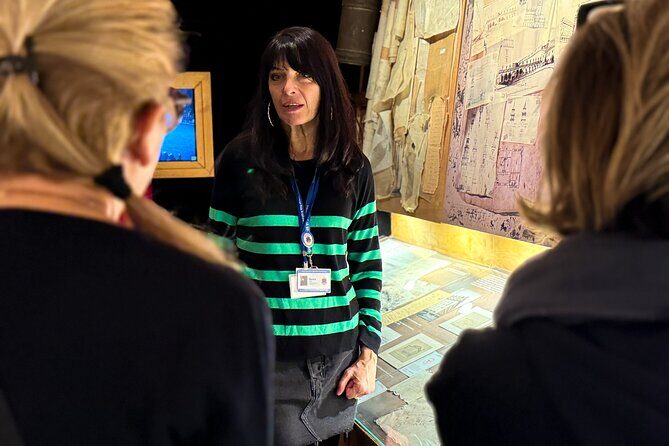
- The exhibition’s design: narrow corridors and dim rooms that make confinement feel real without turning it into a gimmick.
- A guided walk through the ghetto’s core sites, not just a history lecture in one room.
- Ghetto Heroes Square and the Chair Memorial, a powerful way to connect names to place.
- Under the Eagle Pharmacy and the story of help given inside the ghetto—medicine, risk, and resolve.
- Guides who answer questions and keep the story organized, which matters in a museum that’s information heavy.
Schindler’s Factory Museum: where the story starts in the right place
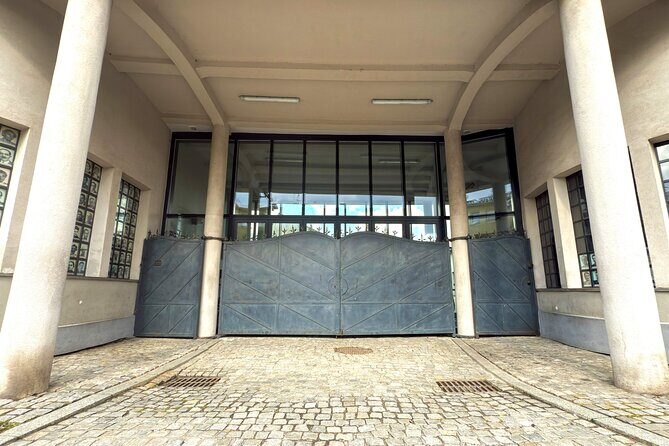
This tour begins at Schindler’s Factory Museum, set in the former enamel factory tied to Oskar Schindler. That matters, because the museum isn’t framed like a simple biography. Instead, it walks you through how Nazi occupation reshaped Kraków and how Jewish and non-Jewish residents lived through fear, pressure, uncertainty, and persecution.
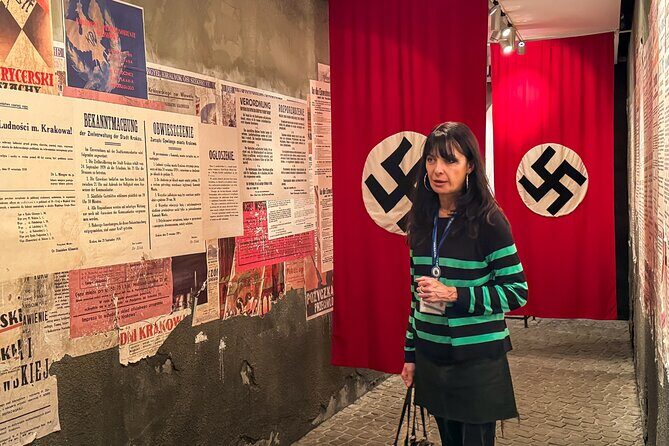
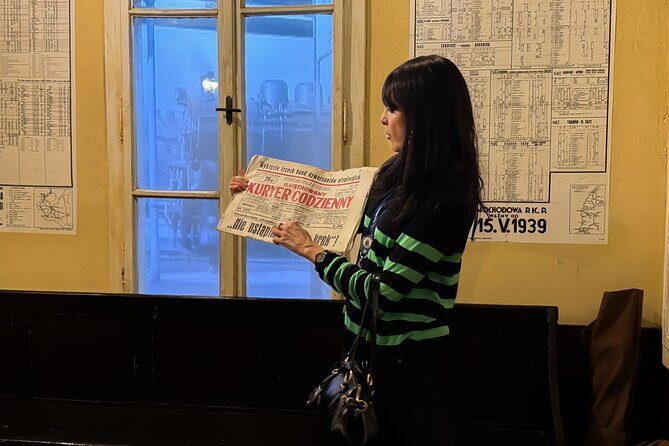
Expect a structured visit through “Kraków under Nazi Occupation 1939–1945.” The exhibition is built around original artifacts, photographs, and carefully made reconstructions. You’re not just reading panels—you’re following a timeline that explains what changed in the city and why it mattered for ordinary people.
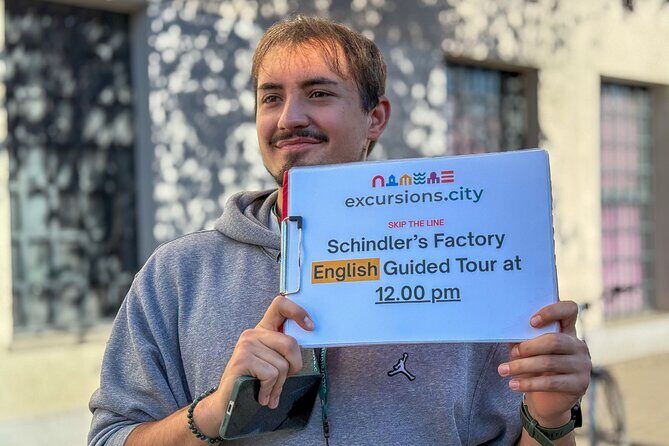
Also, do yourself a favor and show up on time. Your meeting spot is in front of the main entrance to the museum, on the right-hand side, where the guide holds an excursions.city sign. Arrive about 10 minutes early. After the group departs, you won’t be able to join, and refunds won’t apply for late arrivals.
You can also read our reviews of more guided tours in Krakow

Inside the narrow rooms: how the museum keeps you focused
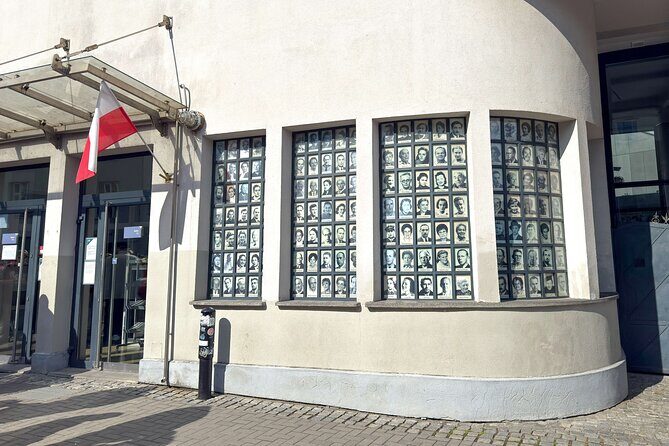
One of the smartest things this museum does is control the pace and the room scale. Many sections are in narrow, dimly lit corridors, and that design choice is intentional. It recreates the claustrophobic pressure of life under Nazi rule, so the subject doesn’t stay abstract.
What I like about this approach is that it helps you “stay inside the story.” You’ll move from area to area like you’re being guided through a confined reality, not an open-plan gallery. It’s also why a guide is such a big deal here. Without help, it’s easy to see a lot of details but miss the connections between them.
Just note the practical limitation: guided tours compress what you might want to read slowly. The rooms can get crowded with a typical group, and the time doesn’t allow everyone to linger in every corner. If your ideal visit is hour-after-hour in quiet reflection with every caption, you might prefer to come back on your own for a longer self-paced museum pass.
Oskar Schindler, wartime Kraków, and the human scale of survival
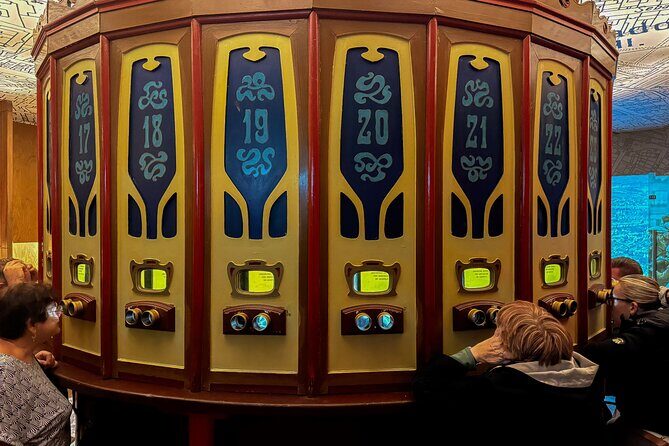
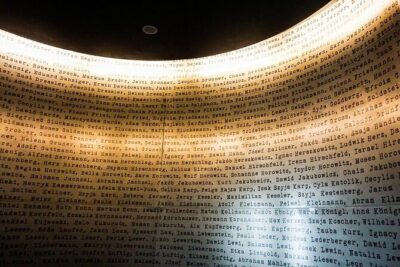
Schindler’s name sits inside a larger story. You’ll hear about Oskar Schindler and how his factory provided refuge to more than a thousand Jewish workers, but the tour keeps that thread tied to the bigger mechanics of persecution—deportations, destruction, and the system crushing daily life in Kraków.
What makes this section work is how the museum connects the personal to the historical. You don’t just get dates; you see how policies turned into lived consequences. The story becomes both specific and sobering: you learn how individual acts of courage existed inside a situation built to remove choice.
Guides can make or break this kind of visit, and the strongest accounts highlight that. People have mentioned guides like Fil/Phil and Alexandra for balancing clear facts with emotional seriousness—presenting the information objectively while still honoring what happened. I’d treat that as a hint for how you should approach the experience: listen for the “why” behind each stop, not just the “what.”
The ghetto walk: from surviving walls to the heart of deportations
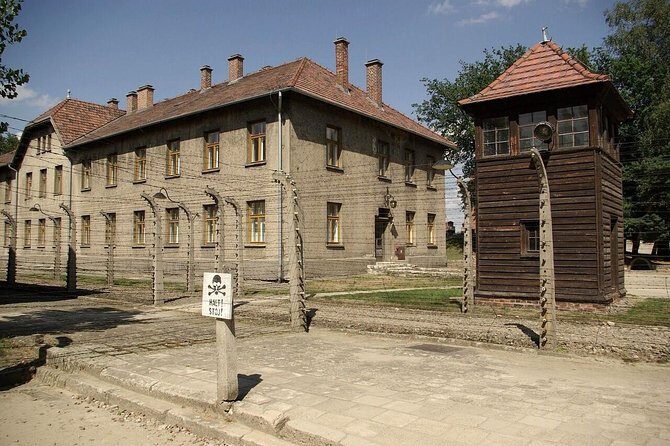
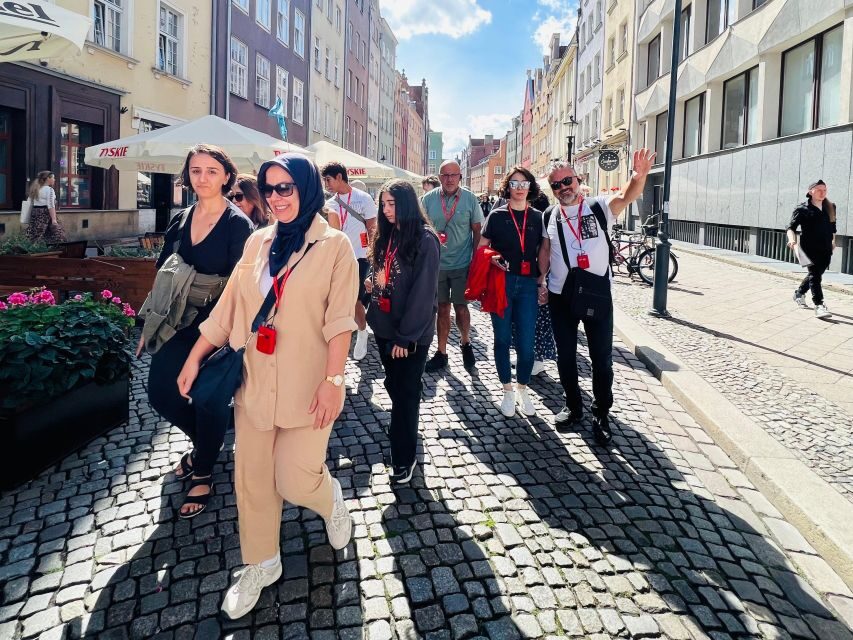
After the museum, you shift from exhibition rooms to open-air memory. The walking portion takes you into the wartime Jewish ghetto area, starting with the remains of the Ghetto Walls—a stark reminder that confinement wasn’t metaphorical. It was physical separation, built into the city’s layout.
Then you continue to Ghetto Heroes Square, the center of the ghetto and a place tied to deportations to extermination camps. Today, that history is marked with the Chair Memorial, where each chair represents lives lost. It’s the kind of memorial that forces you to look carefully, because it turns an overwhelming scale of death into something you can recognize at human level.
The walk also gives you a stronger sense of geography. Kraków stops being “a city you visited” and starts becoming a place with boundaries, routes, and locations where daily survival depended on narrow margins. That spatial understanding is hard to get from museum walls alone, and it’s a big reason the tour is built as two parts.
Under the Eagle Pharmacy: the rescue story you shouldn’t miss
At some point, most WW2 history tours cover occupation and persecution. This one adds something more difficult: help inside danger.
You’ll visit the Under the Eagle Pharmacy, tied to Tadeusz Pankiewicz and his staff. The tour explains how they aided ghetto residents and preserved medicine—small words for something massive. Medicine doesn’t sound dramatic until you remember what happens when people can’t treat illness, injury, or deprivation, and when access to care is controlled by those intent on destroying communities.
This stop gives the tour its moral balance. It shows that even in extreme conditions, people still made choices—choices that risked their own safety. And it helps you understand why the ghetto walk isn’t only about confinement. It’s about endurance and resistance, including quieter forms of rescue.
If you’re the type who wants context as you go, ask your guide questions at stops where the story feels dense. This is exactly the kind of tour where a good guide can connect the dots between buildings, timing, and people.


Timing, pace, and what $57 buys you in 3 hours
This experience is listed as 3 hours, and that’s the key to how you should plan your expectations. You’re getting a licensed guide through Schindler’s Factory Museum plus a walking tour of the ghetto’s core sites. For $57 per person, you’re essentially paying for two high-value elements: time-saving skip-the-line entry and guided interpretation across multiple locations.
You also get real structure. The tour includes a guide, skip-the-line admission, and the walking portion. Food and drinks are not included, so plan to handle that before or after. In cold months, one review pointed out a practical break during the transition—useful for restrooms and to grab something warm—so it’s not nonstop walking the entire time.
Pace is worth talking about. Some museum rooms are small, and groups can feel tight as you move through narrow spaces. If the idea of moving quickly through exhibits makes you anxious, you may prefer a slower, private museum day and then do the ghetto walk separately. But if you want to cover the big sites in a compact, guided package, this is a good fit.
One more practical tip: the walking part goes ahead in all weather. Wear layers and comfortable footwear, because you’ll be outside long enough for the temperature to matter.
Who should book (and who might want a different plan)
Book this tour if you want:
- A guided museum visit that turns a heavy WWII topic into a coherent story.
- A focused route through the ghetto’s most important landmarks without getting lost in research mode.
- A format where the guide can answer questions and help you notice what matters.
It may not be your best match if:
- You need lots of quiet time to read every caption and linger in every room.
- You’re very sensitive to tight indoor spaces and want a more open, self-paced museum experience.
- You’re looking for a “factory” view with working machinery. The building housed Schindler’s factory, but today it’s a museum without original factory machinery.
As for the guide languages, the tour is offered in Italian, English, French, Spanish, and German, but it’s only one language per group. If you care about comprehension nuance, pick the language you feel most comfortable in.
Should you book this Kraków Schindler’s Factory & Ghetto tour?
Yes—if you want a respectful, high-impact introduction to Kraków under Nazi occupation, this is one of the better ways to do it in limited time. The museum gives you context, and the ghetto walk gives you place and geography. Together, they do more than stack facts; they build understanding.
My call: book it if you’re okay with guided pacing and the reality that some rooms are small and dim. Skip it or adjust your plan if you want long independent museum wandering with maximum silence. Either way, come prepared to stay emotionally present, because the Chair Memorial and the Under the Eagle Pharmacy stop don’t let you treat history like a checklist.
FAQ
Where is the meeting point for the tour?
Meet your guide at the main entrance to Schindler’s Factory Museum, on the right-hand side. The guide will be holding an excursions.city sign.
How long is the tour?
The tour lasts 3 hours.
Does the price include museum entry and the ghetto walking tour?
Yes. The tour includes the guide, skip-the-line admission to Schindler’s Factory, and the walking tour of Krakow’s ghetto.
Are food and drinks included?
No. Food and drinks are not included.
What languages are available for the live guided tour?
The live tour guide is available in Italian, English, French, Spanish, and German.
Is the tour a one-language group?
Yes. Our group tours are only in 1 language, so you select your preferred language when booking.
What should I do if I’m late to the meeting point?
Arrive about 10 minutes before the tour begins. Once the group has departed, latecomers can’t join, and tickets can’t be refunded.
Does the tour run in bad weather?
Yes. The tour goes ahead in all weather, rain or shine.
What will I see at Schindler’s Factory—original machinery or just exhibits?
The building once housed Schindler’s factory, but today it is a museum without original machinery. You’ll see the exhibitions and interpretive materials rather than a working factory setup.