REVIEW · KRAKOW
Krakow: Kościuszko Mound Entry Ticket with Exhibitions
Book on GetYourGuide →Operated by Discover Cracow · Bookable on GetYourGuide
A big view and a big story, all in one spot. The Kościuszko Mound climb gives you wide-open Kraków views, and the exhibitions explain why Tadeusz Kościuszko is honored with a mound instead of a classic statue. The main drawback to plan around is the uphill climb—this isn’t ideal if you need step-free access.
I also like that the ticket isn’t just about the panorama. You get permanent and temporary exhibits in the post-Austrian fort buildings, plus visits to the St. Bronisława’s and Columbarium’s parish church area and a museum section covering the city from 1846 to 1918.
One more thing to consider: if you’re expecting a high-tech, hands-on museum experience, parts of the exhibition may feel more traditional than you want.
In This Review
- Key points to know before you go
- Kościuszko Mound: the city view you’ll actually use
- Why a mound for Tadeusz Kościuszko (and not a statue)
- Inside the post-Austrian fort buildings: what the exhibitions add
- St. Bronisława’s and Columbarium church stops: small moments with a different tone
- The best way to structure your visit in real time
- Price and value: when $10 makes sense (and when it won’t)
- Comfort, timing, and what to bring for a smooth visit
- Final verdict: should you book the Kościuszko Mound ticket?
- FAQ
- FAQ
- How much is the Kościuszko Mound entry ticket?
- How long should I plan for the visit?
- What’s included with the ticket?
- What do I get to see from the top of the mound?
- Is transportation included?
- Do I need to wait in a ticket line?
- What should I bring?
- When can I visit?
- What if my plans change?
- Is there anything to consider about accessibility?
Key points to know before you go
- Panorama first: Kraków landmarks like Sukiennice, St. Mary’s Church, and Wawel are built into the view
- Clear-day payoff: on good visibility days, you may spot the Tatras in the distance
- Kościuszko explained: learn why the mound exists and how he matters to both Polish and broader history
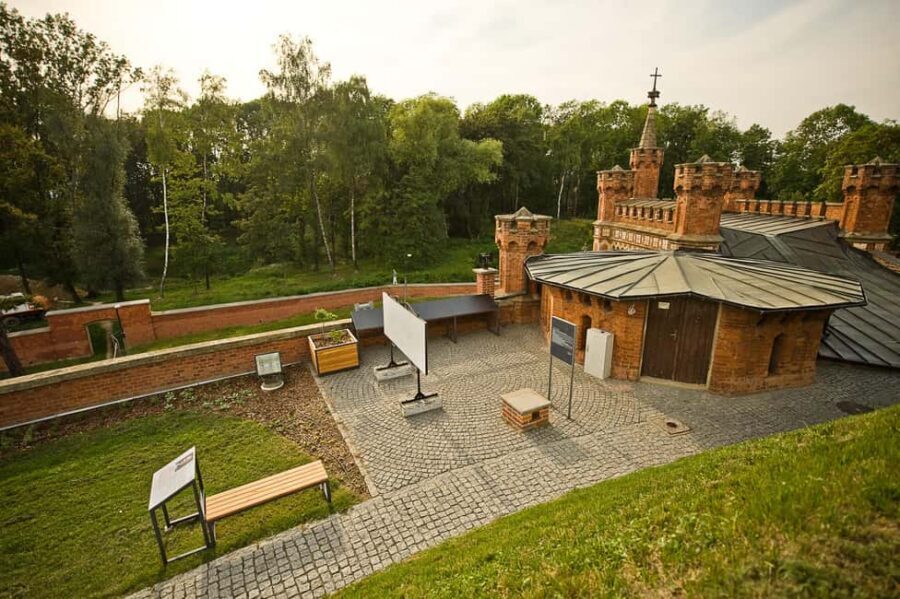
- Fortress buildings: exhibitions are housed in 19th-century post-Austrian fort structures
- Multiple stops included: fortress timeline displays, church visit, and the wax figures Polish Road to Freedom
Kościuszko Mound: the city view you’ll actually use
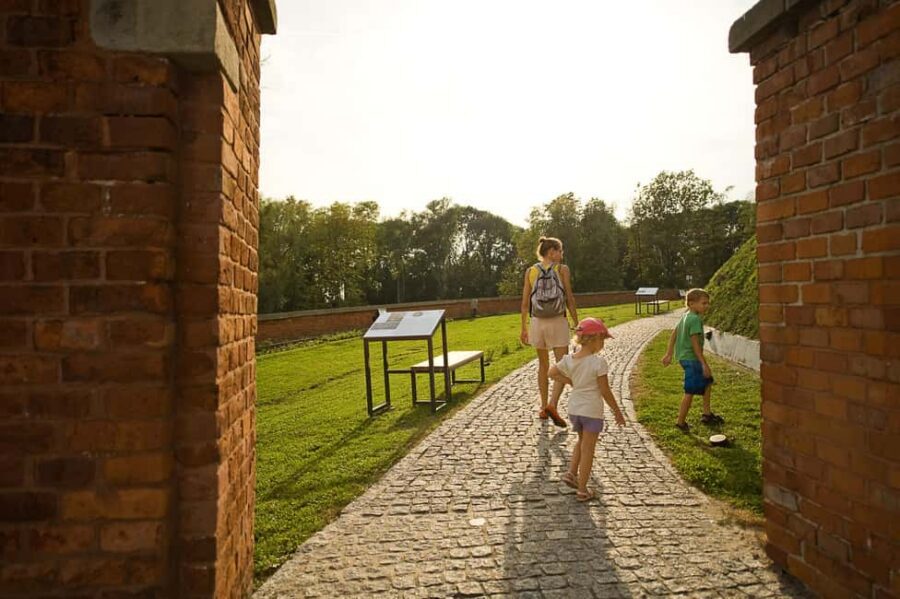
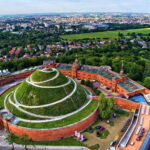
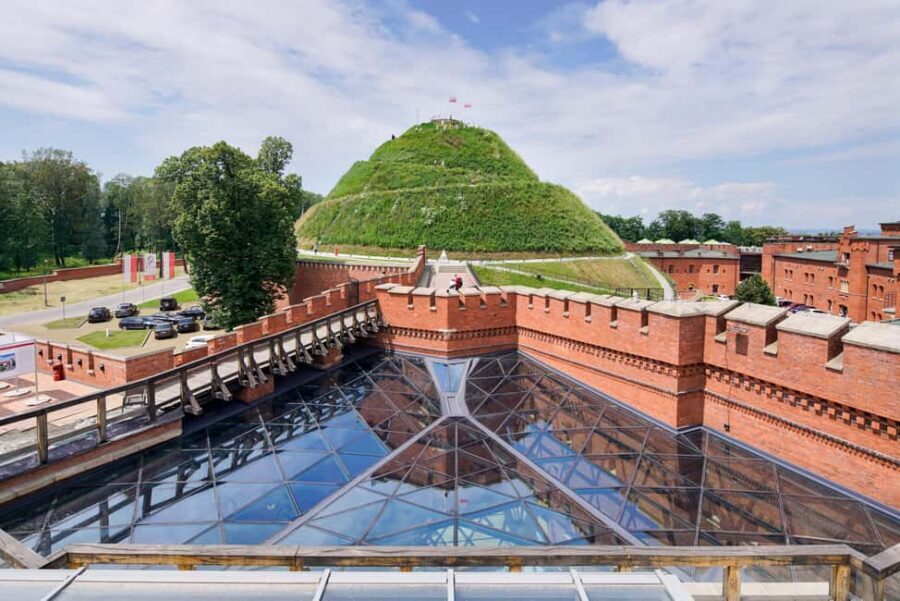
Kościuszko Mound sits up above Kraków, and the best way to enjoy it is to treat the whole visit like an orientation tool. From the top, you can piece together where the Old Town sits and where Wawel rises. The view is the kind that helps everything else in the city click into place.
What you can look for is specific. You’ll want to search for Sukiennice (the big Cloth Hall area), St. Mary’s Church, and Wawel. If it’s clear and visibility is good, the Tatras may appear far off in the distance. That doesn’t happen every day, but it’s a real reason to time your visit for decent weather.
The climb itself is usually manageable for many people, but don’t treat it like an elevator-and-done situation. The site involves an uphill walk and steps, and it’s not a great match for visitors who can’t handle a climb. If you’re bringing anyone with mobility challenges, I’d be cautious and plan an alternative that’s truly step-free.
Practical tip: wear shoes that can handle a real outdoor surface. You’ll be glad you did once you’re halfway up, especially if the ground is damp or uneven.
A few more Krakow tours and experiences worth a look


Why a mound for Tadeusz Kościuszko (and not a statue)
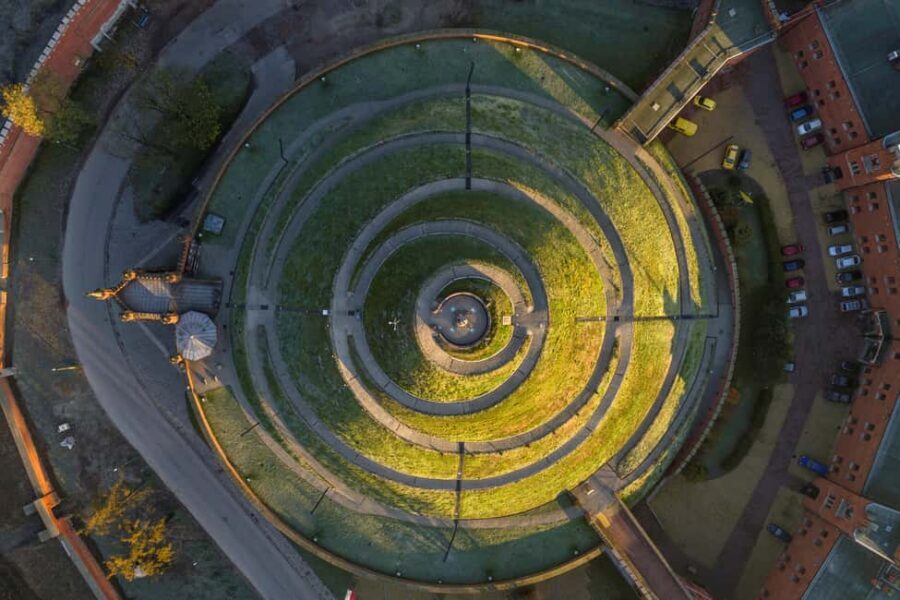
This ticket shines when you’re ready to connect what you see on the hill with what the exhibitions explain. The Kościuszko-centered display is about Tadeusz Kościuszko and his role in Polish history, and the big takeaway is how unique this memorial is.
Instead of a standard monument, Krakówians built a large mound in his honor. That choice matters. A mound is something you climb, something you experience with your body, not just something you pass by with your eyes. It turns remembrance into a daily-life action—people visit, walk up, and look out over the city tied to his legacy.
You’ll also pick up a more rounded view of Kościuszko’s importance. The site presents him as a national hero, and the themes connect Polish history to a broader story many visitors already know in parts (especially if you’ve encountered his name in relation to the United States). The result is a museum stop that feels less like a random detour and more like a clear reason the mound exists.
If you like history that has a physical setting—meaning, history you can look at while it happens in front of you—this section lands well.
Inside the post-Austrian fort buildings: what the exhibitions add
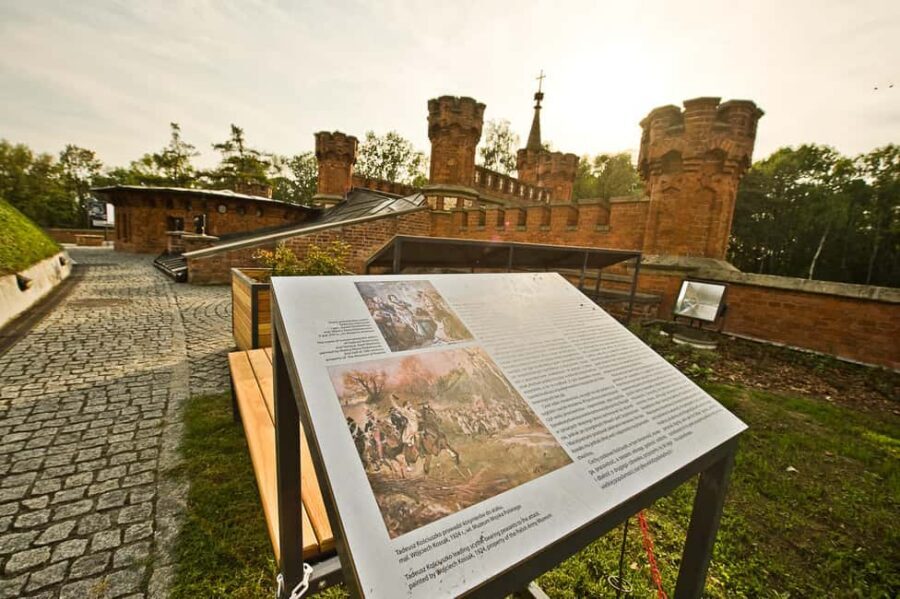
After the climb, the experience shifts from outdoors to indoor storytelling. One of the smartest things about this ticket is that you’re not just walking through a souvenir museum. The exhibitions are in the buildings of a post-Austrian fort complex, and that setting changes how the story feels.
These fort structures are 19th-century in character, and they give you a military backdrop for what comes next. The exhibition on the Fortress and the city of Krakow 1846–1918 is where you start seeing how Kraków evolved under the pressures and realities of that era. You’re not just learning dates—you’re learning how a city prepares, defends, and changes.
Then there’s another exhibition called Wax Figures: Polish Road to Freedom. If you enjoy museum displays that help you visualize a timeline, this portion can be a useful break from reading-heavy rooms. Wax figures can also feel a little dramatic in a good way. They bring scenes to life in a format that’s easy to scan, even if you don’t plan to spend hours studying every label.
Now, a fair caution: one part of the experience you can’t control is how much you personally enjoy museum interpretation. If your ideal museum is interactive, modern, and game-like, you may find some sections calmer and more traditional than expected. Still, when you pair the exhibits with the view from the top, the whole day becomes more satisfying.
St. Bronisława’s and Columbarium church stops: small moments with a different tone
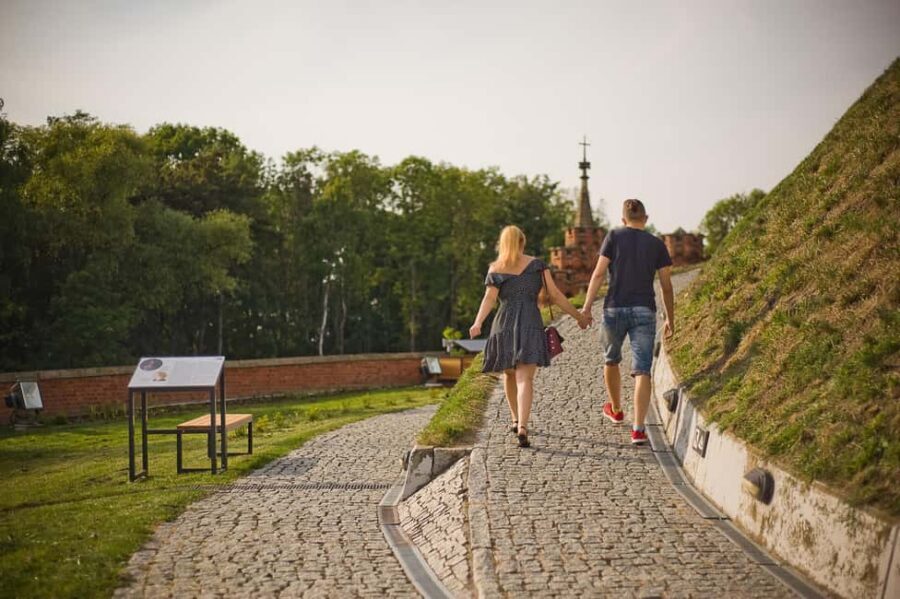
Not every hilltop ticket includes a church element, and that’s part of what makes this one feel more like a real slice of Kraków than a single-idea attraction. Your ticket includes the St. Bronisława’s and Columbarium’s parish church visit alongside the fort and museum areas.
Church spaces offer a different kind of reflection than fort history. Even if you only spend a short time inside, it helps break the day into chapters: panorama, then history, then a calmer spiritual or architectural stop. It’s also a good way to adjust your pace if you’re tired from climbing.
Since this is included, you don’t have to decide in advance whether it’s worth it. You can simply step in, take what you want from it, and move on when you’re ready.
The best way to structure your visit in real time
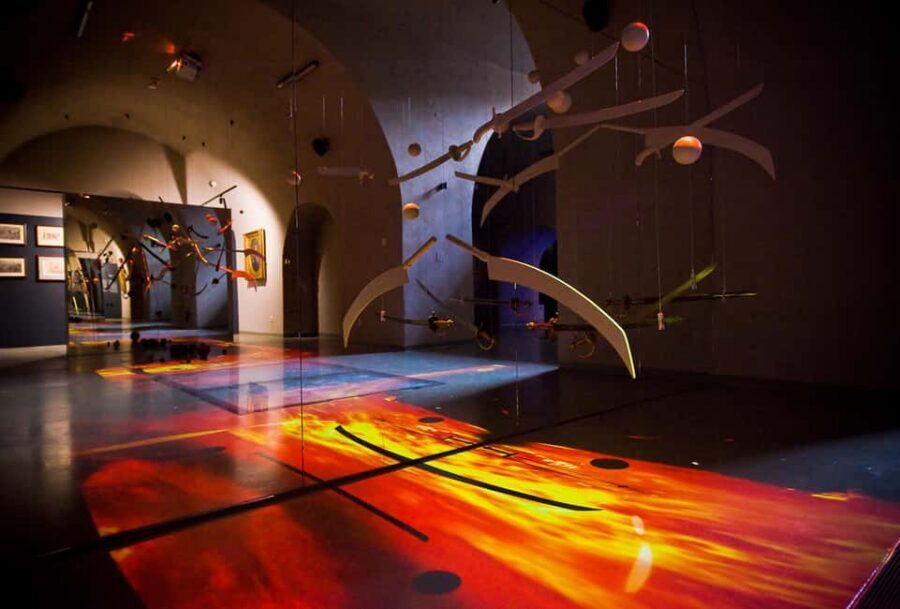
You’re looking at a 1-day experience, and the ticket is valid for a single day with starting times. That means you’ll do best by choosing a time that matches your energy level. If you go early, you can often enjoy the mound more comfortably before the busiest waves. If you go later, you’ll still have the same core sights, but you may find it more tiring to climb in crowds.
Here’s a simple flow that works for most people:
- Start with the Kościuszko Mound climb so you can enjoy the view without feeling rushed.
- Take your time spotting landmarks like Sukiennice, St. Mary’s Church, and Wawel.
- Move into the exhibitions housed in the fort buildings, beginning with Kościuszko-focused material and then the Fortress and city 1846–1918 timeline.
- Add the Wax Figures exhibition when you want something more visual and quickly digestible.
- Finish with the church stop so the day ends on a quieter note.
If the day is cloudy, don’t abandon hope. The mound is still worth it even without distant mountain views. But if clear skies are in the forecast, you’re paying for the chance to see the Tatras.
You can also read our reviews of more museum experiences in Krakow


Price and value: when $10 makes sense (and when it won’t)
At about $10 per person, this ticket is priced as a bargain for what you get. You’re paying for three things at once:
- the view experience from the mound
- access to multiple exhibitions (permanent and temporary)
- church inclusion within the overall site visit
That bundled approach usually means better value than buying separate tickets for panorama + museum stops. It also makes the day flexible. Even if you’re not in the mood for heavy reading, the view and wax figures can carry the visit.
Still, I’ll give you the honest yardstick: if you only care about views, you may feel the museum portions are extra. If you only care about museums, you might feel the mound is the main event and the rest is supportive. But if you like a “one ticket, several chapters” format, this works.
One more real-world detail: it’s not only about the price tag. You’ll get the best value if you show up wearing comfortable shoes, and if you’re willing to spend a couple hours actually moving through the site instead of treating it like a photo stop and a sprint.
Comfort, timing, and what to bring for a smooth visit
This isn’t an all-day spa day. It’s an outdoors climb plus exhibitions, so plan accordingly.
Bring:
- comfortable shoes (for outdoor steps and uneven ground)
- a camera (because the panoramic views are the payoff)
Plan your time:
- The ticket is valid for 1 day, and you’ll want to check starting times so you don’t end up waiting around.
- Since transportation isn’t included, figure out how you’ll get there ahead of time. Once you’re at the site, the ticket itself covers admission and the listed exhibitions.
Weather matters, but not in a deal-breaking way. Cloud cover can reduce the wow factor of distant peaks. Even so, Kraków’s landmarks are still there, and the city layout still reads well from the mound.
Final verdict: should you book the Kościuszko Mound ticket?
I’d book this if you want a Kraków experience that goes beyond Old Town streets. The view is the headline: you’ll see major landmarks like Sukiennice, St. Mary’s Church, and Wawel, and on clear days you may even catch the Tatras. Then the exhibitions and fort setting add a grounded historical story that turns the climb into something more meaningful than exercise.
I’d skip or reconsider if you need step-free access or if you’re mainly after an ultra-modern, interactive museum experience. In that case, the climb demands more from your body, and some exhibition formats may feel more traditional than you like.
For many visitors, though, this ticket is a smart use of half to a full day: one stop, big city views, and enough history to make the view feel earned.
FAQ
FAQ
How much is the Kościuszko Mound entry ticket?
The price listed is about $10 per person.
How long should I plan for the visit?
The duration is listed as 1 day.
What’s included with the ticket?
You get entrance to the Kościuszko Mound plus admission to all permanent and temporary exhibitions, the Fortress and the city of Krakow 1846–1918 exhibition, the St. Bronisława’s and Columbarium’s parish church, and the Wax Figures Polish Road to Freedom.
What do I get to see from the top of the mound?
You can take in panoramic views of Kraków, including landmarks such as Sukiennice, St. Mary’s Church, and Wawel. On clear days you might also see the Tatras.
Is transportation included?
No. Transportation is not included in the ticket.
Do I need to wait in a ticket line?
The ticket includes skip-the-line entry.
What should I bring?
Bring comfortable shoes and a camera.
When can I visit?
The ticket is valid for 1 day, and you should check availability to see starting times.
What if my plans change?
Free cancellation is offered up to 24 hours in advance for a full refund.
Is there anything to consider about accessibility?
One provided review notes the mound climb is not for handicapped visitors, so if you need step-free access, plan carefully.