REVIEW · KRAKOW
Krakow: Kazimierz, Schindler’s Factory & Ghetto with Guide
Book on GetYourGuide →Operated by CRACOW LOCAL TOURS · Bookable on GetYourGuide
History hits close in Krakow. This 5-hour walking tour threads Jewish life in Kazimierz, the Holocaust story, and the former ghetto into one clear route, starting outside the Old Synagogue. I like how the focus on Kazimierz helps you read the neighborhood like a living place, not just a postcard.
Second, I love the emotional clarity of the Oskar Schindler’s Enamel Factory stop, where the guide explains what Schindler did and why it mattered. One possible drawback: the material is intense, and the tour isn’t suitable for wheelchair users, so it’s best if you’re comfortable on foot for the full route.
In This Review
- Key things to know before you go
- Kazimierz on foot: starting outside the Old Synagogue
- Reading Jewish Krakow through the streets of a changing district
- Schindler’s Enamel Factory: why this museum stop carries the weight
- The former ghetto route: wall sections, Under the Eagle, and 68 Chairs
- Your guide matters: names you can look out for
- Time on the ground: the route is short, but not light
- Price and value: what you’re paying for at $81
- Meeting point and languages: how to find the group fast
- Should you book this Krakow Kazimierz + Schindler’s Factory + Ghetto tour?
- FAQ
- Where is the meeting point for the tour?
- How long is the tour, and are start times fixed?
- Does the tour include tickets to Schindler’s Enamel Factory?
- What languages are available for the live guide?
- What should I bring or prepare for Schindler’s Factory entry?
- Is the tour wheelchair accessible?
Key things to know before you go
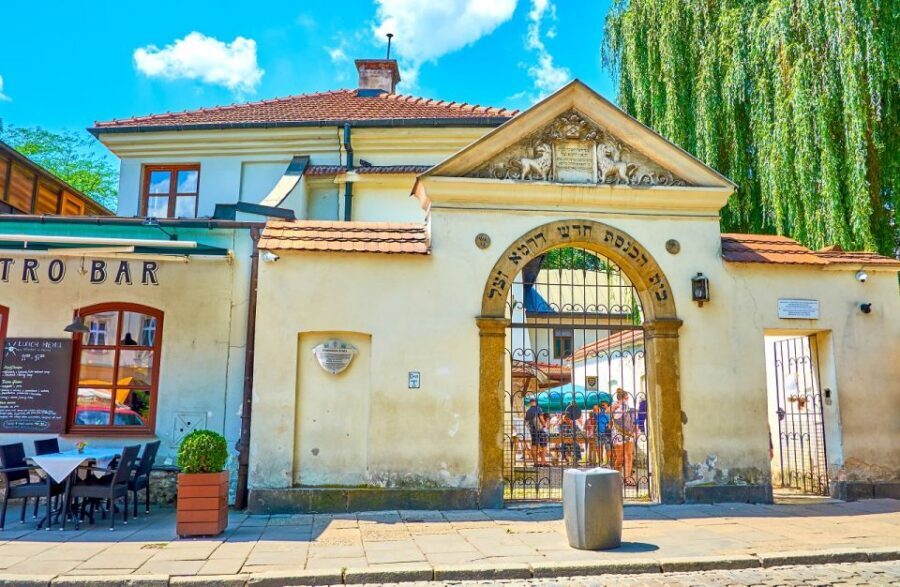
- Meeting outside the Old Synagogue: Your guide starts you in Kazimierz with the right historical context from the first minutes.
- Skip-the-line at Schindler’s Enamel Factory: Less waiting means more time learning.
- Former ghetto route with real landmarks: You’ll see an undestroyed wall section, the Under the Eagle pharmacy site, and the 68 Chairs monument.
- A live local guide (multiple languages): Tours run in Spanish, Italian, French, English, and German.
- Three rest stops included: Plan comfort breaks into the flow of the day.
Kazimierz on foot: starting outside the Old Synagogue
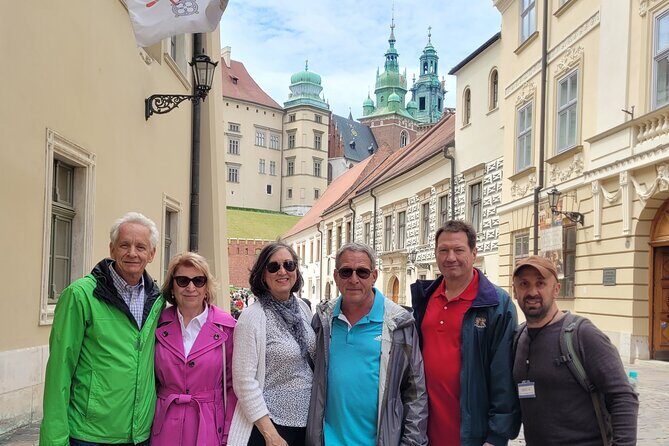
Kazimierz is Krakow’s older Jewish district, and starting outside the Old Synagogue sets the tone fast. You’re not just walking through trendy streets and cafés. You’re walking through layers—centuries of community life, then the abrupt violence of WWII, then the long effort to remember.
What I like about this start is the way it changes your eyes. Instead of seeing a neighborhood as a set of buildings, you start seeing a story: where people lived, how the community shaped local culture, and how the city’s geography influenced what happened later. Your guide connects those dots as you move, so you don’t end up with a pile of facts floating in your head.
Also, this tour is built for a full arc: you begin in Kazimierz, then move to Schindler’s factory, and finally reach the former ghetto area. That sequence matters. It keeps the experience from feeling like three separate visits.
You can also read our reviews of more guided tours in Krakow

Reading Jewish Krakow through the streets of a changing district
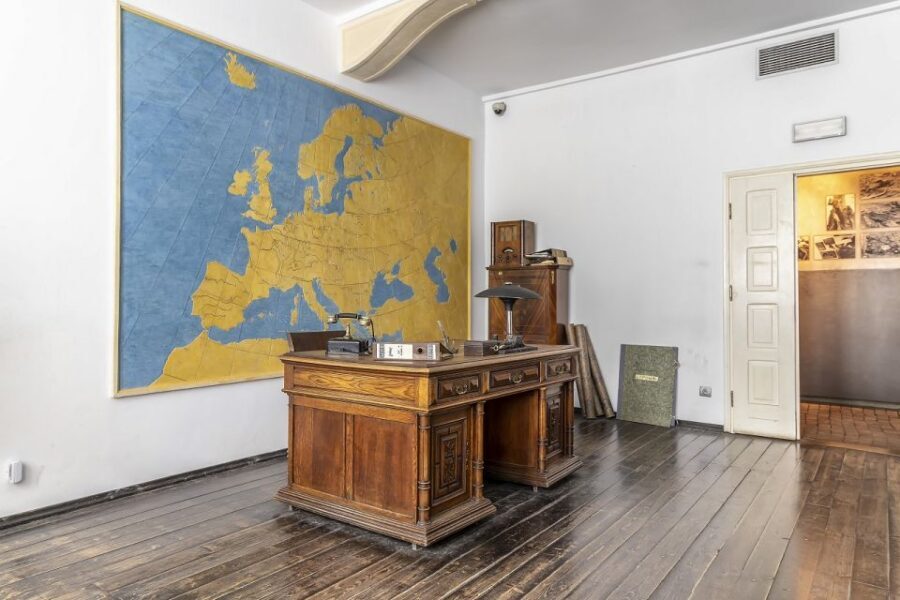
Kazimierz today mixes old stone and new energy. That’s part of the challenge on your own—you might notice the charm, but miss why the place mattered. With a guide, the streets become a map of history.
As you walk, you get a human-scale view of how Jewish residents shaped Krakow over time. It’s not just dates and names. The guide helps you understand what life looked like before the Nazis took control, which is crucial for making the later sites hit harder (in the right way).
I also appreciate that the tour keeps pointing back to local identity. When a guide explains how a district formed, survived, and was ultimately shattered, you stop treating it like a chapter in a textbook. You start treating it like a real community—one that had neighbors, routines, businesses, and culture.
Schindler’s Enamel Factory: why this museum stop carries the weight
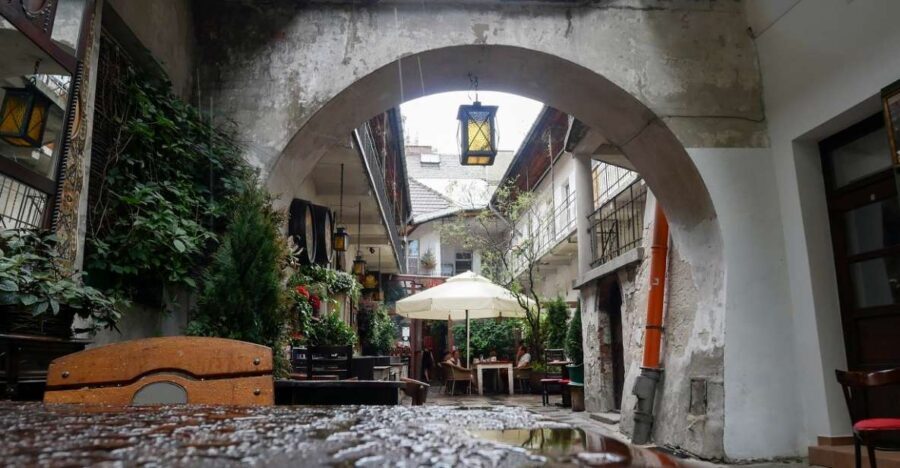
Then comes the turning point. Oskar Schindler’s Enamel Factory is where the story sharpens. The tour includes skip-the-line tickets, which is a genuine practical win. When you’re dealing with a heavy theme, you don’t want to waste time stuck in queues while your emotional energy starts to fray.
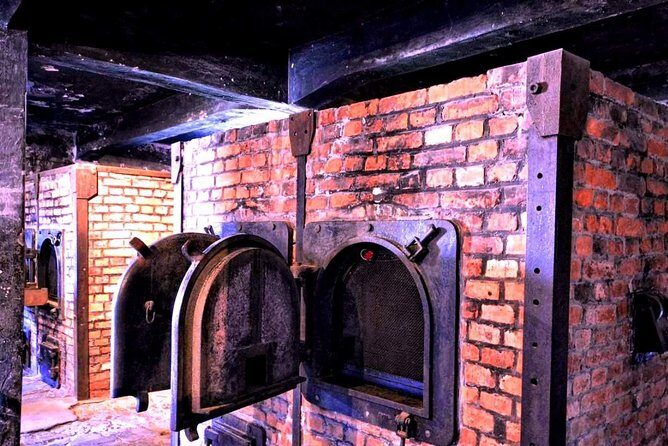
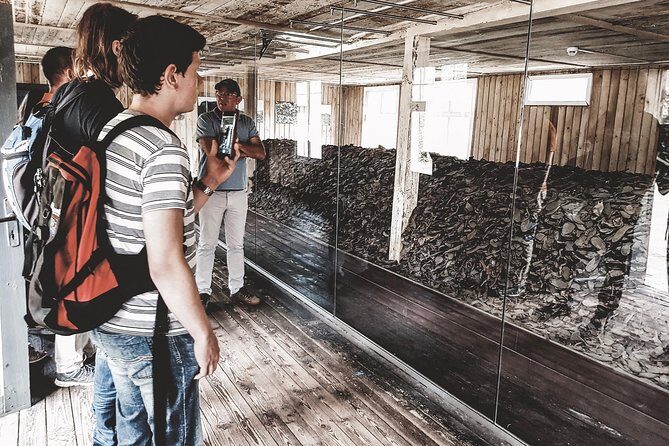
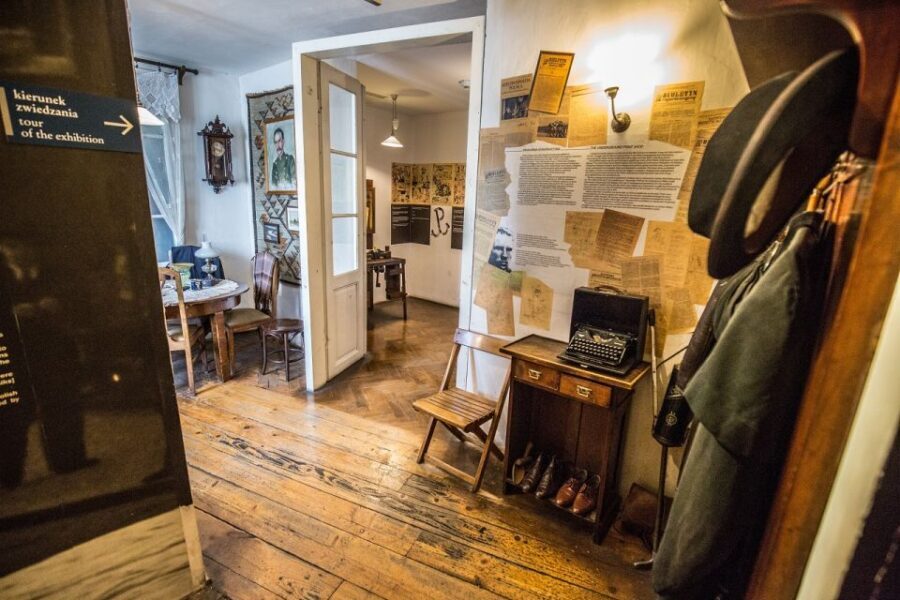
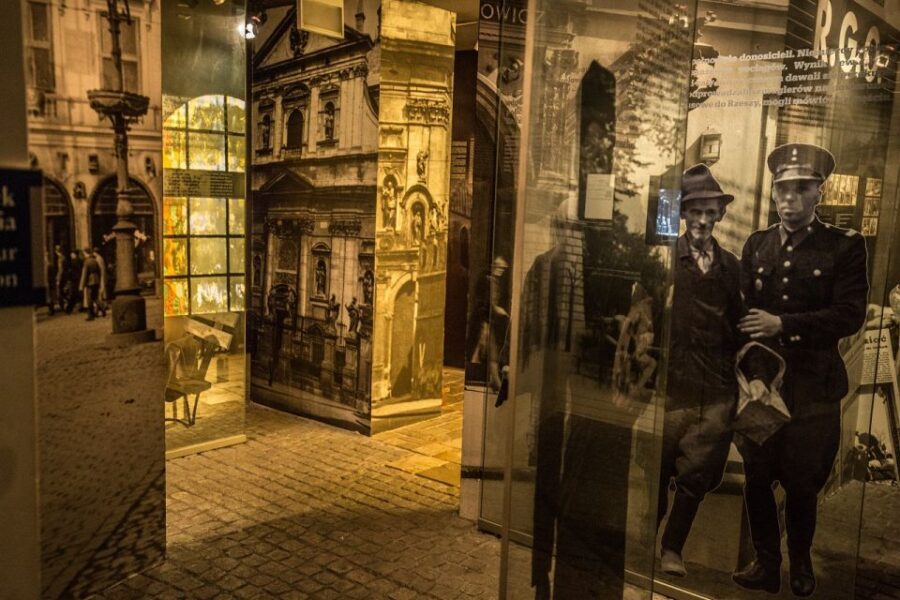
At the museum, you learn about the Holocaust and about Oskar Schindler’s efforts to help save Jewish people from Nazi concentration camps. This part of the tour is structured to make the enormity of what happened impossible to ignore. The guide doesn’t just tell you that tragedy occurred; they explain the scale and the human stakes behind it.
One reason I think this stop is so valuable is that it gives you a clear contrast: a city location that could have been only a site of suffering becomes also a place where you can understand how individuals acted—what choices were made, and what survival depended on. It doesn’t water anything down. It makes the story more complete.
If you go in expecting silence and shock, you’ll be close. If you go in expecting an organized explanation, you’ll also be satisfied—because the tour’s whole point is to help you process what you’re seeing.
The former ghetto route: wall sections, Under the Eagle, and 68 Chairs
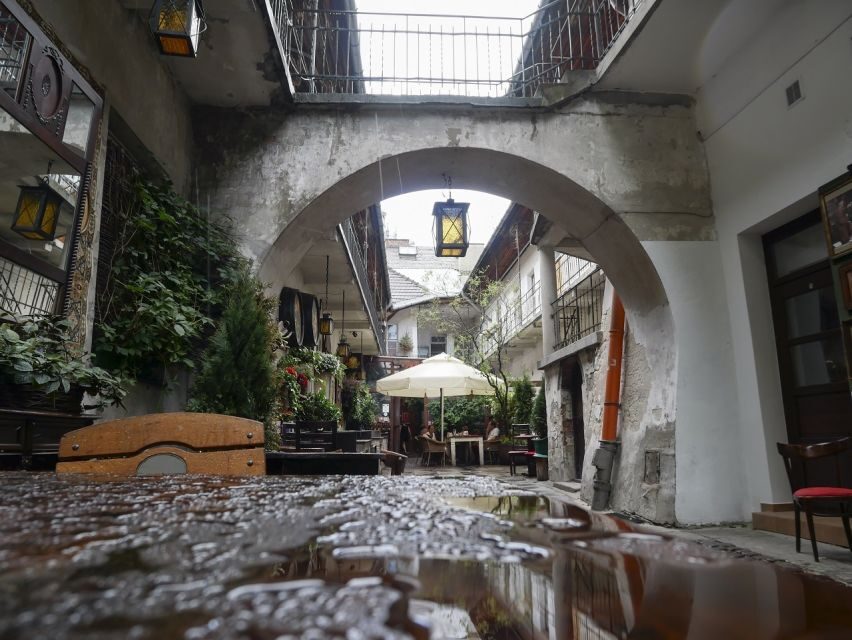
After Schindler’s story, the tour moves to the former Jewish ghetto—where many Jews were forced to live during the Nazi occupation of Poland. This is the section that turns facts into place.
You’ll see:
- part of an undestroyed wall around the ghetto, which makes the boundaries feel physical
- houses where thousands of displaced Jews used to live
- the pharmacy site known as Under the Eagle
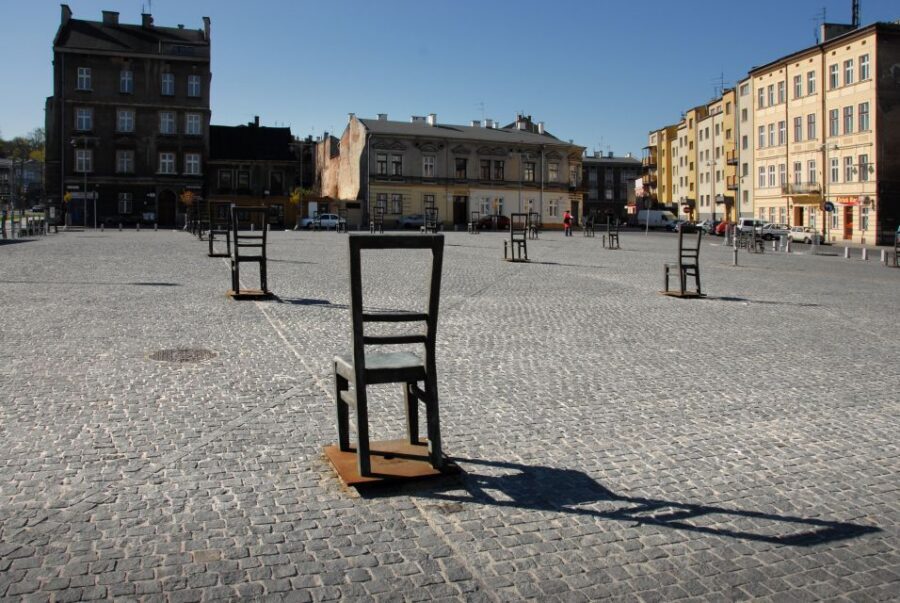
- the monument of 68 chairs in Heroes’ Square
These stops work because they show you different kinds of memory. The wall and housing remind you how confinement was built into daily life. The Under the Eagle pharmacy site is a stark reminder of how even basic needs existed inside a system of persecution. And the 68 Chairs monument gives you a way to grasp scale through a visual language.
There’s also a quiet logic to ending here. Kazimierz starts with a sense of community; Schindler brings the Holocaust into sharper focus; the ghetto landmarks explain what the occupation did at street level. When the tour flows this way, you finish with a stronger understanding of cause and consequence.
Your guide matters: names you can look out for
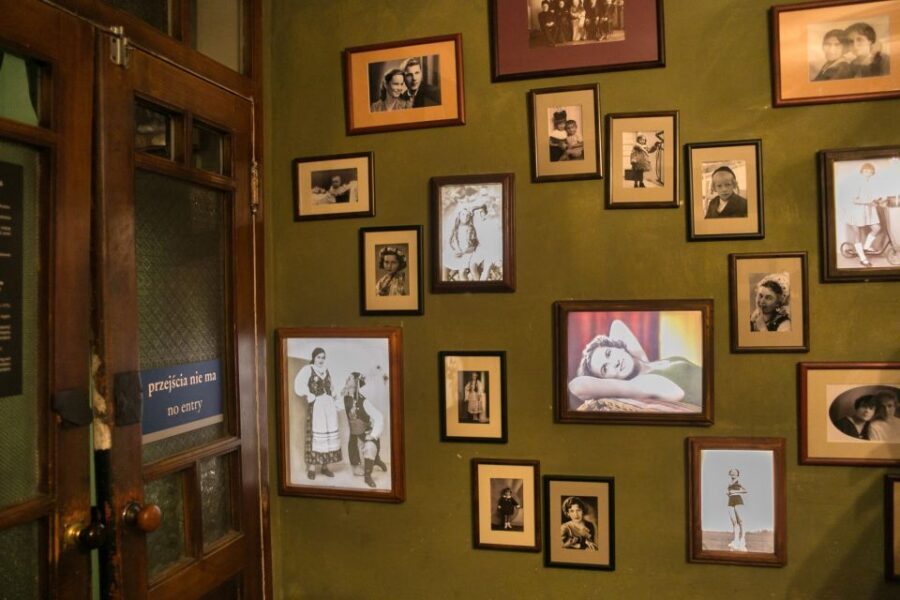
A tour like this lives or dies by the guide’s tone. The guides associated with this experience have a reputation for bringing both culture and empathy to the material, not just reciting history.
I kept seeing names like Chiara, Margot, Emil, and Annetta show up with praise for teaching in a way that makes the past feel present. One guide, Emil, also handled bad weather by finding cover when it rained—small detail, but it tells you the group isn’t just herded around.
That balance—information plus feeling—is exactly what you want here. You’re not visiting comfortable, decorative history. You’re learning about a tragedy. When the guide can explain without turning the experience into a lecture, you leave with understanding instead of numbness.


Time on the ground: the route is short, but not light
The duration is 5 hours, with three rest stops built into the experience. For most people, that’s a good compromise: enough time to cover the key sites in a meaningful way, without turning the day into an all-day grind.
Still, wear comfortable shoes. The tour is essentially a walk-through narrative, and your body has to keep up while your mind is processing heavy themes. If you’re the type who needs frequent breaks, use the included stops and don’t try to “power through” the uncomfortable parts.
Also note this: times can be approximate, and from January 1, 2026, scheduling may change based on the museum’s session timing. That’s not a problem—just know that your day may flex by a bit around Schindler’s entry.
One more important detail for later travel planning: the tour isn’t suitable for wheelchair users, so plan an alternative route or a different format if mobility is an issue.
Price and value: what you’re paying for at $81
At $81 per person, the big value isn’t just the walking route—it’s the combination of licensed guide + skip-the-line museum access.
Skip-the-line matters because Schindler’s Enamel Factory is a high-demand site. Waiting can eat into the time you really want: guided context, orderly entry, and uninterrupted learning. Paying for that convenience is often worth it when the theme is intense and you want a smooth flow.
You’re also buying interpretation, not just admission. The guide’s job is to connect Kazimierz, Schindler’s story, and the ghetto landmarks into a single, understandable WWII timeline. That’s hard to recreate on your own unless you already know the city’s details and have the time to line everything up.
Food isn’t included, so plan on grabbing something before or after. The tour is a history focus, not a full-day meal plan, and you’ll likely want food that fits your own pace.
Meeting point and languages: how to find the group fast
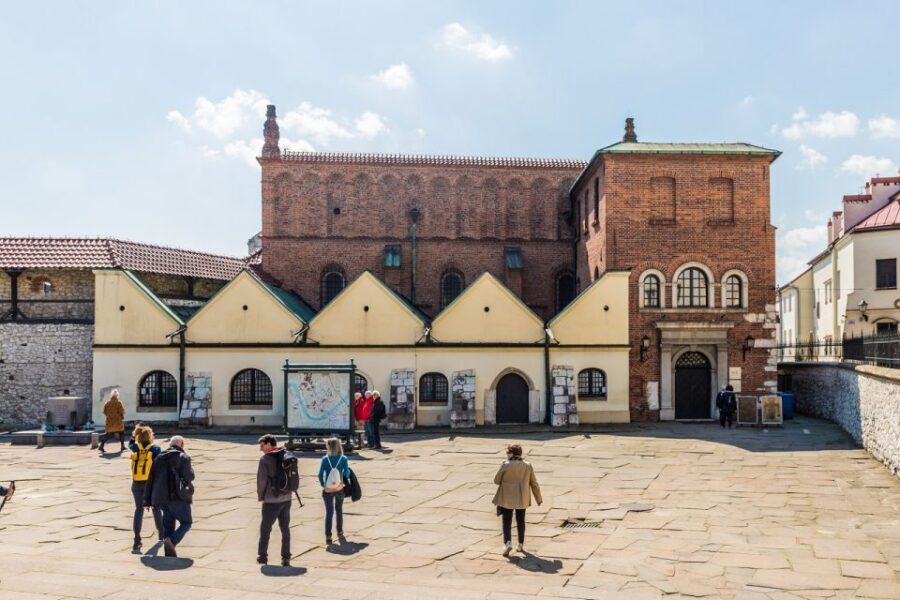
Meet outside the Old Synagogue in Kazimierz. Look for a representative with an Excursion city sign. That simple “look for the sign” approach saves stress, especially if you arrive a little early and want to regroup.
Languages are Spanish, Italian, French, English, and German. If you’re choosing based on comfort, pick the language you can truly think in. For a story this heavy, that clarity helps you follow the nuance.
Should you book this Krakow Kazimierz + Schindler’s Factory + Ghetto tour?
I’d book this if you want one guided route that gives you context for where things happened, not just what happened. It’s ideal if you’re visiting Krakow for a limited time and want the core Jewish history sites in a structured order.
I’d also book it if you value a strong guide-led explanation—because names like Chiara, Margot, Emil, and Annetta keep showing up as highlights for empathy, culture, and clarity. If you’re sensitive to weather, the experience also seems practiced at keeping the group comfortable when conditions turn.
Two reasons you might hesitate: first, the subject matter is heavy, so make sure you’re ready for an emotionally serious tour. Second, it’s not suitable for wheelchair users, so consider accessibility needs before committing.
If you want a clear, guided understanding of Kazimierz, Schindler’s story, and the former ghetto area in one go, this is a strong use of your time in Krakow.
FAQ
Where is the meeting point for the tour?
You meet outside the Old Synagogue in the Kazimierz district. Look for a representative with an Excursion city sign.
How long is the tour, and are start times fixed?
The duration is 5 hours. Start times can vary, and times are approximate, especially since museum scheduling can affect exact timing.
Does the tour include tickets to Schindler’s Enamel Factory?
Yes. The experience includes skip-the-line tickets to Oskar Schindler Enamel Factory.
What languages are available for the live guide?
The live tour guide is offered in Spanish, Italian, French, English, and German.
What should I bring or prepare for Schindler’s Factory entry?
From January 1, 2026, you must provide the full names of all participants when reserving and bring a passport or ID for entry to Schindler’s Factory Museum, or entry may be denied.
Is the tour wheelchair accessible?
No. The tour is not suitable for wheelchair users.