REVIEW · KRAKOW
Krakow: Kazimierz District Jewish Heritage Tour
Book on GetYourGuide →Operated by Your City Guides · Bookable on GetYourGuide
Krakow’s Kazimierz tells a story you feel. This Jewish heritage tour brings you right into the streets of the former Jewish district, with standout explanations about daily life, traditions, and the long arc from destruction to renewal. I especially liked the guide’s serious, detail-rich storytelling and the way the route mixes places of prayer with public squares where history happened.
One thing to keep in mind: you don’t enter every major site along the way, and with only 2 hours, the pacing may feel like a trade-off between depth and coverage for some visitors.
In This Review
- Key points at a glance
- Kazimierz in two hours: what you’ll actually see
- Starting at the Old Synagogue: where the story begins
- Szeroka Street walk: reading Kazimierz like a neighborhood
- Remuh Synagogue: a prayer space that changes the tone
- Plac Nowy and Corpus Christi Basilica: co-existence in plain sight
- Ghetto Heroes Square to Plac Bohaterów Getta 6: ending with grounding
- Price and ticket value: is $67 worth it?
- What kind of guide you’ll want on this tour
- Who this tour fits best (and who should plan extra time)
- Practical tips so the two hours feel easier
- Should you book the Kazimierz Jewish Heritage Tour?
Key points at a glance
- Old Synagogue start: You begin with context before you step into Kazimierz streets
- Szeroka Street walk: A simple stroll that helps you read the neighborhood like a map
- Remuh Synagogue visit: A real prayer-space stop that changes how you understand the past
- Plac Nowy + Corpus Christi Basilica: You see how two communities shaped shared space
- Ghetto Heroes Square: A sober final note that anchors the story in what happened
Kazimierz in two hours: what you’ll actually see
If you want a shortcut to understanding Krakow’s Jewish past and present, Kazimierz is the right place to start. This tour takes you through the heart of the district where medieval Jewish life once centered, and where the neighborhood still feels like itself today—studenty, lively, and full of everyday texture.
The tour’s emotional goal is clear: the Holocaust nearly erased the world that existed here, but it didn’t erase everything. You’ll leave with a mix of sadness and respect, but also a sense of continuity—because the community and culture didn’t vanish forever.
The route is compact. In two hours you’ll walk a good chunk of Kazimierz and stop at key points with guided interpretation, which is ideal if you want something focused rather than a full-day history project.
You can also read our reviews of more historical tours in Krakow


Starting at the Old Synagogue: where the story begins
You meet in front of the Old Synagogue, and that matters more than it sounds. Starting there gives you a frame for what you’re about to see: Jewish life in Kazimierz wasn’t just one landmark. It was a network—homes, schools, religious spaces, and public squares—woven tightly into the neighborhood.
The Old Synagogue itself is the first guided stop, so you’re not left guessing why this building is important. Expect context that connects architecture and tradition to real people, including the traditions of Krakow’s Jews and the broader idea of Jewish life in medieval Europe that survived here longer than in most places.
What I like about beginning here is that it prevents the tour from feeling like a checklist. The guide sets up the difficult questions early, then you watch those themes play out as you walk.
Szeroka Street walk: reading Kazimierz like a neighborhood
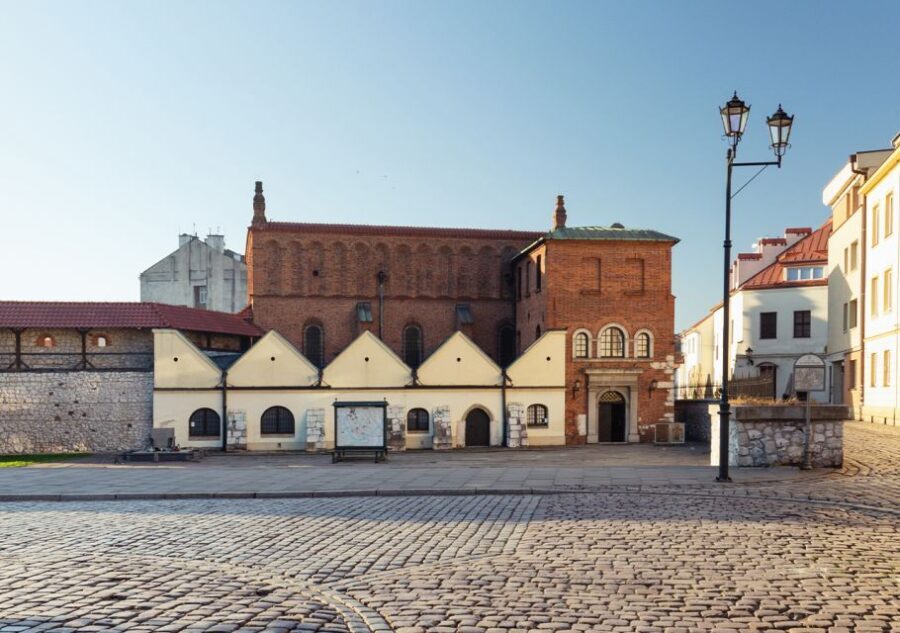
After you get oriented, you head to Szeroka Street for a walk through the heart of Kazimierz. This part is where the tour starts to feel less like a museum circuit and more like a real neighborhood experience.
Szeroka Street is the kind of street where your eyes do the learning. Even without stopping constantly, you start noticing how the area holds religious sites, historical reminders, and everyday life in the same view. That’s exactly what the tour tries to communicate: you’re seeing an old place that still functions as a lived-in community.
This is also where you’ll appreciate why comfortable shoes matter. Even though the tour duration is only two hours, it’s still a walking experience on city sidewalks, and you’ll want your feet to cooperate.
Remuh Synagogue: a prayer space that changes the tone
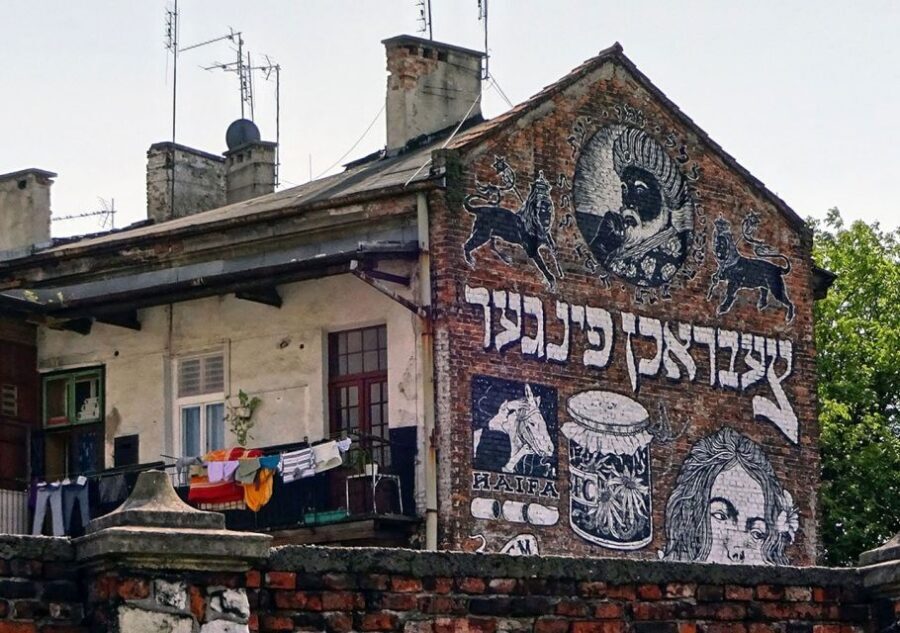
One of the standout stops is Remuh Synagogue. This isn’t just another exterior photo moment. The tour includes a visit and guided time here, which gives the stop weight.
Synagogues affect how you interpret everything else on the route. When you’re standing in a religious space, the history stops being abstract. The customs and traditions the guide talked about earlier suddenly become more concrete—less like facts, more like a lived rhythm that shaped community life.
Practical note: the activity says a synagogue ticket is included, and the itinerary features Remuh as a visit. Still, there’s one caution to respect. One guest reported that the Remuh ticket coverage wasn’t clear on their day, so it’s smart to confirm what’s included for your specific session before you arrive at the synagogue doors.
Plac Nowy and Corpus Christi Basilica: co-existence in plain sight
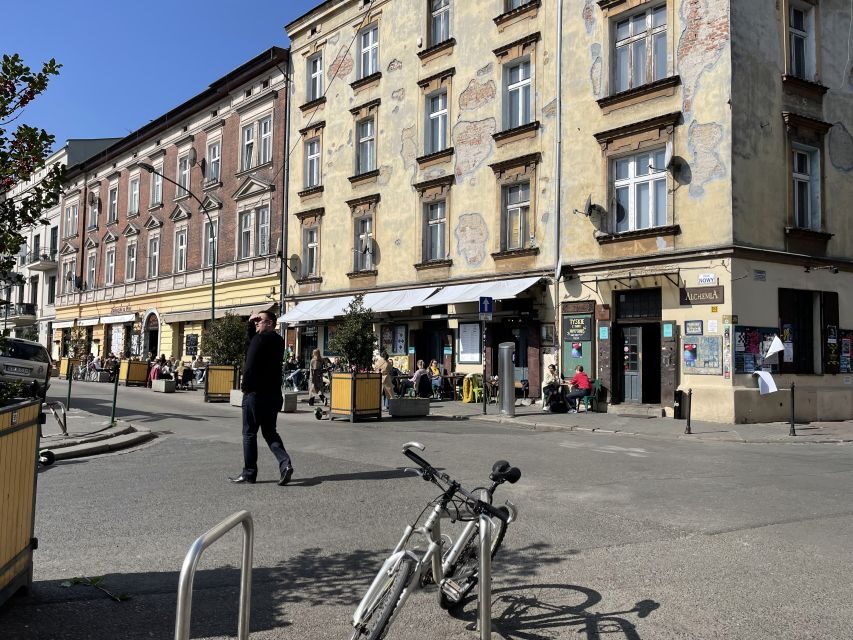
Next you reach Plac Nowy, a key square in Kazimierz. Squares like this are where stories become visible. If you want to understand how communities shared space—sometimes peacefully, sometimes with tension—public places are where that shows up fastest.
From there, the tour continues to Corpus Christi Basilica, another guided stop. The name alone hints at the Christian side of the story, and that’s the point: Kazimierz wasn’t only Jewish. The guide uses stops like this to talk about the history of co-existence between two cultures and religions.
This section is valuable because it prevents a one-note narrative. Instead of treating Jewish life as something that happened in isolation, you get a more realistic picture of what shared geography meant on the ground—who lived near whom, and how different traditions interacted over time.


Ghetto Heroes Square to Plac Bohaterów Getta 6: ending with grounding
The final emotional anchor is Ghetto Heroes Square. This is where the tour shifts from neighborhood context to historical reality. The Holocaust nearly destroyed the rich culture of Polish Jews, and this area is part of how Krakow keeps that memory present.
You’ll also finish at Plac Bohaterów Getta 6, so the end point isn’t random. It’s a deliberate wrap-up that connects the walk you just did with the people and events that shaped this district’s fate.
If you’re the type who needs time to process heavy history, plan for it. The last stretch isn’t about cramming in extra facts—it’s about letting the story land.
Price and ticket value: is $67 worth it?
At $67 per person for a 2-hour guided tour, you’re paying for a guide plus a synagogue ticket. For many visitors, that pricing feels fair because you get both interpretation and access, rather than just walking around on your own.
Here’s how I think about the value:
- If you’re even slightly curious about Jewish life, the guide’s role is worth real money. People who understand history tend to notice patterns fast, and that’s the difference between visiting places and understanding them.
- Ticketed access is a bonus. A guided synagogue visit is harder to arrange solo, especially if you want explanations in context.
- Two hours is short enough to fit into a busy Krakow schedule, but long enough to feel like more than a quick stop.
The one value risk isn’t the price—it’s coverage. Since the tour doesn’t necessarily include every important site inside Kazimierz, you may want to add a bit of independent exploring afterward if you want extra stops.
What kind of guide you’ll want on this tour
This tour lives or dies on communication. The strongest sessions are the ones where the guide can answer questions without turning the tour into a lecture.
In particular, you’ll likely appreciate guides who explain the subject with energy and with a level of detail that goes beyond the big headlines. From the pattern of guide styles connected to this experience, the best tours keep things dynamic and responsive—like when you ask how traditions worked, not just what they were.
That said, there’s also a caution for pacing. One guest felt there wasn’t enough covered in the neighborhood for the time spent, and another noted confusion about the Remuh ticket inclusion. So, if you care a lot about visiting every notable location, consider pairing this with independent time.
Who this tour fits best (and who should plan extra time)
This tour is a smart match if you:
- Want a guided overview of Jewish heritage in Kazimierz without needing to study beforehand
- Appreciate co-existence history, not just one-sided tragedy lessons
- Like asking questions, because the format is set up for dialogue with the guide
It may be less perfect if you:
- Want maximum building-by-building coverage in only two hours
- Prefer a lighter tone and shorter stops
- Need clarity on exactly which synagogue-related tickets apply on the day you go
If you fall into the second group, don’t skip Kazimierz entirely. Just plan a little extra time after the tour for self-guided wandering—especially around squares and streets the guide points out as you go.
Practical tips so the two hours feel easier
Kazimierz is a real neighborhood, so treat the tour like a walk plus stops—not a bus ride. Bring comfortable shoes, and dress for weather because it runs rain or shine.
Also, consider bringing questions. The tour encourages difficult, thoughtful questions, and your best experience will come from using that space to ask for clarity—especially around daily customs and how communities lived side-by-side.
Finally, if synagogue entry is a priority, arrive ready to ask one simple question at the start: what’s included for the Remuh stop that day. That quick check can prevent confusion later.
Should you book the Kazimierz Jewish Heritage Tour?
If you want an honest, guided introduction to Krakow’s Kazimierz—its Jewish identity, its Christian neighbors, and the brutal interruption of the Holocaust—this tour is a strong booking. The structure works well for first-timers who want context fast, and the guide-led explanations can turn unfamiliar streets into something meaningful.
I’d especially recommend it if you like history that stays connected to place. You’ll see how synagogues and squares tell the same story from different angles, and you’ll walk away with a clearer sense of why this district’s survival matters.
If you’re the type who hates feeling rushed or wants every single site visited, book it anyway—but plan extra time before or after so you can fill the gaps your preferences require.