REVIEW · KRAKOW
Kraków: Jewish Quarter & Schindler’s Factory Guided Tour
Book on GetYourGuide →Operated by Hello Cracow · Bookable on GetYourGuide
War history has a heavy gravity here. This guided visit pairs the Kazimierz Jewish Quarter walk with Schindler’s Enamel Factory Museum, plus skip-the-line admission so you spend more time inside and less time waiting. You’ll hear the story of Oskar Schindler and how his factory became refuge for more than a thousand Jewish workers.
What I especially like is how the tour treats this as more than a biography. You move through the exhibition Kraków under Nazi Occupation 1939–1945 with a licensed local guide, looking at artifacts, photos, and reconstructions that make the wartime pressure feel immediate. One consideration: the museum’s galleries are narrow and dimly lit, so the setting is intentionally intense and a bit tight.
In This Review
- Key highlights you’ll feel right away
- From the Old Synagogue Steps to Wartime Kraków
- Kazimierz Jewish Quarter walk: setting the human scene first
- Schindler’s Enamel Factory Museum: why this building matters
- Inside the exhibition: Kraków under Nazi Occupation 1939–1945
- Oskar Schindler’s story: refuge built inside a system of cruelty
- What the tour feels like (and what to bring)
- Language, group flow, and how to pick your time
- Price and value: what $69 buys you in Kraków
- Who should book this tour (and who might pause)
- Should you book this Kraków Jewish Quarter & Schindler’s Factory tour?
- FAQ
- Where do we meet for the tour?
- How long is the guided tour?
- What’s included with the price?
- Which languages are available?
- What does the museum focus on?
- Do I need to bring identification?
- What about late arrivals?
- Is the tour affected by weather?
Key highlights you’ll feel right away
- Skip-the-line admission to Schindler’s Factory so the day stays on schedule
- Licensed expert guide telling the story with context, not just names and dates
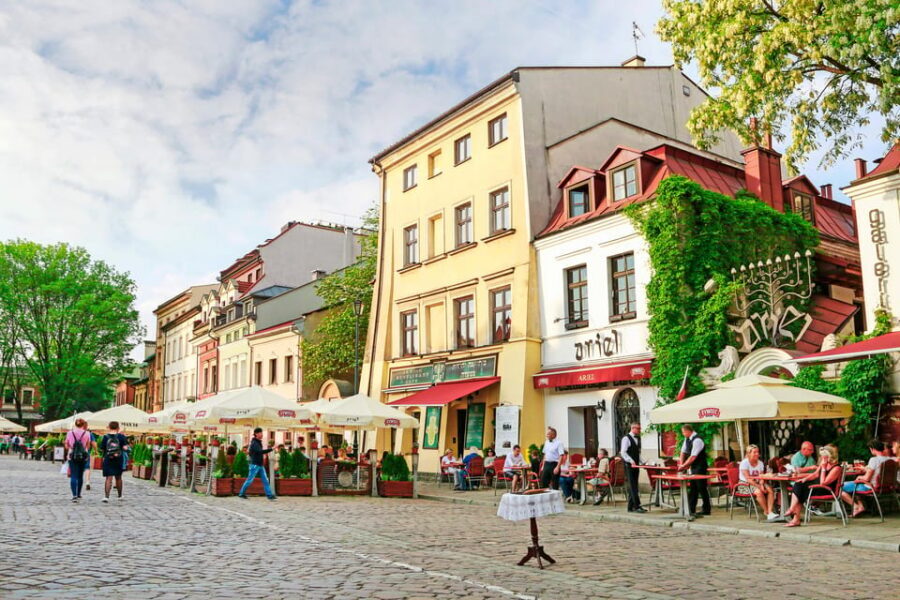
- Kazimierz Jewish Quarter walking tour that sets the human scene before the museum
- Exhibition on Kraków under Nazi Occupation 1939–1945 with authentic artifacts and reconstructions
- Oskar Schindler’s factory as wartime refuge for over a thousand Jewish workers
From the Old Synagogue Steps to Wartime Kraków
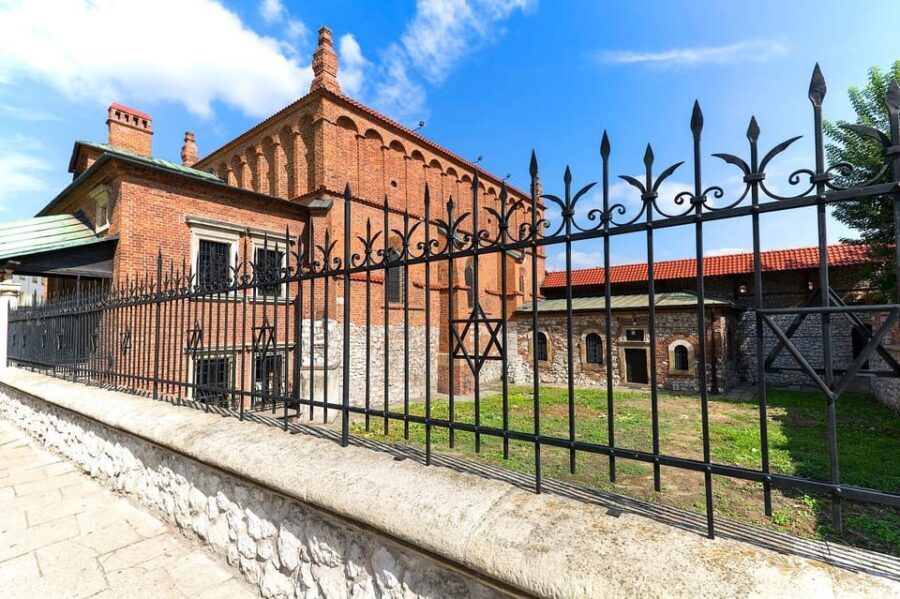
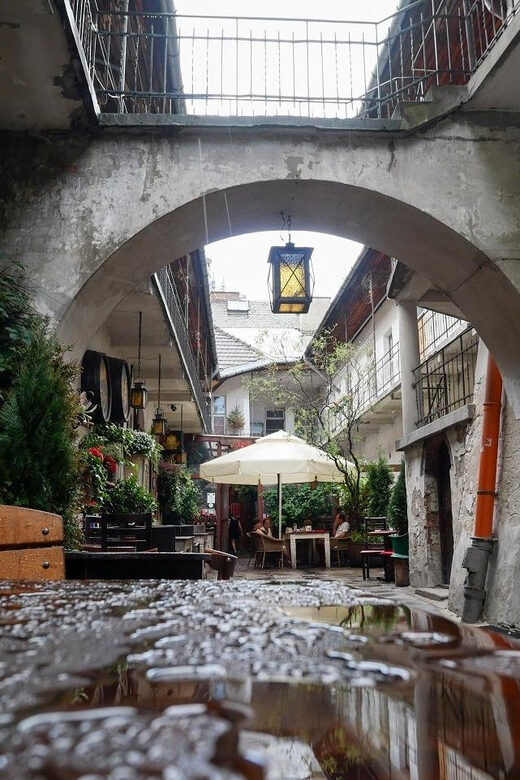
The tour starts at the steps of the Old Synagogue in Kraków. Look for your guide holding a sign that says excursions.city, and plan to arrive about 10 minutes early so the group can depart on time. It’s a small thing, but it matters here—latecomers can’t join once the group has left.
From the beginning, the pacing is designed for impact. You begin in Kazimierz, Kraków’s Jewish Quarter, and only after that do you head to Schindler’s Enamel Factory Museum. That order helps you understand what you’re looking at later, because you’re not just receiving facts—you’re building a sense of place first.
The tour lasts about 210 minutes (around 3.5 hours). That’s long enough for real storytelling and slower museum viewing, without turning into an all-day marathon.
You can also read our reviews of more guided tours in Krakow
Kazimierz Jewish Quarter walk: setting the human scene first
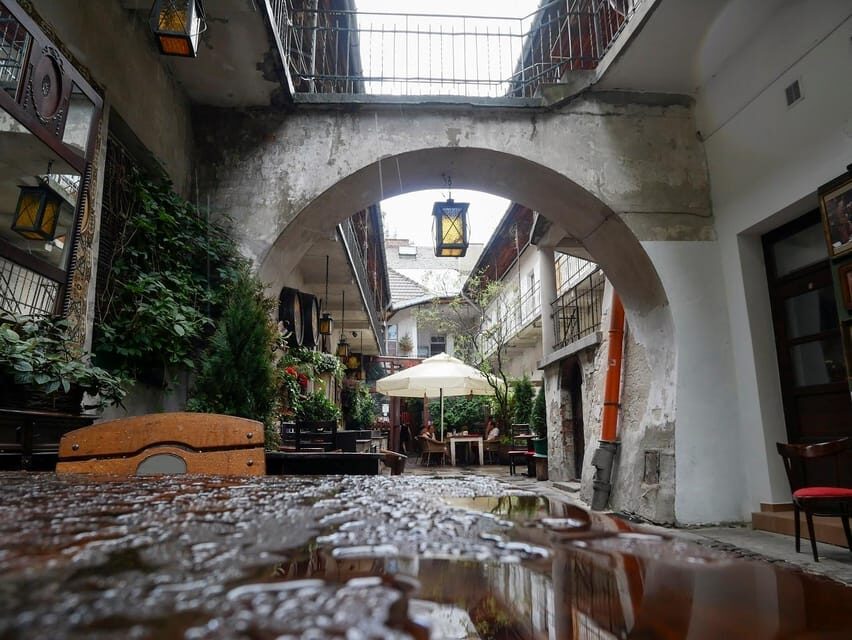
Before you enter the museum, you get a walking tour of the Kazimierz Jewish Quarter. Starting here is smart because it grounds the experience in everyday life and community—then the museum shows how that life was attacked and reshaped under Nazi occupation.
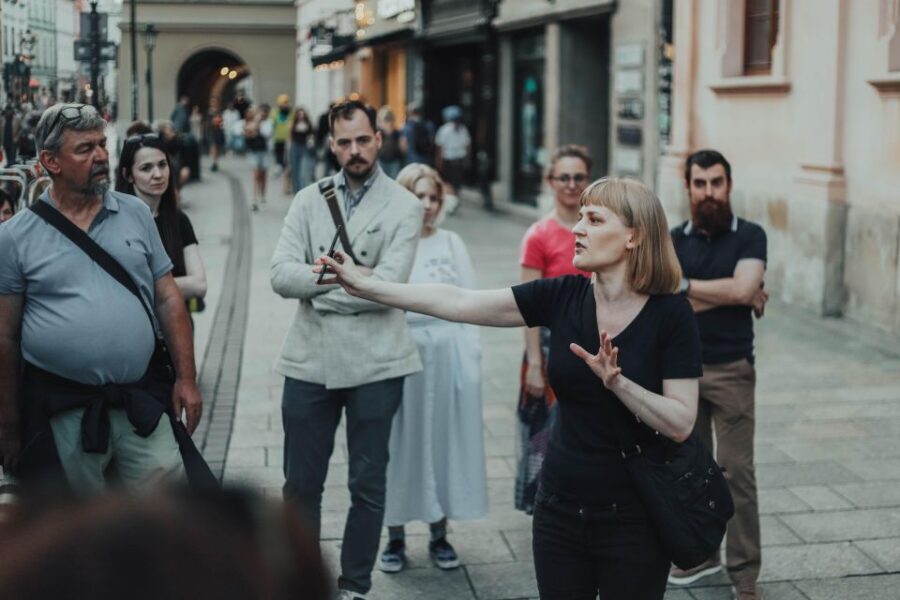
You’ll be with a licensed local guide, so you’re not just strolling through streets and hoping the story lands. The guide’s job is to connect what you see in the neighborhood to what you’ll meet inside the museum galleries.
A detail I found worth noting: one guide name was specifically mentioned in a past booking—Elena—praised for explaining the Jewish ghetto story and the Schindler museum experience in a powerful way. Guides can vary, but that’s a good clue that the storytelling quality is taken seriously.
Schindler’s Enamel Factory Museum: why this building matters
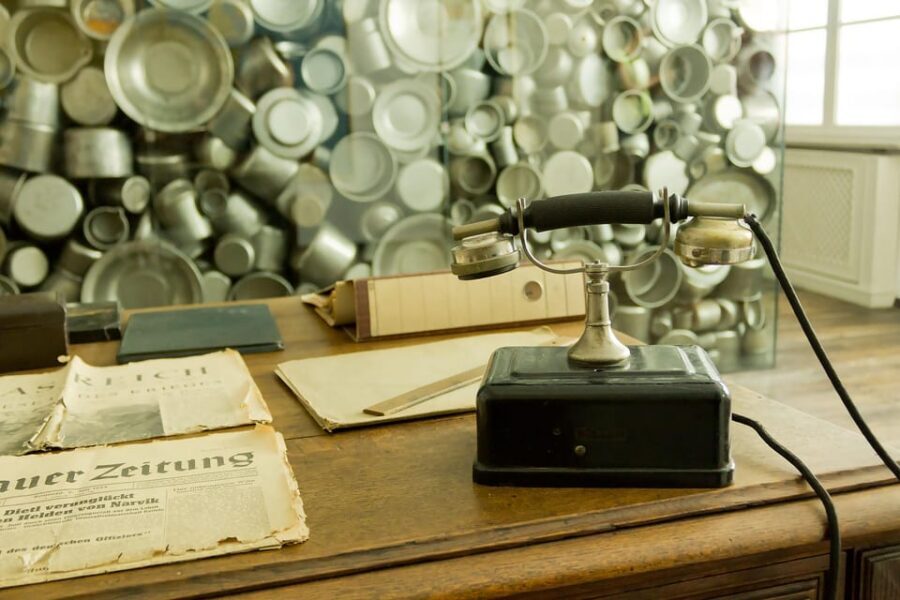
Schindler’s Enamel Factory Museum is one of Kraków’s most popular stops, and that popularity is exactly why the skip-the-line part is valuable. Instead of losing time to ticket lines, you get a guided flow into the museum.
The museum sits in the building that once housed Oskar Schindler’s enamel factory. Today, it’s a museum without the original machinery—so you’re not walking through an operating plant—but the location still carries weight. You’re stepping into a place tied to real decisions made during the war.
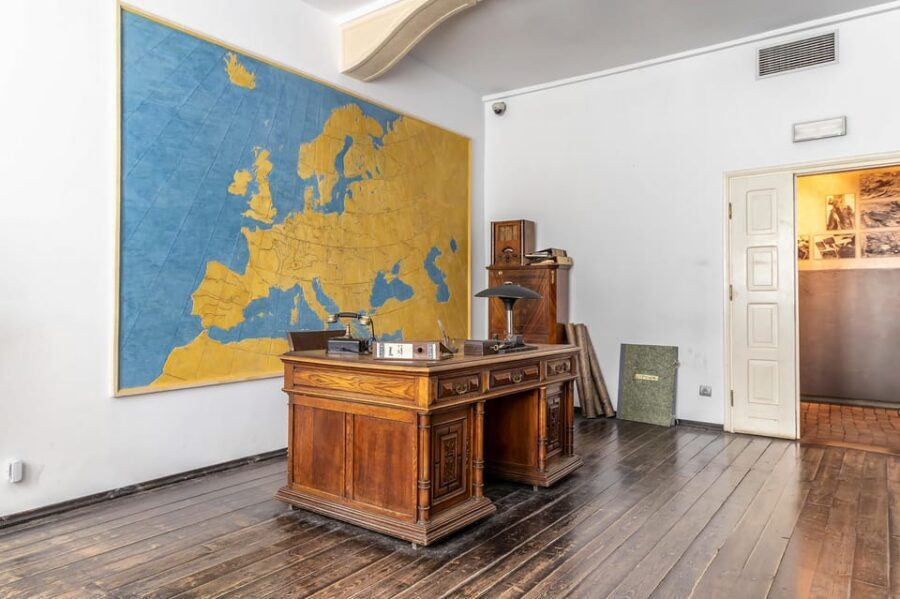
Inside, you don’t just read captions. The exhibition uses authentic artifacts and photographs, plus immersive reconstructions designed to show what wartime Kraków felt like. Many rooms are narrow and deliberately dimly lit, which is not for atmosphere alone—it’s meant to recreate pressure, fear, and uncertainty.
Inside the exhibition: Kraków under Nazi Occupation 1939–1945
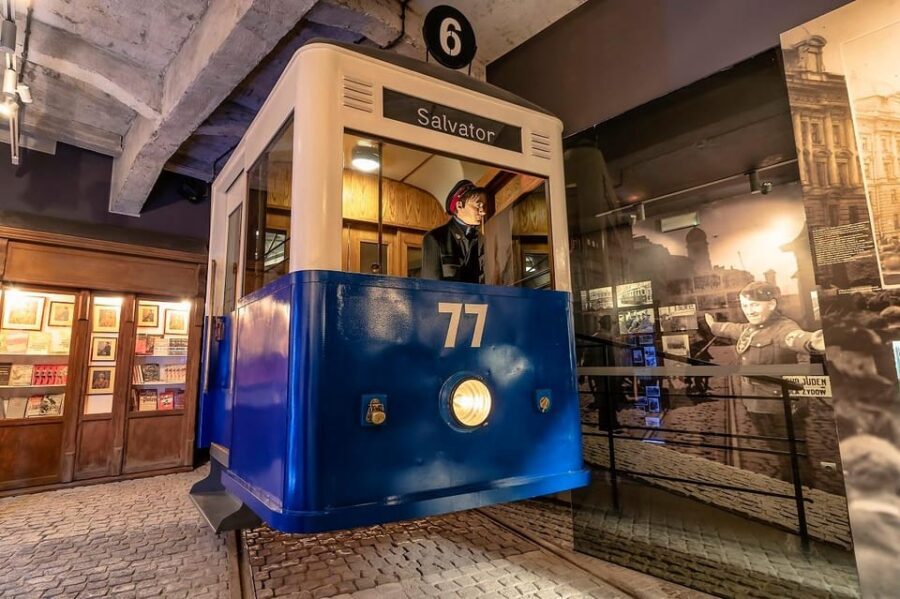
The core museum experience centers on Kraków under Nazi Occupation 1939–1945. This is where the tour earns its emotional and educational punch. It isn’t only about one person—it’s about how the war rewired the city and reshaped the daily lives of both Jewish and non-Jewish residents.
As you move room to room, you’ll see how persecution escalated over time: deportations, destruction of the Jewish community in Kraków, and the narrowing of choices that ordinary people faced. The structure of the galleries—narrow corridors, dim spaces, and recreated scenes—makes the information feel less like a history lecture and more like a story you can physically sense.
This is also where the guided aspect becomes crucial. A strong guide helps you connect the objects and photographs to the bigger human timeline. Without that, it’s easy to end up with a pile of images and still feel like the story didn’t fully click.
Oskar Schindler’s story: refuge built inside a system of cruelty
Within the wider occupation narrative, the museum zooms in on Oskar Schindler and his factory. The tour explains how Schindler’s factory provided refuge for over a thousand Jewish workers.
That detail matters because it shifts your attention from only the scale of tragedy to the role of individual acts. You’re not being asked to reduce the Holocaust to hero narratives. Instead, the museum frames how limited, specific choices could still mean survival for real people.
You’ll also see how Schindler’s story sits inside the broader machinery of Nazi control—persecution, deportations, and the slow collapse of normal life. The result is a narrative that doesn’t let you treat any part of the period as separate. The factory refuge becomes one thread in a much larger story of violence and resistance.
What the tour feels like (and what to bring)
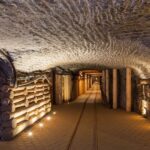
Expect to spend a good chunk of time indoors, walking through narrow corridors and dimly lit rooms. That design is intentional, but it also affects comfort. If you’re sensitive to tight spaces or low light, it’s worth knowing upfront so you can plan accordingly.
Footwear matters. You’ll be moving around on a guided schedule for about 210 minutes, with both outdoor walking in Kazimierz and museum time indoors. Dress for the weather—even though the tour goes ahead in all weather, rain or shine, you’ll enjoy it more with proper layers and shoes that handle wet or slippery pavement.
Bring an ID card or passport, including for children. The museum experience is tied to ticketing requirements, so having the right documents helps avoid unnecessary stress.
One more “know before you go” note: from January 1, 2026, tour times are approximate and may shift due to museum/site scheduling. The tickets are personalized, and you’ll need to provide the names of all participants during booking. If you skip names, entry may be denied. If you’re traveling after that date, this is the kind of detail worth handling immediately, not at the last minute.
Language, group flow, and how to pick your time
The tour runs with a live guide in English, Italian, Spanish, German, or French. One language is used per group, so make sure you pick the option that matches what you want to hear.
Time selection can also matter because the museum and site schedules can influence exact start times. If you’re choosing a specific slot, keep a bit of buffer in your day plan. That’s especially true around winter when light and weather can make a tight schedule feel tighter.
Also, plan to be on time for the meeting point. The group departs and latecomers can’t join once the tour has left.
Price and value: what $69 buys you in Kraków
At $69 per person, this tour doesn’t feel “cheap,” but it also doesn’t feel overpriced given what’s included. You’re paying for four core pieces: a licensed expert local guide, a walking tour in the Kazimierz Jewish Quarter, skip-the-line admission, and a guided tour inside Schindler’s Factory Museum.
Here’s the value logic I like:
- Skip-the-line saves time, which is the currency you actually run out of while traveling.
- Two-part guiding (neighborhood context + museum storytelling) gives the history a clearer arc.
- Licensed local expertise helps you interpret what you’re seeing instead of passively receiving information.
There’s also a bit of proof in the numbers: this tour is rated 4.9 across 5 verified bookings. That’s not a guarantee of everything, but it does suggest the guide quality and overall experience are consistently strong.
If you’re the type of traveler who wants a guided museum visit rather than a solo ticket, this price is easier to justify. If you prefer self-guided museums and already know your WWII history well, you might find other options cheaper. But for most people, the guided format is where the value lives.
Who should book this tour (and who might pause)
This is a strong choice if you:
- want a guided museum experience that explains the story as you walk through it
- care about how Kraków changed under Nazi occupation, not just a single biography
- appreciate context before you enter a major exhibition (Kazimierz first helps)
It’s less ideal if you:
- struggle with dim, narrow spaces, since the museum design recreates the atmosphere with narrow corridors and low light
- expect a light, casual sightseeing vibe—this is heavy subject matter by design
You’ll probably also enjoy it most if you like structured pacing. The tour lasts about 3.5 hours, and it’s built so you don’t feel rushed through key parts of the exhibition.
Should you book this Kraków Jewish Quarter & Schindler’s Factory tour?
Yes—if you want your history visit guided and organized, and you care about understanding how wartime Kraków affected both Jewish and non-Jewish residents. The skip-the-line entry is a practical win, and the museum format (artifacts, photos, reconstructions, narrow dim rooms) gives the story a physical sense that self-guided visits often can’t match.
Book it if you’ll feel comfortable with an intense, reflective museum environment. If tight corridors and low light would bother you, consider that before committing. And if you’re traveling after January 1, 2026, pay attention to the participant name requirement early so entry isn’t delayed or refused.
FAQ
Where do we meet for the tour?
Meet on the steps of the Old Synagogue. Your guide will be holding a sign that says excursions.city.
How long is the guided tour?
The duration is 210 minutes.
What’s included with the price?
The price includes a licensed expert local guide, a walking tour of the Kazimierz Jewish Quarter, skip-the-line admission to Schindler’s Factory Museum, and a guided tour inside the museum.
Which languages are available?
The tour is available in English, Italian, Spanish, German, and French. Your group tours in only one language, selected during booking.
What does the museum focus on?
Inside Schindler’s Factory Museum, the tour focuses on Kraków under Nazi Occupation 1939–1945 and also covers the story of Oskar Schindler and his factory.
Do I need to bring identification?
Yes. Bring a passport or ID card, and the same applies for children.
What about late arrivals?
Arrive about 10 minutes before the tour begins. Once the group has departed, latecomers cannot join and tickets cannot be refunded.
Is the tour affected by weather?
The tour goes ahead in all weather, rain or shine, so wear suitable clothing and footwear.