REVIEW · KRAKOW
Krakow: Guided Auschwitz-Birkenau Tour – Minivan Transport
Book on GetYourGuide →Operated by Auschwitztour · Bookable on GetYourGuide
Morning feels normal. Then reality hits.
This minivan tour turns a long ride into a clear plan: hotel pickup in central Krakow, skip-the-line entry, and an on-site museum-licensed English guide. You’re not left guessing where to go, and you move with purpose through Auschwitz and Birkenau.
What also makes this work is the group size and format. You get a structured visit of Auschwitz I and Auschwitz II-Birkenau with enough time to understand what you’re seeing, including the route that passes under the Arbeit Macht Frei sign at the main entrance. One caution: it’s heavy, it’s long, and there’s a lot of walking and steps, so it’s not a fit for mobility impairments.
Key highlights and practical wins
- Skip-the-line access: your prepaid ticket helps you head straight inside after arrival
- Museum English guide: the official guide is provided by the Auschwitz-Birkenau museum, with a max group size of 30
- Two camps in one morning: Auschwitz I for about 1.5 hours, then Birkenau for about 1 hour
- Real logistics, not guesswork: hotel pickup and drop-off by minivan, with the driver waiting briefly
- Short snack break built in: about 10 minutes between Auschwitz I and Birkenau
In This Review
- How the early minivan plan works (and why it matters)
- Skip-the-line entry: what you gain at Auschwitz
- Auschwitz I: the route that gives you the baseline
- The snack-and-facilities break that keeps the day moving
- Auschwitz II-Birkenau: why the guided hour feels huge
- What the guide and driver do for you (beyond facts)
- Value for money: the $21 price and what you still need to plan
- Timing and expectations: it’s not a casual tour
- Who should book this Auschwitz-Birkenau minivan tour
- Should you book this tour or not?
- FAQ
- What is the duration of the Krakow Auschwitz-Birkenau minivan tour?
- Do I get hotel pickup and drop-off in Krakow?
- How does skip-the-line work here?
- Who provides the English tour guide?
- Is food included during the tour?
- What should I bring for entry?
- Are strollers or large bags allowed?
- Is this tour suitable for people with mobility impairments?
How the early minivan plan works (and why it matters)
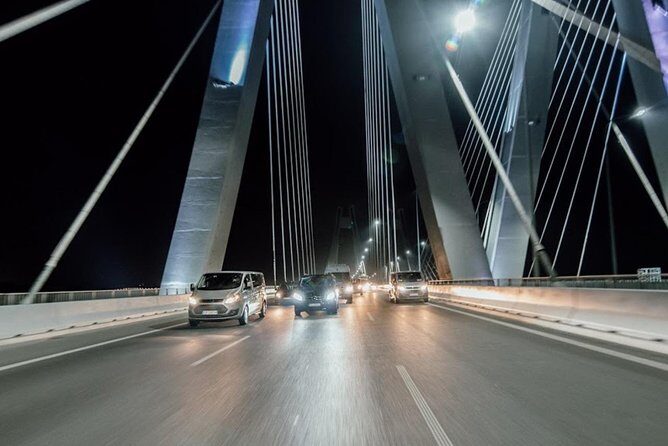
The day starts with a pickup from your Krakow hotel area between 6:00 and 8:40 AM, then a drive of about 1 hour and 10 minutes to Auschwitz-Birkenau. That early start is more than convenience. It helps you arrive before the thickest crowds build, so you can start the guided route with less stress.
The transport part is also pretty straightforward. The minivan drops you back in Krakow between about 3:00 and 4:00 PM, so you still have your afternoon. You’ll also notice the tour is built around tight timing: after Auschwitz I you get a quick 10-minute break, then you roll right into Birkenau.
One small detail that can trip people up: the driver waits no longer than 5 minutes after the scheduled pickup time, and you should wait outside the hotel building about 5 minutes before pickup. If you’re the type who leaves “just in time,” this is the moment to switch to “arrive early” mode.
Skip-the-line entry: what you gain at Auschwitz
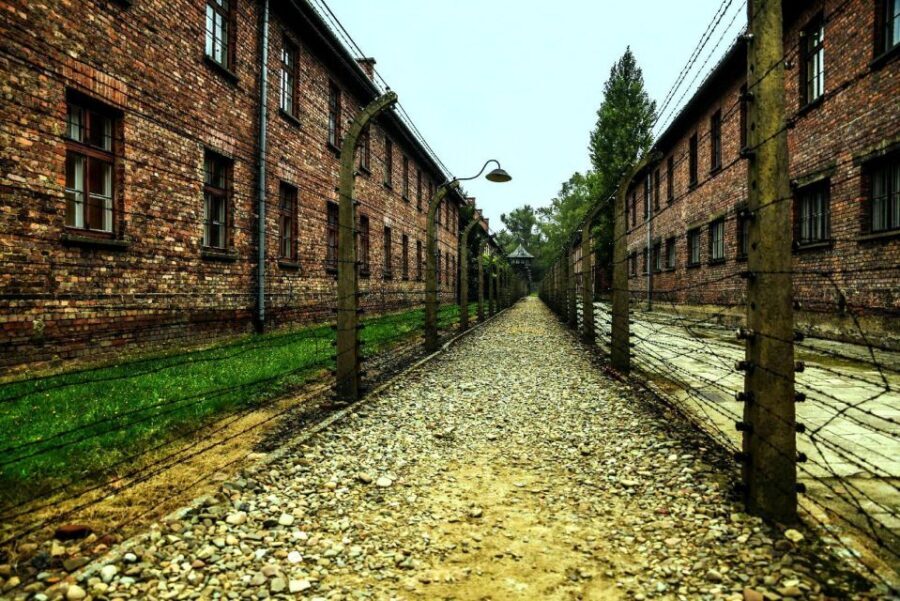
Once you arrive, you use your prepaid skip-the-line tickets and head directly into the museum complex. In practice, this means you avoid a chunk of the waiting that can slow down a first visit. It’s still a busy place with many groups, but you’re not stuck standing at the front door.
Your guide then leads the walk across a huge site. The full museum-guided portion is set by the memorial, and it runs roughly 3.5 hours in total for the Auschwitz-Birkenau guided experience. On this specific format, you’re looking at about 1.5 hours in Auschwitz I plus about 1 hour in Birkenau, with a short break in between.
Another thing I like about this setup is that the tour route is guided with a clear flow. You pass through key sections of Auschwitz I and Auschwitz II-Birkenau, rather than bouncing around on your own and hoping you’re interpreting everything correctly.
You can also read our reviews of more guided tours in Krakow
Auschwitz I: the route that gives you the baseline
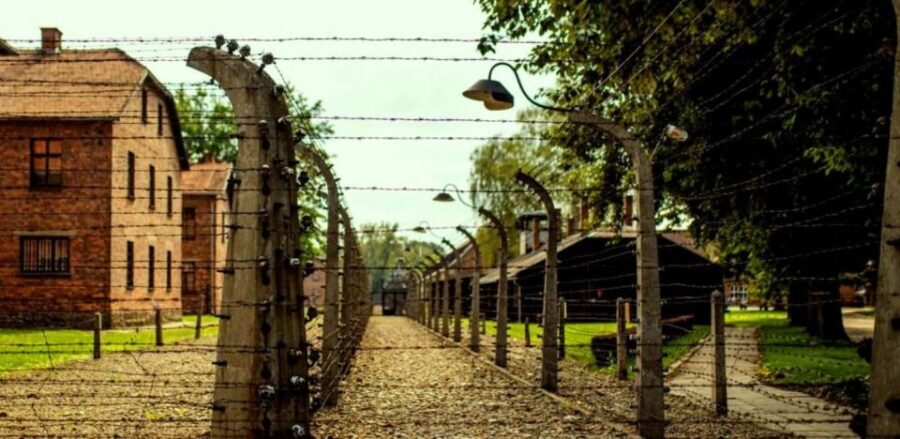
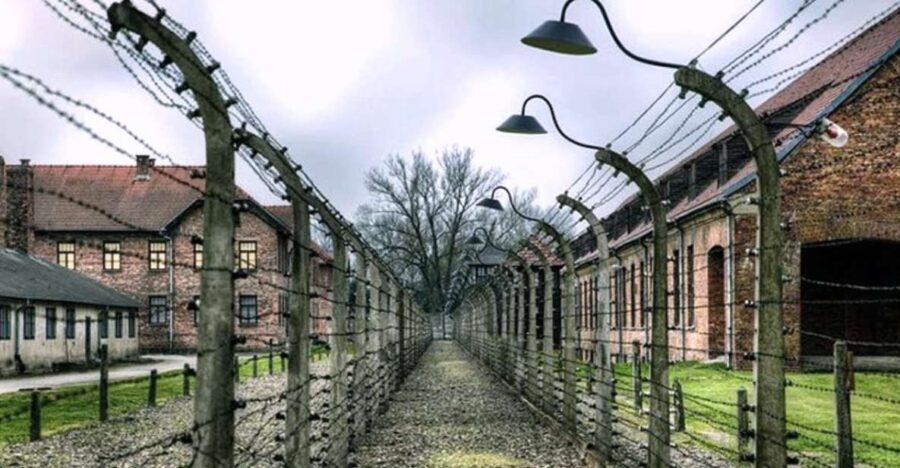
Auschwitz I is often the place where the story becomes concrete. You’ll see buildings and exhibits that explain how the camp system worked and how this site became one of the Nazi regime’s most notorious places of terror.
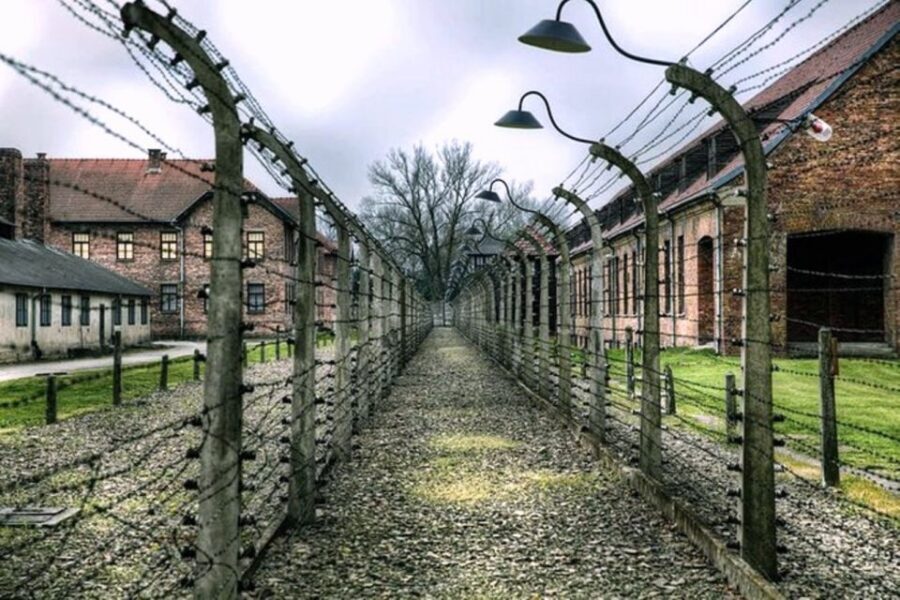
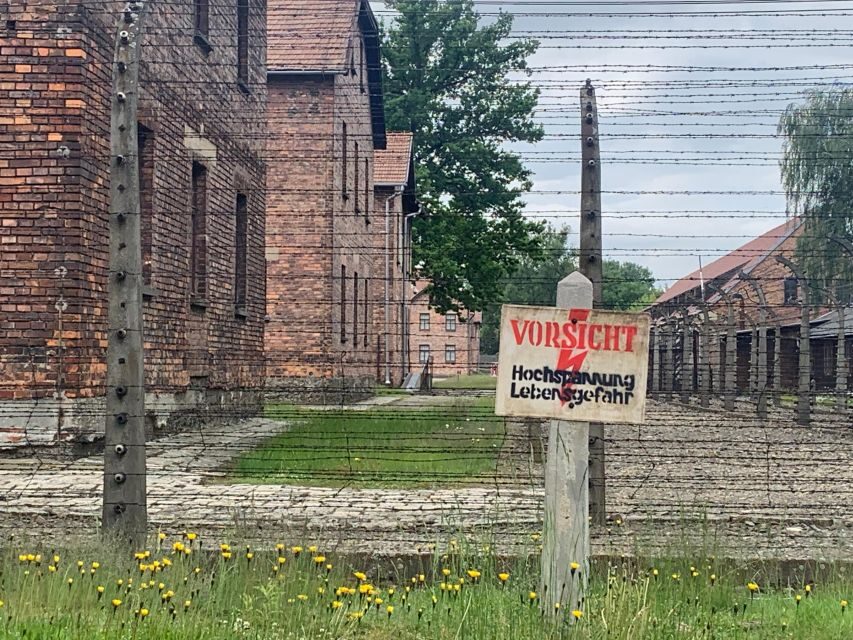
On this tour, Auschwitz I takes about 1.5 hours under an English guide provided by the museum. Expect a structured walk that includes the camp’s original wooden barracks, a bathhouse, and a watchtower. The tour also covers the crematorium and the gas chamber sites, plus the Death Wall.
It can feel like a lot to process, but the value here is context. You’re not just looking at artifacts; you’re hearing how the machinery of persecution operated, and how the camp’s function evolved. Your guide also ties it back to WWII-era life in Poland, so the history doesn’t float in a vacuum.
A practical note: the pace can feel brisk. One traveler noted the guide’s brisk walking style, likely to fit the required sections into the allotted time. If you’re a slow reader or you like to linger, it helps to set your expectations: this is a timed, museum-led experience.
The snack-and-facilities break that keeps the day moving
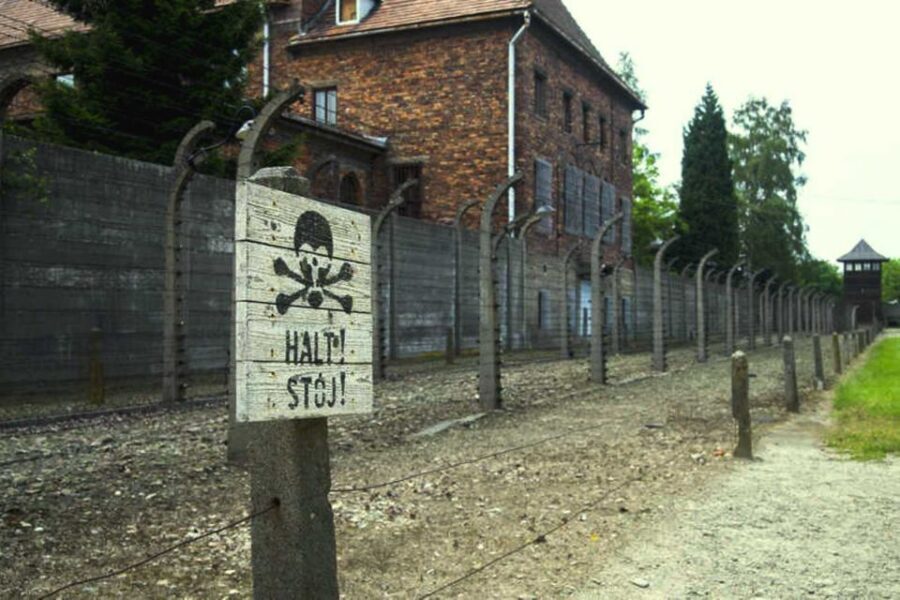
After Auschwitz I, you get about a 10-minute break. That window is short, so use it with intention.
In particular, plan your water and small needs quickly. Food and drinks aren’t included in the tour price, and at the site itself you’ll find vending machines rather than a proper meal stop. Some departures also offer boxed lunch options via the transport provider (you may even be able to arrange a vegetarian option), but that’s not part of the standard inclusion list.
If you go in cold weather, bring the mindset of a morning out, not an indoor museum day. One review mentioned that a flask would have helped in January. Even if you’re not using a flask, a warm drink strategy (thermos) is an easy win in winter mornings.
Auschwitz II-Birkenau: why the guided hour feels huge
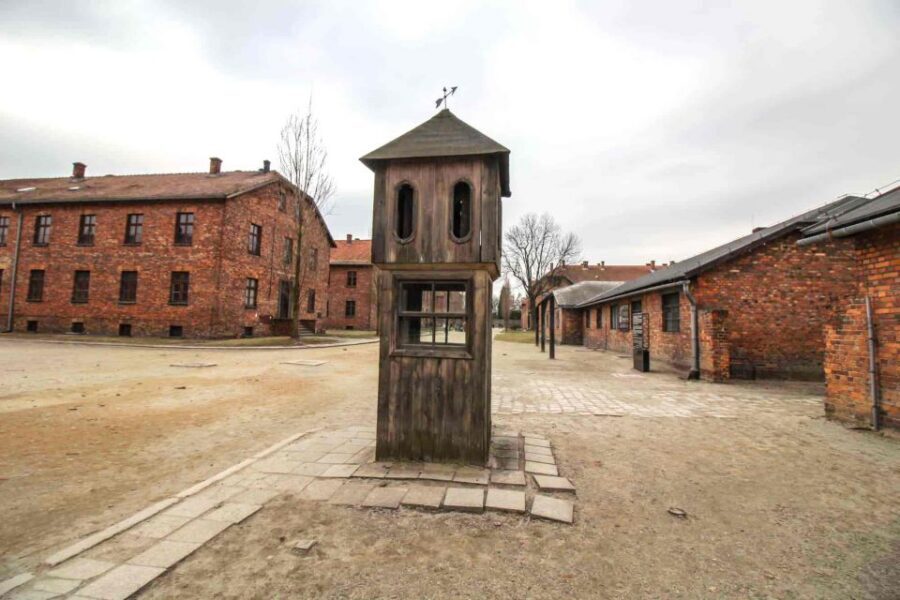
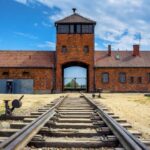
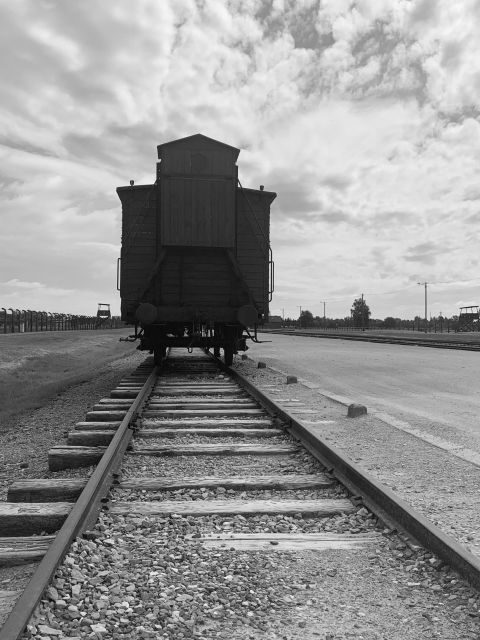
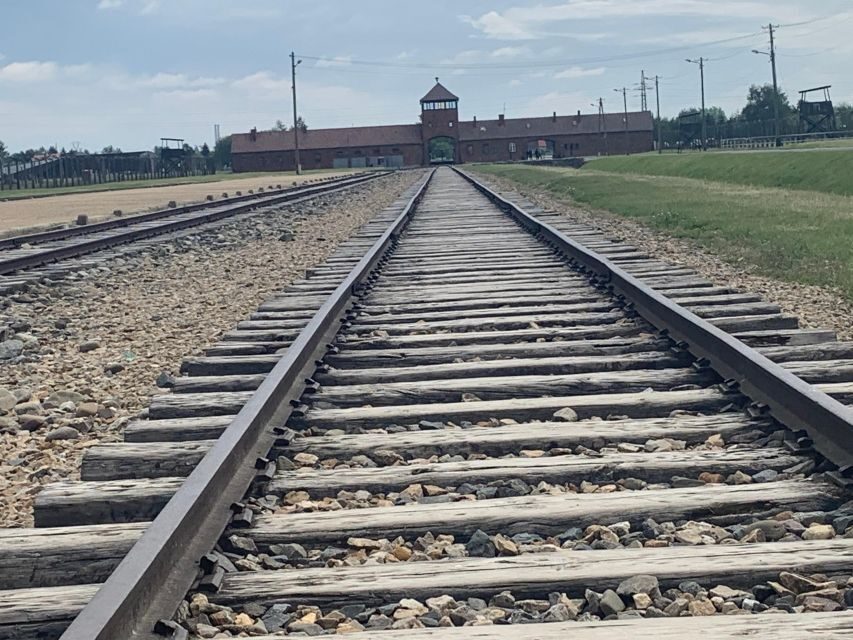
Birkenau (Auschwitz II) is where scale hits you. Even with a one-hour guided segment, the area can feel enormous because of how much space the camp used and how the layout is designed.
On this tour, Birkenau guided time is about 1 hour. The memorial’s visitor service controls the pacing, so you’ll follow the group movement as the guide brings the story to the specific features of this camp.
This part is emotionally demanding, and the best way to get value is to listen for the guide’s connections: how the system was implemented, how prisoners were processed, and how the camp’s structure helped fulfill horrific goals. Since this is museum-led, you’re not piecing together the narrative from guesses.
You may notice crowds even with skip-the-line entry. One traveler felt there were many groups and some waiting behind others during certain transitions. That’s not a flaw in the concept; it’s just how popular the site is. The key is that you still keep your place in the guided flow.
What the guide and driver do for you (beyond facts)
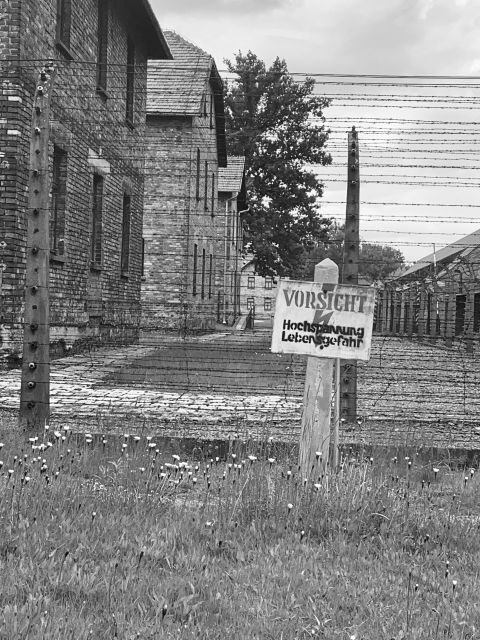
The official museum guide is the center of the experience for the Auschwitz and Birkenau walkthrough. Their job is to deliver the interpretation inside the complex, and that matters because every block and building is connected to a specific chapter of the system.
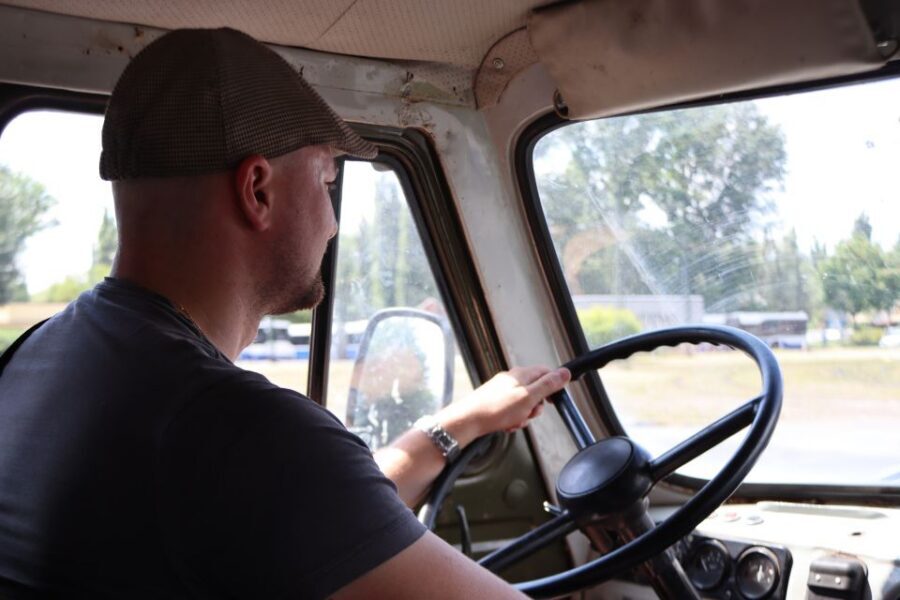
You may also get strong support from the driver before and during the ride. For example, one traveler described a driver who played an informative video on the way to Auschwitz and added extra context. Others mentioned drivers who were funny in a respectful way, attentive with communications, and prepared with practical warnings.
Some named drivers you might encounter include Daniel and Konrad, and other reviews mention Robert as well. If you’re paired with a driver who offers a lunch option, that can be a genuinely helpful add-on because you have little time to buy food on site during the tight schedule.
The big takeaway is that this is a coordinated day: the driver handles timing and comfort in the van, while the museum guide handles the on-site interpretation.


Value for money: the $21 price and what you still need to plan
At around $21 per person, the value is in what’s bundled: transportation, admission, and hotel pickup and drop-off, plus the museum-provided English guided tour. For a day that includes two major stops and guided entry, that’s a strong deal compared with tours that only provide one camp or exclude transport.
But you should plan the parts that aren’t included:
- Food and drinks are not part of the base price.
- Strollers are not allowed, and luggage or large bags are not allowed.
- For younger children, headsets may not be included for those under 8 (so if you’re traveling with kids, plan ahead).
You also need to bring the right ID. A passport or ID card is required, and the museum requires participants to provide full name and contact details. If the name on your booking doesn’t match the name on your ID exactly, entrance can be refused. That’s the kind of rule you don’t want to mess with on a day you can’t redo easily.
Timing and expectations: it’s not a casual tour
This day is about structure, not wandering. The memorial controls the pace and duration, and the break after Auschwitz I is set at around 10 minutes. If you go in thinking you’ll have lots of free time to sit quietly or re-read everything, you might feel rushed.
Group size is limited for the museum portion, with a maximum of 30 people, but that doesn’t automatically eliminate waiting. You might still experience some queues when transitioning between interior spaces, especially in peak seasons.
Also, note what this tour does not suit: it’s not recommended for people with mobility impairments. The route involves walking and steps, and those physical realities are part of how the memorial is laid out.
Who should book this Auschwitz-Birkenau minivan tour
This tour is a strong fit if you want three things:
- A straightforward, time-managed plan from Krakow without renting a car or figuring out public transit schedules.
- Skip-the-line entry that reduces your early-day friction.
- A museum-led English tour at Auschwitz I and Birkenau, so you don’t miss the key interpretive points.
It’s also a good match for first-timers to Auschwitz who want a guided framework. The itinerary is built around the core areas: Auschwitz I for the baseline and Auschwitz II-Birkenau for the scale and camp system in practice.
You may want to consider a different approach if you need accessibility accommodations, or if you need a slower pace with more optional downtime for quiet reflection. In this format, the time is set and the route is fixed.
Should you book this tour or not?
Book it if you want a clean, efficient Auschwitz-Birkenau visit from Krakow with museum-led guidance and skip-the-line access. The minivan pickup/drop-off and the English guide make it simpler to focus on what matters: understanding what you’re seeing and honoring the seriousness of the site.
Skip it (or at least shop around) if you’re traveling with mobility limitations, heavy baggage, or you’re hoping for long unscheduled breaks to sit and process. This isn’t that kind of day. It’s structured, moving, and demanding.
If you go, do yourself a favor: wear sturdy shoes, bring the exact ID you used for booking, and plan your food strategy before you leave Krakow.
FAQ
What is the duration of the Krakow Auschwitz-Birkenau minivan tour?
The total duration is about 390 minutes.
Do I get hotel pickup and drop-off in Krakow?
Yes. Pickup happens in central Krakow between 6:00 and 8:40 AM, and you’re dropped back at your hotel area between about 3:00 and 4:00 PM. Drop-off is at multiple Krakow locations.
How does skip-the-line work here?
You use a prepaid skip-the-line ticket on arrival to head straight inside the Auschwitz-Birkenau complex before you start the guided route.
Who provides the English tour guide?
The guided tour at Auschwitz-Birkenau is provided by the museum, in English.
Is food included during the tour?
No. Food and drinks are not included, and you get a short break (about 10 minutes) after Auschwitz I where you can use facilities and grab a quick snack.
What should I bring for entry?
Bring a passport or ID card. Comfortable shoes are strongly recommended.
Are strollers or large bags allowed?
No. Baby strollers are not allowed, and luggage or large bags are not allowed.
Is this tour suitable for people with mobility impairments?
It’s not suitable for people with mobility impairments, due to the walking and steps involved.