REVIEW · KRAKOW
Krakow: City Golf Cart Tour and Schindler’s Factory Museum
Book on GetYourGuide →Operated by INTERCRAC Ltd. · Bookable on GetYourGuide
Krakow hits hardest when you slow down. This heated golf cart tour links Krakow’s most important neighborhoods with an English-led visit to Schindler’s Factory, so you’re not just checking famous stops—you’re getting the context for how daily life changed under Nazi occupation. I love the relaxed sightseeing pace (it’s easy on your feet) and how the museum portion goes beyond Schindler’s story into life in the city around him. One thing to watch: you must arrive early because late arrivals can’t join once the group is on the move, and tickets are not refundable.
The route starts with an audio guide in English and stays in motion through the Old Town, then into Kazimierz, and finally over to Podgórze on the other side of the Vistula. On the cart side, the name Natalie comes up as a standout, with stops that let you look inside churches and explanations that keep things clear and human before you transition to the museum.
In This Review
- Key Points at a Glance
- How the Heated Golf Cart Makes Krakow’s Big Stops Feel Manageable
- Old Town Orientation: Planty, Main Market Square, Wawel, and the Papal Window
- A small but real comfort win
- Kazimierz on the Golf Cart: Jewish Quarter Life, Synagogues, and Street-Scale Reality
- Crossing to Podgórze: Ghetto Wall Fragment, Chair Memorial, and Under the Eagle Pharmacy
- Why this order feels right
- Schindler’s Factory Museum: What You Learn Beyond the Schindler Name
- When the guide changes everything
- Timing, Energy, and How to Plan Your Day Around a 4-Hour Schedule
- Price and Value: Is $101 Worth It in Practical Terms?
- Who Should Book This Tour (and Who Might Want a Different Fit)
- Before You Go: Small Details That Prevent Big Frustration
- Should You Book This Krakow Golf Cart + Schindler’s Factory Combo?
Key Points at a Glance
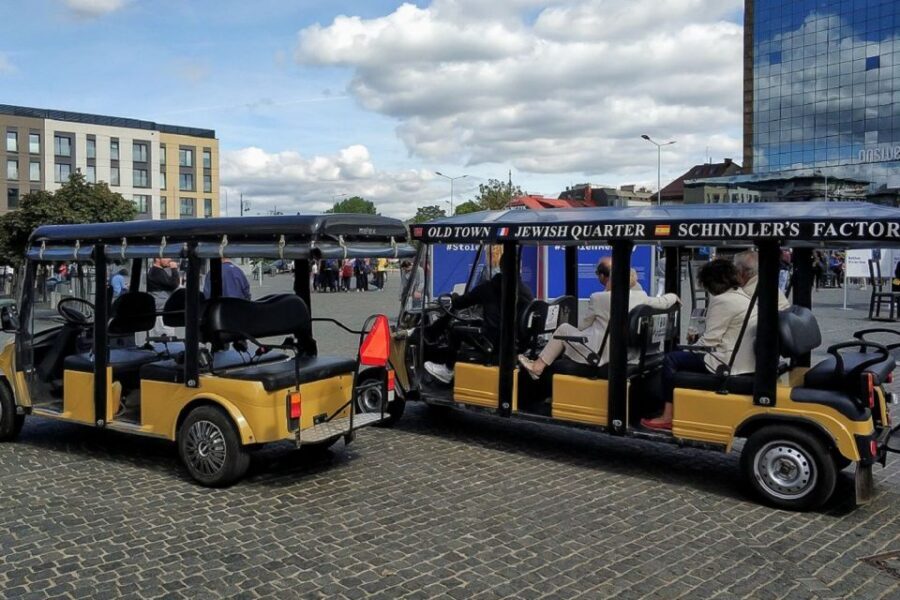
- Heated, eco-friendly golf cart keeps your sightseeing comfortable while the English audio guide handles the orientation
- Old Town + Kazimierz + Podgórze in one sweep helps you understand Krakow’s layout in a way a map can’t
- WWII ghetto landmarks include a surviving fragment of the wall, Ghetto Heroes Square with its chair memorial, and Under the Eagle Pharmacy
- Schindler’s Factory Museum with a licensed guide turns the exhibition into a guided story instead of a self-walk
- Fast-track admission means less time stuck in line and more time where it matters
How the Heated Golf Cart Makes Krakow’s Big Stops Feel Manageable
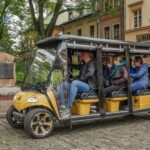
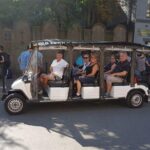
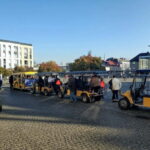
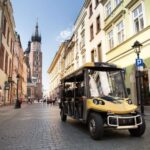
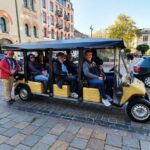
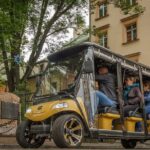
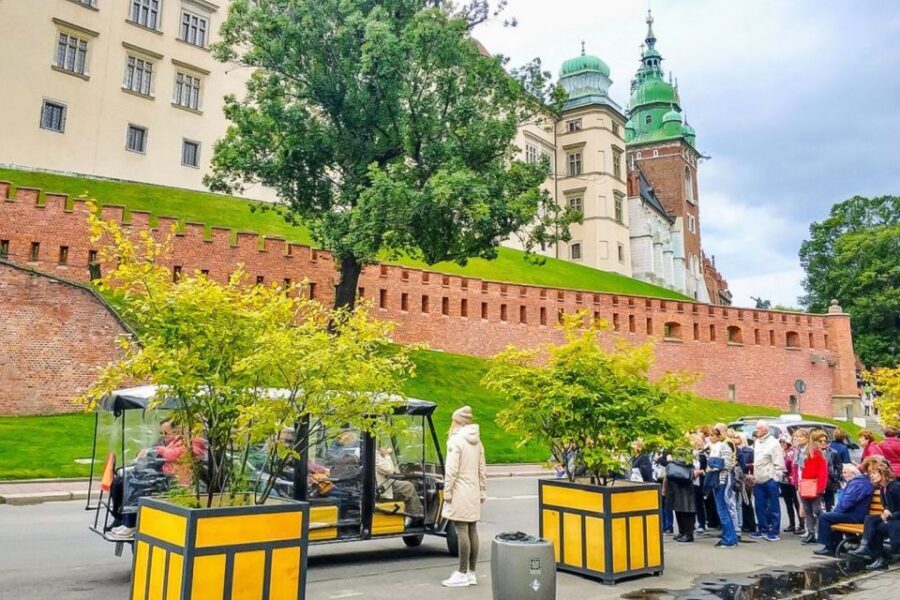
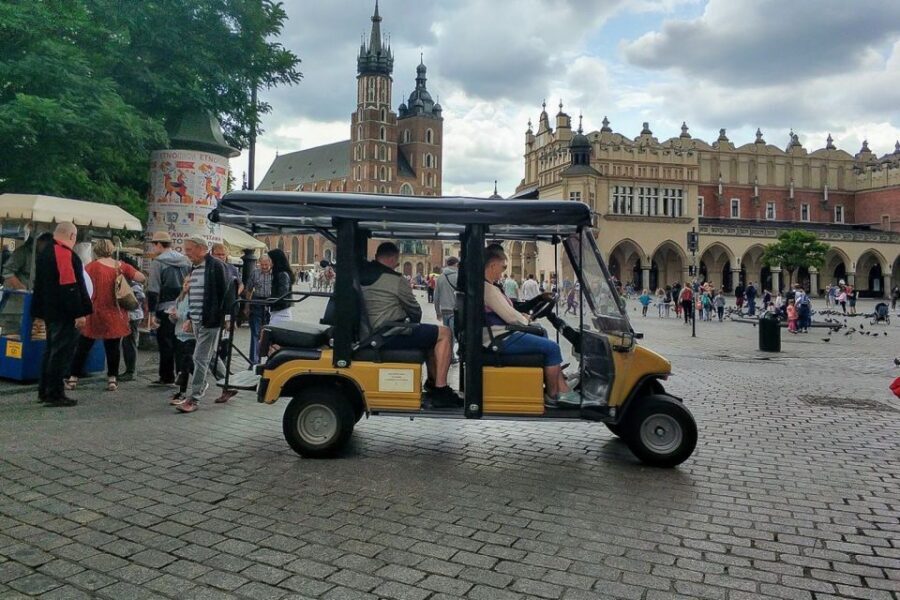
This is the kind of Krakow tour that makes sense if you want history with good legs left at the end of the day. You ride in a heated golf cart, and the onboard audio guide is in English, so you get a steady stream of context while you move between neighborhoods. It’s also easier to take in the feel of places—streets, squares, and sightlines—without constantly stopping, walking, then catching up.
The smart idea here is that the tour doesn’t treat Old Town and the WWII sites like two separate trips. You connect them through the route. That matters because Krakow is not one single “background.” It’s a set of communities and borders that shifted through the war, and the cart format helps you see those transitions as you go.
Practical note: there’s no hotel pickup/drop-off, so you’re responsible for getting to the meeting point on time. The meeting is at Parking Kiss&Ride in front of the Zabka store. If you’re late, you lose your spot—this is a scheduled group experience, not a “show up whenever” situation.
You can also read our reviews of more city tours in Krakow
Old Town Orientation: Planty, Main Market Square, Wawel, and the Papal Window
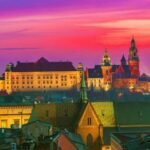
Old Town is where the city’s postcard Krakow lives—but this tour uses it as more than scenery. You pass through Planty and around the ring that surrounds the Old Town, then you move toward major landmarks like Main Market Square and Wawel. You also stop in Planty Park to see monuments located there, which gives you a quick “where am I in the city?” moment before you go deeper.
As you ride, the audio commentary explains Krakow’s history in a way that helps the later stops land better. When you reach Kazimierz and Podgórze, you’ll understand why you’re crossing from one story to another—not just moving geographically.
The tour also passes a string of recognizable Old Town stops, including the Latin Quarter, Church of St. Anna, Cloth Hall, St. Mary’s Basilica, a Gothic Franciscan Monastery, and the Papal Window. Even if you’ve seen some of these names before, the cart route gives you a coherent path through them rather than random individual photo breaks.
A small but real comfort win
Because the cart is heated, this feels more pleasant than walking a long Old Town loop in colder weather. It’s not just “comfort for comfort’s sake.” It helps you stay focused when the day shifts into heavier material.
Kazimierz on the Golf Cart: Jewish Quarter Life, Synagogues, and Street-Scale Reality
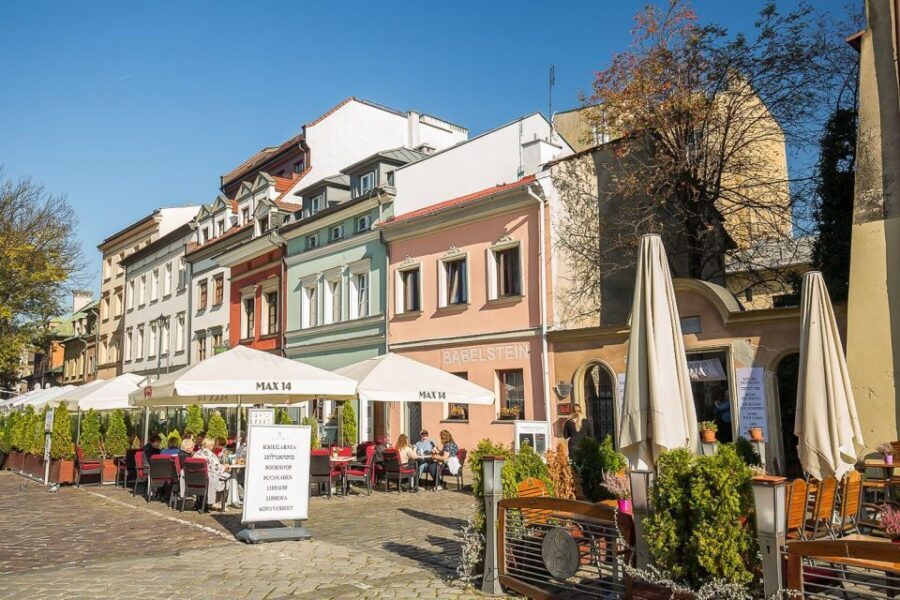
From Old Town, you head into Kazimierz, the historic Jewish Quarter that once functioned as a separate town and a major center of Jewish culture. The tour approach here is practical: you see the streets and the flow of the area, and you get an explanation of daily life patterns that shaped the community over time.
You’ll pass by places that reflect Jewish heritage, including synagogues and the narrower street layout that still shows up in today’s walkable streets. The tour doesn’t ask you to instantly know Kazimierz’s geography. It guides your eyes and ears so you can start connecting landmarks to stories.
After that, you continue through the Christian part of Kazimierz, where cafés and galleries contribute to a lively neighborhood feel. That contrast is useful. It underlines that this area wasn’t only defined by the war. It had ongoing life, culture, and everyday routine—then the occupation shattered it.
If you like tours that respect context (not just trivia), this section is where you’ll feel that balance. You’re learning how Jewish and non-Jewish residents endured and continued their lives, including the long history of coexistence in the city.
Crossing to Podgórze: Ghetto Wall Fragment, Chair Memorial, and Under the Eagle Pharmacy
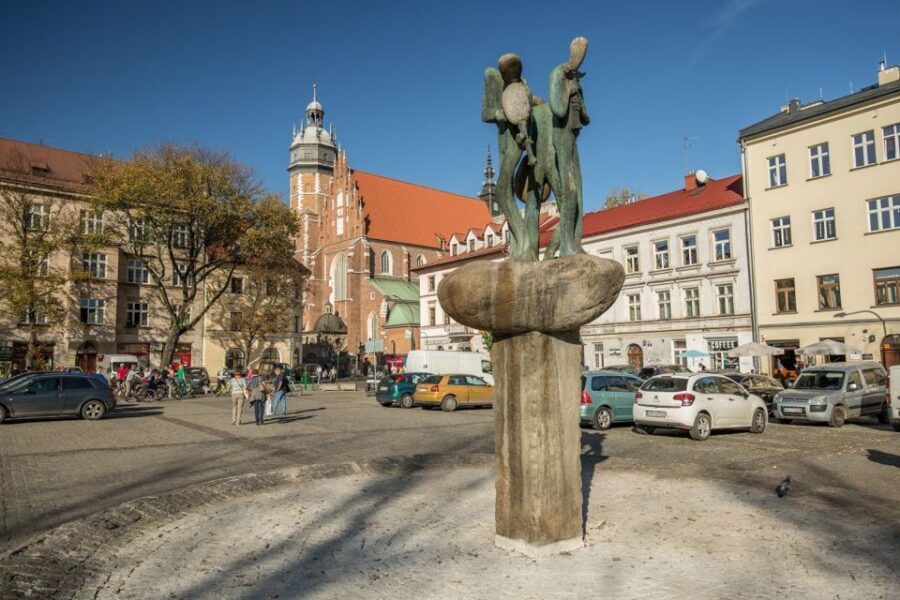
Then the tour crosses the Vistula River into Podgórze, the area of the former Jewish ghetto during WWII. This is where the day becomes more direct and more emotionally heavy, and the route matters because you’re seeing landmarks that hold specific weight in the story.
Key stops include:
- A remaining fragment of the ghetto wall
- Ghetto Heroes Square, with its distinctive chair memorial
- Under the Eagle Pharmacy, a historic building tied to wartime life
Even from the cart, these aren’t just “sights.” They work as stepping-stones that prepare you for the museum. By the time you arrive at Schindler’s Factory, you’re not starting from zero. You’ve already been oriented to what the area looked like, where survivors were living, and what was physically preserved.
You can also read our reviews of more museum experiences in Krakow


Why this order feels right
If you start at the museum without this neighborhood walk-through, Schindler’s story can feel like it floats above place. Here, it lands on the ground you’ve already seen in Podgórze. That makes the museum portion hit harder in a grounded way, not just as an abstract tragedy.
Schindler’s Factory Museum: What You Learn Beyond the Schindler Name
Schindler’s Factory Museum is the heart of the experience, and it’s where this tour earns its good rating. You enter with fast-track admission, so you spend less time waiting and more time in the exhibition space.
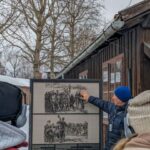
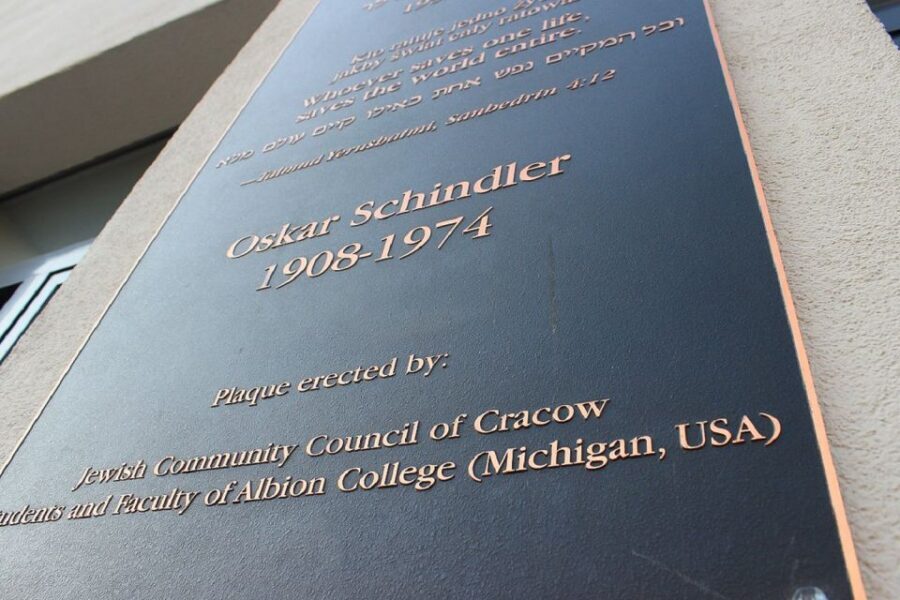
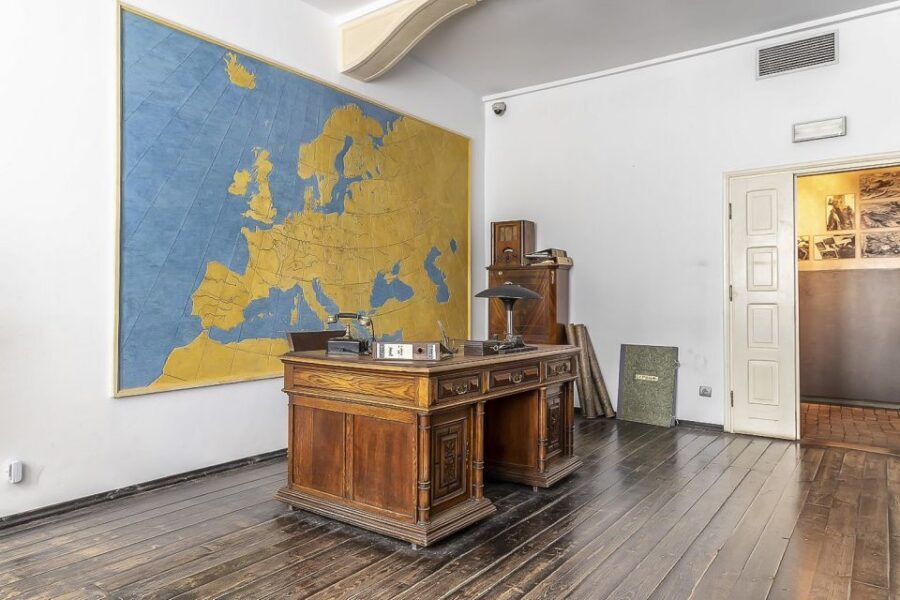
Inside, you’re not left alone with a brochure. You’ll have a licensed expert guide leading the museum visit. The exhibition is centered on Kraków under Nazi Occupation 1939–1945, and the guide frames it through Oskar Schindler’s extraordinary position and choices.
You learn how Schindler employed Jewish workers and used his influence and access to help protect them from deportation. More than a thousand men and women survived because of actions connected to that effort, and the stories are carried through personal artifacts and documented testimony—often using the name Schindlerjuden for those he saved.
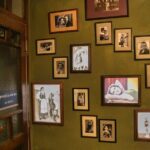
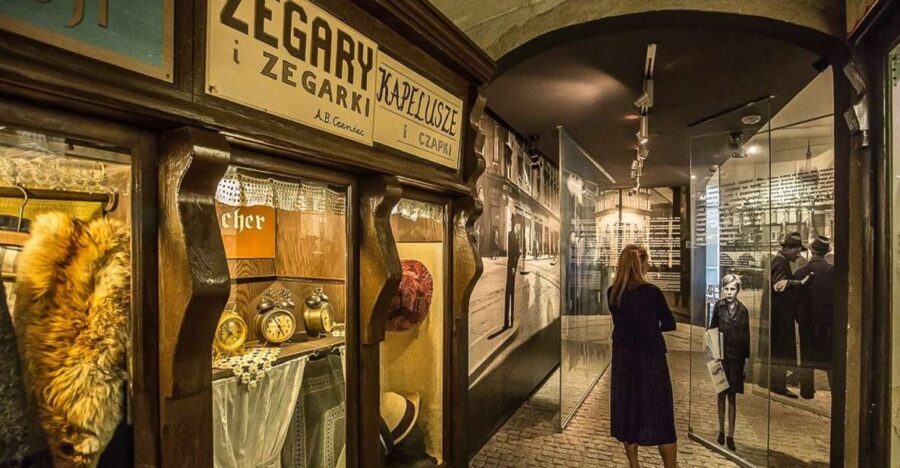
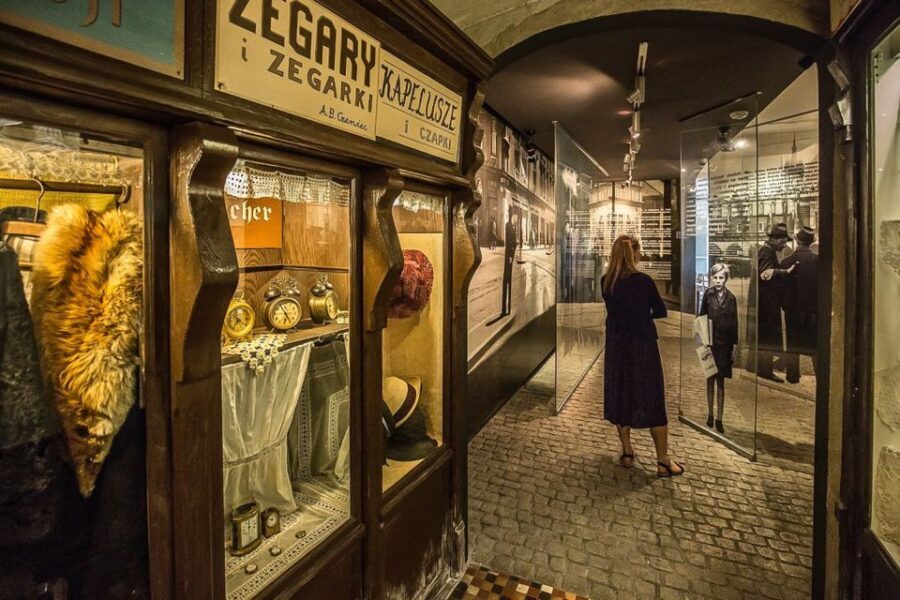
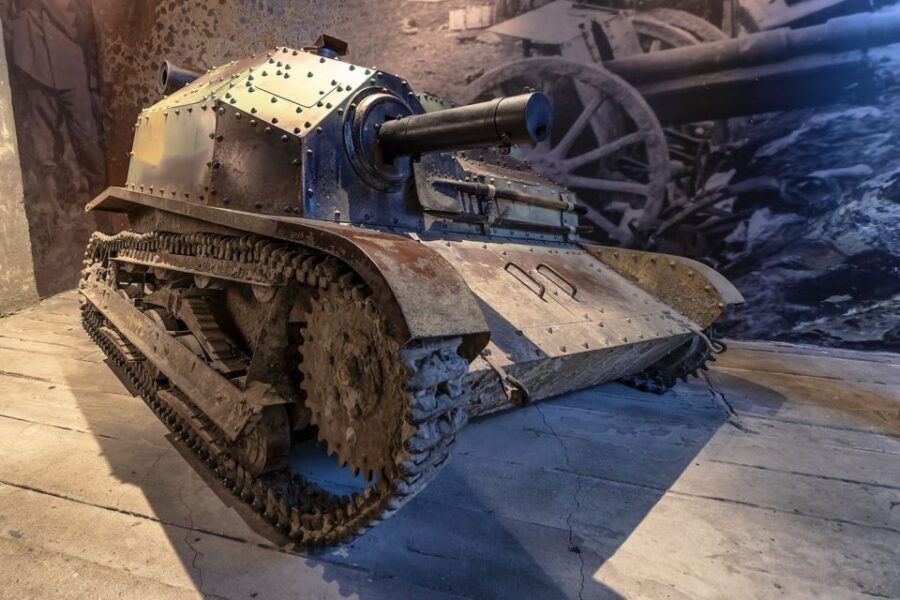
What I like about the way this museum visit is handled is that it doesn’t reduce everything to one man. You see photographs, personal objects, and reconstructed streets that show fear, uncertainty, and everyday struggles faced by the city’s inhabitants. Schindler’s story is important, but the guide makes sure you understand it inside the larger structure of occupation.
Also note a factual detail that helps set expectations: although the building originally functioned as Schindler’s factory, it now operates as a museum and does not contain original production equipment. That can matter for anyone hoping to see old machinery. You’re going for the history and the reconstructed storytelling environment, not an operating factory.
When the guide changes everything
On the cart side, the guide Natalie is praised for being friendly and entertaining, but the bigger takeaway is that the museum guide also shapes how the story lands. The museum part goes beyond what you might expect if you only come for the famous name. You leave with a clearer sense of how the area’s war history fits together.
Timing, Energy, and How to Plan Your Day Around a 4-Hour Schedule
This experience runs about 4 hours, which is a sweet spot in Krakow. It’s long enough to cover Old Town, Kazimierz, and the WWII ghetto area, then transition into a guided museum visit. It’s short enough that you’re still able to do another activity afterward if you keep your evening light.
You should wear comfortable shoes because there’s walking involved around key stops and inside the museum. Even with the cart, you’ll be on your feet enough that planning matters.
If you’re sensitive to weather, bring weather-appropriate clothing. The golf cart is heated, but walking and outdoor landmarks still depend on the day’s conditions.
The tour also suggests bringing water and food/drinks, plus a packed lunch. That’s a clue that the schedule may not be built around a long meal break, so plan to stay fueled.
Price and Value: Is $101 Worth It in Practical Terms?
At about $101 per person, the price is easiest to judge by what you’re actually getting.
You’re paying for:
- A heated golf cart covering Old Town, Kazimierz, and the ghetto area
- An English audio guide during the cart sightseeing
- Licensed, English-speaking live guidance inside Schindler’s Factory Museum
- Fast-track admission to help you skip the ticket line
What you don’t pay for (based on the tour details): hotel pickup and drop-off. So the value is best if you’re comfortable reaching the meeting point on your own.
For me, the “value” logic is simple: a museum visit by itself can take most of your time, but this package adds real neighborhood context without turning into an all-day walking marathon. If you want history with structure—especially the kind that connects place to story—this is money well spent.
If you’re traveling with a tight schedule and you hate museum lines or unclear routing, the fast-track entry plus guided interpretation becomes even more attractive.
Who Should Book This Tour (and Who Might Want a Different Fit)
This is ideal if you:
- Want to see Old Town + Kazimierz + Podgórze without stitching the route together yourself
- Prefer English narration plus a live guide when the material gets heavy
- Like tours that connect streets and buildings to what actually happened there
- Appreciate guided museum context, not just reading labels
It’s not a great fit if you use a wheelchair, since the tour is not suitable for wheelchair users.
If you’re the type who likes to move at your own pace, you might find the cart route a bit structured. But if you’re the type who wants clarity—where to look, what to notice, and how it all connects—this format works.
Before You Go: Small Details That Prevent Big Frustration
A few rules matter here:
- Arrive at least 10 minutes early. Once the group has entered, late arrivals can’t be accommodated and tickets won’t be refunded.
- Make sure you provide full names of all participants when booking, since the museum issues personalized tickets.
- Plan to wear comfortable clothes and carry water.
- Expect that the museum timing can shift slightly due to site scheduling.
One extra tip based on a practical request: signage in English at the meeting area could be clearer. So if you’re not arriving confidently, give yourself a buffer and find the meeting spot before the tour window.
Should You Book This Krakow Golf Cart + Schindler’s Factory Combo?
If you’re deciding between a quick Schindler visit and a more connected Krakow day, I’d book this combo. The best part isn’t just that it’s “two things in one.” It’s that it uses the cart route to set the stage—Old Town orientation, Kazimierz cultural context, and Podgórze wartime landmarks—so the museum doesn’t feel like a standalone lecture.
Book it if you want a smooth pace, English guidance throughout the important parts, and a museum visit that explains life under Nazi occupation beyond the headline story. Skip it only if you’re worried about strict timing at the start or you need wheelchair access.