REVIEW · KRAKOW
Jewish Krakow Walking Tour
Book on Viator →Operated by Walkative! TOUR · Bookable on Viator
Krakow’s Jewish story is written on every corner. This Jewish Krakow Walking Tour strings together synagogues, street life, and WWII sites in one guided walk, with a strong narrative that keeps the facts human. I especially love how the route moves from religious life to ghetto reality without turning into a random checklist, and I also like the way stops are explained as places with meaning, not just backdrops.
The one drawback to plan for: this tour covers heavy subject matter, and you’ll be standing and walking outdoors for long stretches, so you’ll want to dress warm and be ready for a serious tone.
In This Review
- Key things to know before you go
- Old Synagogue Start: why this opening stop sets the tone
- Szeroka Street: the “main drag” of the Jewish Quarter
- Remuh Synagogue: a private house built for one of Krakow’s most important rabbis
- Market Square: where the Jewish Quarter comes alive again
- Mrs. Dresner courtyard and stairs: the Schindler’s List location with real context
- Plac Bohaterów Getta: the main WWII ghetto square and what the Nazis created
- Eagle Pharmacy: the ghetto witness in the only non-Jewish household
- How the pacing works (and where you might want to adjust)
- Guides and narrative style: why the best versions feel personal
- Price and value: what $26.60 buys you in real terms
- What to bring and how to dress for all-weather walking
- Before you book: decide if this tone fits you
- Should you book the Jewish Krakow walking tour?
- FAQ
- How much does the Jewish Krakow Walking Tour cost?
- How long is the tour?
- Where does the tour start and where does it end?
- What language is the tour offered in?
- What is included in the tour price?
- Are tickets to the stops included?
- Is food or drink included?
- Is hotel pickup and drop-off included?
- Is the tour suitable for kids and families?
- Is there free cancellation?
Key things to know before you go
- Two-and-a-half hours, 7 stops, and a planned pace that adds up to about 150 minutes including transitions.
- Old Synagogue starts the walk and you get a free admission ticket there, while several other sites have admission not included.
- A full WWII focus at Plac Bohaterów Getta with the longest stop (about 50 minutes) for context and orientation.
- Mobile ticket in English, with confirmation at booking time.
- Small group size (max 35), which helps the guide keep everyone together.
- All-weather operation, with the guide able to shorten or end the tour if conditions become unsafe.
Old Synagogue Start: why this opening stop sets the tone
You meet at the Old Synagogue (Szeroka 24). This is a smart start, because the tour begins with the religious heartbeat of the community, not politics. The Old Synagogue is described as the oldest synagogue in Poland, and the guide uses that status to talk about what it meant to Jewish people in Krakow over time.
Expect time outside (about 15 minutes) to orient yourself: architectural features, how buildings like this fit the community, and why this site matters even after centuries of change. This is also where you’ll appreciate the tour’s style. Instead of dumping dates nonstop, the guide links physical details to lived meaning. You’ll also be glad there’s free admission here, since it reduces the number of extra tickets you need to manage early on.
Practical note: if the weather is cold or wet, this first stop can be a challenge because you’re standing at the very beginning. Wear something warm you can layer, and keep your hands free for maps and photos.
You can also read our reviews of more walking tours in Krakow
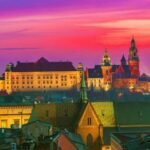

Szeroka Street: the “main drag” of the Jewish Quarter
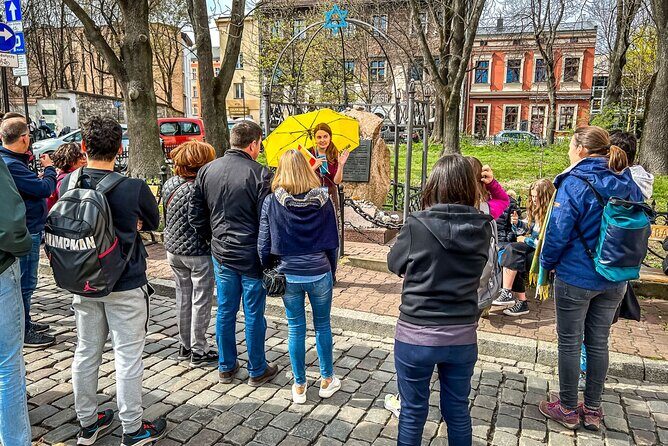
Next up is Szeroka Street, the main street of the Jewish Quarter. This stop is brief (about 10 minutes), but it has a big purpose. The guide treats the street like a timeline you can walk on, pointing you toward where important people came from and how the neighborhood functioned.
Why it matters for you: when you arrive in a historic district, it’s easy to see buildings as isolated sights. Szeroka Street acts like a backbone. It helps you understand how Krakow’s Jewish area was connected day to day, so later stops at quieter courtyards and larger squares hit harder.
You’ll likely get better photos, too. Streets like this offer views into the neighborhood’s layout, and you’ll know what you’re looking at because the guide explains the street’s role, not just its name.
Remuh Synagogue: a private house built for one of Krakow’s most important rabbis
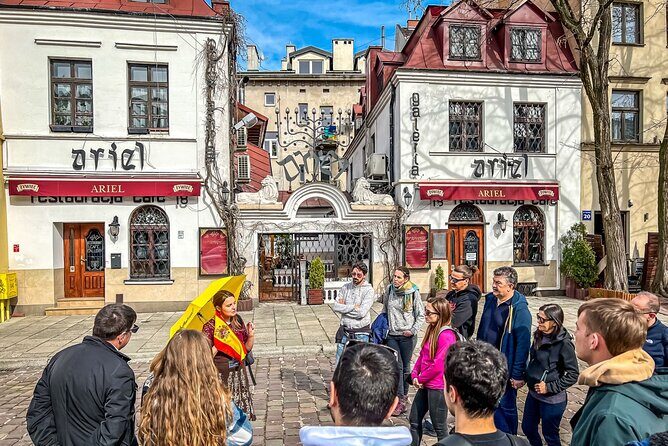
Then the route moves to Remuh Synagogue (Synagoga Remuh). This stop is also about 10 minutes, and it’s focused on the idea of prayer as something both public and personal. The tour highlights it as a private praying house built for the most significant rabbi of Krakow.
What to watch for: even if you don’t go inside, the guide’s framing helps you see why “a synagogue” isn’t just one type of building. It can be a community center, a place of learning, and a home base for leadership. This is one of those stops where you’ll feel the tour’s narrative construction. It connects the religious life you started with to the people who shaped it.
One more thing: admission is not included here. So if you want to step inside and see more closely, plan for any entry costs on the spot.
Market Square: where the Jewish Quarter comes alive again
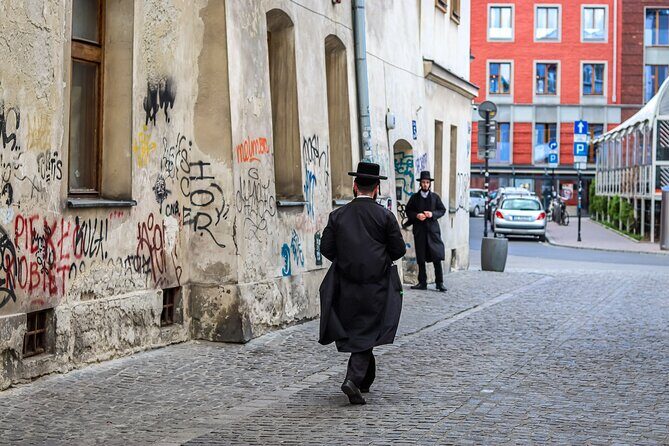
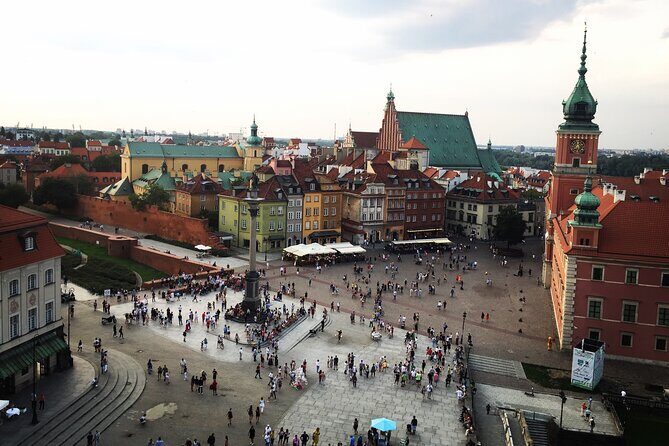
The walk continues to Market Square, described as part of the revival and nightlife of the Jewish Quarter. This is a useful change of pace. After synagogues and the weight of history, a square gives your legs and your mind a moment to reset while still staying in the district’s story.
Expect about 10 minutes. You’re not there to party, of course. You’re there to understand the neighborhood as something living, shaped by memory but also by today’s city rhythms. The guide uses this setting to explain how Jewish Krakow isn’t only something that happened in the past.
If you’re the type who gets impatient with “outdoor talking stops,” this one can still feel worthwhile because it links place to atmosphere. You’ll leave knowing why the area has that after-hours feel and what it represents.
Mrs. Dresner courtyard and stairs: the Schindler’s List location with real context
Next is the Mrs. Dresner courtyard and stairs, tied to the famous Schindler’s List filming location. The tour frames this stop as more than a movie photo spot. You’ll hear the real story behind what the film made famous, and the guide explains what was happening in and around the space.
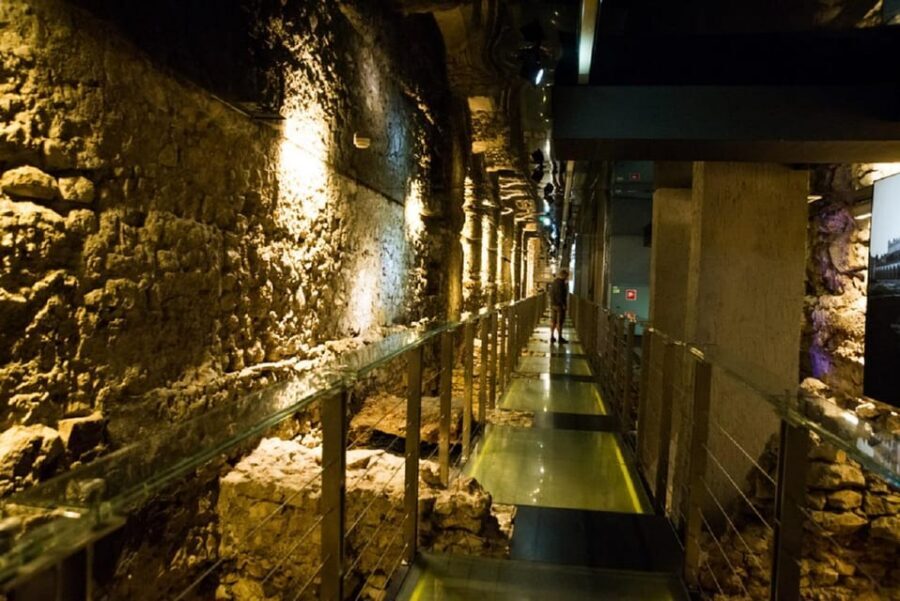
Timing is about 10 minutes, and the emotional weight lands quickly. Courtyards and staircases can seem small until you understand what they meant for the people caught in the situation. This stop helps you grasp how historic events played out in everyday architectural details—where movement was possible, where people might have hidden or waited, and how a narrow space could hold an enormous human story.
A note on your experience: if you are sensitive to WWII topics, give yourself permission to take a breath during this segment. Standing close and absorbing the facts can hit harder than you expect.

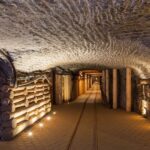
Plac Bohaterów Getta: the main WWII ghetto square and what the Nazis created
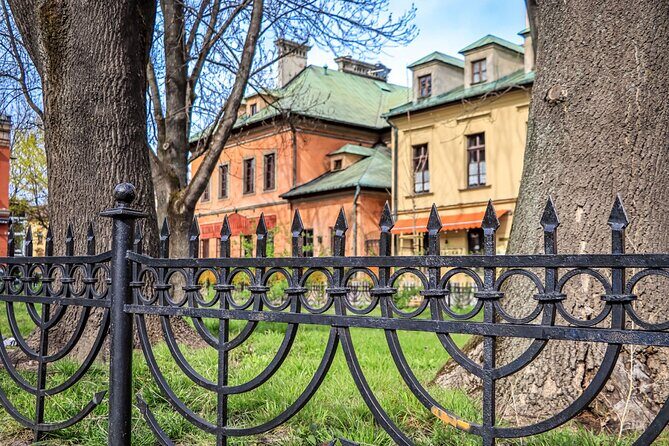
The tour’s center of gravity is Plac Bohaterów Getta, the main square of the WWII ghetto. This is where the walk shifts into deep historical context tied to Nazi actions and the creation of the WWII ghetto district.
You’ll spend about 50 minutes here, the longest stop on the route. That longer block is important. It gives the guide time to explain the logic of how ghettos were formed, what the space represented, and how you should read what’s around you now. You’ll also likely get a sense of scale—how the square functions as a geographic anchor for a much larger tragedy.
For you, this part is the payoff for the earlier stops. The synagogues and street life are not just cultural ornaments anymore. They become a contrast to what was destroyed and what replaced it under occupation.
Eagle Pharmacy: the ghetto witness in the only non-Jewish household
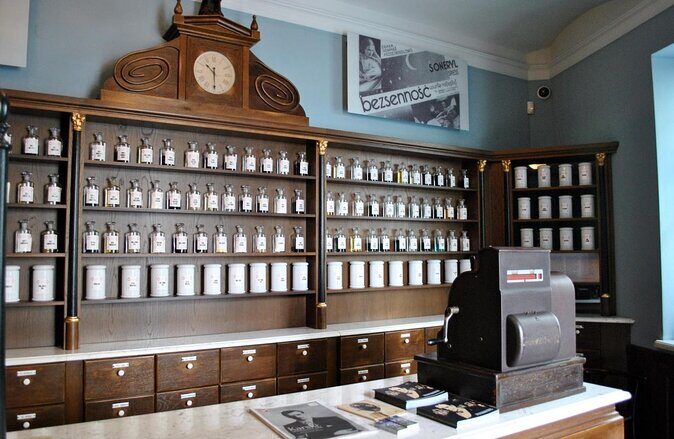
The final stop is the Eagle Pharmacy (Museum of Krakow), viewed from the outside. The tour describes it as the home of the only one non-Jewish ghetto inhabitant, who became an eyewitness of Nazi regime crimes.
This stop is about 15 minutes and works as a kind of closure. You’re leaving the most direct ghetto space and ending with a point of view: an eyewitness perspective from within the environment. It’s a careful reminder that history isn’t only one group’s experience. People saw things, recorded them mentally and later through testimony, and that matters for how we understand the period.
Admission is not included here, so you’re not necessarily getting full museum access as part of the tour. Still, the guide’s framing helps you connect the setting to the idea of testimony and documentation.
How the pacing works (and where you might want to adjust)
This tour runs about 2 hours 30 minutes, but the timetable is stop-based: shorter segments early, a major anchor at Plac Bohaterów Getta, and an end that ties witness and documentation to the broader story. In practice, you’ll spend a lot of time outdoors.
Group size is capped at 35 people, which usually keeps movement manageable. It also means you may experience a bit of waiting when everyone gathers for the guide to explain the next site. Some people prefer more walking time and less standing still. If that’s you, plan to bring something to stay comfortable: gloves, a hat, and a warm layer you can keep on without fuss.
Also keep a realistic fitness expectation. The tour asks for moderate physical fitness, and you’ll be moving on foot across multiple stops.
Guides and narrative style: why the best versions feel personal
One of the most praised elements is the guide’s ability to tell the story without drowning you in names and dates. In the strongest showings of this tour, guides such as Big Tom, Lucy, Jakob, Natalia, and Matt are described as engaging and sensitive, with a focus on storylines that connect people, places, and choices.
So what should you expect from the tour’s tone? It’s obviously devastating. But the best guides also highlight threads of love, hope, and human behavior under impossible conditions. That balance matters, because it stops the walk from becoming only a list of atrocities. It becomes a fuller account of what life meant before and what people experienced during WWII.
If you’re choosing this tour because you want context you can carry with you afterward, this is the part that delivers.
Price and value: what $26.60 buys you in real terms
At $26.60 per person for roughly 2.5 hours, the value mostly comes from two things: a local expert guide and a carefully built narrative across multiple key sites. You’re not just touring one building; you’re getting orientation across the Jewish Quarter and the ghetto area, including both religious and WWII-focused stops.
A practical detail that can help you decide how to handle your budget: several stops have admission not included, while the Old Synagogue start includes a free admission ticket. So your total cost may increase slightly if you want to go inside places beyond what the tour includes from the outside.
There’s also a pay-what-you-wish model wrapped into how reservations work. Your payment covers a reservation fee and the guide’s compensation, and if you feel the guide earns it, you can add a contribution at the end. If you’re someone who hates awkward tipping systems, don’t worry too much. You can treat it as: pay the set price, then reward a good performance if you want.
What to bring and how to dress for all-weather walking
The tour runs in all weather conditions. That means rain, cold, and gray days are part of the plan. The guide can shorten or end the tour if conditions become a threat to participant health, so your best move is to dress for weather you can actually walk in for a long afternoon.
Bring:
- Warm layers and rain protection
- Comfortable shoes with grip
- A small umbrella or hood (or both, depending on how stubborn the rain is)
- Water if you tend to get thirsty on walks
Because food and drinks aren’t included, plan to eat before you meet or after you finish.
If you’re traveling with children, they must be accompanied by an adult. And if you need accommodations for mobility or long standing, take a hard look at the moderate fitness requirement before committing.
Before you book: decide if this tone fits you
This tour isn’t built to be light or casual. It walks through religious history, community life, and WWII ghetto reality. If you want something strictly cultural and upbeat, you might find the emotional weight too heavy.
On the other hand, if you want Krakow to make sense as a city with layered history—if you want to understand what was here, what was taken away, and what survives in memory—this walk is a strong way to start.
And because it ends at Plac Bohaterów Getta, you’ll likely be positioned to keep going in the area if you have more time and energy. (It can also make it easier to stack another major WWII-related visit nearby.)
Should you book the Jewish Krakow walking tour?
I’d book this tour if you want a guided, story-driven walk that connects synagogues, neighborhood streets, and ghetto history into one understandable route. The biggest selling points are the narrative structure and the way many guides manage the balance between serious facts and human stories.
I’d hesitate if you hate standing still for explanations, if you’re not comfortable with heavy WWII subject matter, or if you’re traveling with someone who can’t handle outdoor walking in cold or wet weather.
If you book, come dressed for the day and ready to listen. This is one of those experiences where the walk itself becomes your study guide, and the city starts to feel legible.
FAQ
How much does the Jewish Krakow Walking Tour cost?
The price is $26.60 per person.
How long is the tour?
The duration is about 2 hours 30 minutes.
Where does the tour start and where does it end?
It starts at the Old Synagogue, Szeroka 24, 31-053 Kraków, Poland and ends at Plac Bohaterów Getta, Kraków, Poland.
What language is the tour offered in?
The tour is offered in English.
What is included in the tour price?
It includes a local expert guide and a thoroughly constructed narrative.
Are tickets to the stops included?
Admission is free for the Old Synagogue. For several other stops, admission is not included.
Is food or drink included?
No. Food and drinks are not included.
Is hotel pickup and drop-off included?
No hotel pickup and drop-off is not included.
Is the tour suitable for kids and families?
Children must be accompanied by an adult.
Is there free cancellation?
Yes. You can cancel up to 24 hours in advance for a full refund. After that, refunds are not available.