REVIEW · GDANSK
Gdansk Sopot and Gdynia 3 Cities Private Full-Day Tour
Book on Viator →Operated by Tours in Gdansk Local Tour Operator · Bookable on Viator
One day in the Tri-City feels like three. I love the no-hassle hotel pickup/drop-off plus the way the day connects big historical moments with real places you can still feel today. What I like most is the small-group private format paired with a guide who can explain what you’re seeing in plain English. The only real drawback to plan for is that you’ll pack a lot into about 7 hours, so you need to be okay with short walks and quick stops.
You start in Gdansk Old Town, then move through Solidarity landmarks, Sopot’s seaside promenade, and finish in Gdynia’s waterfront area. You’ll pass major architecture and stadium exteriors, then you’ll hit two “stay a while” moments: St. Mary’s Church and an Oliwa Cathedral organ concert. If you want a slow, laid-back day with long meals and lots of free time, this route might feel a bit fast.
In This Review
- Key Highlights You’ll Actually Notice
- A Day Built for Moving Between Three Cities
- Gdansk Old Town: Neptune, Amber Streets, and the Crane Area
- Solidarity Square: Where the Story Starts
- Pass-By Highlights: Stadiums and Communist-Era Housing
- Oliwa Cathedral: The Organ Concert Ticket Worth Planning For
- Sopot Beach and Monciak Street: Seaside Fame with Wooden-Pier Views
- Gdynia Waterfront: Orlowo Pier, Naval Memorials, and Sea Air
- Price and Value: What $254.64 Buys You (and What It Doesn’t)
- The Guide Makes the Day: Mike, Mirek, Christopher
- How Much Walking and Where You’ll Feel It
- Who This Tour Fits Best
- Should You Book the Gdansk, Sopot, and Gdynia Private Tour?
- FAQ
- How long is the Gdansk, Sopot, and Gdynia private full-day tour?
- Do you get hotel pickup and drop-off?
- Is this tour private or shared with other groups?
- Is the tour offered in English?
- What entrance tickets are included?
- Is food and drinks included?
- Are children allowed, and do they pay?
- Can I cancel for a full refund?
Key Highlights You’ll Actually Notice
- Private, just your group with a licensed guide and private transport for the full day
- Hotel pickup and return across Gdansk, Sopot, and Gdynia so you don’t waste time figuring buses
- Included church time and an Oliwa organ concert (tickets are part of the tour)
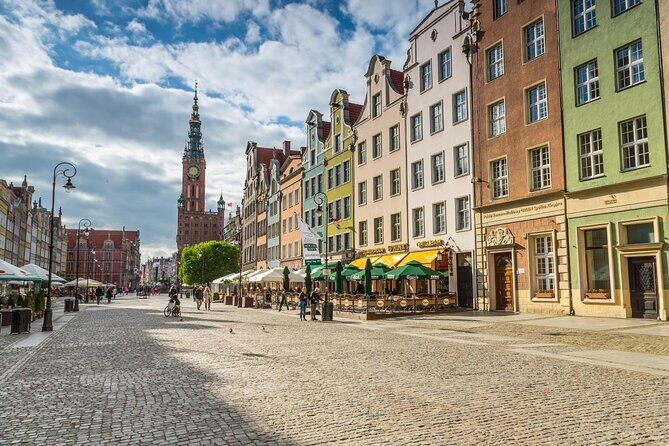
- Old Town details that matter like Long Street, Neptune’s fountain, and the Crane area
- Two different seaside moods in Sopot and Gdynia, with piers and waterfront views
A Day Built for Moving Between Three Cities
This tour is designed for people who want the Tri-City highlights without turning the day into a logistics puzzle. You’re collected from your hotel in Gdansk, Sopot, or Gdynia, then transferred by private vehicle. That matters here because the distances are short, but traffic and parking can eat up your time fast.
The format is private, meaning you won’t share the van with strangers. In the real world, this usually turns into smoother pacing. Your guide can adjust walking speed, pause for photos, and answer questions on the spot. And yes, it’s offered in English with mobile tickets.
One more practical note: the tour is about 7 hours, with several stops that are around an hour or less. That’s not a problem if you’re excited to see a lot. It can feel like too much if you prefer lingering in one place for half a day.
You can also read our reviews of more private tours in Gdansk


Gdansk Old Town: Neptune, Amber Streets, and the Crane Area

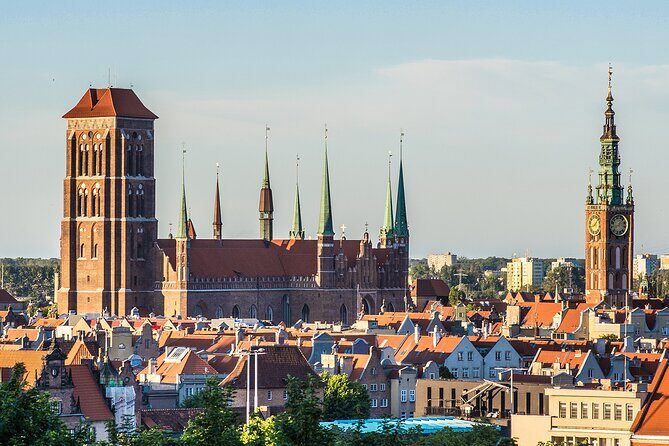
You begin in Gdansk’s restored Old Town, the part of the city that looks both historic and carefully rebuilt after World War II. The guide experience is what makes this section work. Instead of just seeing buildings, you get pointers on what to look for and why it mattered.
The time here is about two hours, which is plenty for a solid walking loop. You’ll encounter Long Street with its long line of old facades, and you’ll get close to the fountain of Neptune. This is one of those small stops that feels like a landmark even if you’re not sure what it symbolizes at first—your guide helps connect it to the city’s identity.
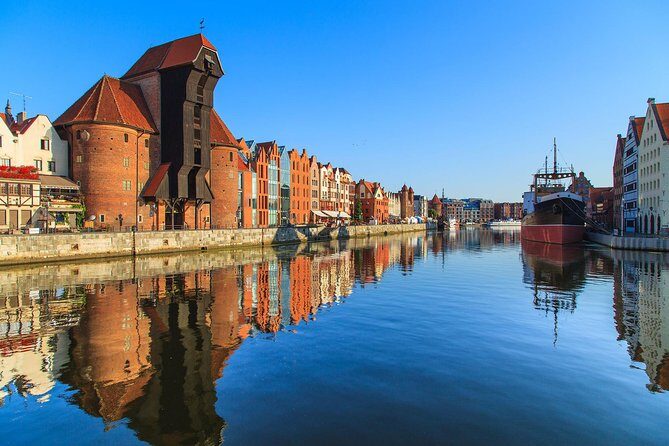
You’ll also hear about Amber Street, often linked with a famous figure connected to the name Amber. Then there’s the famous Crane and the nearby Island of Granaries area. Even if you don’t go into every museum, these are the shapes of Gdansk—port trade, craftsmanship, and the way the city grew around shipping.
What I like here is that your “Old Town” time isn’t just pretty streets. You’re building context for the rest of the day, especially once you reach Solidarity-related stops later.
Solidarity Square: Where the Story Starts
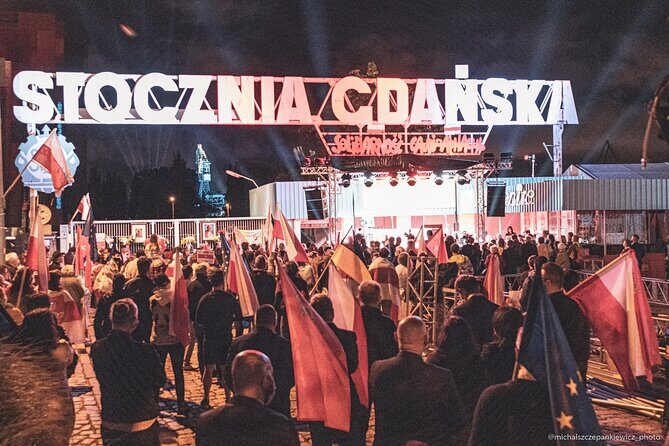
Next up is Europejskie Centrum SolidarnoSci, but the real focus is the Solidarity Square and the Monument to the Fallen Shipyard Workers. This isn’t a quick photo stop. You spend around 30 minutes here, enough to read and absorb without rushing.
Even if politics isn’t your usual travel topic, this stop helps you understand why these cities feel different from other Polish coastal towns. The shipyard theme is central—work, identity, and collective action. It’s also where the day’s tone shifts from sightseeing to meaning.
This is one of those places where a guide makes a real difference. You’re not just walking past a monument; you’re learning how the people and events connect to what came later.
Pass-By Highlights: Stadiums and Communist-Era Housing
After Solidarity, you’ll do a few short “see it from the vehicle” moments. These are quick stops designed to show you what the Tri-City looks like beyond the postcard core.
You’ll pass the Amber football stadium—presented as one of Poland’s standout arenas. You’ll also glide by the Falowiec, the long residential block from the communist period. It’s an unusual visual: an 800-meter-long housing structure with thousands of residents. It can look like a strange city prop until you realize it’s real housing and it shaped how people lived.
These pass-by moments take only minutes, but they help round out your mental map. The Tri-City isn’t only old stone and seaside piers. It has modern sports energy and very real housing history too.
Oliwa Cathedral: The Organ Concert Ticket Worth Planning For
One of the biggest wins in this tour is the Oliwa Cathedral stop, paired with the concert. You get about an hour, and the entrance tickets for the concert are included.
Oliwa is described as a park area within the Tri-City, so you’re not just stepping into a church. You’re moving through a green setting first, which changes the pace. Then you’re taken to the cathedral, where the focus becomes the organ.
The tour includes an organ concert, and you’ll hear why people talk about it so much. The cathedral is known for its major organ, and the sound experience is a big part of why this stop is often the reason to pick this tour over a simpler “drive-by” day.
If you’re not into classical music, this is still worth it. Think of it like a local tradition you can only understand by being there. You don’t need to know the names of pieces. You just need to listen and enjoy the structure of the performance.
A few more Gdansk tours and experiences worth a look
Sopot Beach and Monciak Street: Seaside Fame with Wooden-Pier Views
Then comes Sopot, where the mood turns toward vacation. You’ll spend about an hour around the beach area and Monciak Street, often considered one of Poland’s best-known promenades.
This is the part that feels most “resort-like,” with cafés, shops, and the kind of promenade energy that makes you want to stop for one more photo. You’ll also get pointed toward the waterfront highlights, including the longest wooden pier in Europe and the Spa Park area by the water.
One small challenge with an hour in Sopot: it’s a popular zone. In the cold months, it can feel calmer; in summer, it can feel busy. Either way, it helps to treat this as a walking and soaking-in-the-scene block, not an all-day beach plan.
You’ll finish Sopot with a clearer sense of what the Tri-City offers when you want relaxation, not museums. That contrast is part of what makes the day feel like more than a checklist.
Gdynia Waterfront: Orlowo Pier, Naval Memorials, and Sea Air
After Sopot, the day shifts again as you reach Gdynia. You’ll have a short look at Orlowo Pier, a district-side pier with cliffs in the wider Tricity area. The time here is brief, about 10 minutes, but it’s the kind of stop that changes how you imagine the coastline.
Then you head to Plaza Śródmieście, where naval ship history anchors the final stretch. The battleship Lightning and the frigate Gift of Pomerania are the reminders here. If you like maritime stories, this is the moment when the coast stops being scenery and becomes a national symbol.
You’ll spend about an hour in this area. That’s enough time to take in the memorials and still walk around without feeling like you’re just waiting for the van to arrive.
This ending works because it loops back to the earlier Solidarity shipyard theme. The day started with labor and ships. It closes with ships tied to national identity.
Price and Value: What $254.64 Buys You (and What It Doesn’t)
This tour costs $254.64 per person and runs about 7 hours. On paper, that sounds like a lot for a day trip. In practice, the value depends on what you compare it to.
Here’s what you’re paying for:
- Private transport for the full day
- Hotel pickup and drop-off, so you don’t pay for taxis or burn your energy on transit
- A licensed guide who connects locations with context
- Two important paid experiences included: St. Mary’s Church entrance and the Oliwa Cathedral concert ticket
If you tried to stitch this together on your own—guide plus transfers plus tickets—it usually becomes more expensive than you’d hope. The guide part is also the differentiator. The sites are meaningful, but context makes them hit harder.
What’s not included: food and drinks. So I suggest planning either a pre-tour snack or money set aside for a lunch stop during the day. You’ll want to stay flexible, especially if you’re traveling in a season where weather changes how long people linger outdoors.
Also keep in mind that the schedule is packed. If you’re the kind of traveler who likes slow afternoons, this route may feel like too much. If you like efficient sightseeing with explanations, it’s a strong deal.
The Guide Makes the Day: Mike, Mirek, Christopher
The tour’s reputation is strongly tied to the guides. Names you may see include Mike, Mirek Kopec, and Christopher. The big pattern is storytelling with structure: your guide shares local perspective and historical context in a way that stays understandable even if you’re not into politics.
I also like that different guides handle pacing with care. In one example, Mike reportedly planned timing to handle traffic challenges and still hit major points without turning the day into a sprint. In another, Mirek Kopec is described as both professional and human—safe driving, punctual pickup, and time management that respects your group.
In other words, you’re not just booking stops. You’re booking someone who can explain why Gdansk feels one way, Sopot feels another, and Gdynia feels like the port’s older, naval sibling.
How Much Walking and Where You’ll Feel It
This is not a hardcore hike tour. You’ll do a mix of van time and short walking sections. The parts that likely take more of your legs are:
- the Old Town loop around the center
- time around St. Mary’s Church area
- the promenade walk in Sopot
- the waterfront memorial area in Gdynia
If you want to keep it comfortable, wear shoes you can walk in for short spurts. If you use a cane or have mobility needs, it’s worth telling your guide in advance at booking. In past experiences, guides were attentive to clients’ needs and adjusted where people could hear comfortably during stops.
If you’re traveling with kids: children under 7 are free, as long as you inform the operator. For families, the pace is manageable as long as kids can handle short walks and frequent transitions.
Who This Tour Fits Best
This tour is a great match if you:
- want the Tri-City highlights in one day
- prefer private logistics over public transit
- care about historical context, especially around shipyards and Solidarity
- want Sopot’s seaside without spending the whole day there
It might not be ideal if you:
- want a slow, beach-first day with long downtime
- dislike structured schedules and prefer free wandering only
- plan to do lots of extra activities beyond the included stops
There’s also a simple strategy for value. If you want more time in one city, ask your guide about adjusting timing. A shorter stop in one area can help you get deeper in another.
Should You Book the Gdansk, Sopot, and Gdynia Private Tour?
I’d book this if you want a well-run day that connects three places that are clearly different. The included St. Mary’s Church access and the Oliwa Cathedral organ concert make this more than a “drive and look” experience. Add hotel pickup and private transport, and the day becomes much easier to enjoy.
I wouldn’t book it if you’re chasing a relaxed pace or you’re hoping for long free time in one city. This is an efficient, explanation-led route. If that’s your style, it’s a strong choice.
If you’re on the fence, think of it like this: you’re not just buying seats in a van. You’re buying a guided way to understand what makes Gdansk, Sopot, and Gdynia feel tied together, even when they look nothing alike.
FAQ
How long is the Gdansk, Sopot, and Gdynia private full-day tour?
It runs for about 7 hours.
Do you get hotel pickup and drop-off?
Yes. Pickup and drop-off are offered from your hotel in Gdansk, Sopot, or Gdynia.
Is this tour private or shared with other groups?
It is private. Only your group participates.
Is the tour offered in English?
Yes, it is offered in English.
What entrance tickets are included?
Entrance tickets are included for St. Mary’s Church and for the Oliwa Cathedral concert.
Is food and drinks included?
No. Food and drinks are not included.
Are children allowed, and do they pay?
Children under 7 are free, but you should inform the operator about kids when booking.
Can I cancel for a full refund?
Yes, free cancellation is available. You can cancel up to 24 hours in advance for a full refund.