REVIEW · KRAKOW
From Krakow: Zalipie and Painted Village Guided Tour
Book on GetYourGuide →Operated by Tourvan.pl · Bookable on GetYourGuide
Color coats the walls of Zalipie. This trip is all about Poland’s folk-art village where houses, churches, stoves, and tiny paper details wear cheerful painted scenes. I especially like how the day blends visual wow with a real local story, thanks to an English-speaking guide-driver and small-group pace.
I also appreciate the hotel pickup and drop-off in Krakow. You’re not hunting buses or timing transfers in another country; you’re just dropped in the right place, guided through what matters, then returned to your hotel. That convenience is a big part of the value for an 8-hour outing.
One thing to keep in mind: while museum entry is listed as included, you may still be asked to pay extra on-site, and the shops often may be cash-first. Plan for a long day without food included, too.
In This Review
- Key things to know before you go
- Zalipie from Krakow: the easy ride that sets the tone
- Wandering Zalipie’s painted village: what to look for
- The Homestead of Felicja Curylowa Museum: where the story comes from
- Finding handmade souvenirs without the tourist trap feel
- The guide-driver effect: getting more than “a route”
- Timing, food, and seasonal reality: plan for the long 8 hours
- Getting your day right: practical checklist
- Price and value: is $132 worth it?
- Should you book this Zalipie day trip from Krakow?
- FAQ
- How long is the Zalipie and Painted Village guided tour from Krakow?
- Does this tour include hotel pickup and drop-off in Krakow?
- Is the Felicja Curylowa museum ticket included in the price?
- Are food and drinks included?
- What group size and guide language should I expect?
- Is the tour wheelchair accessible?
Key things to know before you go
- Small group (up to 15) means more time for questions and a less rushed village walk
- Krakow hotel pickup/drop-off makes the countryside day trip feel effortless
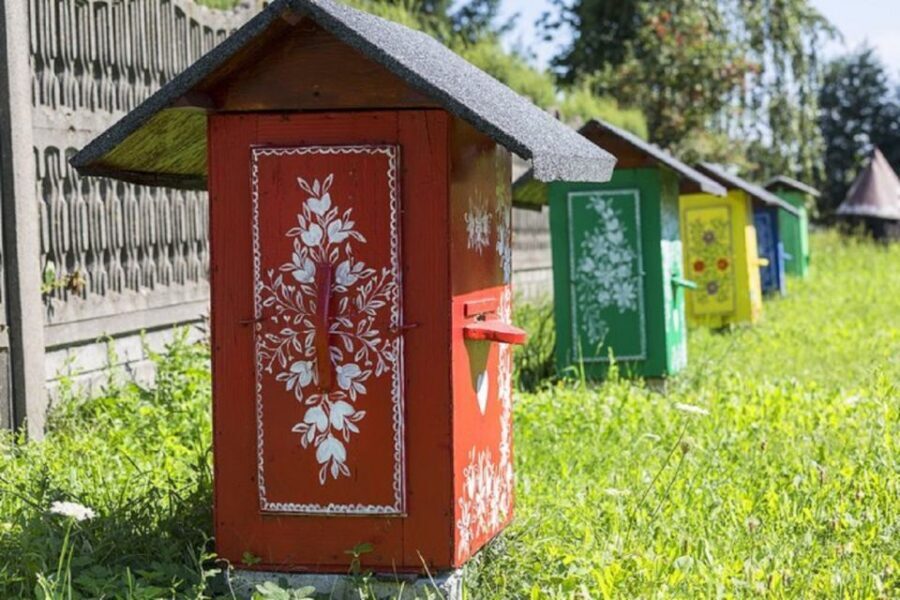
- Zalipie’s house painting details go beyond “pretty walls” to stoves, churches, and paper craft elements
- Felicja Curylowa Homestead Museum is a must-see for understanding the art’s roots
- Souvenir shopping is hands-on and handmade, but bring cash just in case
- 8 hours is long without food provided, so plan your lunch stop early
Zalipie from Krakow: the easy ride that sets the tone
This is one of those day trips where the logistics matter. You start in Krakow with pickup at your hotel, then ride out into Lesser Poland with your guide-driver. It keeps the day smooth, and it also helps because Zalipie is a small village—having someone who knows where to go makes a big difference.
You’ll get an English live guide in a small group of up to 15 people. That size is ideal for a place where photos are a big part of the fun. In a bigger group, you spend more time waiting and less time looking closely. Here, you can slow down at a painted door or a church detail and actually take it in.
One more practical note: the trip is listed at 8 hours. That’s enough time to see the key painted spots and the museum, but it’s also long enough that you’ll feel food timing. Since food and drinks are not included, bring a plan for lunch or snack breaks.
You can also read our reviews of more guided tours in Krakow

Wandering Zalipie’s painted village: what to look for
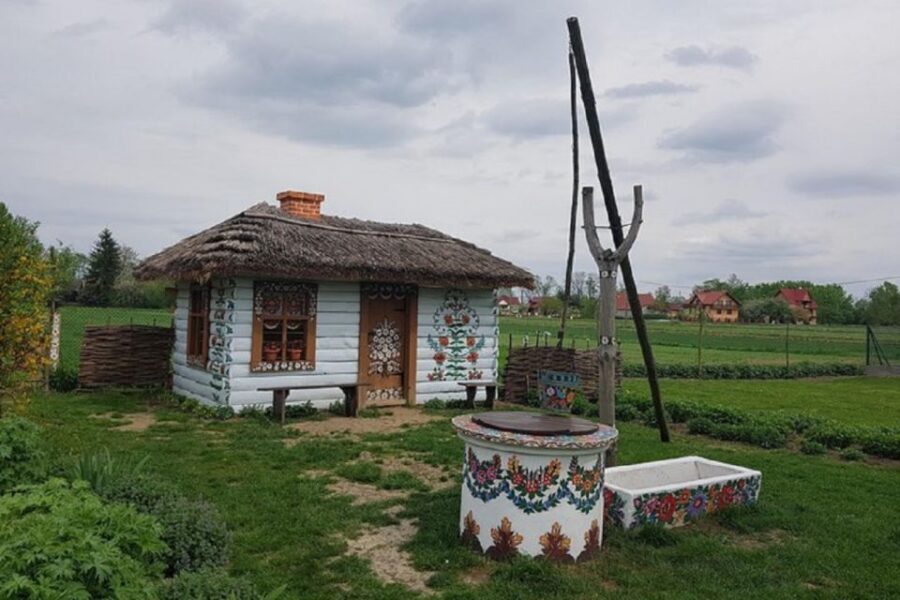
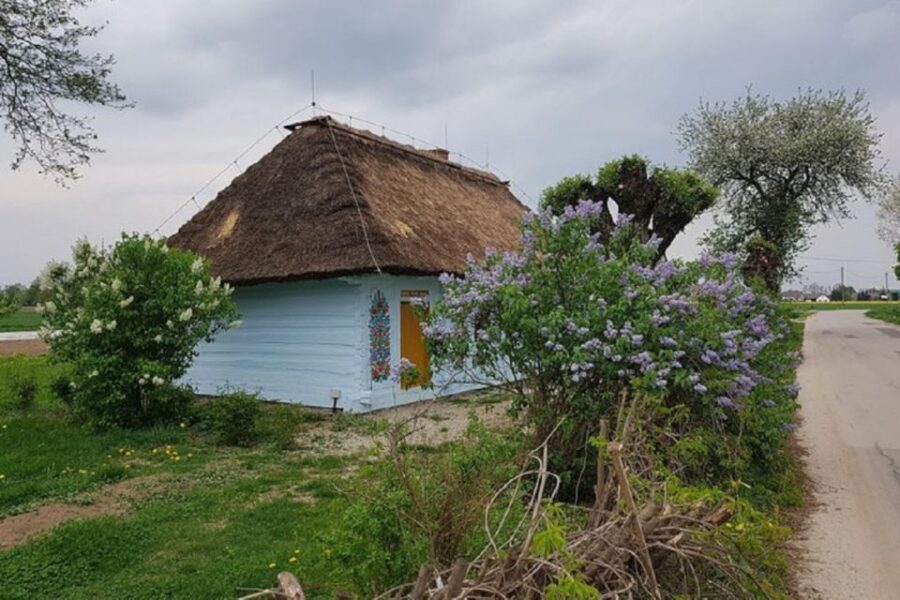
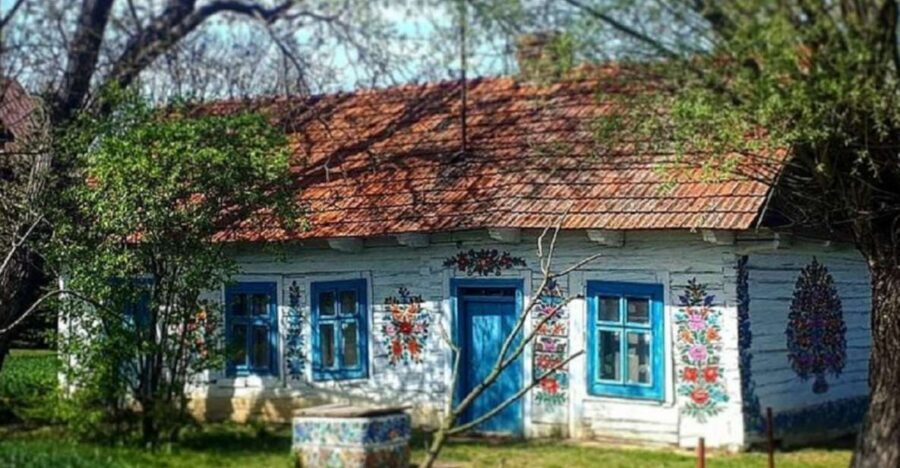
Zalipie is famous for painting every surface people will notice—walls, window areas, and even the stoves inside village homes. When you arrive, the guided walk helps you spot the village’s “language” of folk art: cheerful motifs, bright patterns, and crafted textures that go beyond simple murals.
What I like about this place is that it isn’t just one photo spot. You can spend time looking at:
- painted scenes on the outside of homes
- the church that’s decorated with the same folk spirit
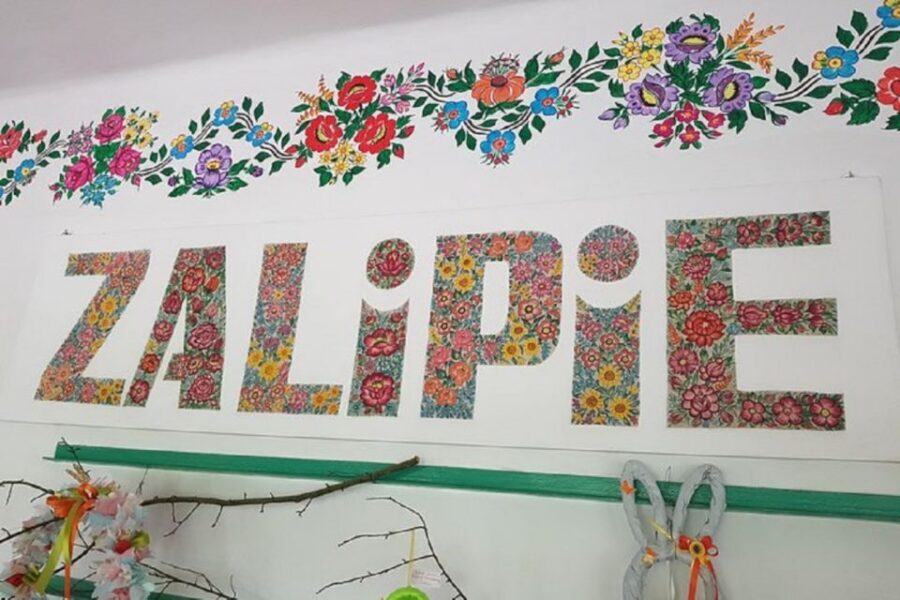
- elements like crepe-paper flowers and paper-cut designs that add texture, not just color
- recurring themes such as birds, bees, and flowers
That’s why people call it one of Poland’s most Instagrammable spots—but it’s not shallow. The guide gives the context behind the decorating tradition, so you’re not only chasing images.
Also, Zalipie is often presented as having deep roots in the region’s story, including a connection to the former seat of Polish kings. Even if you come for the art, the village background makes the decoration feel more meaningful than a decorative theme park.
The Homestead of Felicja Curylowa Museum: where the story comes from
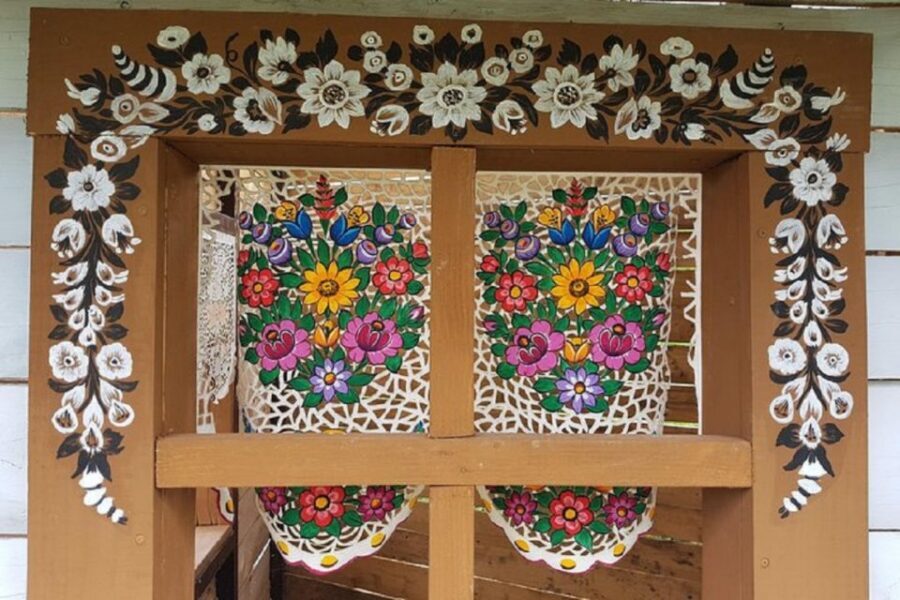
The cultural anchor of the day is the Homestead of Felicja Curylowa Museum. This is the former home of the most famous practitioner of the folk art for which Zalipie is known, so it gives you the “how it started” angle rather than only the finished results.
The activity information says there’s an entrance ticket to the museum included, and that you’ll go inside with your guide for the village context. At the same time, at least one traveler reported that they had to pay extra to enter. I’d treat that as a practical caution, not a deal-breaker: bring cash so you’re never stuck staring at a ticket desk with no money.
What makes the museum worthwhile is that it helps you understand the obsession. Zalipie’s painting isn’t random. It’s tradition—passed along through family life and community practice. Once you’ve seen the homestead and learned how Felicja Curylowa became such a defining figure, the village walk afterward tends to click into place.
Finding handmade souvenirs without the tourist trap feel
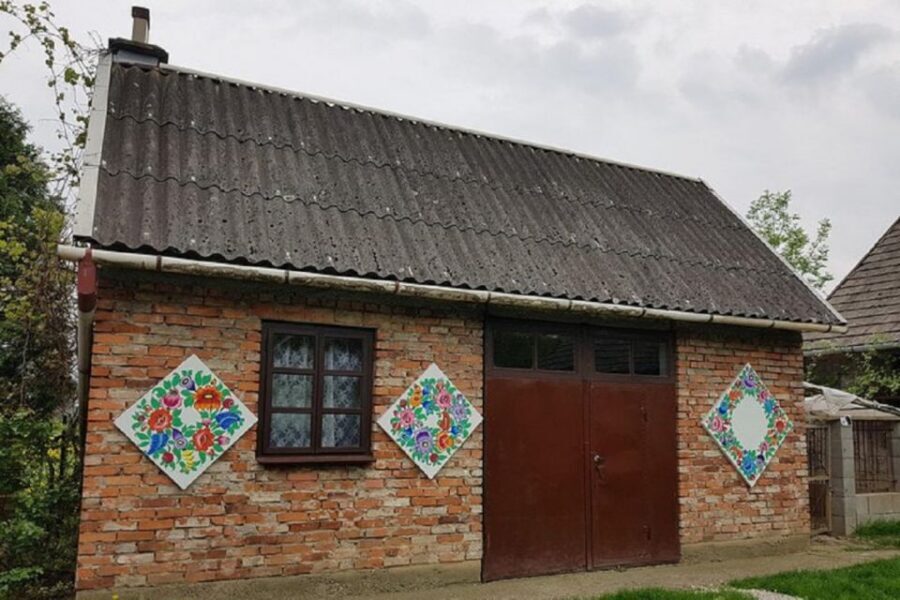
Zalipie’s shops are small and village-like, which changes the souvenir vibe. Instead of mass-produced gifts, you’re looking for handmade pieces tied to the art style. The tour includes time for a stop at a small shop with unique handmade souvenirs.
Here’s the practical tip: one traveler specifically mentioned that gift shops didn’t have card machines. That lines up with what you’d expect in smaller village settings. So if you want more than postcards and magnets, bring cash and be ready to buy when you see something you like.
Also, if you enjoy folk art, pay attention to materials and technique. Even without deep technical knowledge, you’ll be able to spot when something is actually made carefully rather than printed or assembled quickly.
The guide-driver effect: getting more than “a route”
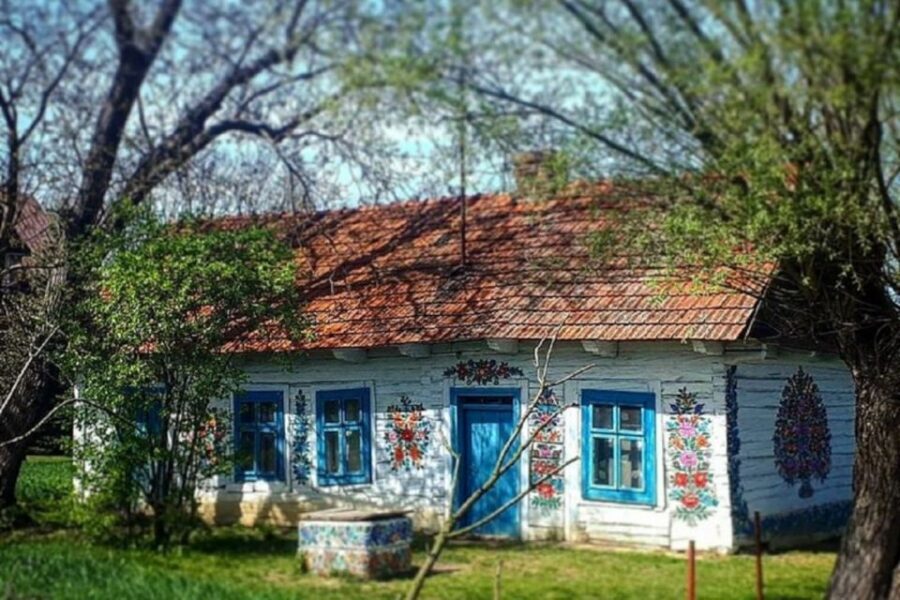
This tour works well when your guide-driver is sharp at storytelling. The good news is that the experience is designed around a guide who drives and leads, so you’re not stuck with a silent bus ride between stops.
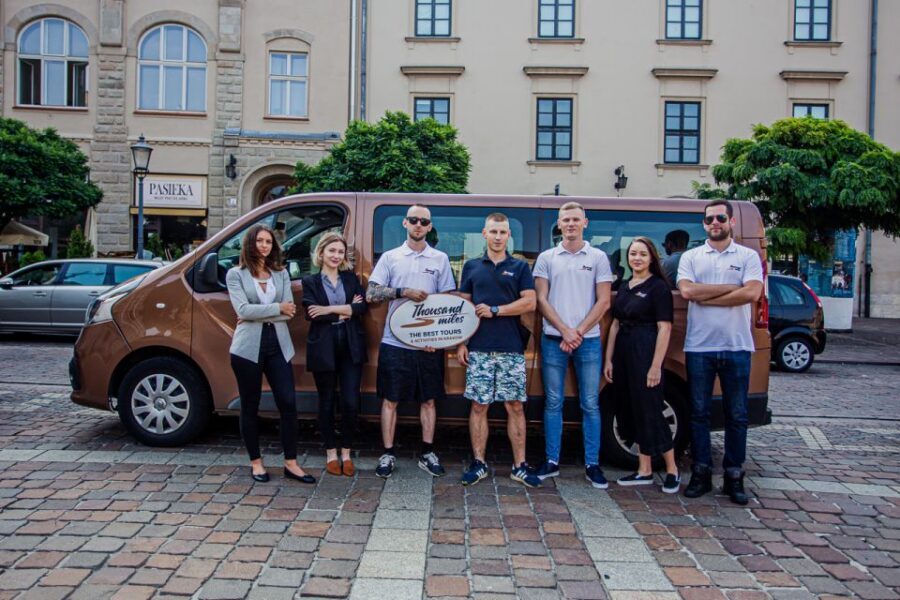
In past departures, guides mentioned by name include Ziggy, Volchek!, and Wojtek. What they seemed to do well in their roles was make the day feel like a conversation, not a checklist. One example: people described being welcomed at stops connected to local painters, which adds a human layer you don’t always get on other countryside tours.
To get the most out of it, come with curiosity. Ask about the motifs you’re seeing—why stoves get painted, what church decoration represents, and how the tradition was practiced in daily life. With a small group, those questions don’t get swallowed by crowds.
A balanced point: if you hit a day with construction issues or seasonal closures, your guide’s flexibility becomes even more important. One traveler reported that in winter, many things were closed, and road construction affected what they could see—yet the guide still kept the day pleasant with conversation and adjustments.

Timing, food, and seasonal reality: plan for the long 8 hours
Let’s be honest: an 8-hour countryside trip without included food needs a bit of self-management. The tour doesn’t include food and drinks, so you should plan snacks or a lunch stop.
One traveler said it would have been helpful if the tour info suggested bringing lunch, and they had to ask for a place to eat. Another described not being sure where to stop for food. I’d rather you avoid that stress.
My advice:
- bring a snack or two in your bag
- have a lunch plan in mind before you board
- if you’re traveling in cooler months, expect some places may be closed
Season matters here. A winter departure can mean closures, fewer open spots, and more reliance on what’s accessible that day. Spring or warmer periods tend to match the village’s visual theme better, but even then you should expect a countryside day, not a guaranteed open-everything tour.
Getting your day right: practical checklist
A few details will save you minor headaches:
- Bring a passport or ID card (required)
- Wear shoes that handle uneven village paths
- Bring cash for souvenirs, since card machines may not be available
- Plan for food on your own during an 8-hour day
One more practical consideration: the tour is listed as not suitable for wheelchair users. If you need accessibility support, you’ll want to look for an alternative format.
Price and value: is $132 worth it?
At $132 per person for an 8-hour day trip, you’re paying for more than a ride. You’re buying: hotel pickup and drop-off in Krakow, air-conditioned transport, a guide-driver who also leads, and access to the museum experience area.
Where the value really shows is in convenience. If you DIY to Zalipie, you’d have to manage transport and figure out what to prioritize in a village setting. Here, the “what to see” is guided, and the pace is structured around the village highlights.
The main value uncertainty is museum entry. The activity details state museum entry is included, but at least one traveler reported paying extra on-site. That doesn’t necessarily mean it’s always extra, but it does mean your true cost can shift slightly depending on how the day is run. If you bring cash, you protect yourself.
For the kind of traveler who wants a mix of countryside atmosphere and clear explanations, this price usually feels fair. For someone who only wants photos and doesn’t care about folk-art context, it may feel a bit expensive.
Should you book this Zalipie day trip from Krakow?
I’d book it if you want a guided, small-group day that turns folk art into a real story. The painted village scenes are the headline, but the reason the day feels worth it is the combination of: guided interpretation, museum context tied to Felicja Curylowa, and practical Krakow pickup/drop-off.
I’d think twice if you hate long days without included meals, or if you’re sensitive to ticket surprises. In that case, bring cash, pack snacks, and be ready for seasonal closures.
If you’re flexible, the tour is offered with a reserve-now-and-pay-later style option, plus free cancellation up to 24 hours in advance. That makes it easier to lock in your Krakow schedule without gambling your whole plan.
FAQ
How long is the Zalipie and Painted Village guided tour from Krakow?
The tour duration is listed as 8 hours.
Does this tour include hotel pickup and drop-off in Krakow?
Yes. Hotel pickup and drop-off in Krakow are included.
Is the Felicja Curylowa museum ticket included in the price?
The activity details list an entrance ticket to the museum as included. However, there is at least one report of needing to pay extra on-site, so bring cash to be safe.
Are food and drinks included?
No. Food and drinks are not included.
What group size and guide language should I expect?
The tour is a small group limited to 15 participants, and the live guide is in English.
Is the tour wheelchair accessible?
No. It is listed as not suitable for wheelchair users.