REVIEW · MEMORIAL AND MUSEUM AUSCHWITZ BIRKENAU
From Krakow: Wieliczka Salt Mine & Auschwitz Guided Trip
Book on GetYourGuide →Operated by LegendaryKrakow · Bookable on GetYourGuide
Two places, one heavy day. This full-day tour makes the logistics painless while pairing Auschwitz-Birkenau with the stunning Wieliczka Salt Mine. I like that you get live, English licensed guides at both sites and clear audio via provided headsets.
The main thing to watch is timing: the schedule is driven by the memorials’ own visitor flow, so you won’t have much control over breaks or pacing. In other words, come ready to follow the plan and focus on the experience.
In This Review
- Key things to know before you go
- A 12-hour plan with hotel pickup and a flexible order
- Entering Auschwitz I with clear audio and guided context
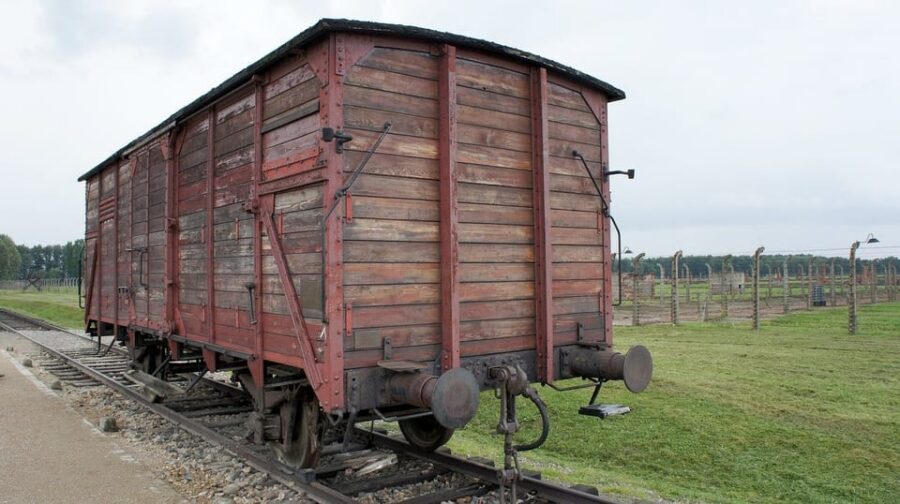
- Auschwitz II-Birkenau: the railway, barracks, and gas chamber ruins
- Wieliczka Salt Mine: 800 steps down to salt sculptures and bas-reliefs
- Price and value: what you’re really paying for at $167
- Entry rules that matter: IDs, luggage limits, and what to wear
- Who should choose this tour, and who should look elsewhere
- Should you book this Auschwitz and Wieliczka guided tour?
- FAQ
- How long is the tour from Krakow?
- What is included in the price?
- Which place do you visit first, Auschwitz or Wieliczka?
- Are skip-the-line tickets included?
- What do I need to bring and wear?
- Is this tour suitable for children or for mobility impairments?
Key things to know before you go
- Small-group options (20–40 people): still large enough for comfort, with headsets so you don’t lose the guide.
- Hotel pickup and round-trip transport: tickets, guides, and transit are handled for you.
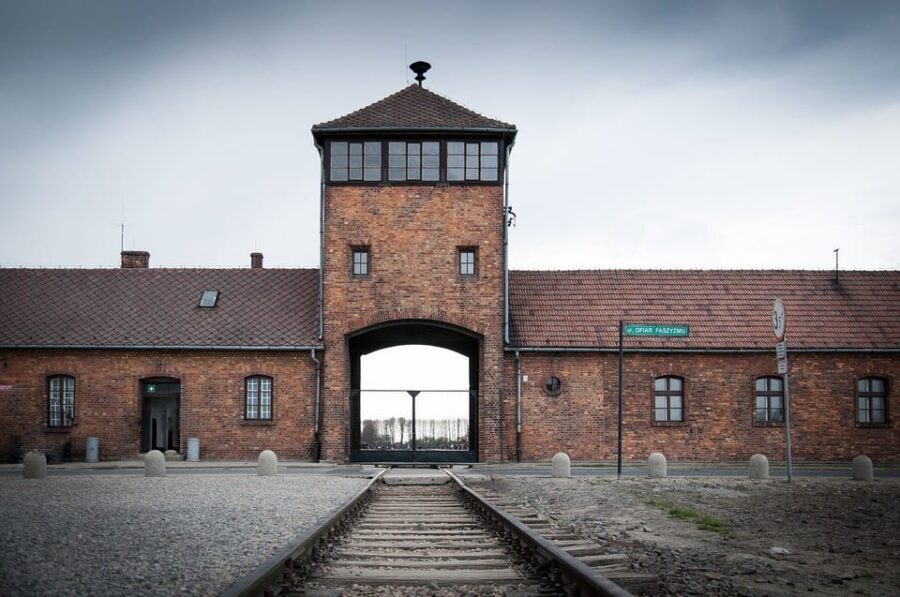
- Auschwitz I plus Auschwitz II-Birkenau: you’ll see the gate, barracks, and the railway platform, with a clear guided narrative.
- Wieliczka’s 800-step descent: you’ll spend about 2 to 2.5 hours down there, with salt-carved art and bas-reliefs.
- Cold inside the mine: expect roughly 14–15°C and dress like it matters.
- Tight entry rules: IDs must match the booking names, and bags are limited in size.
A 12-hour plan with hotel pickup and a flexible order
This is built as a whole-day outing from Krakow: you wait for your driver at your hotel or accommodation, then you’re transported with a professional, licensed service. The tour runs about 12 hours, and the departure time is listed as approximate, with changes up to 3 hours. That’s not unusual for shared transport, but it does mean you should keep your morning loose rather than locked to a separate appointment.
You can choose your group size: 20, 25, 30, 35, or 40 people. The transportation type (small bus/van/car) depends on how many people are in your batch. Bigger groups can feel crowded on paper, but the tour’s use of headsets helps a lot. It means you can keep your place in the group without straining to hear.
One more practical detail: the order can vary. Depending on the day and your selected time slot, you’ll either head to Auschwitz-Birkenau first and then Wieliczka, or go to the salt mine first and finish at Auschwitz. Either way, you’re going to move through both sites with guides who know how to make the visitor experience workable.
You can also read our reviews of more guided tours in Memorial And Museum Auschwitz Birkenau
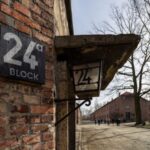
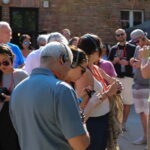

Entering Auschwitz I with clear audio and guided context
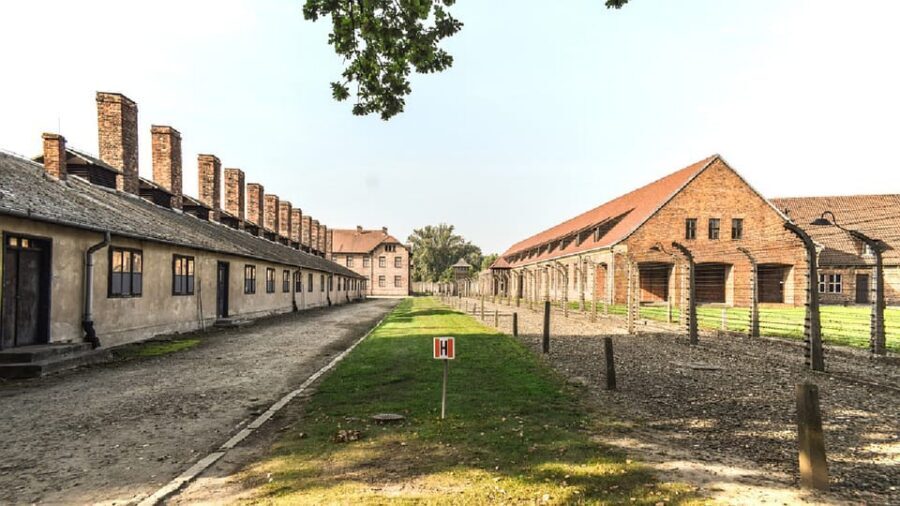
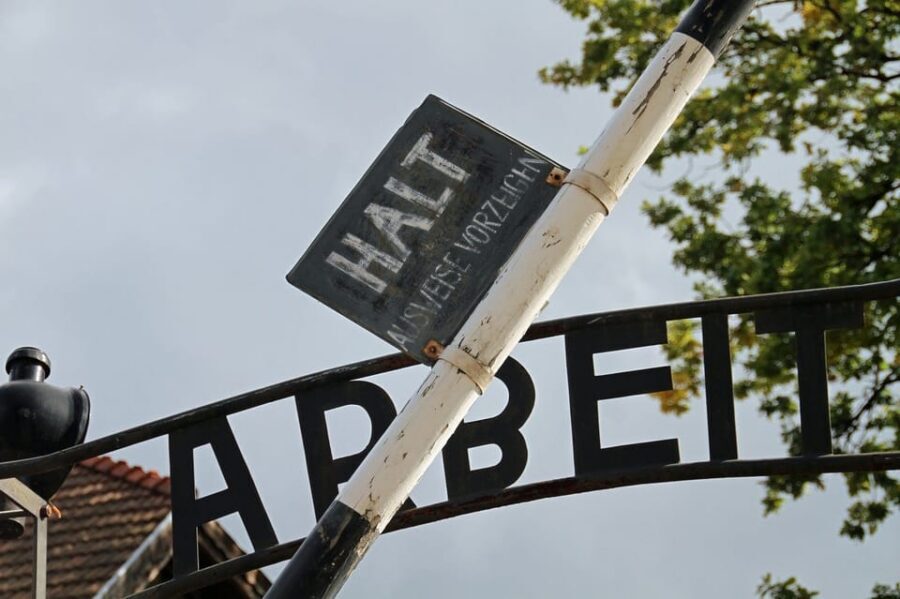
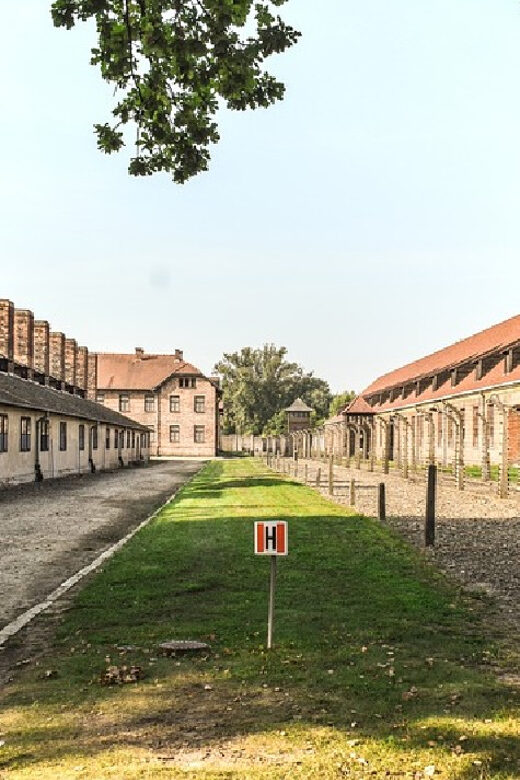
At Auschwitz-Birkenau Memorial and Museum, you meet your authorised live guide on-site and follow them into Auschwitz I. This is the camp area built in 1940, and it’s where the historical framing starts to land in a very direct way. The tour gives you time to walk on the former camp ground while learning what you’re seeing and why it matters.
A big help here is the headset set-up. You’ll be given a headset so you can hear the guide clearly no matter the distance or group size. That matters because Auschwitz spaces can be spread out, and the last thing you want is to keep turning your head or losing the thread of the explanation.
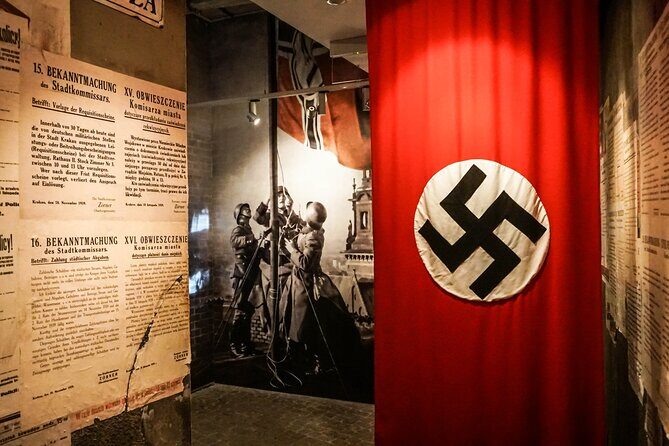
In the exhibits, you’ll see everyday objects that were left behind: shoes, pots, and other items associated with people who were kept there. These are not abstract facts. The objects make the history feel concrete, and a good guide will keep you grounded in what each display represents.
One thing I appreciate about this format is that you’re not left to wander. You do your walking, you do the museum viewing, and you’re guided through what the sites are showing rather than piecing it together yourself.
Auschwitz II-Birkenau: the railway, barracks, and gas chamber ruins
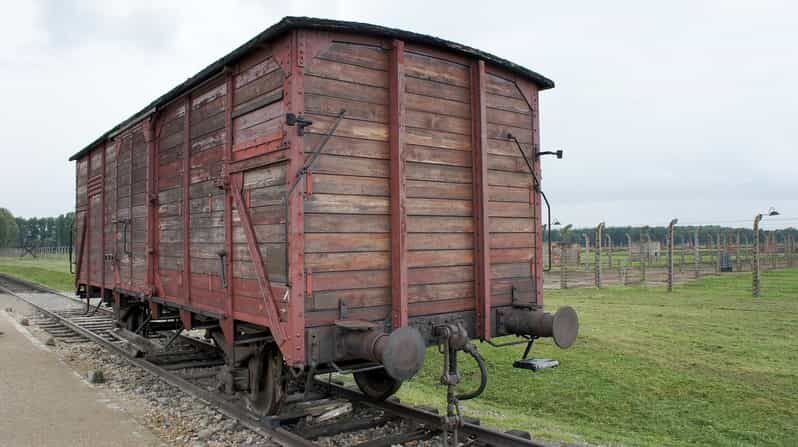
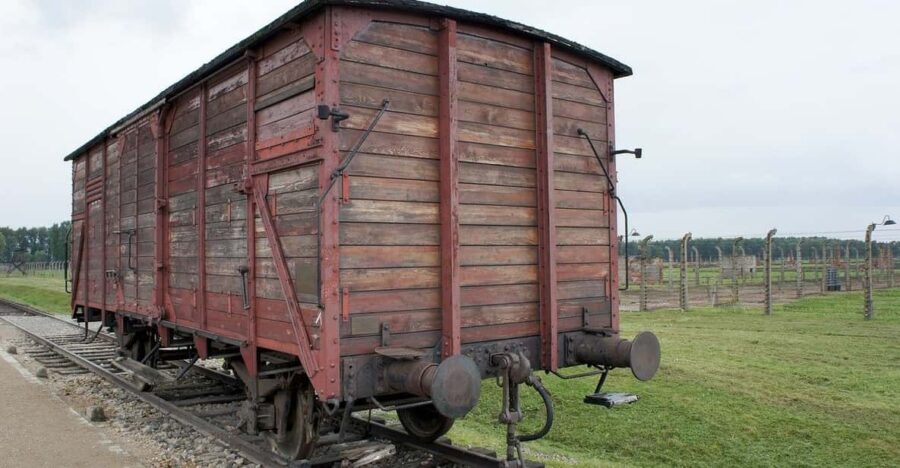
Next comes Auschwitz II-Birkenau, where the scale changes. Here you’ll walk along the railway that helped carry transports into the other part of the camp. You’ll also see key site features included in the tour highlights: the infamous entrance gate, barracks, and the railway platform.
Auschwitz II is wider and more exposed, and that changes how you experience it. You might find yourself slowing down naturally, because the space is part of the story. The guide’s job is to connect that geography to the timeline and the purpose of what happened.
You’ll also visit the ruins of the gas chambers, where people were killed on a mass scale. It’s hard, heavy material, and a headset doesn’t make it less difficult. But it can make it more understandable, which helps you avoid the common trap of only catching fragments while you’re trying to take in everything visually.
Important tone note: the pace and duration of what you do at each memorial are set by the memorial’s visitor service. Your guide can’t control breaks. This tour is designed for accuracy and flow, not flexibility.
Wieliczka Salt Mine: 800 steps down to salt sculptures and bas-reliefs
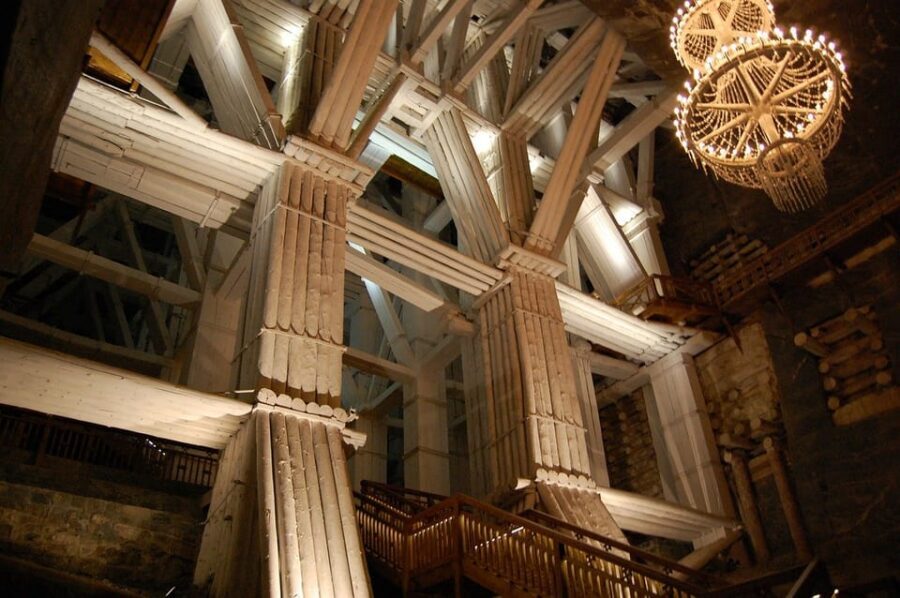
After Auschwitz, you’ll travel to Wieliczka Salt Mine. The switch from a grim memorial to a working mine (now a tourist site) can feel strange at first, but that’s exactly why I think this pairing works. The day forces you to hold two truths at once: human cruelty and human creativity.
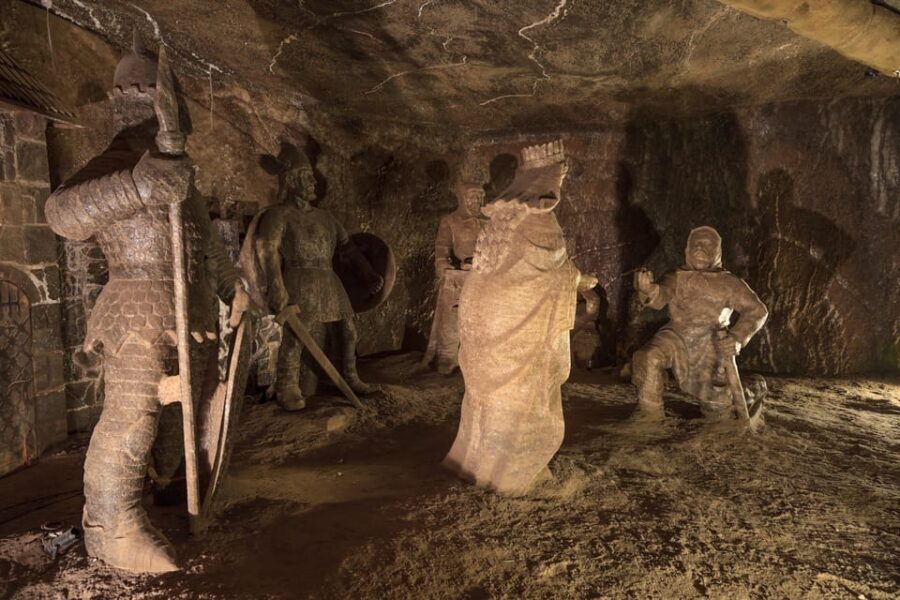
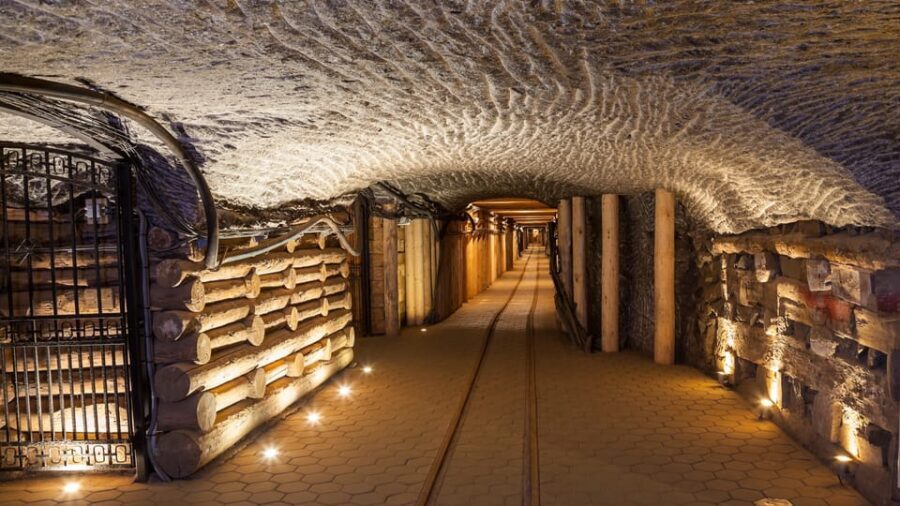
You’ll descend about 800 steps into the mine. Once you start moving through the tourist route, you’ll stop at particular floors where the salt carvings appear. This is where the mine earns its reputation: dozens of sculptures and bas-reliefs cut directly from salt, made and left by miners. It’s not just decoration. It’s a record of labor, craft, and the culture that grew around this place.
The guide explains the mine’s history and the carvings you’re seeing. Again, the headset is useful here because the spaces are underground and echo can make normal talking hard. Expect the mine visit to last around 2 to 2.5 hours.
Temperature is a real factor. Plan for about 14–15°C down there, and dress accordingly. You don’t want to rely on luck or hope you’ll be warm enough with what you wore in Krakow.
When the tour ends, you take a lift back up. That’s a nice practical finish after the steps and it keeps the day from becoming too physically punishing.
Price and value: what you’re really paying for at $167
At $167 per person, this isn’t a budget deal, but it also isn’t overpriced given what’s included. The value comes from combining several expensive-to-assemble pieces into one package:
- Hotel pickup and round-trip transport back to Krakow near the city centre
- Skip-the-line entrance tickets to both sites
- English guided group tour with authorised, live guides
- Headsets for clear audio in larger areas
- Professional transport service arranged for the group
If you tried to piece this together yourself, you’d need to coordinate entry tickets, timed museum access, transportation, and two different guiding experiences. The tour package is basically paying for that coordination so you can focus on the sites, not spreadsheets.
I also like that your time isn’t wasted wandering for the right entrance or trying to solve the order-on-the-day puzzle. You’re picked up, driven, briefed at the sites, and moved through the day with a built-in meet-up rhythm.
One more value factor: skip-the-line tickets reduce uncertainty. In high-demand places, not having to fight for time on your feet can feel like a gift.

Entry rules that matter: IDs, luggage limits, and what to wear
A trip like this can fall apart on small details, so I’d treat the rules like instructions, not suggestions. You should bring passport or an ID card. Also, your full name and contact details are required as part of booking, and the entrance can be refused if the names don’t match your ID or passport.
Bags are restricted. The maximum allowed luggage/bag/purse/backpack size is 30 × 20 × 10 cm, about the size of an A4 sheet. If you show up with more than that, you may have problems entering. So pack light and plan to travel in a way that’s compatible with strict site security.
Clothing also matters. Shorts and sleeveless shirts aren’t allowed. Weapons or sharp objects are obviously out, but the bigger point is simple: dress for compliance and comfort. You’ll walk and you’ll move between sites, so comfortable shoes are non-negotiable.
There are also restrictions on what you can bring into the vehicle: intoxication and alcoholic drinks in the vehicle aren’t allowed. That one is less about your museum experience and more about keeping the shared group process safe and smooth.
If you’re traveling with kids, note the child policy: a child seat can be arranged if your child is under 150 cm tall, but the tour is not suitable for children under 14.
And if mobility is a concern: this isn’t suitable for people with mobility impairments. That matters because of the mine’s steps and the way large memorial sites are navigated.
Who should choose this tour, and who should look elsewhere
This tour is a strong match if you want a hassle-free full day that covers both major sites with guided interpretation and real-time audio support. It’s also ideal if you don’t want to manage the back-and-forth of transit and timed entry on your own.
You’ll appreciate it most if you:
- like being guided through complex places with an explanation you can follow
- prefer group structure to solo wandering
- value clear audio via headsets, especially when groups move around indoor exhibits and outdoor ruins
It may feel wrong for you if:
- you need maximum schedule flexibility, because the pace is determined by the memorials’ visitor services
- you’re traveling with children under 14
- you rely on mobility-friendly routes, since it’s not suitable for mobility impairments
- you’re not comfortable with strict dress and bag rules
One helpful real-world note from the experience provider’s world: the transport side can make a real difference. A driver named Wojtek has been praised for being friendly and for making sure people safely entered each place and knew where to meet afterward. That kind of competence reduces stress on a day that’s already emotionally demanding.
Should you book this Auschwitz and Wieliczka guided tour?
I’d book if you want a guided, organized day that takes care of the hard parts: transit, entry timing, skip-the-line access, and clear English commentary at both Auschwitz-Birkenau and the Wieliczka Salt Mine. The headsets plus licensed guiding are the quality lever here, and the full-day structure means you don’t have to juggle two separate planning days.
I’d think twice if you’re looking for flexible pacing, need mobility accommodations, or you’re traveling with kids under 14. Also, if you hate rules about bags and clothing, read them twice before you pack.
If you do book, keep your day simple: bring the right ID, pack within the bag limit, wear shoes you can walk in all day, and dress for 14–15°C underground. Then focus on the guides and the sites. This tour works best when you treat it like a serious, guided learning day rather than a quick checklist.
FAQ
How long is the tour from Krakow?
The tour lasts 12 hours, starting times vary by availability.
What is included in the price?
You get hotel pickup, professional transport, skip-the-line entrance tickets to both Auschwitz-Birkenau Memorial and Wieliczka Salt Mine, an English guided group tour with live guides, headsets to hear the guide clearly, and transport back to Krakow near the city centre.
Which place do you visit first, Auschwitz or Wieliczka?
The order can vary depending on the day and the time chosen, so you may visit Auschwitz-Birkenau first or the Wieliczka Salt Mine first.
Are skip-the-line tickets included?
Yes. Skip-the-line entrance tickets to Auschwitz-Birkenau Memorial and Museum and Wieliczka Salt Mine are included.
What do I need to bring and wear?
Bring a passport or ID card and comfortable shoes. Shorts and sleeveless shirts are not allowed.
Is this tour suitable for children or for mobility impairments?
It is not suitable for children under 14, and it’s not suitable for people with mobility impairments. A child seat can be arranged for children under 150 cm tall if you notify the supplier.