REVIEW · MEMORIAL AND MUSEUM AUSCHWITZ BIRKENAU
Krakow: Auschwitz-Birkenau Memorial Tour with Optional Lunch
Book on GetYourGuide →Operated by AT Cracow · Bookable on GetYourGuide
Early mornings for a heavy lesson. This Krakow Auschwitz-Birkenau Memorial tour works like a guided timeline, with a licensed guide and booked entry to Auschwitz I and Auschwitz II-Birkenau. The big trade-off is that pickup can be very early, and you may wait outside before entry—especially in winter.
You ride from Krakow to the memorial in about 1 hour 15 minutes, then there’s a short break after arrival before your guided portion starts. Between Auschwitz I and Birkenau (around 3 km apart), the operator provides transfers so you don’t have to plan logistics between sites.
One more practical note: the memorial requires passport/ID to match your booking, and you’ll go through airport-style security screening. The good news is you get headsets, so even in crowds you can hear the guide clearly when the emotional weight is highest.
In This Review
- Key points I’d plan around before you go
- How the day typically runs from Krakow (and why timing feels weird)
- Auschwitz I: what you’ll see, what the guide helps you understand
- Birkenau: the distance between camps and the scale you can feel
- The lunch box option: helpful, but don’t count on it as your only fuel
- Price and value: what $139 gets you, and what can make it feel unfair
- Pickup logistics from Krakow: the part that decides your mood
- Rules and restrictions you should actually know before you pack
- Who this Auschwitz-Birkenau tour fits best (and who might rethink it)
- Should you book this tour?
- FAQ
- How long is the Auschwitz-Birkenau tour from Krakow?
- Is hotel pickup included?
- What language is the tour guide?
- Will I visit both Auschwitz I and Auschwitz II-Birkenau?
- How far apart are Auschwitz I and Birkenau?
- Are museum entry tickets included?
- Is lunch included?
- What do I need to bring for entry?
- What’s not allowed on the tour?
- Is there free cancellation?
Key points I’d plan around before you go
- Booked tickets with a museum-controlled timetable: entry is scheduled, but your start time can still shift based on availability.
- Very early pickup is possible: some departures can land you at the site well before opening.
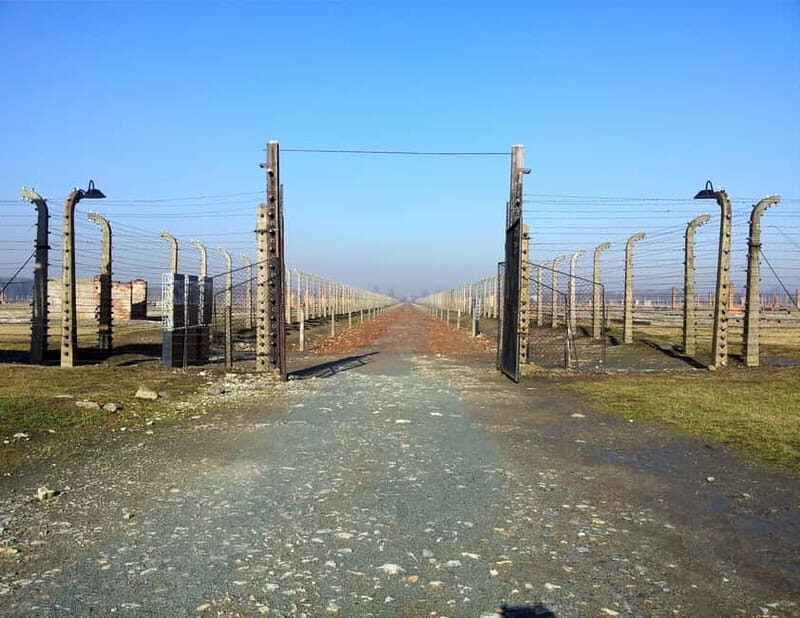
- Two camps, one flow: Auschwitz I and Birkenau are covered with transfers between them.
- Headsets help you focus: you’ll hear the guide even when the group is moving through busy areas.
- Breaks are short: think 10–15 minutes, so bring water and a snack if you skip lunch.
- Weather can be the hardest part: warm layers and rain protection matter because waiting may be outdoors.
How the day typically runs from Krakow (and why timing feels weird)
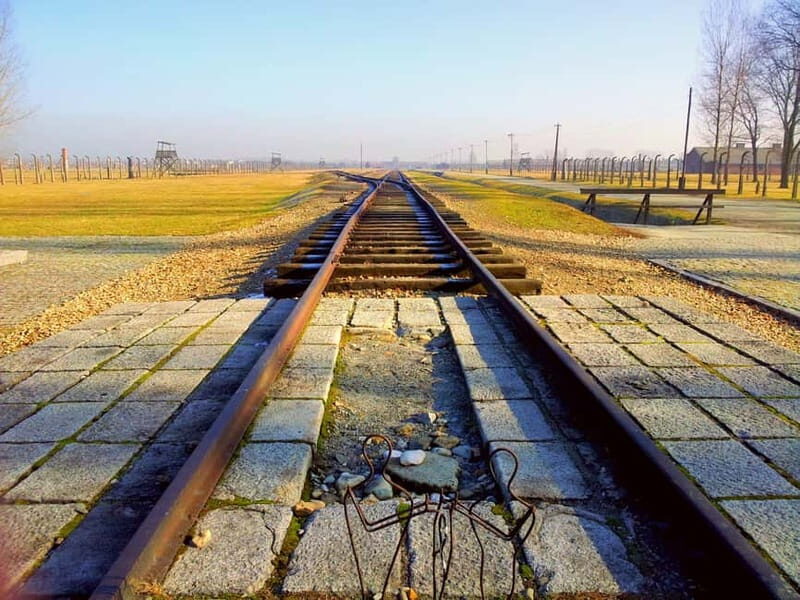
This tour is built as a full, 9-hour day: you’re picked up in Krakow, transferred to the memorial, tour Auschwitz I, then continue to Birkenau, and finally return to Krakow to the same starting location. The bus ride itself is manageable—about 1 hour 15 minutes each way—but the day’s “real” timeline is controlled by the museum.
Here’s the catch: while the operator books your entry, there can still be waiting time before you’re allowed in. Part of this is the sheer daily demand at Auschwitz-Birkenau, and part of it is the way different bus groups are slotted. The tour description even warns that waiting before entry can be long, and the pace and total duration are set by the museum.
Also, don’t assume a “normal” morning. Even if you select a preferred pickup time, it’s not guaranteed. You’ll get your exact pickup time the day before after 5 pm, and it may be very early—sometimes as early as 3:00–4:00 AM depending on the museum schedule. If you hate chaos and cold, this is the moment to steel yourself.
One more detail that affects your nerves: the driver will not wait more than 5 minutes after the scheduled pickup time. So I’d treat pickup like a train with a strict departure, not like a casual city tour.
You can also read our reviews of more tours and experiences in Memorial And Museum Auschwitz Birkenau.
Auschwitz I: what you’ll see, what the guide helps you understand
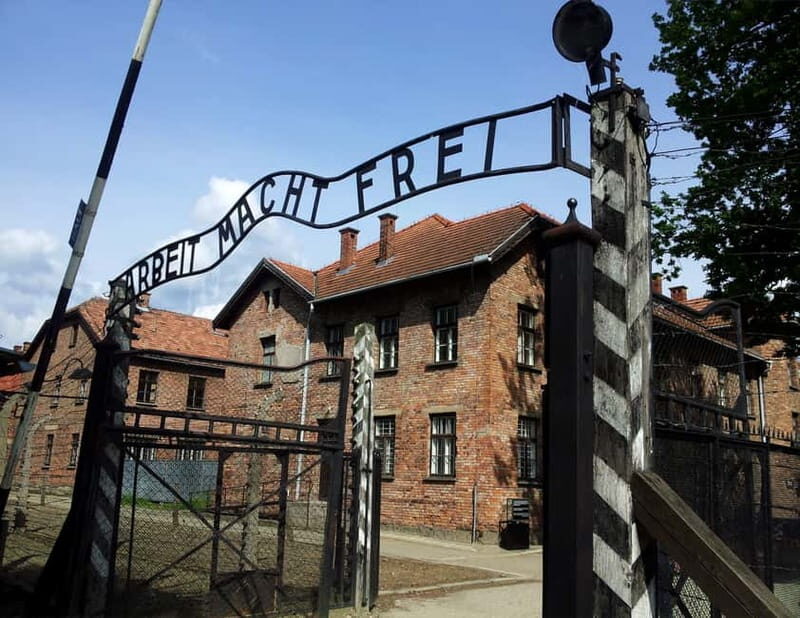
Auschwitz I is the first stop and usually takes about 2 hours with a licensed guide. You enter through the main gate with Arbeit Macht Frei (work sets you free). That setting matters because the memorial doesn’t just show artifacts—it also frames the system that made mass incarceration and exploitation possible.
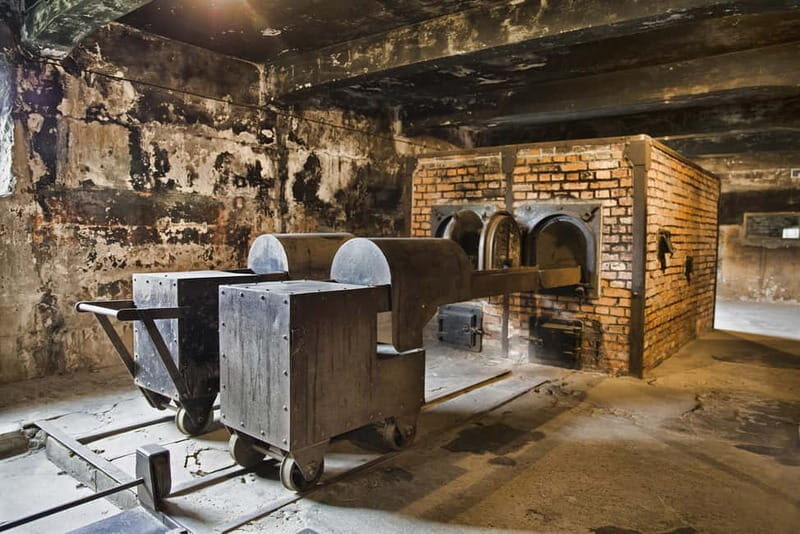
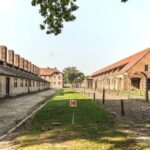
In Auschwitz I, you can expect to walk through the heart of the camp complex with your guide explaining key elements as you pass. The route typically includes brick barracks, artifacts tied to the site’s former prisoners, and reconstructed elements showing how the camp operated as a whole. You’ll also see the only remaining gas chambers and crematories here, which is historically significant in a way that’s hard to process without context.
Two practical tips here:
- Bring yourself back to the guide’s explanations, not just the visuals. The camp is big and heavy. A good guide helps you connect what you’re looking at to what it meant.
- Don’t plan on a lot of wandering time. The tour format is structured, and the museum sets what you can do and how long you’re moving through each area.
Photography is part of the experience—you’ll pass spots where you can take pictures of the former prisoners’ areas and the camp structures. Just keep your pacing respectful. Sometimes the camera itch shows up right when your brain wants to look away; that’s normal.
Birkenau: the distance between camps and the scale you can feel
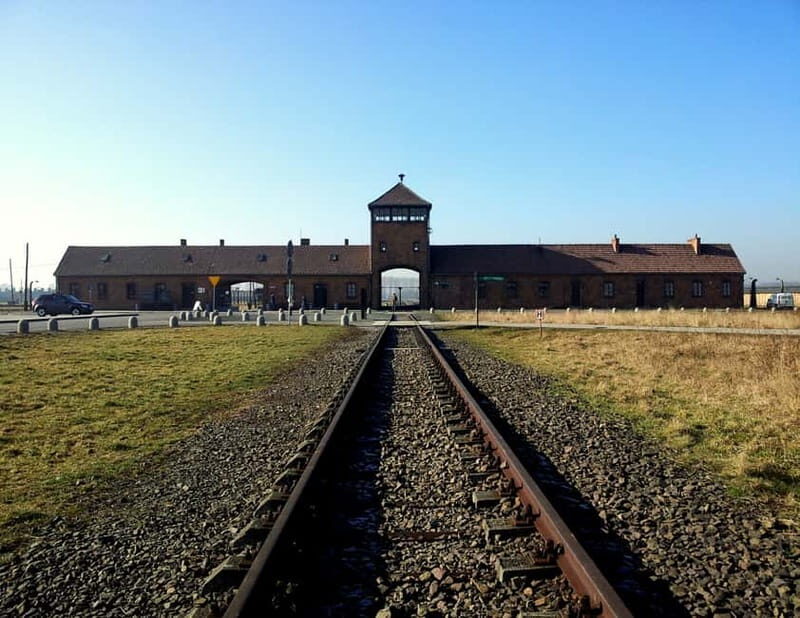
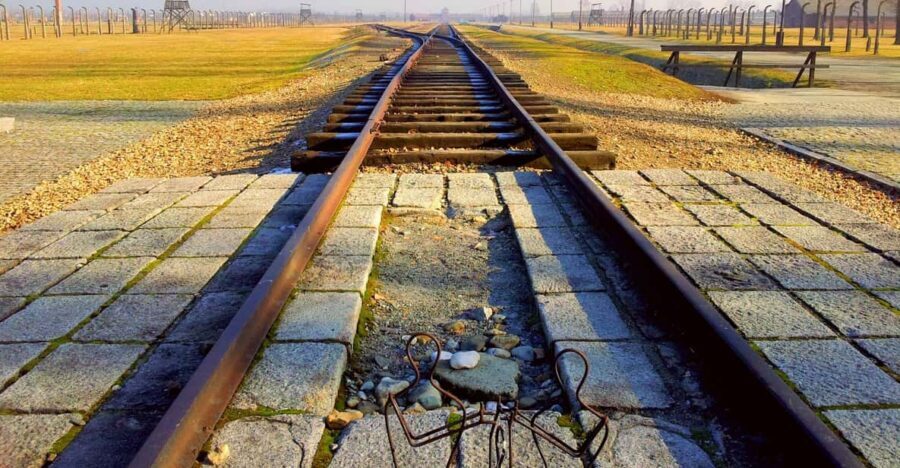
After Auschwitz I, you move to Birkenau (about 3 km away). The Birkenau portion is usually around 1 hour with your guide, and this is where the scale of Nazi industrial genocide becomes almost physically hard to absorb.
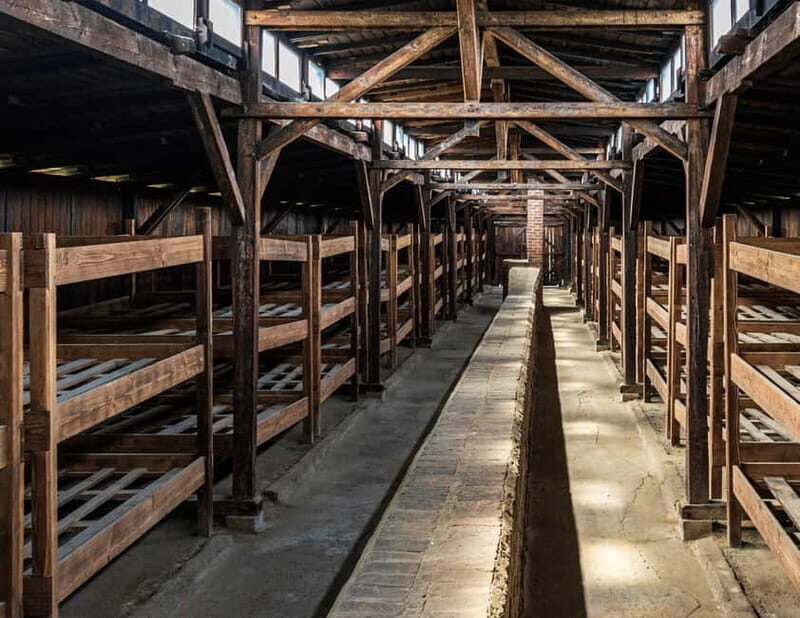
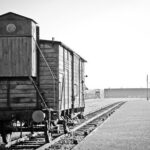
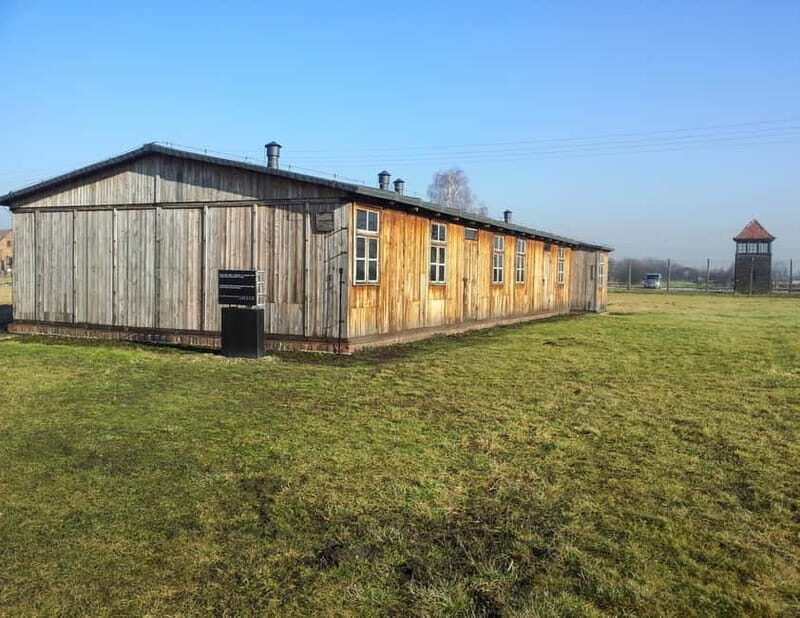
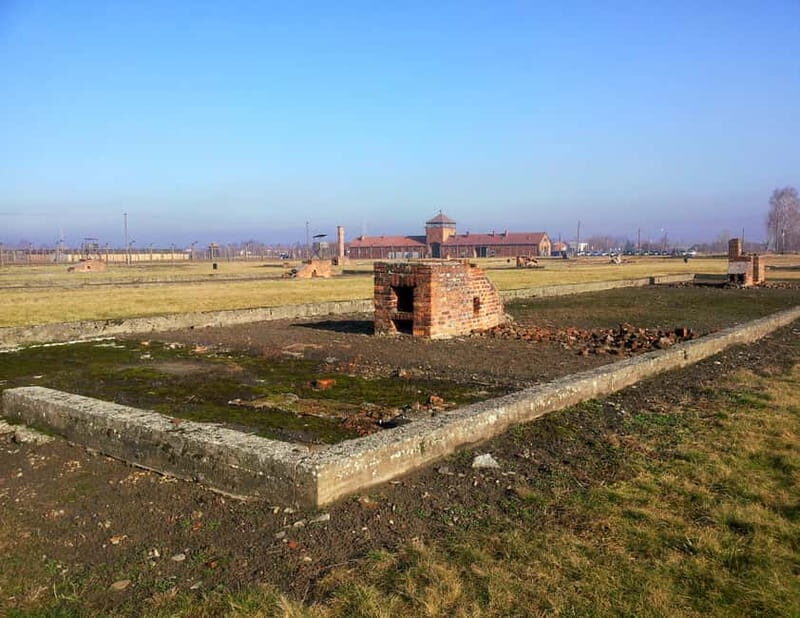
You’ll enter the wooden barracks where nearly 1,000 people were held in inhumane conditions. The conditions weren’t an abstract concept—they were designed into the camp’s layout. Birkenau also includes ruins of gas chambers and the crematorium, tied to the industrial process the Nazis used to destroy human beings at massive scale.
This part is often the most emotionally intense. The difference you’ll feel is not just the architecture; it’s the openness and the sense of vastness. When the guide points out how the camp was organized, you start to understand why it’s remembered as more than a place—it’s a system.
Also remember: breaks are short. The tour may allow only 10–15 minutes at a time, so if you need a bathroom stop or a quick water refill, do it fast. If you chose the lunch option, you’ll still want to keep water handy for the walking time.
The lunch box option: helpful, but don’t count on it as your only fuel
This tour offers an optional lunch box with choices including ham, vegetarian, and vegan. If you select that option, it’s a practical advantage because waiting periods can eat time, and the tour schedule may not line up with normal meal rhythms.
Even with lunch available, the key point is this: waiting before entry and between segments can reduce your comfort. The description notes breaks are limited, so I’d still plan to bring water (and something small if you’re not taking lunch) because you don’t want your energy to crash right when you need to stay present.
A memorial visit isn’t a day for tough-guy fasting. You’re going to stand, walk, and focus for hours. That’s a lot for the body, even before emotions hit.
Price and value: what $139 gets you, and what can make it feel unfair
At $139 per person for a 9-hour day, the tour is priced like a guided, ticketed transfer package—not like a basic coach ride. In that sense, it’s good value on paper because it includes:
- Museum entry tickets
- A licensed guide
- Headsets
- Transfers and a full day structure
- Optional hotel pickup (if you pick that option)
- Optional lunch box (if selected)
Where value can break down for some people is timing. If your pickup is extremely early and you end up waiting outside for long stretches, the day stops feeling like an efficient experience and starts feeling like a test of patience. The tour description already flags this risk: waiting before entry can be significant, and your exact time may be driven by ticket and guide availability.
So here’s my honest way to judge value: this is worth it if you want a guided, organized route that covers both camps without you wrestling with tickets and camp-to-camp logistics. It’s less worth it if you’re extremely sensitive to cold, have trouble with long waits, or expect a smooth start with zero friction.
If you want the lowest-stress experience, consider whether you’d rather pay for a more flexible, independently timed plan. The right choice depends on your tolerance for early wakeups and outdoor waiting.
Pickup logistics from Krakow: the part that decides your mood
Hotel pickup is included only if you select that option. Pickup is from a designated bus bay, and you should be ready about 10 minutes early. Drivers won’t wait beyond 5 minutes after the scheduled pickup time, so punctuality is not optional.
Your “preferred” pickup time is not guaranteed. The operator sends your exact pickup time the day before after 5 pm, and it may be very early if the museum schedule requires it. That matters because the tour can start extremely early for certain departures, and the memorial itself can have long lines for entry when capacity is constrained.
This is the piece I want you to take seriously: dress for weather like you’ll spend time outside. The tour is respectful and quiet in tone, but waiting can still be miserable in wind and snow. Warm layers, rain protection, and something comfortable for standing are not overkill—they’re smart.
Rules and restrictions you should actually know before you pack
To keep entry smooth, the memorial follows strict rules. You’ll need:
- A passport or ID card
- Names that match your booking exactly (if the name doesn’t match, entry may be refused)
- Respectful, weather-appropriate clothing
And you should leave at home:
- Pets
- Weapons or sharp objects
- Oversize luggage or large bags
- Alcohol and drugs
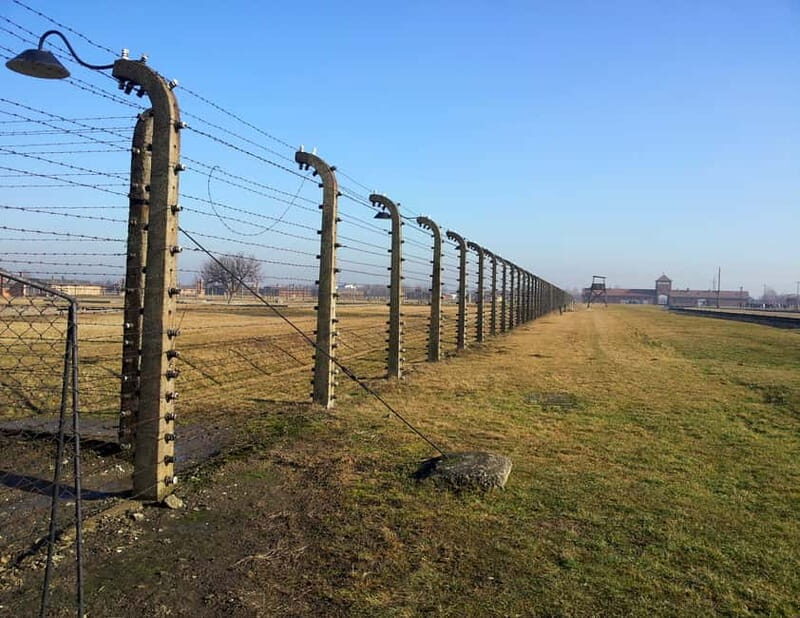
Because this is a memorial site, you’ll also go through security screening similar to airport checks. That means your bag and what you bring can affect how quickly you get through. Keep your daypack simple.
Also: this tour isn’t suitable for people with mobility impairments, based on the tour’s listed suitability.
Who this Auschwitz-Birkenau tour fits best (and who might rethink it)
This is a strong fit if you want:
- A structured visit covering Auschwitz I and Birkenau
- A licensed guide plus headsets
- Pre-booked entry and transfers so you’re not managing the day’s logistics alone
- An eBook resource listed as The Stories of Auschwitz, which can help you connect events and names as you move through the sites
It’s also a good match for first-timers who want a guided route with context rather than a self-guided “walk and hope.”
Where I’d hesitate is if you:
- Strongly dislike extremely early departures
- Struggle with outdoor waiting in cold weather
- Need mobility support that this tour route may not accommodate
This isn’t a sightseeing day. It’s a focused, emotionally demanding day with a schedule tied to museum operations.
Should you book this tour?
If you can handle the “hard part” early—rising very early and waiting—this is a solid, value-based way to do Auschwitz-Birkenau from Krakow. The inclusion of tickets, a licensed guide, and headsets makes the experience feel organized instead of chaotic.
But if you’re imagining a relaxed morning, this tour may disappoint. The museum can create long waits before entry, and pickup times can be brutally early. That doesn’t mean the tour is poorly run; it means the schedule is real-world, not idealized.
My practical rule: book it if you want guided structure and you’re prepared for weather and time-on-your-feet. Consider another option if your biggest priority is reducing early wakeups and minimizing time waiting outside.
FAQ
How long is the Auschwitz-Birkenau tour from Krakow?
The tour duration is listed as 9 hours.
Is hotel pickup included?
Hotel pickup is included if you select the pickup option. If you choose it, the driver picks you up at the designated bus bay.
What language is the tour guide?
The live tour guide is listed as English.
Will I visit both Auschwitz I and Auschwitz II-Birkenau?
Yes. The tour includes visits to Auschwitz I and Auschwitz II Birkenau.
How far apart are Auschwitz I and Birkenau?
Birkenau is about 3 km away from Auschwitz I, and transfers between the camps are provided by the tour operator.
Are museum entry tickets included?
Yes. Auschwitz-Birkenau Memorial and Museum entry tickets are included.
Is lunch included?
Lunch is optional. If you select it, you get a lunch box with ham, vegetarian, or vegan options.
What do I need to bring for entry?
Bring your passport or ID card. Your name on the booking must match the name on your ID.
What’s not allowed on the tour?
Pets, weapons or sharp objects, oversize luggage, large bags, and alcohol and drugs are not allowed.
Is there free cancellation?
Yes. The tour lists free cancellation up to 24 hours in advance for a full refund.