REVIEW · MEMORIAL AND MUSEUM AUSCHWITZ BIRKENAU
Auschwitz-Birkenau: Memorial Entry Ticket and Guided Tour
Book on GetYourGuide →Operated by Xtrip · Bookable on GetYourGuide
Auschwitz hits hard, even with a plan. This guided visit is interesting because you get skip-the-line tickets and a live English guide using headsets, so the story lands clearly at every stop. I like that you cover Auschwitz I and Auschwitz II-Birkenau in one continuous tour, and I like the fact that the route includes the entrance gate, barracks, and railway platform—the places that shape the whole history. One drawback to keep in mind: the pace is set by the memorial, and time is approximate, so if you’re hoping for lots of unscheduled wandering, this won’t be that kind of visit.
You’ll start at Auschwitz I (the original camp), walk the ground where the camp operated from 1940, and then transition by bus to Auschwitz II-Birkenau for the railway and the ruins of the gas chambers. I also appreciate that the tour is built for clarity: headsets help you hear the guide even when the group spreads out. The consideration I’d flag is that you must follow the on-site rules (clothing and bag limits), and you need your name to match your ID exactly or you could be refused entry.
In This Review
- Key things that make this tour worth your attention
- Auschwitz I to Birkenau: what this 3.5-hour ticket really gives you
- The price and what it covers (and what it doesn’t)
- Who it’s best for
- Meeting at Auschwitz I: the practical start that can make or break your morning
- Auschwitz I: the gate, the barracks, and why the layout matters
- What you’ll do there
- What might feel difficult
- The bus transfer to Auschwitz II-Birkenau: expect a shift in atmosphere
- What you’ll see at Birkenau
- Headsets and group tours: why hearing the guide matters here
- Timing reality: plan for approximate start times and fixed on-site pace
- A note on name matching and entry risk
- Provider experience: what to watch for with Xtrip
- Clothing and bag rules: don’t lose time to avoidable refusals
- Is it worth it? A balanced call on booking this Auschwitz-Birkenau guided tour
- FAQ
- FAQ
- How long is the guided tour?
- Does this include skip-the-line entry?
- Will I have a live guide and can I hear them clearly?
- Do I need to arrange my own transport to Auschwitz?
- Where do I meet the guide?
- What ID do I need?
- What bag size is allowed?
- What can’t I wear or bring?
- Is this tour suitable for children or for people with mobility impairments?
- What if my name on the ticket doesn’t match my ID?
Key things that make this tour worth your attention
- Skip-the-line Auschwitz entry so you don’t burn precious time in queues
- Headsets for the full route, helping you keep up without straining
- Two-camp itinerary that connects Auschwitz I to Auschwitz II-Birkenau
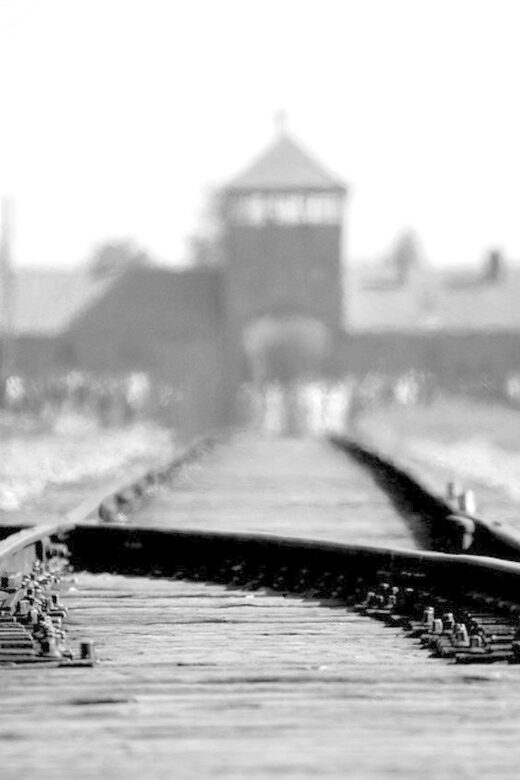
- A guided route through the key sites: gate, barracks, railway, gas chamber ruins
- Strict on-site rules you’ll need to follow (bag size, clothing, ID matching)
Auschwitz I to Birkenau: what this 3.5-hour ticket really gives you
This tour is built around one simple goal: see the main sites with a guide who explains what you’re looking at, without you guessing. With Auschwitz, you can easily end up with a disjointed experience if you go alone—one building feels like another, and you lose the thread. Here, you get a live English guide and headsets, and that combo matters. You’ll hear the explanations even when you’re not standing right next to the person talking.
The duration is about 210 minutes. That’s tight enough to keep momentum and slow enough to cover both Auschwitz I and Auschwitz II-Birkenau with meaning. If you want “two camps, one narrative,” this layout fits well.
A few more Memorial And Museum Auschwitz Birkenau tours and experiences worth a look

The price and what it covers (and what it doesn’t)
At $55 per person, the value mostly comes from what’s included: skip-the-line entrance tickets, a guided group tour, and headsets so you can actually follow along. What’s not included is your transportation to and from Auschwitz—this is on you—plus food and drinks.
That means your real cost is the ticket price plus whatever you spend getting there. Still, for most people, the big win is avoiding the time-cost of waiting around and getting a structured, guided route for both areas.
Who it’s best for
This is best for adults and teens 14+ who can handle an intense historical site with respect and focus. It also suits you if you prefer guidance over self-directed wandering. On the flip side, it’s not suitable for people with mobility impairments, and if you’re easily overwhelmed by strict rules and fixed pacing, you may feel constrained.
Meeting at Auschwitz I: the practical start that can make or break your morning
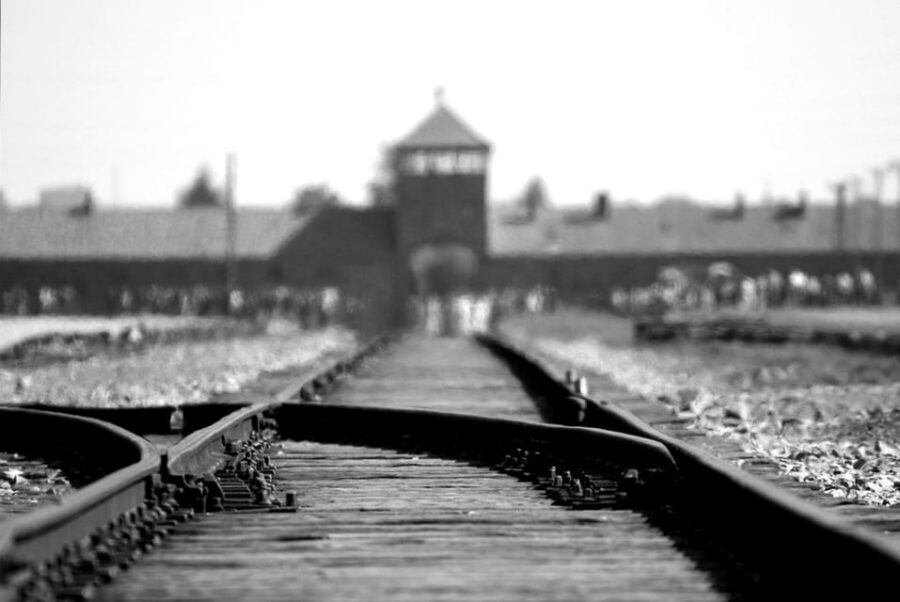
You meet your guide at the Auschwitz I Memorial and Museum—right by the gate leading to the parking, near the information boards. That sounds simple, but it’s the first place where things can go wrong if you show up late or in the wrong spot.
Time given for the tour is approximate, and it can change by up to two hours. So I’d treat your “arrive on time” plan as more important than usual. The tour begins with you meeting the authorised guide on-site, then walking into Auschwitz I.
A useful tip: bring your passport or ID card and keep it handy. The tour rules also say that your name must be identical to the name on your ID/passport. If you booked under a different spelling, don’t assume it will slide. Build in time to double-check.
Auschwitz I: the gate, the barracks, and why the layout matters
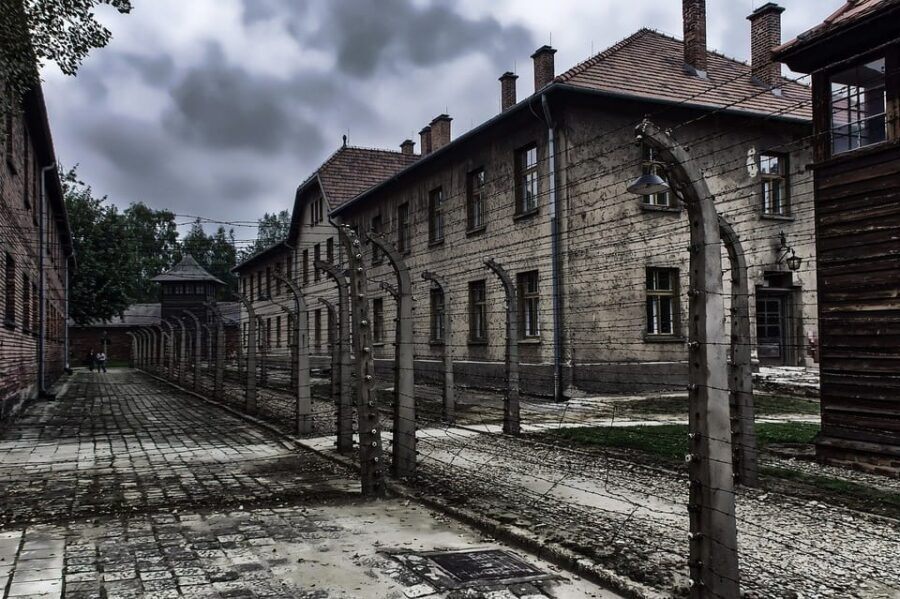
Auschwitz I is the start of your “how this system worked” story. It’s described as the camp built in 1940, in the suburbs of Oswiecim, and it’s where you’ll see the entrance gate and walk across the former camp grounds with your guide.
You can also read our reviews of more guided tours in Memorial And Museum Auschwitz Birkenau


What you’ll do there
- Walk the ground inside Auschwitz I
- See sites connected to the camp’s operations, including the barracks areas
- Hear detailed context through headsets
- Visit exhibitions presented in buildings that were used as living space
This part is emotionally heavy. The value of going with a guide is that you’re not just looking at structures—you’re learning what each area meant for prisoners’ daily life. The guide also helps you understand the scale: the total number of deaths is estimated at over 1.5 million people, representing 28 nationalities, with nearly 90 percent being Jews. Those numbers aren’t a trivia bonus; they’re the lens through which the place makes sense.
What might feel difficult
The pacing in Auschwitz is fixed by visitor services, and you’re moving through spaces that demand quiet attention. Some people want slower time for absorbing details. If you’re that kind of visitor, you may wish you had more unstructured time—but the tradeoff here is that you get a full, guided connection between both camps within one ticket.
The bus transfer to Auschwitz II-Birkenau: expect a shift in atmosphere
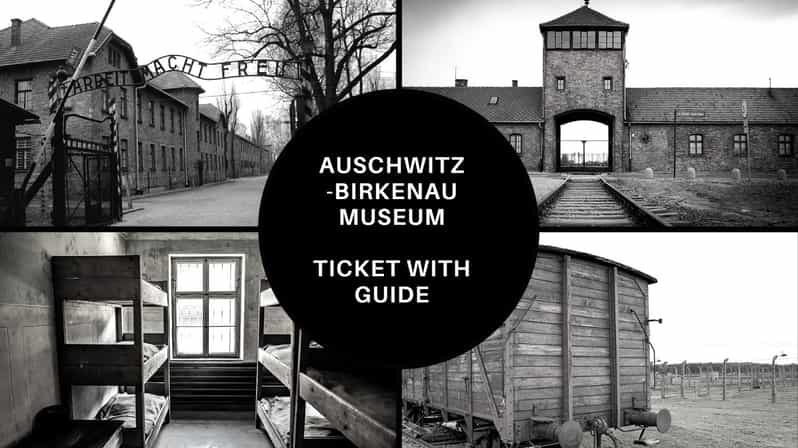
Once the first part is completed, you take an on-site bus for a few minutes to Auschwitz II-Birkenau. This transfer isn’t just logistics; it’s a tone change. Auschwitz II is the scale-stretching part, where the geography helps explain how mass transports were processed and why the railway and camp layout were so critical.
What you’ll see at Birkenau
- The railway that facilitated transports to the other camp
- Ruins of the gas chambers where people were killed on a mass scale
- A continuation of the guide’s explanation through the key sites
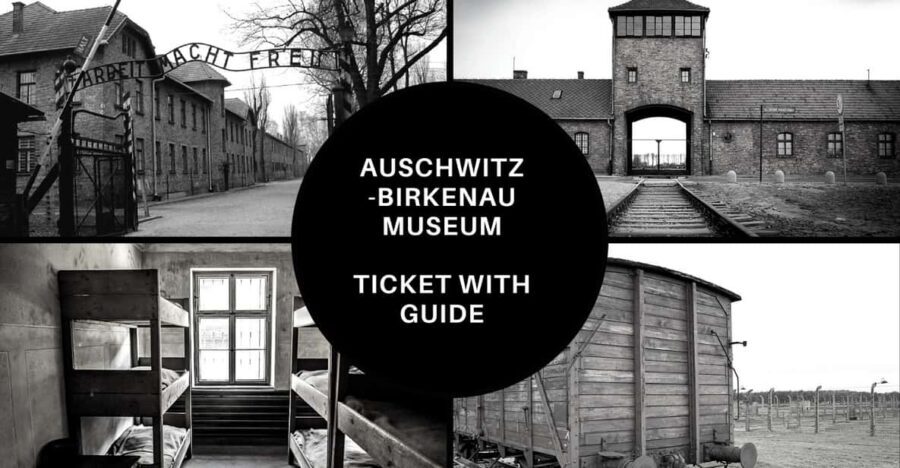
The railway is especially important. It’s one of those features you can’t fully grasp if you only read the walls. Walking along the route with a guide helps you understand how arrivals were funneled and why the camp’s structure was engineered for that purpose.
Headsets and group tours: why hearing the guide matters here
Auschwitz is not the place for “I’ll just read the signs.” Signs help, but the human voice adds structure—why this building matters, how the system evolved, and what terms mean in context.
This tour provides headsets, and that’s a genuine quality-of-experience feature. Even if you’re not standing right at the front, you should still hear what the guide is saying. It’s one reason this kind of setup often works better than a do-it-yourself visit.
Still, keep expectations grounded. It’s a guided group tour. If the guide is delayed or the group moves quickly, your time inside the sites can feel compressed. You’re not alone if you find yourself thinking, We spent a lot of time getting oriented. That can happen when schedules slip.
Timing reality: plan for approximate start times and fixed on-site pace
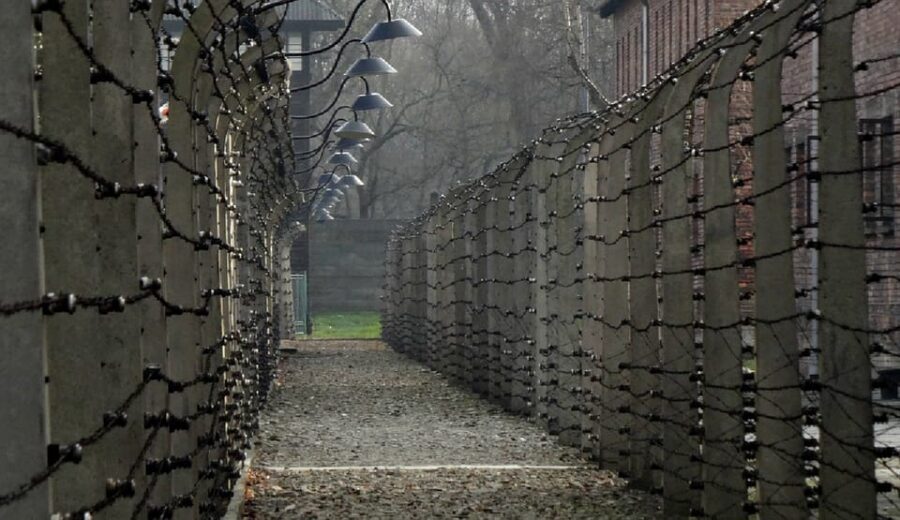
The tour duration is listed as 210 minutes, and starting times depend on availability. The time you’re given can shift up to two hours. That’s not unusual for major memorial sites, but it does mean you shouldn’t treat this ticket like a train departure with minute-perfect precision.
Also, the pace and duration are determined by the memorial’s visitor service. Translation: you can’t slow it down, and you can’t speed it up. If you’ve got another timed commitment immediately afterward, give yourself a big buffer.
A note on name matching and entry risk
One detail that deserves your attention is name accuracy. Names need to be identical to the names on your ID/passport. If there’s a mismatch, entrance might be refused. Before you go, compare the exact spelling you used during booking with the exact spelling on your ID.
Provider experience: what to watch for with Xtrip
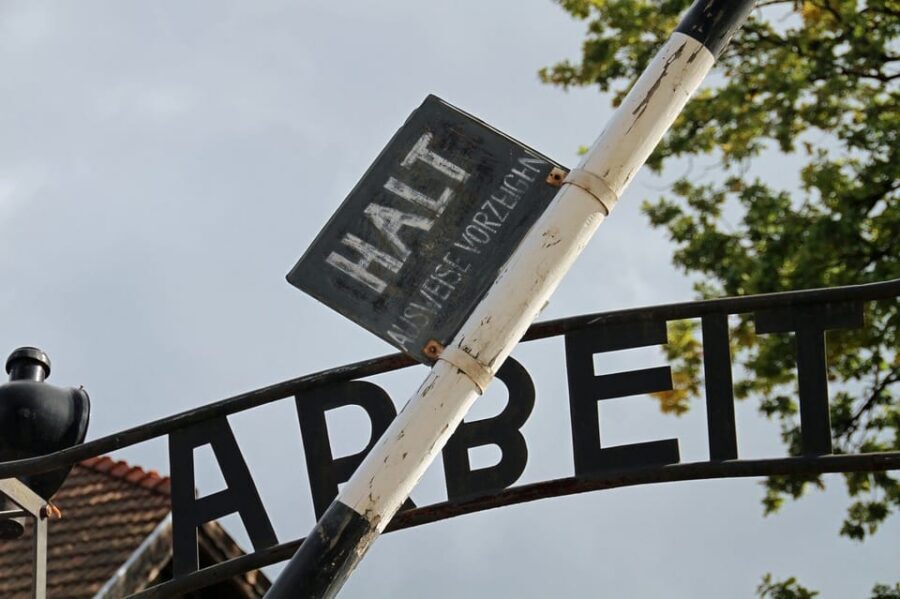
The experience depends on the guide and the day’s timing, but the provider matters too. The feedback included a few themes that are worth knowing so you can protect your trip.
- Sometimes the tour schedule or meeting details get changed last minute, and that can cause confusion if you aren’t checking your messages.
- Name registration problems can happen, and in at least one case, the issue got resolved.
- Delays can happen with a guide arriving late, which can cut into the planned time and make you miss part of the second section.
None of these are dealbreakers for every booking, but they’re signals to take a simple safety step: check your email or messages the day before, and again on the day of the tour. Then arrive early enough to confirm you’re at the correct meeting point at Auschwitz I.
Clothing and bag rules: don’t lose time to avoidable refusals
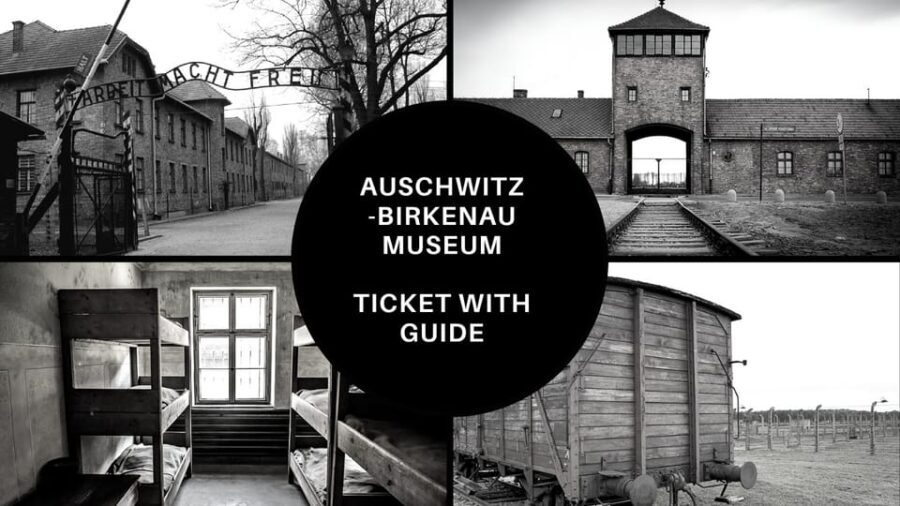
This is one place where you can save yourself stress. The rules include:
- No shorts
- No sleeveless shirts
- No weapons or sharp objects
- No luggage or large bags
- Max bag/purse/backpack size: 30 x 20 x 10 cm
- Bring comfortable shoes
You also need your passport or ID card. If you show up with the wrong clothing or an oversized bag, you may end up dealing with restrictions on-site, and that can turn your “meaningful visit” into a hassle.
Is it worth it? A balanced call on booking this Auschwitz-Birkenau guided tour
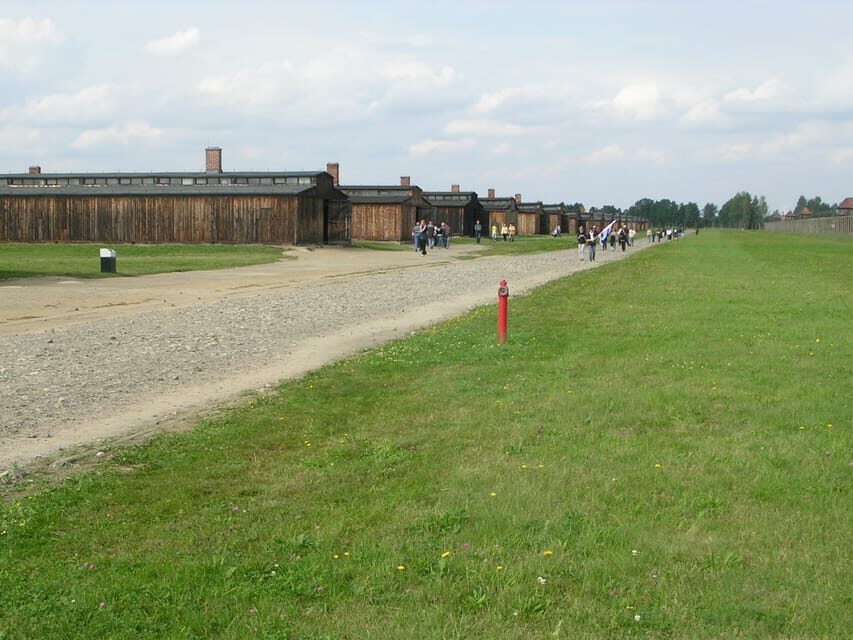
If you want a guided, structured visit that covers the core sites at Auschwitz I and Auschwitz II-Birkenau, this tour is a strong match. The $55 price is largely justified by what you’re not doing: waiting in line, finding context on your own, and trying to follow a route across two major areas without help. The headsets also boost the odds you’ll actually understand what you’re seeing.
I’d say book it if:
- You want an English live guide and clear audio via headsets
- You’re okay with a fixed pace
- You can follow rules on clothing and bag size
- You’re traveling independently to and from the memorial
I’d think twice if:
- You need lots of unstructured time for wandering and quiet stops
- You’re sensitive to schedule changes or risk missing time due to delays
- You have mobility limitations (this one isn’t suitable)
- You’re traveling with kids under 14
FAQ
FAQ
How long is the guided tour?
The total duration is about 210 minutes. Starting times depend on availability.
Does this include skip-the-line entry?
Yes. You get skip-the-line entrance tickets to Auschwitz-Birkenau Memorial and Museum.
Will I have a live guide and can I hear them clearly?
Yes. It includes a guided group tour with a live English guide, and you’ll be provided with headsets.
Do I need to arrange my own transport to Auschwitz?
Yes. Hotel pickup and drop-off are not included. You’ll use your own means of transport to get to Auschwitz and back.
Where do I meet the guide?
Meet your guide at Auschwitz I by the gate leading to the parking, looking for the information boards.
What ID do I need?
Bring a passport or ID card. Your booking name needs to match the name on your ID/passport.
What bag size is allowed?
The maximum luggage/bag/purse/backpack size is 30 x 20 x 10 cm.
What can’t I wear or bring?
Shorts and sleeveless shirts are not allowed. Also not allowed are weapons or sharp objects, and luggage or large bags.
Is this tour suitable for children or for people with mobility impairments?
It’s not suitable for children under 14, and it’s not suitable for people with mobility impairments.
What if my name on the ticket doesn’t match my ID?
Names need to be identical to the names on your IDs/passports. If they don’t match, entrance might be refused.