REVIEW · KRAKOW
From Krakow: Auschwitz-Birkenau Guided Tour & Transportation
Book on GetYourGuide →Operated by Poland Booking S.C. · Bookable on GetYourGuide
It’s a long, heavy day with real context. I love the licensed historian guide and the way this tour takes you from Auschwitz I to Birkenau with structure and respect. The main drawback is that the museum sets the pace, and crowds can make the day feel rushed, especially at busy times.
You’ll also feel the difference in delivery. In other groups I’ve learned about, guides such as Suzana have been praised for clear, efficient, kind storytelling, while Margaret stood out for attention to detail and an honest way of explaining what you’re seeing. Add dependable transport and solid communication, and the logistics stop stealing your mental energy.
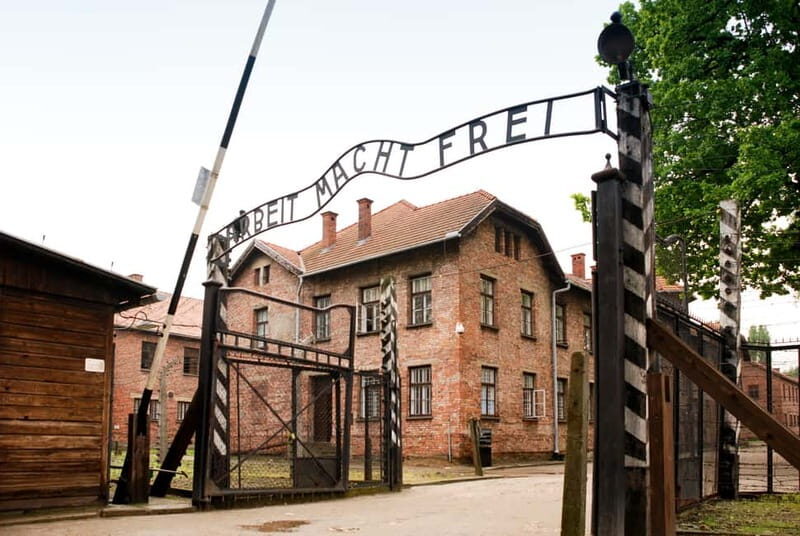
Plan for early starts. The pick-up window can start as early as 5:00 AM, and the exact time is confirmed the day before, so you’ll want your morning flexible. You’ll enter Auschwitz I through the gate with the infamous inscription Arbeit macht frei, and from there the visit moves through preserved spaces that explain how the camp system worked in practice.
In This Review
- Key highlights to know before you go
- Why This Auschwitz-Birkenau Day Trip From Krakow Works for First-Timers
- The Real Logistics: Pickup Times, Group Timing, and Small-Bag Rules
- Entering Auschwitz I: The Gate, the Preserved Spaces, and the Guide’s Job
- Birkenau: Seeing the Scale of the Final Solution
- The Guide Factor: When Storytelling Makes the History Click
- Duration and Flow: What a 7–10 Hour Day Feels Like
- Price and Value: Is $21 a Good Deal for This Scope?
- Rules to Respect: What You Can and Can’t Bring
- Practical Advice for a Better Day (Without Pretending It’s Easy)
- Who Should Book This Tour (and Who Might Want Another Option)
- Should You Book This Auschwitz-Birkenau Guided Tour From Krakow?
- FAQ
- How long is the Auschwitz-Birkenau guided tour from Krakow?
- Does the tour include transportation from Krakow?
- Is the guided tour ticket included?
- What languages are available for the tour?
- Are toilets included in the tour cost?
- What items are not allowed?
- What size bag can I bring?
- Is the tour wheelchair accessible?
- Can I change the name on the booking after reserving?
- Is cancellation free if plans change?
Key highlights to know before you go
- Auschwitz I + Birkenau in one day: two camps, two different scales of horror, explained with a guide
- Licensed historian-led tour: a professional who helps connect the sites to real history
- Hotel or meeting-point pick-up: transport is handled so you can focus on the experience
- Museum-controlled timing: your schedule is shaped by memorial requirements, not just the guide
- Language options, sometimes with translation: tour staff and museum translation may vary by day
- Strict entry rules: small bag size limits and no large luggage
Why This Auschwitz-Birkenau Day Trip From Krakow Works for First-Timers
This is one of those days where “seeing it” isn’t the point. The point is understanding what you’re looking at, with a guide who can keep facts straight and keep the tone appropriate. A guided format matters here because Auschwitz is confusing on purpose—buildings and paths can look deceptively ordinary, and without context you’ll miss the logic behind it.
What I like about this setup is that it’s built to reduce friction. You get pick-up from your hotel or a chosen meeting point, transport to and from the museum, and entry tied to a guided tour. That means you aren’t fighting timing or ticket issues on the day itself.
And since the visit covers both camps, you get the big picture. Auschwitz I is where you start making sense of the camp system. Birkenau is where you see the scale of Nazi mass murder carried out as part of their policy known as the Final Solution.
The emotional weight is heavy. The goal is to make the weight bearable by grounding it in history, not by rushing past it.
You can also read our reviews of more guided tours in Krakow

The Real Logistics: Pickup Times, Group Timing, and Small-Bag Rules
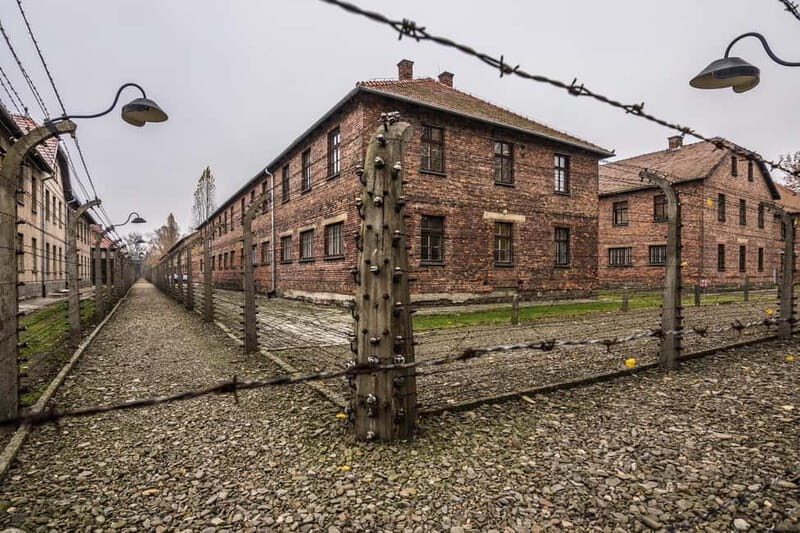
Timing is the only part you should treat like a moving target. The tour can start any time within a wide window—between 5:00 AM and 1:30 PM—and the exact pick-up time is confirmed one day before departure. That’s common for Auschwitz day trips, but it still affects how you plan your night in Krakow.
Here’s the practical advice: don’t book anything tight immediately before or after. If your pick-up shifts earlier, you want room to absorb it without stress.
Transport is included, but you still need to show up ready for rules. You’re not allowed pets or smoking. You also can’t bring luggage or large bags into the memorial. The maximum size allowed is 20 × 30 cm, so keep your essentials tight: wallet, passport details you used for booking, a small layer of clothing, and any medication.
One more thing: the memorial can be busy. If your booking ends up in a situation where you wait for tickets, queuing time can stretch. In last-minute situations, waiting in line may last up to a few hours. That’s not a “tour operator problem.” It’s simply how high-demand museum entry works.
Entering Auschwitz I: The Gate, the Preserved Spaces, and the Guide’s Job
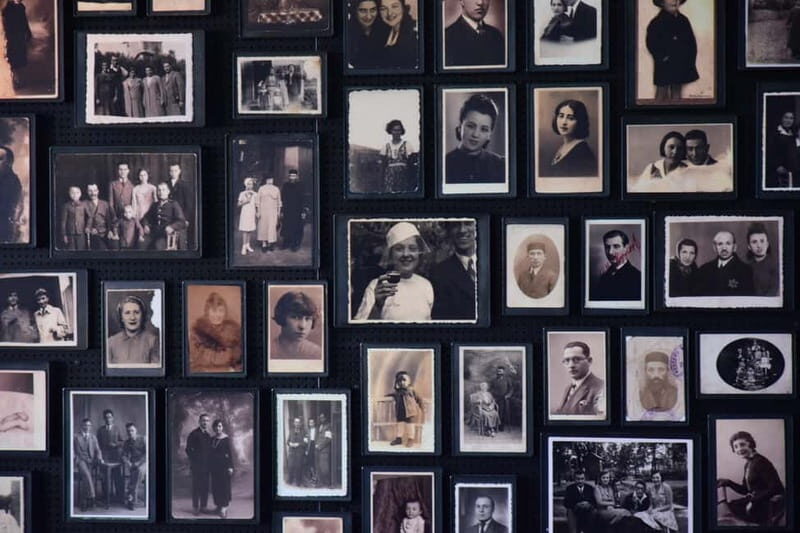
Your first stop is Auschwitz I, the original camp. You enter through the gate bearing Arbeit macht frei—the phrase is now permanently tied to the Nazis’ false promise of work, and seeing it in place is jarring in a way that photos never fully capture.
This part of the visit is where your guide does the heavy lifting. You’ll walk through preserved areas and learn what the site was and how it functioned. The camp was established by Nazi Germany and grew into the largest concentration camp under Nazi control. It also became a major site for the mass extermination of millions, primarily Jews and Poles.
A good guided tour helps you make sense of what you’re looking at:
- What Auschwitz I represents in the system of persecution
- How the camp was organized and run
- Why certain areas exist as preserved evidence rather than just “old buildings”
Pacing here is important. You may want to move faster, but you won’t control the memorial’s rhythm. The museum determines the tour pace, and the guide’s behavior and speed are not something you can adjust. That’s worth knowing because it changes how you experience the day: less “tour shopping,” more “follow the interpretation.”
Also, plan for small practical gaps. Toilets are paid at the memorial, and that’s not included in the tour price.
Birkenau: Seeing the Scale of the Final Solution
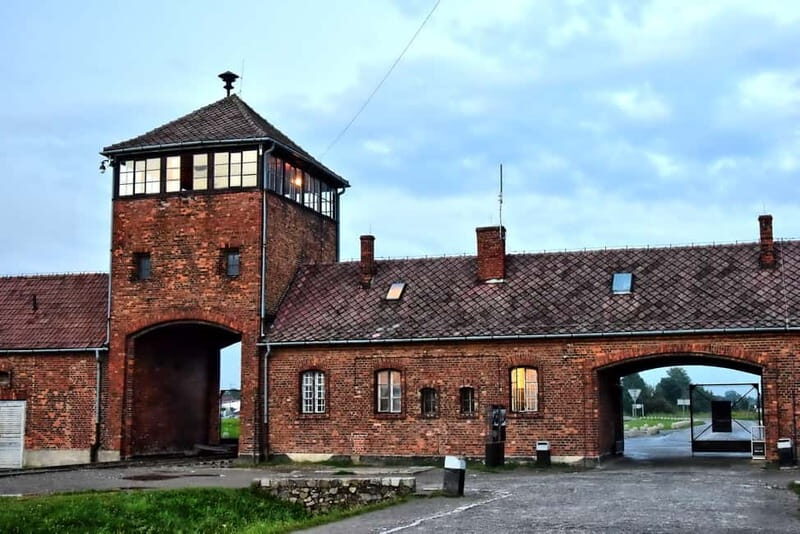
After Auschwitz I, the tour moves to Birkenau, the second camp. This is where the story shifts in scale. Birkenau is the place associated with mass killings carried out as part of the Nazis’ Final Solution to the Jewish Question.
If Auschwitz I helps you understand the system, Birkenau shows you the system’s capacity. The site is vast, and it can feel harder to process because there’s so much space and so many structures—some preserved, some only readable through context.
This stop is also where crowd pressure can show up most. One of the tradeoffs you should expect is that if the memorial is busy, the day can feel rushed. The camp itself is busy by nature, and a guided tour can’t always slow down just because one group needs more time.
So what should you do? Keep your expectations aligned. This isn’t the kind of tour where you roam freely with your own pace. It’s a structured visit with a professional explanation, and that structure is what makes the information land correctly.
And because Birkenau is physically bigger, even a small timing squeeze can make it feel like you didn’t see enough. If you’re the kind of person who likes to sit with details, you may want to consider whether you can handle a day that may move briskly.
The Guide Factor: When Storytelling Makes the History Click
In a place like Auschwitz-Birkenau, the “best” part of the tour is often the guide—not the van, not the entry ticket, not even the sites themselves. You’re looking at preserved evidence, but you still need someone to translate the evidence into meaning.
The supplied experiences point to a clear theme: guides are praised for kindness, professionalism, and attention to detail. Guides like Suzana have been described as super kind, efficient, and informative. Another guide, Margaret, is noted for gripping, honest storytelling and a careful approach to detail.
That matters because the camps can be visually repetitive if you’re not taught what to notice. A strong historian-guide helps you see patterns and differences: what belongs to Auschwitz I versus what belongs to Birkenau, and how the Nazis carried out persecution across time and space.
Language matters too. The tour is offered in English, Italian, German, Spanish, and French, but there’s a practical twist: the tour leader may not speak your chosen language, while the museum tour portion may be translated. On some days the museum’s translation route can be different from what you expect, so if language is critical, plan to be flexible.




Duration and Flow: What a 7–10 Hour Day Feels Like
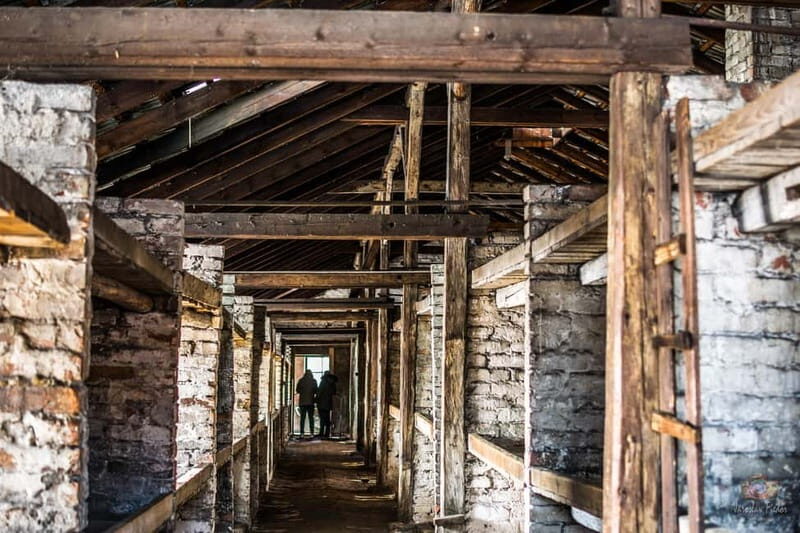
The total duration is 7 to 10 hours, which is a wide range because pick-up time and memorial flow vary. In plain terms, you’re spending a full day away from Krakow.
That time is used well if you accept the shape of the day:
- Morning or early afternoon departure from Krakow
- Guided entry and walking at Auschwitz I
- Transfer to Birkenau
- Guided interpretation until your slot finishes
You’ll likely have limited control over how long you stop for photos or personal reflection. Again: the museum sets the pace. The upside is that you don’t have to manage the day yourself, which is a relief when the content is intense.
Price and Value: Is $21 a Good Deal for This Scope?
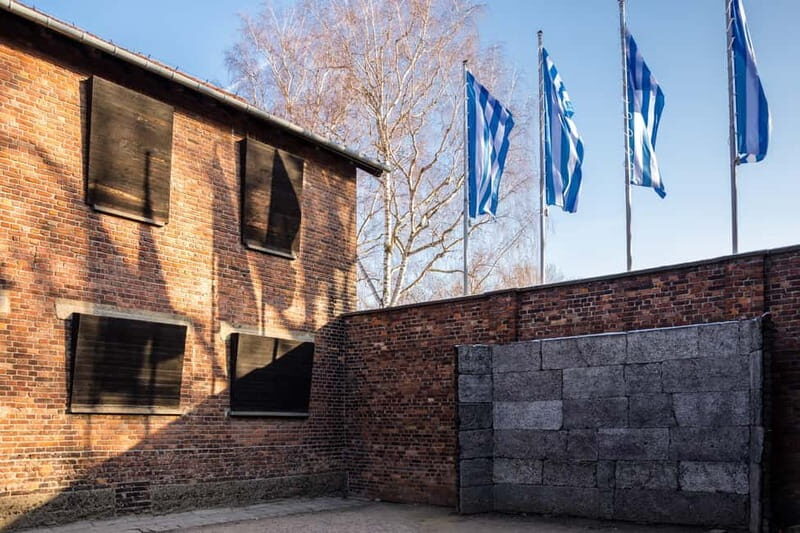
$21 per person sounds low at first until you look at what’s included. This price covers:
- Pick-up (optional, from hotel or meeting point)
- Transportation to and from the museum
- Entry ticket for a guided tour
- Care of a tour leader
- A licensed guide
For a day that includes guided access to two major memorial sites plus round-trip transit, it’s strong value—especially if you’d otherwise have to organize transport and tickets separately. The only notable extra you should expect is the practical cost of paid toilets at the memorial.
One more value note: a guiding historian isn’t just “nice to have.” It’s a key part of how you interpret the site. If you can afford any guided element while you’re here, this is the one where guidance changes your understanding the most.
Rules to Respect: What You Can and Can’t Bring
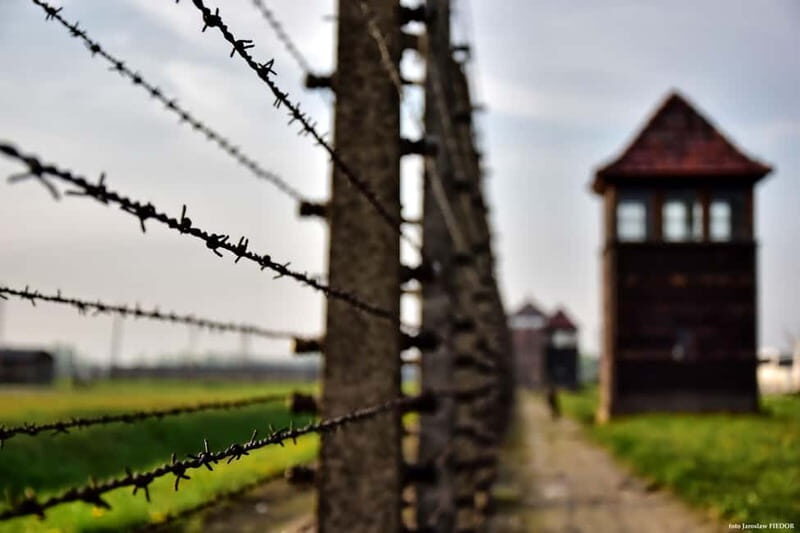
These rules aren’t just bureaucracy. They protect the memorial environment and keep entry moving. Here’s what you need to know before you pack:
- No pets
- No smoking
- No luggage or large bags
- Maximum bag size: 20 × 30 cm
- Names and contact details are mandatory for memorial requirements, and names cannot be changed after booking
Also, the tour is not suitable for wheelchair users. If mobility needs are part of your planning, you’ll want to look for a different option designed for accessibility.
Practical Advice for a Better Day (Without Pretending It’s Easy)
This is a day trip where preparation helps even more than usual.
- Keep your bag small. With the 20 × 30 cm limit, it’s better to travel lighter than to hope you can adjust at the last minute.
- Be ready for an early departure. Even if you pick a preferred time, it is not guaranteed and may change. Plan your morning like it might start earlier.
- Don’t overpack your expectations for speed. If the camp is busy, you’ll feel it in your schedule. That doesn’t mean the tour is poorly run; it means the memorial has strict timing.
- Use the guide time well. If there’s something you want to understand—why Auschwitz I matters, what Birkenau’s scale tells you—this is the moment to let the guide do the explaining.
Who Should Book This Tour (and Who Might Want Another Option)
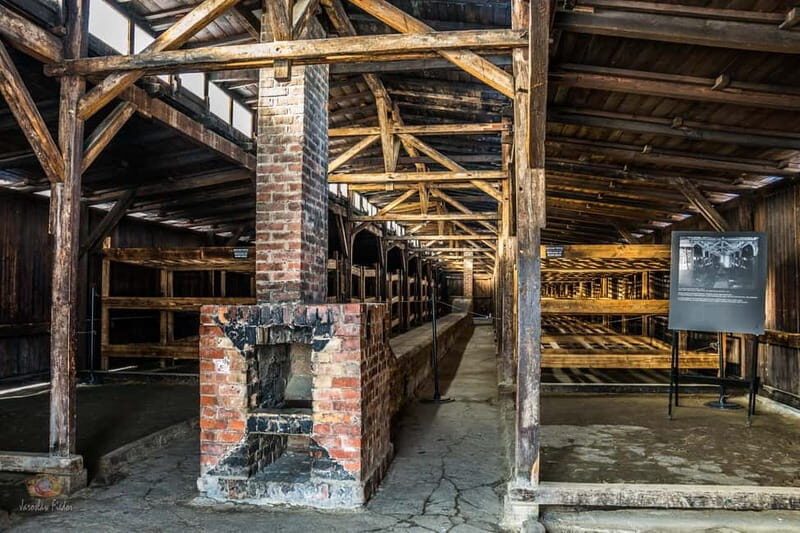
This tour fits best if you want:
- A first-time Auschwitz-Birkenau visit with guided historical context
- Transport handled for you from Krakow
- A structured plan that covers both camps in one day
It may be less ideal if:
- You’re sensitive to early mornings and wide pick-up windows
- You need strict control over pacing (since the museum determines pace)
- You use a wheelchair (the tour is not suitable for wheelchair users)
If you’re comfortable with a full-day visit and you want guidance, this is the kind of trip that pays off.
Should You Book This Auschwitz-Birkenau Guided Tour From Krakow?
Yes, if you want a guided visit that combines Auschwitz I and Birkenau with professional interpretation and you’d rather not coordinate transport and entry on your own. The price reflects smart value for the scope: transit plus guided access to two critical parts of the memorial system.
Book it especially if you care about getting the story right. In a place like this, the difference between a rushed look and a guided understanding can be the difference between forgetting and learning.
If you’re anxious about crowds, long lines, or early pick-up uncertainty, go in with eyes open. But don’t let that scare you away. The day is arranged so you can concentrate on what matters most: seeing the sites with context, and paying respect where millions lost their lives.
FAQ
How long is the Auschwitz-Birkenau guided tour from Krakow?
The duration is listed as 7 to 10 hours, depending on the starting time and museum flow.
Does the tour include transportation from Krakow?
Yes. You get pick-up from your hotel or a chosen meeting point (optional) and transportation to and from the museum.
Is the guided tour ticket included?
Yes. The price includes entry ticket for a guided tour of the museum.
What languages are available for the tour?
The tour is available in English, Italian, German, Spanish, and French. The museum tour portion may be translated depending on availability.
Are toilets included in the tour cost?
No. Toilets are paid at the memorial.
What items are not allowed?
Pets and smoking are not allowed. You also cannot bring luggage or large bags.
What size bag can I bring?
The maximum size allowed is 20 × 30 cm.
Is the tour wheelchair accessible?
No. It is not suitable for wheelchair users.
Can I change the name on the booking after reserving?
Full names and contact details are mandatory, and names cannot be changed after booking.
Is cancellation free if plans change?
Yes. Free cancellation is offered up to 24 hours in advance for a full refund.