REVIEW · GDANSK
Food Tasting Tour of Polish Cuisine
Book on Viator →Operated by The Best Tour Guide · Bookable on Viator
Hungry in Gdansk? This tour helps. It strings together four classic stops across town, so you get both Polish comfort food and quick shots of local history without having to plan anything.
I especially like the structure: three venues, six dishes plus dessert, and plenty of time in each place to actually eat and ask questions.
One drawback to consider: portion sizes and drink pacing can feel different by stop, so if you prefer bigger servings everywhere, you may want to go in with flexible expectations.
What really makes it work is the human side. I like that the English-speaking guide doesn’t just point and translate; they tie each dish to what was happening in the city and how Polish tastes absorbed outside influences. I’ve also seen names like Olia and Mariana show up in guides’ feedback, and one guide mentioned a Ukrainian background plus years living in Poland, which adds a neat extra angle.
The second consideration is the alcohol element. You’ll get two alcoholic beverages included, but only if you’re 18+; otherwise you’ll get non-alcoholic options. If you’re sensitive to alcohol or strong flavors, tell the guide about what you do and don’t want at the start so the tastings still feel enjoyable.
In This Review
- Key things to know before you go
- Why this Gdansk Polish cuisine tasting works in about 2.5 hours
- Wyspa Spichrzow and the milk bar start at Motławska 14
- Długa Street: historic townhouses plus three more Polish dishes
- Pierogi stop near Brama Świętego Ducha: what to expect
- Piwna Street finish: dessert plus liquor (and how to handle strong tastes)
- Price and value: $97.55 buys variety, not just convenience
- Guides make it or break it: names like Olia and Mariana
- Practical tips for eating well and not overdoing it
- Should you book this Polish food tour in Gdansk?
- FAQ
- How long is the Polish cuisine food tasting tour in Gdansk?
- What is the price per person?
- What food and drinks are included?
- Where do the tour start and end?
- Is the tour offered in English?
- Is alcohol included, and are there age limits?
- What should I do if I have dietary restrictions or allergies?
Key things to know before you go
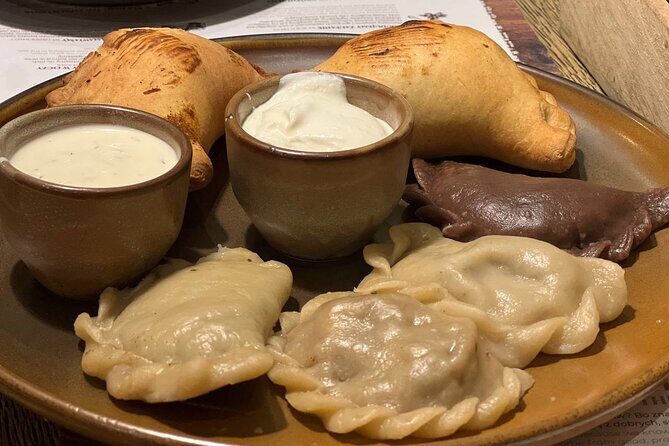
- Four iconic neighborhoods: Wyspa Spichrzow, Długa Street, Brama Świętego Ducha area, and Piwna Street
- 6 dishes + dessert across 3 venues, with an easy-to-follow tasting rhythm
- Alcohol included, age-checked (2 alcoholic drinks for 18+), plus 2 non-alcoholic drinks
- English mobile ticket and a small group size (max 15 travelers)
- Dietary info matters: you’re asked to share allergies or gluten intolerance in advance
- Ends on Piwna Street so you can keep exploring right after
Why this Gdansk Polish cuisine tasting works in about 2.5 hours
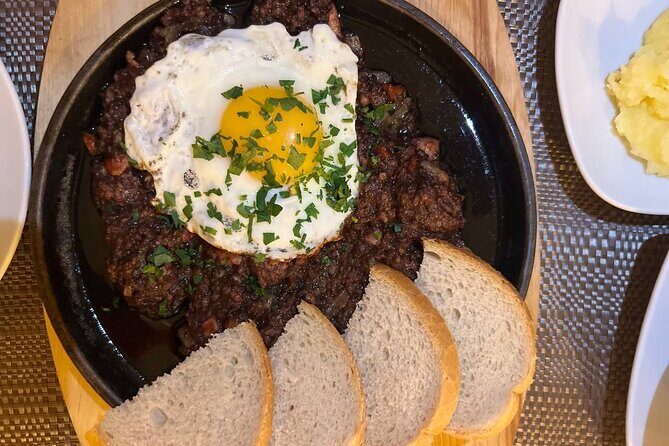
This is a smart format for a city break. 2 hours 30 minutes sounds like a lot until you realize it’s built for walking plus eating, not for museum-style standing around. The tour moves across Gdańsk in a way that matches the town’s layout: river-linked Wyspa Spichrzow first, then the historic street core, then the food-and-drink lanes around Piwna.
Value is the big question with tours like this, and here the math is fairly clear. For $97.55 per person, you’re not just buying “samples.” You’re getting a guide, a planned route, 6 food dishes, dessert, plus 4 drinks total (2 alcoholic and 2 non-alcoholic, included). When you add up the hassle of finding the right places and ordering enough variety on your own, the guided structure starts to feel like part of the price.
I also like that you’re not stuck in one restaurant for the entire time. By switching venues, you get a sense of how Polish food shows up in different settings, from milk-bar style meals to more focused pierogi stops and the sweet-and-spirit finish.
One more practical win: the tour is offered in English, and the group stays small (up to 15). That usually means you can ask about what you’re eating and how to look for similar dishes later.
You can also read our reviews of more food & drink experiences in Gdansk


Wyspa Spichrzow and the milk bar start at Motławska 14
The meeting point is Motławska 14, and your first stop lands on Wyspa Spichrzow, Granary Island. This area is tied to Gdańsk’s old grain trade, when warehouses along the Motława River reflected the city’s wealth. Today, it’s revitalized, with a mix of older structures and modern use, plus the kind of river views that make the first leg feel like a real start, not just a line-up for food.
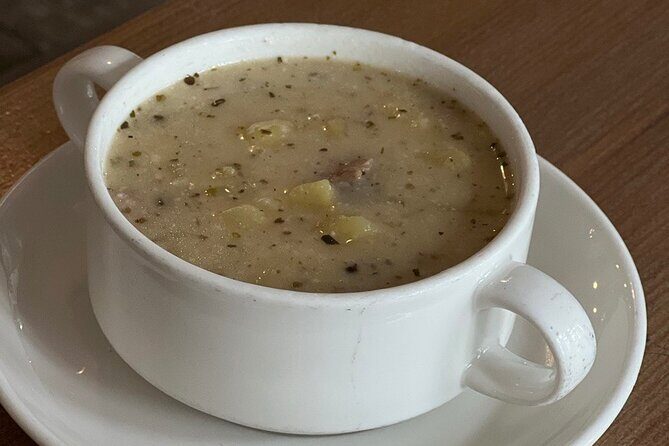
Your first tastings happen at a traditional milk bar. If you’ve never tried milk-bar food in Poland, this is a good entry point. Milk bars are known for straightforward, filling meals that feel like everyday Polish life rather than restaurant performance.
The tour starts you with two classic Polish dishes, and the timing gives you enough breathing room: the first stop is about 30 minutes with admission included. That’s a sweet spot for easing into the tour—your stomach isn’t waiting too long, and your guide can set the context before things get faster at later stops.
If you’re picky about logistics (like where you’ll sit, how long you’ll stand, and how the tastings are served), the milk-bar start usually helps. It’s the kind of place where food tends to be direct and practical.
Długa Street: historic townhouses plus three more Polish dishes
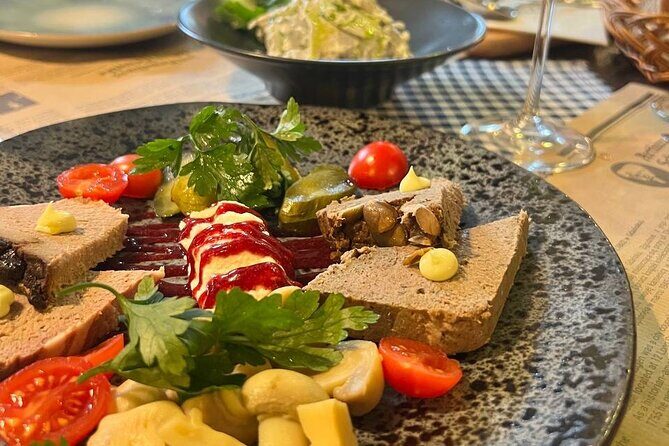
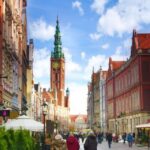
Next comes Długa Street, one of Gdańsk’s signature lanes, lined with historic townhouses and a constant stream of activity through the year. This stop is about 40 minutes, and it’s paired with your next restaurant serving traditional Polish cuisine.
Here you’ll try three dishes, still part of the included lunch experience. This is where I’d expect most people to feel the tour turning into a full meal. One of the best parts of having multiple dishes at this stage is that you can compare textures and flavor directions: something savory, something hearty, and something that feels clearly Polish rather than generic “European comfort food.”
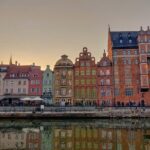
A bonus of doing this on Długa Street is that it helps you link flavor to place. Polish food tastes better when you understand the cultural setting—coastal cities like Gdańsk have layers, and the guide can point out how outside influences shaped what ended up on the table. In the feedback I saw, people liked that the tour included not only food facts, but also quick context about the city and country.
If you have any dietary needs, this is also a good time to speak up. The tour asks you to inform them in advance about allergies (including gluten intolerance) or other special requirements, which should help the guide plan safer choices at the right venues.
Pierogi stop near Brama Świętego Ducha: what to expect

The tour’s third stop focuses on pierogi at the Brama Świętego Ducha area. You get about 40 minutes here, with admission included. Pierogi are Poland’s best-known comfort food, and this is the moment most people are waiting for.
I like that the tour doesn’t treat pierogi as a one-bite novelty. You’re not just sampling; you’re eating as part of a sequence that already includes other dishes and is capped later with dessert. That matters because pierogi can be filling, and you’ll likely want the time to eat slowly and actually taste the filling and dough.
From a planning angle, this stop is also helpful for decision-making after the tour. If you’re the type who wants to order pierogi again later, you’ll know what style you like by now—thicker dough versus thinner, potato-heavy versus other fillings, and how they tend to be served in different places.
One practical tip: if pierogi can be part of your “share with a partner” strategy, this is the stop where sharing often works best. You get enough variety over the full tour (six dishes total plus dessert), so splitting can help you keep trying without feeling overstuffed.
Piwna Street finish: dessert plus liquor (and how to handle strong tastes)
The final food-and-drink push happens on Piwna Street (Ulica Piwna), about a 30-minute stop. This is where the tour leans into the fun side of Polish cuisine: dessert and liquor.
Piwna Street is famous for its drink culture, and the pairing of sweet and spirit makes sense. If you’ve eaten savory dishes for hours, dessert helps reset your palate, and the liquor tasting gives you a sense of the local flavor range.
This is also where the age policy shows up clearly. You’ll get two alcoholic beverages included if you’re 18+. If you’re under 18, you’ll get non-alcoholic drinks instead. So the tour remains consistent for mixed groups.
One drawback you might want to consider based on real experiences: some people felt one stop was lighter on drink pacing (for example, it may be more sip-focused than you expect). If you’re someone who wants water on the side or prefers less intense spirits, ask the guide at the beginning of the tour what the drink plan usually looks like. The tour includes two non-alcoholic drinks, so you can balance strong flavors.
Then you end at Ul. Piwna 47—right where the street’s atmosphere is strongest. That’s a good design choice because you don’t feel stranded after you finish eating.
A few more Gdansk tours and experiences worth a look




Price and value: $97.55 buys variety, not just convenience
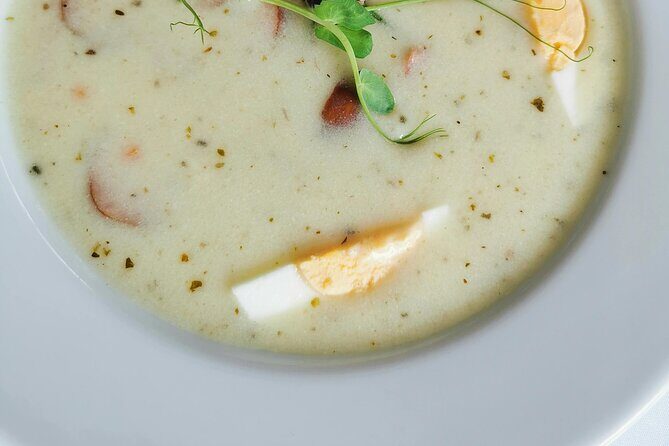
At $97.55 per person, the biggest value isn’t simply that food is included. It’s the fact that you’re buying variety with guidance. You get:
- Lunch at 3 venues
- 6 dishes plus dessert
- 2 alcoholic drinks and 2 non-alcoholic drinks
- A personal tour guide in English
- A route that hits landmarks that are worth seeing even if you’re hungry
If you tried to replicate this on your own, you’d spend time hunting down where to go, figuring out what’s actually typical, and ordering enough to feel like you had a “real meal” rather than a handful of bites. This tour is basically that work, bundled.
Is it perfect for everyone? Not always. One person felt food quality was more average at a stop, and another mentioned that a tastings-only moment felt like it could use more support (like water with a stronger sip). That’s a useful reminder: you’re visiting different venues, and quality can vary a bit by location.
Still, the overall design is a win if your goal is simple: eat Polish food you might not choose blindly, learn what makes it Polish, and leave with a full stomach and a better sense of where to go next in Gdańsk.
Guides make it or break it: names like Olia and Mariana

This tour’s success depends heavily on guide skill. What I liked in the feedback I saw: guides didn’t just read off food descriptions. They explained why each dish exists in Polish culture and how Gdańsk’s position shaped flavors.
Names that showed up include Olia and Mariana. In one note, a guide described being Ukrainian and living in Poland for around 10 years, which helped people connect Polish food not just to Poland, but to the wider region’s food logic.
That matters because food is personal. When a guide can translate not only what you’re eating, but what it means, you remember the taste longer. And you get practical aftercare: recommendations for where to eat, what to try next, and how to explore the rest of Gdańsk with better instincts.
Tip for getting the most from your guide: ask what you should order if you come back for dinner at the nearest next-stop type of place. The tour gives you a shortcut to your next meal.
Practical tips for eating well and not overdoing it
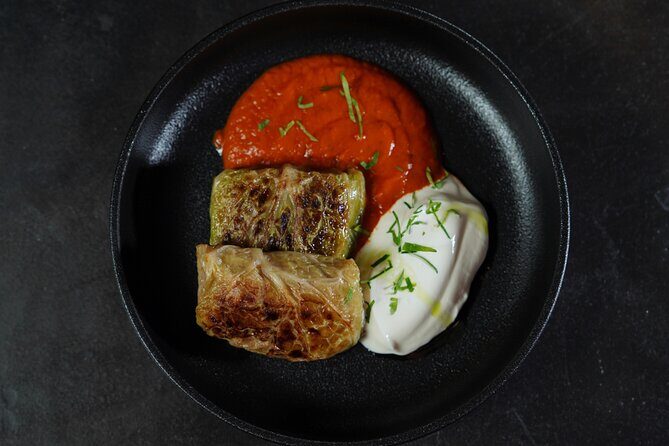
You’ll be eating at three venues with four drinks total, so plan like it’s a full meal day, not a snack crawl. Wear comfy shoes. You’ll walk between classic streets and river-linked areas, and the tour pace is steady.
If you want to avoid getting overwhelmed, pick your “share strategy.” Many people find it works to share dishes depending on portions, especially when the tour provides enough variety across the route. You’ll still get your own tastings, but sharing can help you avoid tasting burnout.
If you have allergies or gluten intolerance, do the prep work before you arrive. The tour explicitly asks you to inform them in advance so they can arrange options. Don’t rely on luck at the counter.
Also, if alcohol isn’t your thing, don’t stay silent. You’ll still have non-alcoholic drinks included, and the guide can often steer you toward what will feel good with dessert and the liquor stop.
Should you book this Polish food tour in Gdansk?
I think you should book if you want an easy, guided way to eat your way through Gdańsk’s Polish cuisine in one sitting. It’s especially worth it when:
- You want variety (six dishes plus dessert) rather than one long meal
- You like connecting food to place and short local stories
- You’re okay with a small group size and a route that ends on Piwna Street so you can keep exploring
I’d skip or at least set expectations if:
- You’re extremely picky about food consistency at every single venue
- You hate strong liquor flavors and don’t want to adjust when the tour reaches the finish
- You’re looking for only big, high-volume servings every stop
If you match the tour to your style, it’s a strong value day: you trade a bit of your time walking for a lot of eating, plus a guide who helps you understand what you’re tasting.
FAQ
How long is the Polish cuisine food tasting tour in Gdansk?
The tour is about 2 hours 30 minutes.
What is the price per person?
The price is $97.55 per person.
What food and drinks are included?
You get lunch at 3 venues, 6 dishes, dessert, 2 alcoholic beverages (for age 18+), 2 non-alcoholic drinks, and a personal tour guide.
Where do the tour start and end?
The tour starts at Motławska 14, 80-750 Gdańsk and ends at Ul. Piwna 47, 80-831 Gdańsk.
Is the tour offered in English?
Yes, it’s offered in English.
Is alcohol included, and are there age limits?
Alcoholic drinks are included, but alcohol is served only to travelers 18 years of age and older. Minors under 18 will be served non-alcoholic beverages.
What should I do if I have dietary restrictions or allergies?
You should inform the provider in advance of dietary restrictions and allergies, including gluten intolerance, so they can arrange necessary options.