REVIEW · GDANSK
Cruises on the Motlawa River by a luxury catamaran – Gdańsk from the water side
Book on Viator →Operated by Blues · Bookable on Viator
Skip the walking. See Gdańsk from water. This 45-minute Motława River cruise lets you glide past major sights with English audio and an easy city-center pickup at the Green Bridge. Two things I like right away are the photo-friendly route and the low-stress pace, so you get oriented fast without turning the day into a marching contest.
I love the small group size capped at 12 people. It keeps the boat feeling relaxed, not like a floating bus stop. I also love the way the route sets you up for classic views, especially the medieval Crane and the granary areas around the islands.
One possible drawback: this trip is led mainly by audio commentary (not a back-and-forth guide chat). If you want a highly personal, live, question-friendly tour style, you may find it more matter-of-fact than luxurious-feeling.
In This Review
- Key Things You Should Know Before You Go
- Why a Motława Catamaran Cruise Is Such a Smart Gdańsk Move
- Price and Time: About $20 for 45 Minutes of Real Sightlines
- Starting at Green Bridge: Easy Access and the Best First Views
- Stop-by-Stop: What You’ll See Along the Długa Pobrzeże Waterfront
- Teutonic-era remains and the Long Seacoast (Długie Pobrzeże)
- A classic Gdańsk photo: the Crane
- Olowianka Island and Granary Island
- Green Bridge return, plus a Marina of Gdańsk pass
- The Crane: Why the Biggest Medieval Crane Works Best From a Boat
- SS Sołdek: A Postwar Polish Ship You Can Spot From the Route
- St. John’s Church and the World’s Largest Brick Church View
- Wyspa Spichrzów (Granary Island): The Long Way and Storage Walls
- Wyspa Ołowianka: Where Teutonic Origins Meet Later Urban Threads
- Dlugi Targ Square and the Fish Market Angle
- Brama Stagiewna: A Street Connection You Notice Only From the Water
- English Audio, Onboard Commentary, and What the Experience Feels Like
- Comfort and Weather: Blankets Help, and You Should Plan for Cool Air
- Who This Cruise Is For (and Who Might Skip It)
- Quick Value Check: Is It Worth About $20?
- Should You Book This Motława River Catamaran Cruise?
- FAQ
- How long is the cruise on the Motława River?
- How many people are on the boat?
- Is the experience available in English?
- Do I have to buy entry tickets for the sights?
- Where does the cruise start and where does it end?
- What should I do if the weather is bad?
- Can I cancel for a full refund?
Key Things You Should Know Before You Go
- Small group cap (12 people max) for a calmer cruise experience
- English audio commentary plus onboard materials to help you follow along
- Top photo stops focused on the Crane and granary islands
- Mostly viewing from the water rather than close-up wandering
- Comfort touches like blankets reported for cooler weather
Why a Motława Catamaran Cruise Is Such a Smart Gdańsk Move
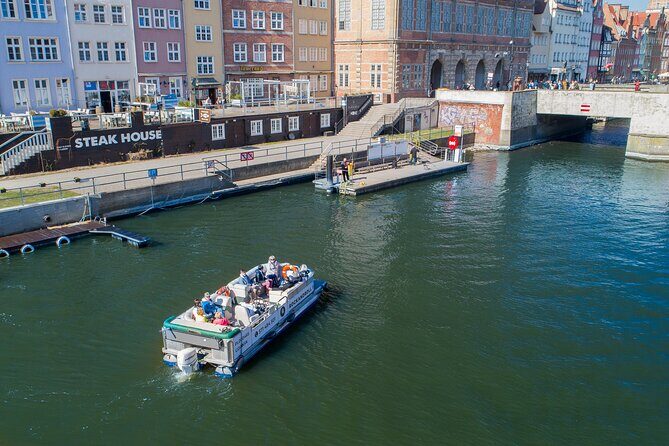
Gdańsk is a city that rewards walking—but walking all day can leave you cranky. This cruise is a simple fix. Instead of climbing stairs and weaving through crowds, you shift your sightseeing to the water side.
The catamaran format matters. It’s stable enough for relaxed viewing, and the route is paced to give you clear sightlines. You’re not trying to sprint between monuments; you’re letting the river do the work. That makes it a great “first look” option if you’re new to Gdańsk and want a quick map in your head.
The boat’s style is also part of the value. It’s described as a luxury catamaran, and the practical comfort shows up in the small details reported by guests, like blankets when the weather turns cool. This isn’t a rugged, sit-out-in-the-wind kind of outing.
You can also read our reviews of more boat tours in Gdansk

Price and Time: About $20 for 45 Minutes of Real Sightlines
At about $19.78 per person for roughly 45 minutes, this is priced like a short orientation cruise—because that’s exactly what it is. You’re not paying for a full-day program or extended guided wandering. You’re paying for a concentrated loop where the river gives you angles most people miss from the street.
Is it cheap? Yes, in the best way: you get major landmarks and multiple photo stops without spending your whole afternoon on logistics. Also, the notes include free admission for the listed sights, which helps you avoid surprise ticket costs tied to monuments and church viewpoints.
The timing is another win. Forty-five minutes fits between other activities. You can pair it with a longer land-based visit or use it as a reset if you’ve already toured the historic core.
Starting at Green Bridge: Easy Access and the Best First Views
You meet at the Green Bridge (Stara Motława, Gdańsk), and the cruise ends back at the same point. That round-trip setup is convenient: you’re not hunting for a new pickup location or planning a return in a hurry.
The meeting point is also in a practical spot: near public transportation and in the middle of town. That matters because boat trips can be unforgiving if you show up late. Here, the center-of-action location makes it easier to stay on schedule.
Once onboard, the experience is designed for quick understanding. You’ll get audio commentary in English, and there are materials that help you connect what you’re seeing to what the landmarks are. That combination is handy if you want context without having to read a stack of museum cards.
Stop-by-Stop: What You’ll See Along the Długa Pobrzeże Waterfront
Most of the sightseeing payoff happens early, as you cruise along the Motława River embankment and the waterfront areas around Długie Pobrzeże (Motława River Embankment / Długie Pobrzeże). This is where the riverfront architecture does its best work, because you’re catching buildings, islands, and walls from the same horizontal level.
Here’s what you should expect in this stretch:
Teutonic-era remains and the Long Seacoast (Długie Pobrzeże)
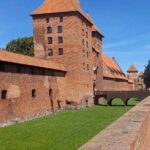
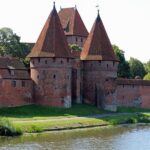
You’ll pass remains of the wall of the Teutonic Castle and the Long Seacoast (Długie Pobrzeże), including water gates leading to the city. Even if you’re not a medieval architecture expert, these are the kinds of details that give the waterfront meaning. From land, you mostly see fronts and facades; from the water, you see how the river shaped the city’s defense and trade.
Practical tip: look for how the waterfront aligns with bridges and gates. The “why” becomes clearer once you see the river as the main highway.
A few more Gdansk tours and experiences worth a look

A classic Gdańsk photo: the Crane
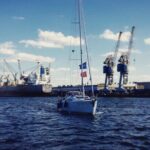
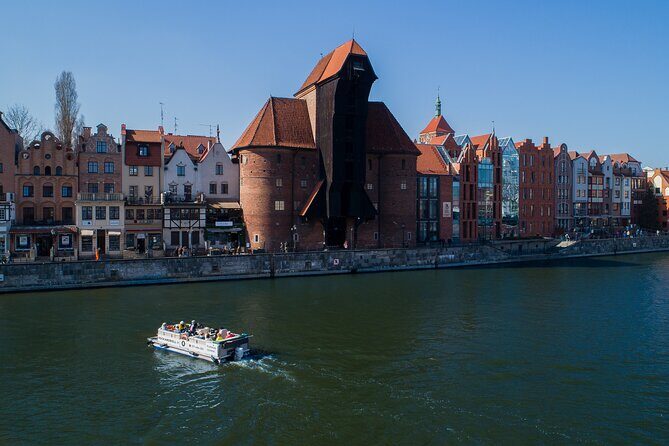
Before long, you’ll reach the famous Crane—the largest medieval crane in Europe. This is one of those landmarks that’s easier to appreciate when you’re not standing under it. On the boat, you can frame it in context: river, embankment, and the industrial-to-merchant story the area tells.
Olowianka Island and Granary Island
You’ll also see Ołowianka Island and Granary Island. Ołowianka is described as a fragment of Gdańsk where different threads of urban life overlap—initially tied to the Teutonic Order as an economic base for a commander’s castle. Granary Island is the opposite vibe: storage and shipping.
If you like cities where economics shaped the streets, islands like these will click for you. They explain why Gdańsk grew the way it did.
Green Bridge return, plus a Marina of Gdańsk pass
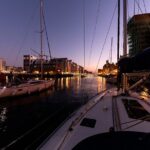
As you return, you stop by the Green Bridge again and you cruise past the Marina of Gdańsk along the way. That’s a nice rhythm change. You move from old stone and medieval function to modern water activity—same river, different chapter.
The Crane: Why the Biggest Medieval Crane Works Best From a Boat
Let’s talk about the Crane itself, because this is one of the big reasons to book. The largest medieval crane in Europe is visually strong on land, but from the water you get something else: scale plus setting.
From the boat, you can see the Crane not just as a standalone monument, but as part of the river’s operating system. It’s easier to imagine how goods moved and how the city depended on the Motława as a working corridor.
Photo note: bring your phone or camera in a stable grip. Even when the boat is calm, you’ll likely be shooting while turning slightly. That Crane angle is one you’ll want to nail quickly.
SS Sołdek: A Postwar Polish Ship You Can Spot From the Route
Another stop is SS Sołdek, described as the first ship built in Poland after World War II. Even if your ship-knowledge is limited, you’ll still get the key point: this isn’t only about medieval Gdańsk. It’s also about how Poland rebuilt maritime industry in the postwar years.
The value here is perspective. Many short tours focus on one era. This cruise threads in another time period so you don’t leave thinking the city is frozen in the past.
St. John’s Church and the World’s Largest Brick Church View
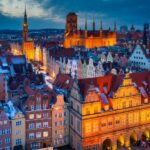
Next up is St. John’s Church (Kościół św. Jana). From the yacht, you’ll see the church towers and the town hall from the water side. That can be a refreshing change of viewpoint if you’ve already seen the church from streets and squares.
There’s also a specific sightline noted: behind St. John’s Church you can see the world’s largest brick church. That detail is the kind of thing that makes the cruise feel worth it. It’s not just “more buildings.” It’s a viewpoint connection that’s hard to replicate without water access.
Consideration: you’ll be seeing these landmarks from the river and at cruising speed. If your goal is interior details (stairs, altars, chapels), this isn’t the right tool. Think of it as the best outer-city perspective.
Wyspa Spichrzów (Granary Island): The Long Way and Storage Walls
When you’re sailing past Wyspa Spichrzów, you’ll see the preserved wall linked to the Long Way granary. This is the kind of waterfront architecture that feels utilitarian until you understand what it was for: holding goods, supporting trade, and functioning as part of the city’s supply system.
What I like here is the clarity. Even in a short cruise, you get enough context to look at walls and storage spaces and understand they weren’t decorative. They were economic infrastructure.
If you enjoy walking tours but hate waiting around for every interpretation, the cruise gives you the headline story fast. You can then switch to deeper land time later if you want.
Wyspa Ołowianka: Where Teutonic Origins Meet Later Urban Threads
Ołowianka is described as a place where urban history intersects. Initially it belonged to the Teutonic Order and served as the economic base for a commander’s castle.
Even if you don’t memorize dates, this stop helps you connect the dots: the Motława wasn’t just pretty water. It was where power, storage, and logistics converged. Ołowianka makes that intersection feel real.
This is also where the cruise’s audio approach works well. You’re not expected to roam; you’re expected to watch while the commentary explains what you’re seeing.
Dlugi Targ Square and the Fish Market Angle
You’ll also see Długa Targ Square and the Fish Market. Gdańsk’s markets are part of why the city felt like a hub—people came for trade, not only sightseeing.
The note here is interesting: you used to have more fish markets like this in Gdańsk. Even if you don’t care about fish, the point is about change over time. The cruise gives you a snapshot of what the city’s economy looked like from its most central areas.
Brama Stagiewna: A Street Connection You Notice Only From the Water
Finally, you’ll pass Brama Stagiewna. It’s connected to Stagiewna Street crossing the granary island, starting at the Green Bridge.
This is one of those details that’s hard to “get” while walking. From the water, you see how street alignments connect with the island structure and waterfront flow. It’s the sort of navigation-to-understanding moment that makes the cruise feel smarter than a simple loop.
English Audio, Onboard Commentary, and What the Experience Feels Like
One of the strongest benefits is the English commentary. You’ll get an audio track rather than relying only on signage. That’s great if you’re traveling with limited Polish and want context on the main landmarks.
I also think the materials help. Some guests mentioned English handouts and pictures, which is a big deal for a cruise of this length. When you can match landmark to caption, you remember more when you step back onto the street.
About the “tour personality” though: the format is more straightforward. It’s not a guide walking you close to every monument. Instead, you’re watching and learning as you go. One downside noted is that it can feel less personal if you’re expecting a more conversational guide.
So I’d frame it like this: you’re buying a comfortable water route with organized explanations, not a live narrative from a person who wants to hear your questions.
Comfort and Weather: Blankets Help, and You Should Plan for Cool Air
This cruise depends on good weather, because it’s an outdoor boat experience. That’s standard for this kind of outing, but it matters more than you might think in Gdańsk, where wind off the water can turn chilly fast.
The good news: blankets are reported onboard, and that small comfort upgrade can make the difference between enjoying the whole ride and counting minutes until you warm up.
Practical tip: wear layers. Even if the morning looks mild, the river air can cool you down once you’re moving and waiting at viewing angles.
Who This Cruise Is For (and Who Might Skip It)
This is a strong choice if:
- You want a quick, low-effort way to see major Gdańsk landmarks
- Your legs need a break but you still want great views
- You like photo stops at iconic sights like the Crane and granary islands
- You prefer English audio over a guide-led walk
I’d think twice if:
- You want a long, hands-on guided tour with personal interaction and lots of time at each site
- You expect to go far beyond water viewpoints into old-town streets during the cruise itself
Also keep your expectations aligned with the format. This is sightseeing from the river. It won’t replace a land day in the historic center. But it will help you understand what you’re seeing once you do go back on land.
Quick Value Check: Is It Worth About $20?
For the price, you’re getting:
- A short time commitment (about 45 minutes)
- Major landmark coverage from one route
- A small group setting capped at 12
- English audio commentary and helpful materials
- Multiple free-to-view stops as part of the route
If you’re trying to squeeze a lot of Gdańsk into limited time, that’s where the value hits hardest. You’re not paying for hours. You’re paying for efficient sightlines.
And if you’re the type who likes to understand a city’s structure—riverfront defense, storage, trade, and later rebuilds—this route gives you enough context to keep walking afterward with better instincts.
Should You Book This Motława River Catamaran Cruise?
Yes, if you want a calm, photo-friendly way to get your bearings in Gdańsk. I’d book it when you have limited time, you want an easy start to your trip, or your feet need a break from walking.
If you’re the sort of traveler who demands a live guide personality and lots of close-up time at each landmark, you might prefer a different style of tour. This one is more about the river route, the English audio, and seeing how the city looks from water level.
Bottom line: for about $20 and under an hour, it’s a smart, low-stress upgrade to any Gdańsk itinerary.
FAQ
How long is the cruise on the Motława River?
The cruise lasts about 45 minutes.
How many people are on the boat?
The group is capped at a maximum of 12 travelers.
Is the experience available in English?
Yes. The tour is offered in English, with audio commentary onboard.
Do I have to buy entry tickets for the sights?
The stops listed on the route are marked as free admission.
Where does the cruise start and where does it end?
It starts at the Green Bridge (Stara Motława, Gdańsk) and ends back at the same meeting point.
What should I do if the weather is bad?
The experience requires good weather. If it’s canceled due to poor weather, you’ll be offered a different date or a full refund.
Can I cancel for a full refund?
Yes. You can cancel for a full refund if you cancel at least 24 hours before the experience starts.