REVIEW · KRAKOW
Auschwitz and Birkenau Tour
Book on Viator →Operated by Royal Tours Krakow · Bookable on Viator
Two camps in one organized day can save stress.
This Auschwitz and Birkenau tour is built for the practical side of a heavy visit: round-trip coach/minivan transport plus admission tickets to both sites included, so you can spend less time wrangling logistics. I also like that you’ll have a live guide with headsets, which matters when you’re trying to focus inside quiet, crowded spaces.
The main thing to watch is timing can shift. The final start time depends on museum authorities, and if the schedule changes, your day can run differently than you planned.
In This Review
- Key highlights you’ll feel on the ground
- Why this Krakow tour format works for Auschwitz and Birkenau
- What you’re paying for: $46.91 and what that usually includes
- Your stop at Auschwitz I: gates, barracks, and Block 11
- Block 11: the prison within the prison
- The crematorium and gas chamber that remains preserved
- The transfer to Auschwitz II Birkenau: why the scale changes everything
- Auschwitz II Birkenau: ruins, gas chambers, and the “hidden evidence” effort
- Getting to both sites: minivan comfort, pickup, and the day’s timing
- Start time depends on museum authorities
- Comfort caution: air-conditioning can be uneven
- What you should bring (and what to skip) for this kind of walking
- How the guide format affects your experience
- Who should book this tour, and who should reconsider
- Should you book this Auschwitz and Birkenau tour?
- FAQ
- How long is the Auschwitz and Birkenau tour from Krakow?
- What’s included in the price?
- Do you get hotel pickup?
- Is the tour offered in English?
- Are headsets provided?
- Is food and drinks included?
- Is it suitable for children?
Key highlights you’ll feel on the ground
- Auschwitz I and Birkenau in one outing so you don’t waste a day stitching together separate tickets and transport
- Headsets included to help you hear the guide clearly during walkthroughs
- Tickets to both sites included to reduce hassle and time at entry points
- Hotel pickup and drop-off offered (or pickup from designated meeting points)
- Max group size of 30 for a more manageable pace and fewer bottlenecks
- Most walking is unavoidable and Birkenau is largely outdoors, so shoes and layers really matter
Why this Krakow tour format works for Auschwitz and Birkenau
If you’re basing yourself in Krakow, Auschwitz and Birkenau are a day trip whether you like it or not. The value of this kind of tour is not drama—it’s control. You get time-saving transport to cover both Auschwitz I (the original camp area) and Auschwitz II Birkenau (the massive death camp site) without trying to coordinate buses, trains, and timed entries on your own.
Also, Auschwitz is not a place you can truly “speedrun.” You’ll be reading, walking, and processing. A guided visit helps you connect what you’re seeing—buildings, exhibits, layouts—to what those places meant. It turns a list of sites into a clearer, timeline-style experience.
You can also read our reviews of more tours and experiences in Krakow.
What you’re paying for: $46.91 and what that usually includes
At about $46.91 per person, the biggest value point is that this is not just a bus ride. You’re getting:
- Hotel pickup and drop-off (or pickup from designated points)
- Air-conditioned minivan transport
- A driver/guide
- Headsets to hear instructions and the guide’s narration
- Admission tickets to both Auschwitz I and Birkenau
Food isn’t included, so plan for a simple packable option or buy something near Krakow later. Most of your “cost” in this trip is time and energy, not dollars—so keeping logistics bundled is the smart move.
Your stop at Auschwitz I: gates, barracks, and Block 11
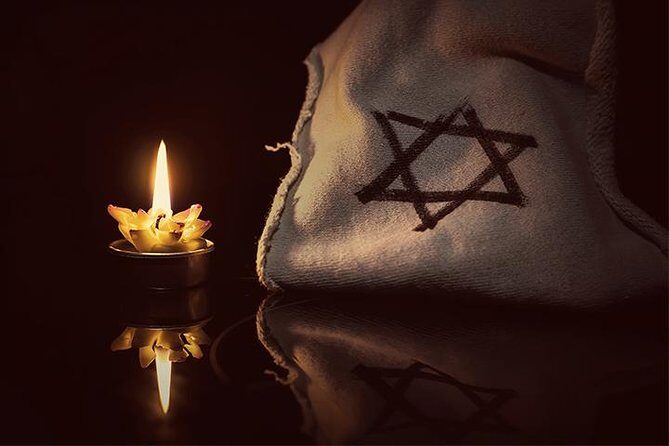
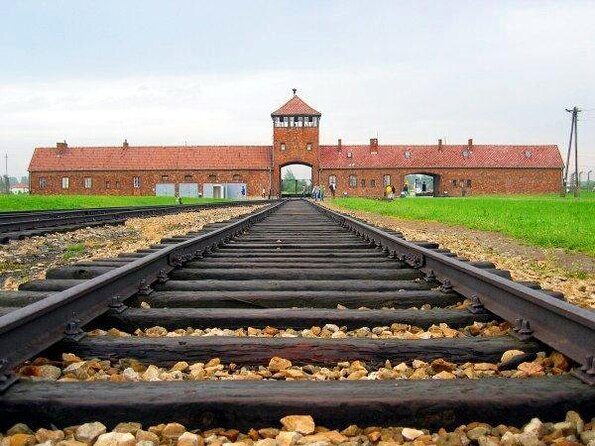
Auschwitz I is where you start to understand the system. It’s more compact than Birkenau, but the density of evidence hits fast: original structures, preserved spaces, and the camp’s layout. You’ll enter through the iron gate marked with the notorious slogan Arbeit Macht Frei (Work Sets You Free)—a cruel phrase placed to lie about freedom.
Once inside, you’ll see 22 brick barracks that were used to imprison hundreds of thousands of victims. The barracks aren’t just “old buildings.” They’re the context for why the camp’s machinery could scale. The guide’s job here is to help you read the place instead of staring at it like a photo you can’t understand.
Block 11: the prison within the prison
One of the most intense parts of the Auschwitz I visit is Block 11, often described as a prison within the prison. This section included special torture spaces, including dark chambers and standing cells where punishments were inflicted. The itinerary notes that the first attempts to kill people with Zyklon B took place in this block.
If you’re the type who needs a second to breathe, plan for it. This isn’t a place where you can comfortably stroll and snack. The headset helps, but your mind will still run ahead.
The crematorium and gas chamber that remains preserved
At the end of the Auschwitz I walk, you’ll reach the only preserved crematorium and gas chamber. Seeing what’s left—rather than ruins—changes the emotional texture of the visit. It’s harder to distance yourself with “it’s just remnants.” The guide’s framing matters here, because it connects physical evidence to historical purpose without turning it into spectacle.


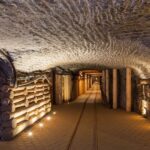
The transfer to Auschwitz II Birkenau: why the scale changes everything
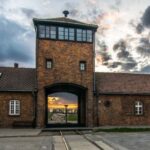
After Auschwitz I, you’ll travel to Auschwitz II Birkenau, which is where the trip’s scale becomes impossible to ignore. Birkenau is described as 25 times larger than Auschwitz I, and it was the largest of the death camps.
The numbers in the tour outline are stark: over 1,100,000 people were murdered here. Seeing the site’s vastness is one of the main reasons Birkenau is psychologically different. It stops feeling like a single camp and starts feeling like a whole landscape built for mass harm.
Auschwitz II Birkenau: ruins, gas chambers, and the “hidden evidence” effort
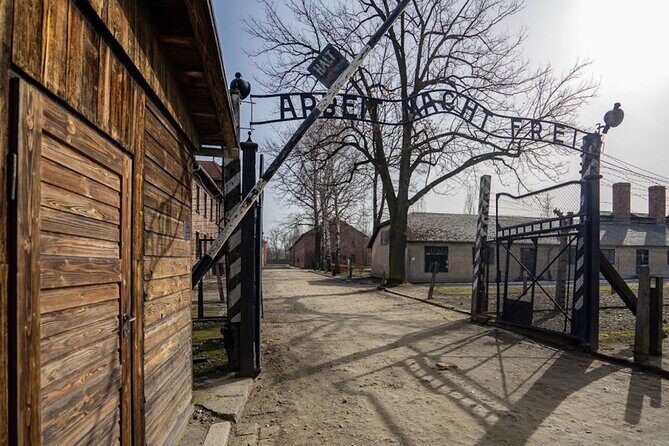
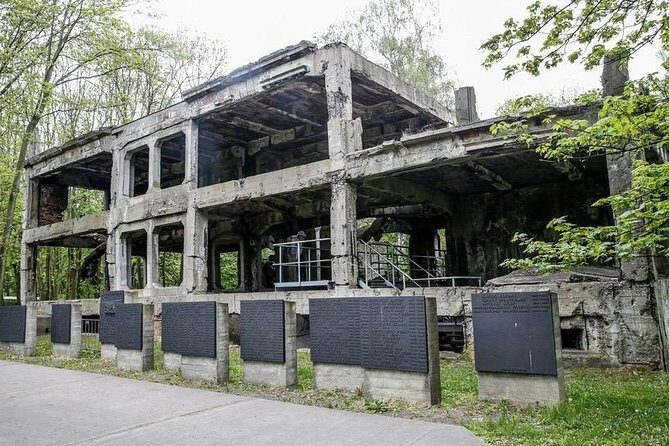
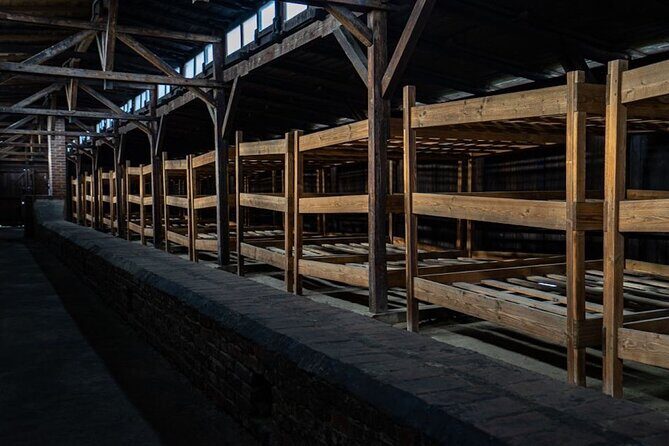
Birkenau’s core features include 62 wooden barracks (often discussed through their ruins), plus the ruins of four crematoriums and gas chambers. The itinerary notes that these were destroyed by the Nazis to help hide evidence of the crimes.
A key point for your expectations: Birkenau is more outdoors than Auschwitz I. The walk is often longer, and the ground can be uneven. That means your comfort choices matter more here—flat shoes aren’t a suggestion.
If audio quality is a make-or-break detail for you, this is where it’s extra important to keep your headset snug and at the right volume. One of the mixed experiences people reported is that, on some days, guides can be hard to hear. When you’re out in open space, you still need the guide to help you connect what you’re standing next to.
Getting to both sites: minivan comfort, pickup, and the day’s timing
This tour uses an air-conditioned minivan (group size max 30 travelers). In theory, that’s a good balance: small enough to feel organized, big enough to avoid the chaos of multiple separate vehicles.
Pickup is usually the plus side of booking a tour like this. The experience offers hotel pickup and drop-off, but it’s also clear that pickup can happen from designated meeting points, so don’t assume the driver will find you like a taxi. The tour ends back at the meeting point, not back at a random street corner.
Start time depends on museum authorities
One practical reality you should plan around: the final tour start time depends on museum authorities and can change. That’s not unique to this company, but it affects your day. If you have a second commitment the same afternoon, leave a cushion.
I recommend treating the day like it has a “moving ceiling.” You can still plan, but don’t build a tight schedule around it.
Comfort caution: air-conditioning can be uneven
Most reports are positive about transport, but at least one experience described uneven cooling—front seats colder than the back. Bring that in mind if you run hot, and consider wearing light layers you can adjust.
What you should bring (and what to skip) for this kind of walking
Auschwitz and Birkenau are walk-heavy. Even if your legs are fine, your feet can get cranky fast because of uneven ground and long stretches outside.
Here’s what I’d bring:
- Flat, comfortable shoes with good traction (uneven surfaces are real)
- A warm layer even in mild weather (Birkenau is mostly outdoors)
- Headset-friendly behavior: make sure your headset sits right if provided
- Water and snacks only if you’re allowed—but note that food and drinks are not included, so you’ll need a plan
If you’re sensitive to crowds, go in knowing that museum attendance varies. A group size up to 30 helps, but it’s still a major global site.
How the guide format affects your experience
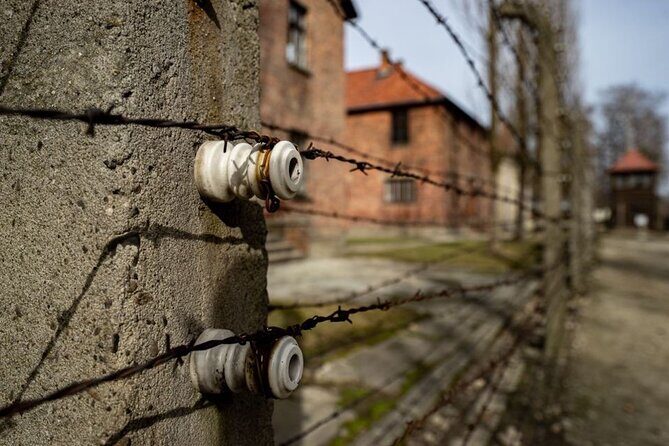
A good guided visit makes Auschwitz and Birkenau feel understandable without turning them into a textbook. The tour format includes a driver/guide and headsets so you can hear clearly.
The best feedback you’ll see tied to this approach is about how the guide delivered the material: clear pacing, a respectful tone, and the ability to answer questions. One cited example in the provided info is that a driver named Michael handled issues smoothly and helped keep the day on track when there were late logistics surprises.
That said, there are also negative notes about sound—one person reported not being able to hear a guide well enough to get value from the narration. This is why I’d focus on two things on the day:
- Sit where you can clearly hear the guide’s direction
- If the headset volume or fit feels wrong, ask quickly for adjustment
You’re paying for understanding, not just entry into the site.
Who should book this tour, and who should reconsider
This tour is a good match if you want:
- Transport + tickets bundled from Krakow
- A guided walkthrough at both Auschwitz I and Birkenau
- A manageable group size (up to 30)
- A headset-based audio setup
It’s not a great fit if:
- You need tight control over the exact minute-by-minute schedule (start time can shift)
- You’re going with a young teen who’s sensitive to intense content—children must be accompanied by an adult, and it’s not recommended for children aged 14 and under
- Your physical comfort is limited; the tour asks for moderate physical fitness
If you’re worried about hearing quality, consider bringing this up with the operator in advance. And on the day, don’t be shy about headset adjustments.
Should you book this Auschwitz and Birkenau tour?
I’d book it if you want the simplest way to cover both camps with a guide, without spending time figuring out transport and admissions. The combination of admission tickets included, hotel pickup, and headsets is where the value really shows.
I wouldn’t book it (or I’d book with extra scheduling caution) if your second-half plans are locked in. Because museum-driven start time changes can happen, you’ll want flexibility.
Bottom line: choose this tour when you want structure and time savings. Pair it with the right footwear and an open mind for a very hard, very important day.
FAQ
How long is the Auschwitz and Birkenau tour from Krakow?
The duration is listed as approximately 4 to 7 hours.
What’s included in the price?
Admission tickets to both Auschwitz and Birkenau are included, along with hotel pickup and drop-off, transport by air-conditioned minivan, a driver/guide, and headsets.
Do you get hotel pickup?
Yes. The tour offers hotel pickup and hotel drop-off, and there are also designated meeting points for pickup.
Is the tour offered in English?
Yes, it’s offered in English.
Are headsets provided?
Yes. Headsets are included so you can hear the guide clearly.
Is food and drinks included?
No. Food and drinks are not included.
Is it suitable for children?
Children must be accompanied by an adult, and it’s not recommended for children aged 14 and under.