REVIEW · GDANSK
Electric Scooter Tour: Gdańsk Shipyard – 1,5-Hour of Magic!
Book on GetYourGuide →Operated by Segway Tours & Rental Kraków · Bookable on GetYourGuide
Glide past Gdańsk cranes on two wheels. This electric scooter tour turns the shipyard district into a fast-moving mix of architecture, harbor views, and stories you can actually connect to what you’re seeing. You’ll roll from the meeting point by the Museum of the Second World War and spend about 90 minutes cruising where the city’s maritime identity was shaped.
I like how the ride is timed for variety: you get panoramic waterfront views and then swap to the industrial architecture that makes the shipyard area so distinctive. I also love that the guide’s explanations focus on what matters, including the Solidarity movement connection at the shipyard gates.
One thing to plan for: the schedule is listed as 90 minutes, but you may find it runs a bit shorter in practice (so build in a little buffer if you’re lining up other plans).
In This Review
- Key things that make this tour worth your time
- Electric scooters in Gdańsk shipyards: why it works
- Meeting at Stara Stocznia 20/12 (by the Museum of the Second World War)
- From cranes to the waterfront: what you’ll see right away
- The shipyard gates and the Solidarity story you can point to
- Industrial architecture: how the guide helps you read the details
- Cruising Gdańsk streets after the shipyard: cafes, markets, and side stories
- Guides in English and German: expect real enthusiasm and clear storytelling
- Price and value: is $69 fair for 90 minutes?
- Safety, rules, and who this scooter tour is and isn’t for
- Length reality check: listed 90 minutes vs. time on the ground
- Should you book the Gdańsk shipyard electric scooter tour?
- FAQ
- How long is the Gdańsk Shipyard electric scooter tour?
- How much does the tour cost?
- Where is the meeting point?
- What’s included in the price?
- Is the tour available in English and German?
- What should I bring for the tour?
- Are there any restrictions on what I can bring or do?
- Who is the tour not suitable for?
Key things that make this tour worth your time
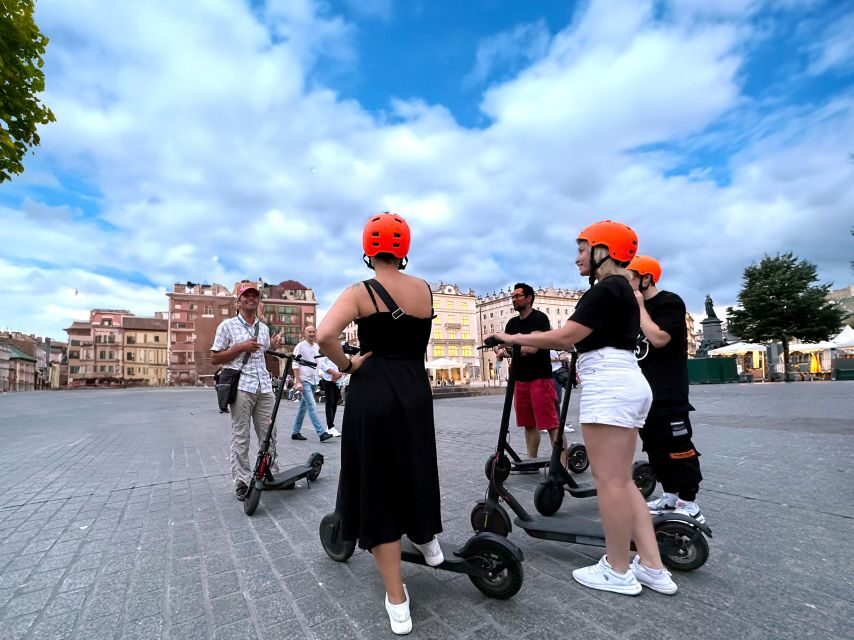
- Electric scooter convenience: fast coverage without tiring on foot, especially along the waterfront.
- Photo-ready shipyard scenery: cranes, gates, and historic buildings are built for pictures.
- Solidarity history at the shipyard gates: the story lands because you’re seeing the real setting.
- Training + safety gear included: you’re not sent off blindly.
- English or German guide: clear narration in the language you choose.
- Small-group feel is possible: the vibe can stay personal, not rushed.
Electric scooters in Gdańsk shipyards: why it works

The shipyard district in Gdańsk is made for moving. You’ve got long harbor lines, big industrial forms, and wide sightlines that are great when you’re gliding rather than stopping every few minutes. On a scooter, you can keep momentum and still pause when something clicks—like a crane against the skyline or a gate that looks plain until someone explains why it mattered.
This tour’s value is that it’s not only sightseeing. The ride format helps you connect details: you pass the waterfront, you slow at the shipyard gates tied to Solidarity, and then you continue into streets where the city’s everyday life shows up. If you like learning while you move, this style fits well.
A few more Gdansk tours and experiences worth a look

Meeting at Stara Stocznia 20/12 (by the Museum of the Second World War)
You’ll start at Stara Stocznia 20/12, right next to the Museum of the Second World War. The office is on the ground floor, opposite the museum side, and the entrance has the 20/12 number above the door—so you shouldn’t have to play guess-the-building for long.
Plan to arrive a few minutes early. The tour includes scooter usage training and safety gear, and those minutes are part of what makes the experience smooth instead of chaotic. Also, check your email the day before your tour—there’s important information sent ahead of time, and you can contact them using WhatsApp if anything is unclear.
What to wear is simple: comfortable shoes. You’ll be stopping and starting, and shipyard surfaces can be uneven, so skip anything slick or too flexible.
From cranes to the waterfront: what you’ll see right away

Once you’re set up, you’ll head out past towering cranes and historic buildings lining the shipyard area. This is where the timing matters. Gdańsk’s harbor views are best when you have a moving viewpoint—things change as you ride, and you catch ships and structures that you’d miss if you only walked one straight line.
Your guide will point out what you’re looking at and connect it to the shipyard’s development over time. Expect stories that make the industrial setting feel human: the shipyard wasn’t just machinery—it was employment, identity, and a reason people gathered and organized.
This is also the part where you’ll get your bearings on the scooter. You’ll practice handling and turning, then you’ll use that control to enjoy the sights rather than just focus on balance.
The shipyard gates and the Solidarity story you can point to
One of the most compelling moments is when you reach the famous Gdańsk Shipyard gates, tied to the Solidarity movement. It’s one thing to read about political change. It’s another to roll up in front of a real landmark and hear why that location mattered.
The tour’s approach here is practical. Instead of treating Solidarity as a distant headline, the guide frames it as something grounded in place—meaning you remember the setting, not just the facts. If history is your thing, this is the “okay, now I get it” section of the tour.
Photo tip: don’t only shoot the gate head-on. Try a few angles that include the surrounding industrial structures, because that context is what makes the story feel bigger than a single point on a map.
Industrial architecture: how the guide helps you read the details

The shipyard district is full of textures—metalwork, brick-and-steel shapes, repeating forms, and scale. Without an explanation, it can look like scenery. With narration, it becomes a map of how the area functioned and why certain structures exist where they do.
This tour leans into that. You’ll pause to admire the architecture and hear insights into the shipyard’s industrial heritage. The best part is how the guide connects details to function, so you’re not just staring at buildings—you’re understanding what they were built to do.
I especially like the pacing. You’re moving enough to keep the tour fun, but not so fast that the story slips away. It’s the sweet spot for learning without turning the experience into a lecture.






Cruising Gdańsk streets after the shipyard: cafes, markets, and side stories
After the shipyard highlights, you’ll continue into the surrounding streets where you can feel the city shift from industrial scale to everyday rhythm. The tour passes by places that feel lived-in—cafes, lively markets, and quaint alleyways.
This is where scooters can be a little tricky for crowds, but the tour format helps. You’ll be weaving around pedestrians and cyclists with guidance, not guessing. The goal is not to race; it’s to keep moving while staying considerate.
For photos, this segment gives you variety. You’ll capture different kinds of streetscapes than the shipyard area—more human-scale scenes, narrower views, and chances to photograph landmarks from angles you wouldn’t think to stop for on foot.
If you’re the type who likes a tour that shows more than one “zone,” this part is a real plus. It keeps the tour from feeling like a one-note industrial loop.
Guides in English and German: expect real enthusiasm and clear storytelling
The tour runs with a live guide in English or German. One name you might hear from past tours is Francesco, who shows up in feedback as someone with real passion for explaining Gdańsk. That matters because the scooter can be fast—you want narration that stays clear and structured even while you’re moving.
In practice, I’d treat this as a good option if you prefer guides who talk through what you’re seeing instead of handing you a list of dates. The shipyard is visual; the guide’s job is to translate those visuals into meaning.
A small consideration from experience-style feedback: sometimes the timing of explanations can feel like it depends on the last participant being ready. If your travel day is tight, give yourself a little extra cushion so you’re not stressed waiting for a group rhythm to settle.
Price and value: is $69 fair for 90 minutes?
At $69 per person, you’re paying for a specific mix: guide-led history, scooter training, and safety gear, all wrapped into a time-efficient format. In other words, you’re not only buying entry to sights—you’re buying the ability to cover more ground without physical fatigue.
Is it worth it? If you want:
- shipyard landmarks and waterfront views without long walks, and
- history tied to specific places, not vague descriptions,
then the value holds up. The tour also gives you a clear structure: start, training, guided cruising with multiple visual stops, then back to the starting point.
If you’re the kind of traveler who already knows Gdańsk shipyard history and only needs a quick photo route, you might feel the price more sharply. But if you’d rather learn while you ride, $69 for a guided, gear-included experience is a reasonable trade.
Safety, rules, and who this scooter tour is and isn’t for
This tour includes safety gear and includes scooter usage training, which is a big help if you haven’t ridden one before. You’ll also be given clear expectations on how to operate safely around people.
What to know:
- Bring comfortable shoes.
- Alcohol and drugs are not allowed.
- Not suitable for children under 6, pregnant women, or people over 331 lbs (150 kg).
If you’re unsure about mobility or balance, take those limits seriously. A scooter tour is still physical work—standing, turning, and controlling speed—just in a different way than walking. And since you’ll be around pedestrians and cyclists, you’ll want a calm mindset and full attention.
Length reality check: listed 90 minutes vs. time on the ground
The activity is listed as 90 minutes, and that’s the target you should plan around. Still, it’s smart to treat that as an estimate rather than a stopwatch promise. One account suggested it ran closer to about 1 hour 10 minutes.
So if you have a strict schedule after the tour, give yourself a buffer. This isn’t a deal-breaker; it’s just smart planning. Most importantly, remember that training, photo stops, and group pacing all take time.
Should you book the Gdańsk shipyard electric scooter tour?
I’d book it if you want an efficient way to see the Gdańsk Shipyard area, understand the Solidarity-linked shipyard gates, and get a guided ride that mixes harbor views with city streets. It’s especially strong for first-timers who want the story to land because the guide keeps tying history to the exact spot in front of you.
Skip it or think twice if you:
- need a strictly timed, never-more-than-90-minutes slot,
- can’t ride comfortably or safely on a scooter, or
- prefer deep museum-style history over on-the-ground narration.
If you’re flexible and you like moving through a place while you learn, this tour is a fun way to experience Gdańsk’s shipyard identity without spending your whole day walking.
FAQ
How long is the Gdańsk Shipyard electric scooter tour?
The tour duration is listed as 90 minutes. Starting times depend on availability.
How much does the tour cost?
The price is listed as $69 per person.
Where is the meeting point?
Meet at Stara Stocznia 20/12 in Gdańsk. The office is next to the Museum of the Second World War, on the ground floor, opposite the museum side.
What’s included in the price?
Included are a local guide, scooter usage training, and safety gear.
Is the tour available in English and German?
Yes. The live tour guide is available in English and German.
What should I bring for the tour?
You should bring comfortable shoes.
Are there any restrictions on what I can bring or do?
Alcohol and drugs are not allowed.
Who is the tour not suitable for?
It’s not suitable for children under 6 years, pregnant women, or people over 331 lbs (150 kg).