REVIEW · WROCLAW
Wrocław Centennial Hall and Surroundings Private Tour UNESCO
Book on GetYourGuide →Operated by Wroclaw City Tour · Bookable on GetYourGuide
Concrete curves and quiet gardens in Wrocław. In a private 2-hour visit, I love seeing the UNESCO-listed Centennial Hall up close and I especially like the park-side details around the pergola and Japanese Garden area, where the setting changes with the season. One drawback to keep in mind: the hall’s interior and the Japanese Garden can close for concerts or events, so you may have more outdoor time than expected.
What makes this tour work well is the guide. In my experience with this kind of small-group format, a licensed guide keeps the pace tight and answers the questions that pop up while you’re standing under that massive concrete dome. The second thing I really appreciate is the mix of big-ticket sights and “in-between” moments, from the Iglica pass-by to the water-feature pergola, plus a guided look at the hall’s interactive museum area if it’s operating.
For value, plan for the fact that you’ll pay extra for entry to the Centennial Hall museum and the Japanese Garden (8 EUR each, per person). Still, if you want orientation and story while you explore, the guide time can be the difference between wandering and really getting it.
In This Review
- Key points to know before you go
- UNESCO Centennial Hall in 2 hours: what you’ll actually get
- The Centennial Hall dome: exterior impact and interior reality checks
- Centrum Poznawcze Hali Stulecia: the multimedia museum ticket question
- Iglica and the nearby landmarks: quick passes that still matter
- Four Domes Pavilion and WuWa 1929: architecture with a program
- Pergola with multimedia water features: the highlight you can plan around
- Japanese Garden visit: when it’s open, it’s a standout
- Wrocław Fountain: guided pause, possible concert-style timing
- Break time at Restauracja Pergola: eat with a view of the place
- The final guided look inside Centennial Hall
- Optional boat trip and smart add-ons after the tour
- Price and logistics: is $40 worth it?
- Should you book this Wrocław Centennial Hall tour?
- FAQ
- FAQ
- How long is the Centennial Hall and Surroundings private tour?
- Where do we meet the guide?
- Is the Centennial Hall museum entrance included?
- Do I need a separate ticket for the Japanese Garden?
- What is included in the tour besides the guide?
- Can the tour include a boat trip?
- What languages does the guide speak?
- What if the Centennial Hall interior is closed that day?
Key points to know before you go
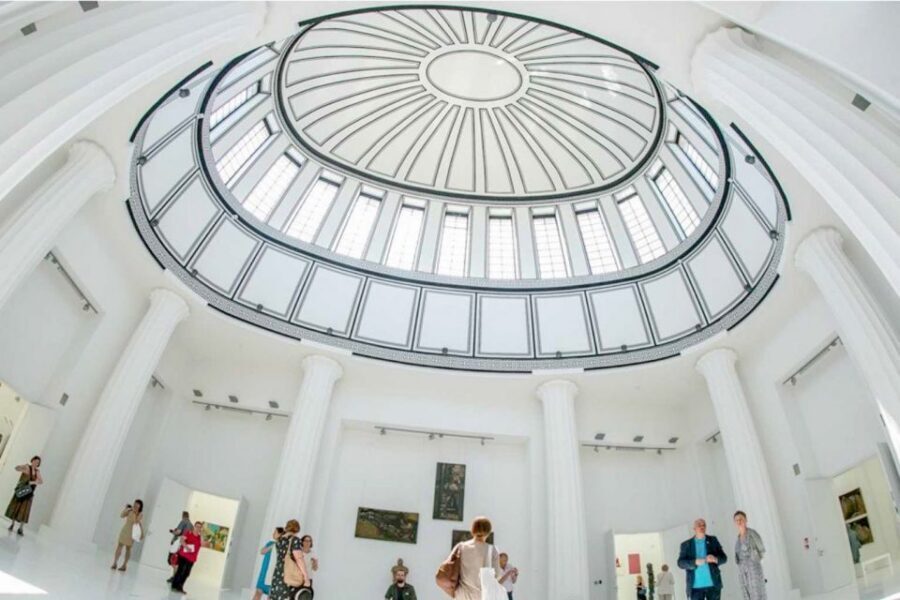
- UNESCO Centennial Hall viewing starts at the big main entrance, then you get a guided walkthrough of the key spaces.
- Interactive multimedia museum at the Centennial Hall is available even when the interior is affected by events.
- Pergola + multimedia water features are a major highlight, with the Japanese Garden timed for seasonal access (especially in summer).
- Four Domes Pavilion and the WuWa 1929 exhibition add extra architectural context beyond the main dome.
- The Wrocław Fountain stop includes a guided pause, and a concert-style program may be part of the timing.
- Optional add-ons nearby: a boat trip to the center on request, plus self-time options like the pier/old town or the zoo with Afrikanarium.
UNESCO Centennial Hall in 2 hours: what you’ll actually get

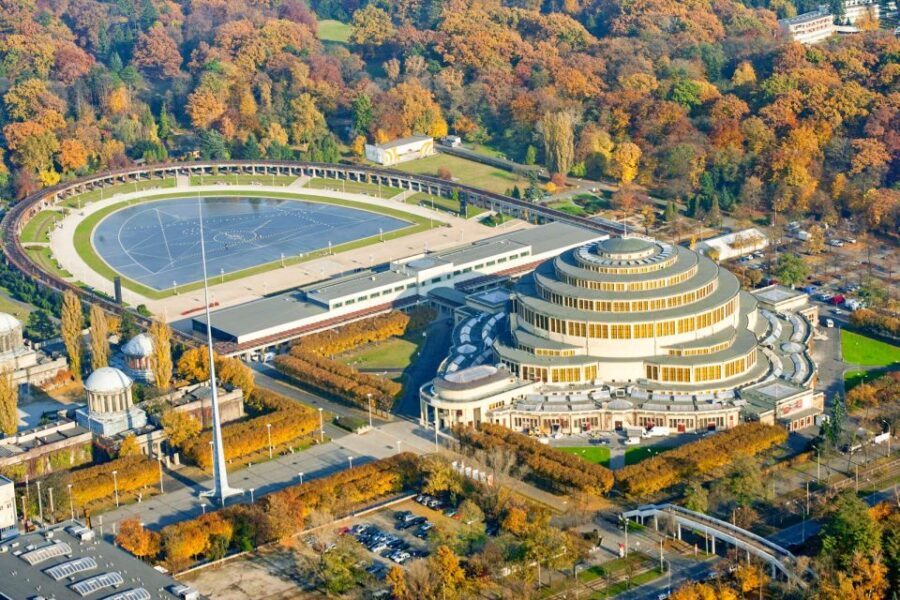
Wrocław’s Centennial Hall is one of those places where scale hits first. Even before you read anything, you notice how the space is built like a machine for atmosphere: wide, open, and meant for crowds and events. This tour is built around that reality. You won’t spend all day here, but you will get the story and the checkpoints that help you appreciate why this building became UNESCO-listed in 2006.
Because it’s private, you’re not squeezed into a giant group. That matters here. The dome can make you walk a lot in circles unless someone helps you aim your eyes: where to look for the structure, how to connect it to the park features outside, and how the different pavilions relate to each other.
You can also read our reviews of more private tours in Wroclaw



The Centennial Hall dome: exterior impact and interior reality checks
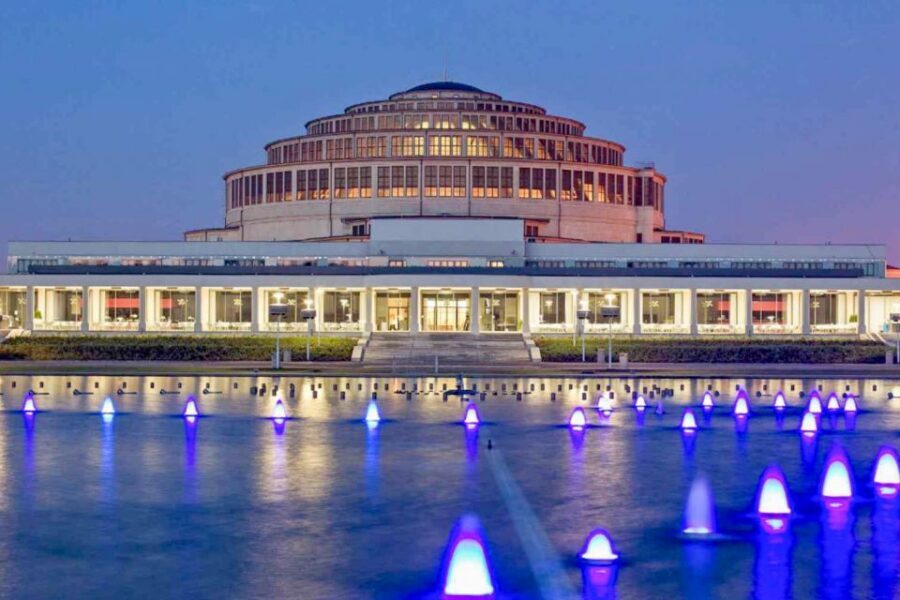
Your tour starts at the main entrance. From there, you build a quick mental map: the dome as the centerpiece, the surrounding park as the second act, and the nearby pavilions as supporting chapters.
Here’s the key practical point: the hall’s interior can be closed due to entertainment events or concerts. When that happens, you may still be able to access the museum part (the multimedia exhibition), even if full interior access is limited. So you’re not forced into a total consolation prize—you’re guided toward whatever is open.
When the interior is available, the dome is the moment. It’s huge, and you’ll want a guide because it’s not obvious, from the outside, what parts of the space were designed to do. The guide’s job is to turn your standing-around time into something you understand in minutes.
Centrum Poznawcze Hali Stulecia: the multimedia museum ticket question

The interactive exhibition is called Centrum Poznawcze Hali Stulecia. It’s the multimedia, museum-style layer of the visit, and it’s the reason your tour can feel complete even when other areas are affected by events.
You should budget 8 EUR per person for the museum entrance. That sounds like an add-on, and it is—but it’s also the portion that translates the building into “how it works” and “why it matters,” especially if you’re not inclined to read a stack of placards.
If you’re the kind of person who likes photos and architecture but also wants context, that extra ticket makes sense. If you only want an exterior hit and a garden walk, you can decide to focus more on the grounds and skip the museum—but then this tour becomes more about scenery than story.
Iglica and the nearby landmarks: quick passes that still matter
Not every stop here is a long sit-down. Some are pass-bys, but they’re timed to help you orient in Wrocław’s physical language.
The itinerary includes a stop at Iglica (the Needle), viewed on a short guided pass. This matters because once you’ve seen that skyline marker, the rest of the park complex feels less random. Your brain starts connecting points: “Okay, this is the larger city context, not just a single park attraction.”
If you’re short on time and want the landmarks woven into the experience, those quick hits are a good use of 2 hours.
Four Domes Pavilion and WuWa 1929: architecture with a program
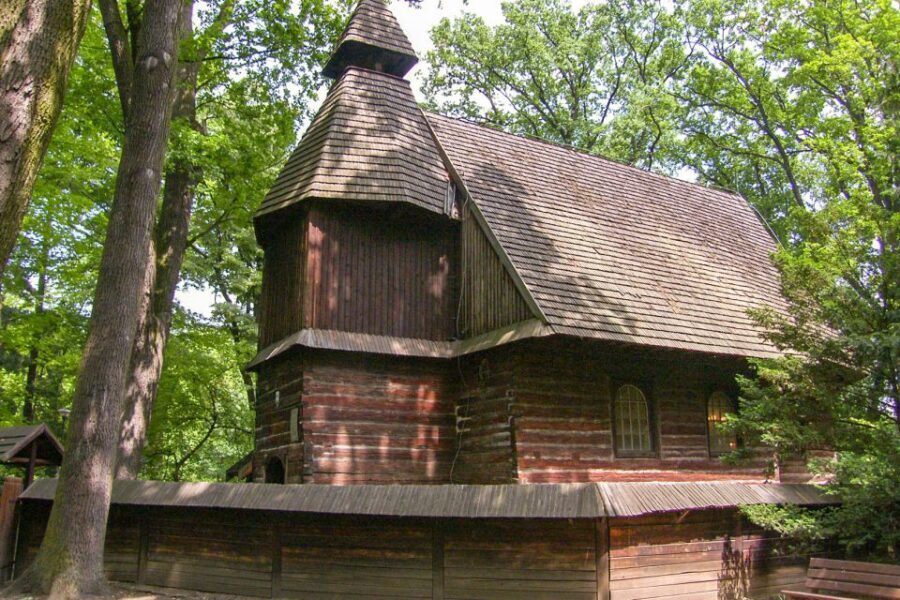
Next up is the Four Domes Pavilion. You get a guided look and a sightseeing pass, plus the WuWa 1929 exhibition reference, which signals that this space is not only form—it’s also about what was shown, organized, and remembered.
This is one of those stops where a guide helps you notice details you’d otherwise miss. Pavilions like this are easy to treat as background, but the structure and layout are part of why the park feels like a planned cultural environment rather than a random collection of buildings.
The downside? You won’t have hours here. If you’re a hardcore exhibition person, you may want more time later. But for most visitors, this stop works as the “bridge” between the dome and the park entertainment areas.





Pergola with multimedia water features: the highlight you can plan around
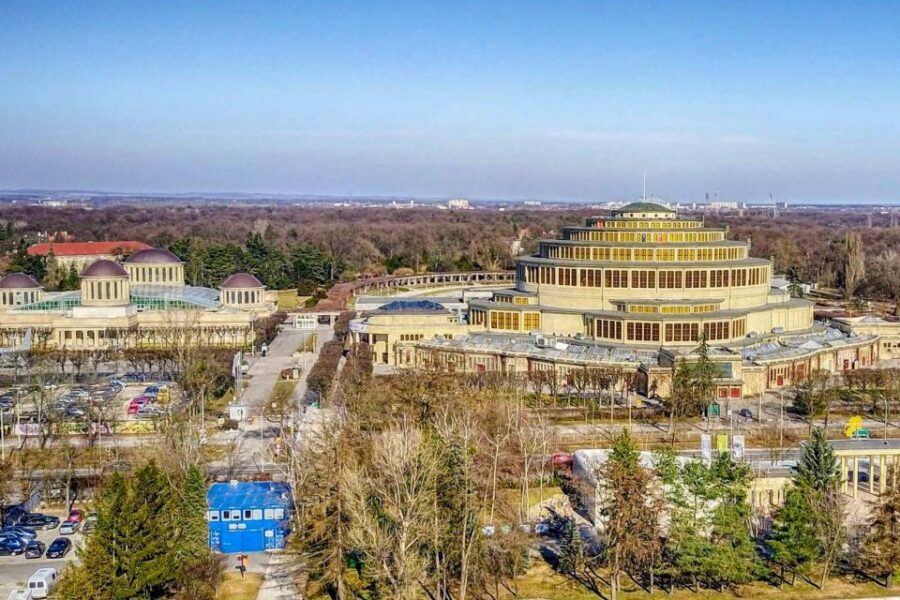
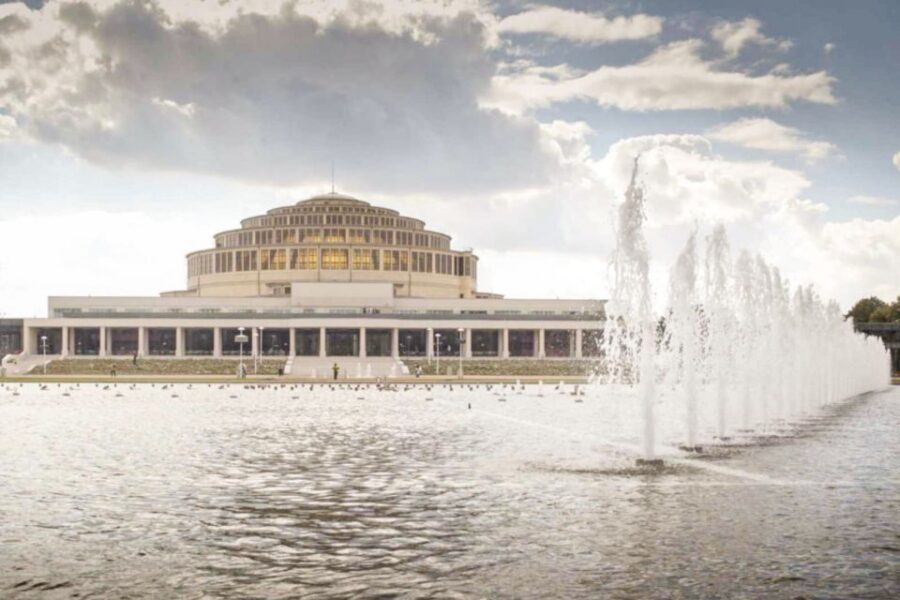
The pergola area is where the tour turns lively. You’ll admire the multimedia water features and spend time around the park-side structures that make this complex feel theatrical.
During summer, the water features and the Japanese Garden are a big part of the experience. Even if you’re traveling outside peak season, the pergola itself is worth seeing because it gives you the building-park connection in a single sweep: architecture outside, tech/lighting/water effects if running, and pathways that invite you to linger.
A practical tip: if you care about the Japanese Garden specifically, ask your guide what’s operating that day. The tour includes a Japanese Garden visit, but closure can happen, and seasonal timing matters.
Japanese Garden visit: when it’s open, it’s a standout
The tour includes a guided time at the Japanese Garden (about 30 minutes). When it’s open, this is a calmer counterpoint to the dome’s monumentality. You’ll get a sense of why the park design isn’t just functional—it’s meant to shift your mood.
When it’s closed, the tour can still deliver the main hall story, but you’ll lose one of the most pleasant “slow down” sections. This is where being flexible helps. Plan for the garden visit, but don’t assume it’s guaranteed on every schedule day.
Wrocław Fountain: guided pause, possible concert-style timing
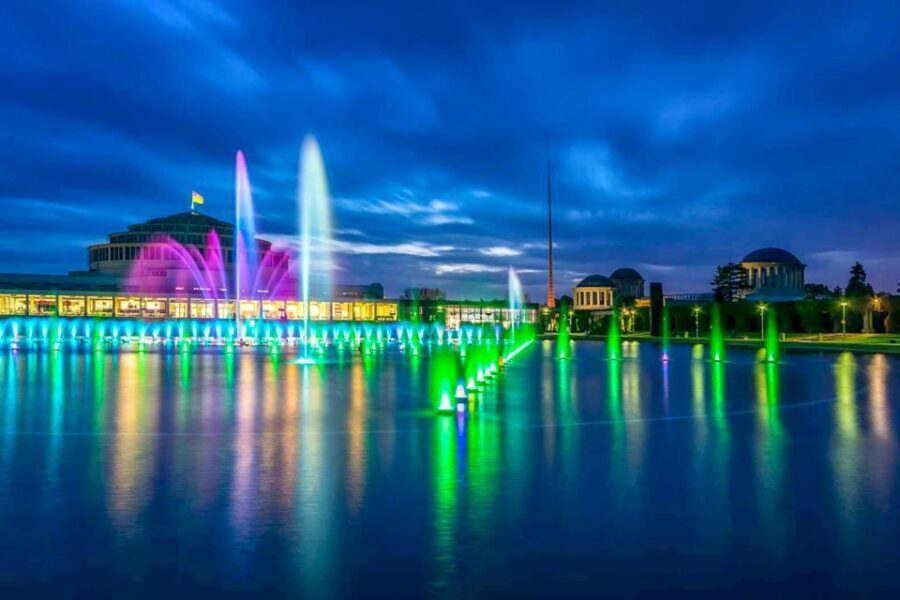
You’ll also stop for the Wrocław Fountain area, with guided sightseeing and a note about concert timing. In practice, that means you should be ready for a program or scheduled performance depending on what’s running during your visit window.
Even if the show isn’t the main event, fountains are visual teaching tools. They help you understand the park’s intention: entertainment built into the environment, not just “look and leave.”
If you hate waiting in crowds, treat this as a short viewing moment rather than a plan to sit through a long show. This is still a 2-hour tour.
Break time at Restauracja Pergola: eat with a view of the place
At Restauracja Pergola, you’ll get a break time (about 15 minutes) with options like beer, coffee, and dessert. This is a smart stop because it places your rest where the scenery is doing most of the work.
You’re not stuck traveling to a separate restaurant. You’re already in the complex, which is where the timing and pacing make sense. If the weather is cold, this stop can also help you avoid the “all sightseeing, no recovery” trap.
Keep it simple: grab something warm, then return to the route with a clear head for the final hall time.
The final guided look inside Centennial Hall
The tour finishes with a guided, sightseeing-focused time at the Centennial Hall area (about 45 minutes). This is when the pieces click: the dome as the centerpiece, the pavilions as supporting structures, and the park entertainment zones as the “living” part of the UNESCO setting.
If the interior has limited access, you’ll likely shift your emphasis toward whatever areas are open and toward the multimedia museum component. Either way, your guide’s job is to keep the experience from feeling chopped up.
Optional boat trip and smart add-ons after the tour
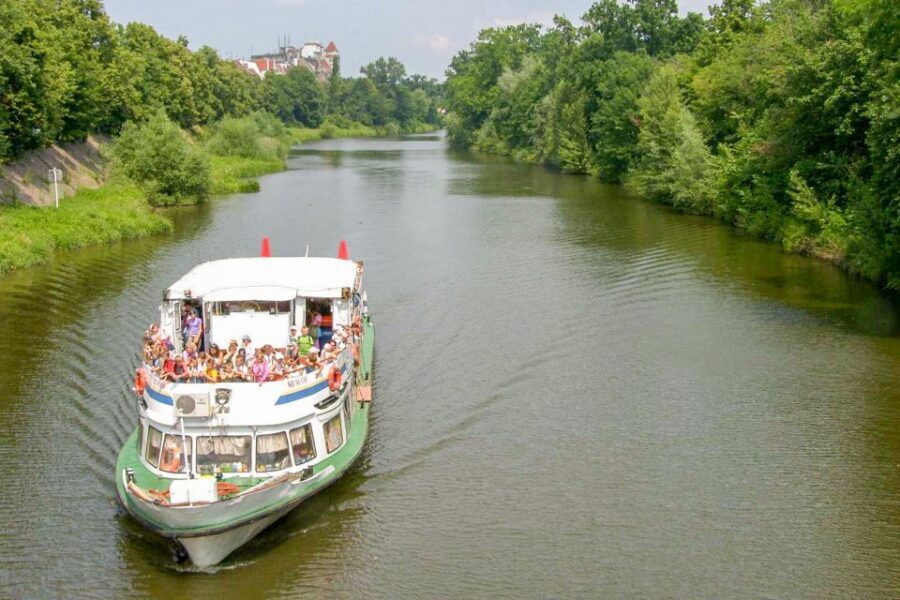
There’s an option, on request, for a boat trip to the center. This is the kind of add-on that works well if you want a different angle on Wrocław’s waterways without turning your day into a logistics puzzle.
After the tour, you can go on your own to the pier and return by ship to the old town, or you can head to the zoo area with Afrikanarium. Both are nearby ways to keep momentum after the architecture-heavy first part of your day.
Price and logistics: is $40 worth it?
At $40 per person, you’re paying for the private, professional licensed guide for a 2-hour route. The museum and Japanese Garden are not included: budget 8 EUR each for those entries.
So the real cost depends on what you choose to see inside. If you take both the museum and the Japanese Garden, you’ll be stacking paid admissions on top of the guide fee. If you skip one, the guide still matters because it turns the route into a guided narrative, not a random stroll.
This is best value if you:
- want someone to point out what you’re looking at,
- like structured sightseeing over “figure it out” wandering,
- travel with people who don’t want to split up to buy tickets and decode the site alone.
Should you book this Wrocław Centennial Hall tour?
If your top goal is to understand the Centennial Hall complex in a short visit, I’d book it. The private guide format keeps things efficient, and the tour gives you the dome, the park features, and key surrounding pavilions rather than only one postcard view.
I’d also book it if you’re curious about how the place works as an event space, not just a static monument. The pergola water-feature experience and the museum layer are the two parts most people remember.
Just be smart about timing and expectations. Ask about what’s open that day, especially for the Japanese Garden and any interior access limitations due to events. If you can align your day with open hours, this tour becomes a very satisfying 2-hour snapshot of Wrocław’s most famous architectural stage.
FAQ
FAQ
How long is the Centennial Hall and Surroundings private tour?
The tour runs for about 2 hours.
Where do we meet the guide?
You meet at the big main entrance to the Centennial Hall.
Is the Centennial Hall museum entrance included?
No. Entry to the multimedia exhibition at the Centennial Hall is not included and costs 8 EUR per person.
Do I need a separate ticket for the Japanese Garden?
Yes. The Japanese Garden entrance is not included and costs 8 EUR per person.
What is included in the tour besides the guide?
You’ll visit the Centennial Hall area, the Cognitive Center area (as part of the route), the pergola, the Japanese Garden, and other surrounding sights like the Four Domes Pavilion and Wrocław Fountain.
Can the tour include a boat trip?
A boat trip to the center can be arranged on request.
What languages does the guide speak?
The live tour guide speaks Polish and German.
What if the Centennial Hall interior is closed that day?
The Centennial Hall may be closed inside for events or concerts, but the museum of the Centennial Hall (the multimedia exhibition) will be open.