REVIEW · WARSAW
Warsaw: Wolf’s Lair & Swieta Lipka Small-Group Tour + Lunch
Book on GetYourGuide →Operated by AB Poland Travel · Bookable on GetYourGuide
Hitler’s headquarters sits in the woods. This full-day small-group trip takes you to the Wolf’s Lair and the preserved shelters at Mamerki, then finishes with Święta Lipka and a traditional pierogi lunch.
I like that the Wolf’s Lair visit is guided and focused on how the headquarters actually worked, not just dates on a sign. I also like that the tour pairs the complex Wolf’s Lair story with the best-preserved Nazi shelters at Mamerki, where major Wehrmacht decisions were made. One catch: this is a long day out of Warsaw, so build in patience for the ride.
In This Review
- Key things I’d circle before you book
- Entering the Wolf’s Lair: what you’re really walking through
- Mamerki shelters and the weight of decisions made underground
- Święta Lipka: a calmer guided break after WWII sites
- Lunch that actually keeps the day moving: pierogi and comfort
- Small-group comfort and the long drive out of Warsaw
- Price and value: what $370 buys you in a packed day
- Should you book the Wolf’s Lair and Święta Lipka day trip?
- FAQ
- How long is the tour?
- What’s included in the price?
- Where do they pick you up in Warsaw?
- How big is the small group?
- What languages are available?
- Is lunch included, and what do you eat?
- Is the tour wheelchair accessible?
- Is there a minimum number of reservations?
- What’s the cancellation policy?
Key things I’d circle before you book
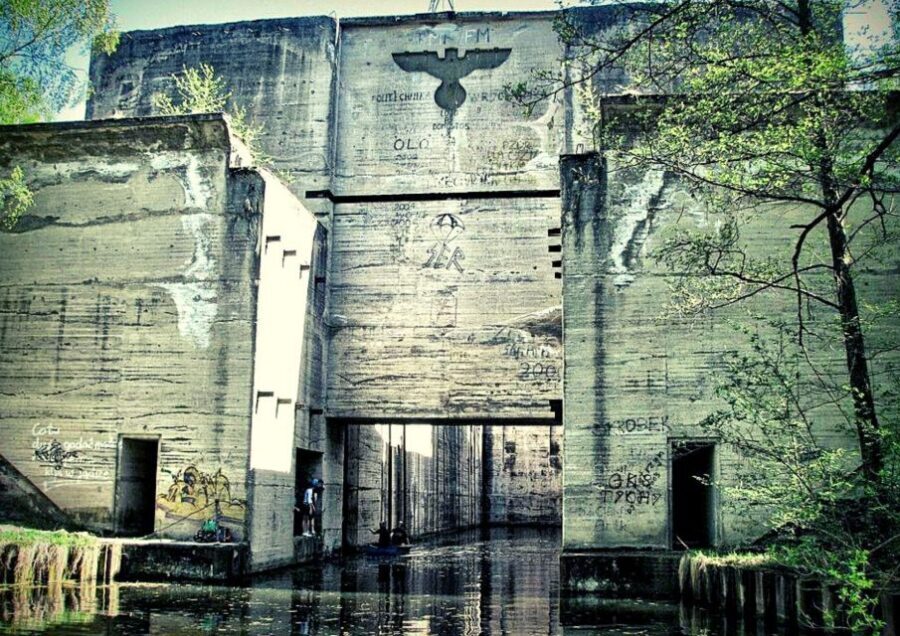
- Small group (max 8), which usually means more time for questions and fewer rushed moments.
- Wolf’s Lair guided time (about 1.5 hours) with an English-speaking guide focused on day-to-day life and key decisions.
- Mamerki shelters tied to real wartime orders, including the decision connected to the Warsaw Uprising.
- One-hour traditional lunch (pierogi are the typical included option) to keep the day from feeling like nonstop sightseeing.
- Skip the ticket line plus hotel pickup from Warsaw city center, which saves time when schedules matter.
Entering the Wolf’s Lair: what you’re really walking through
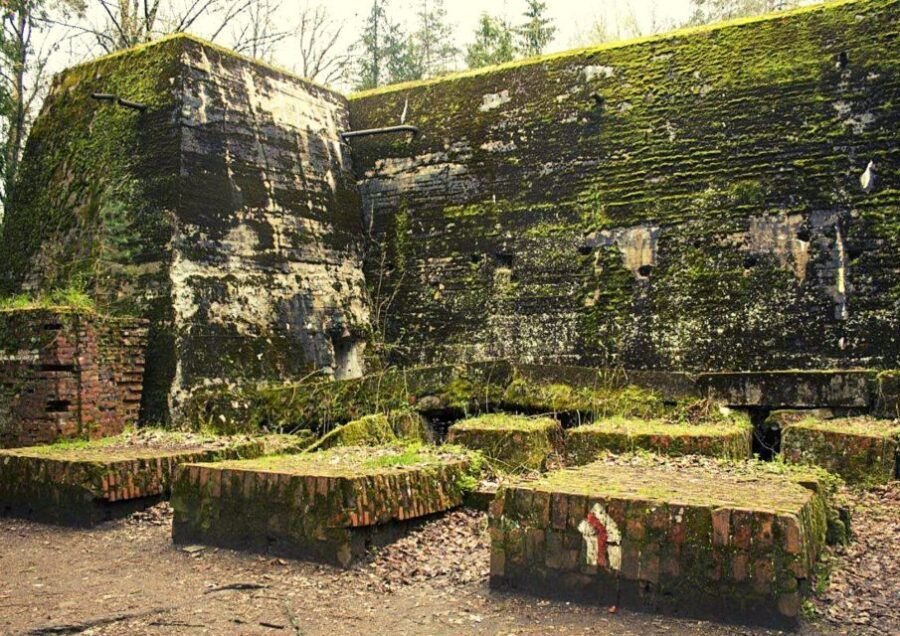
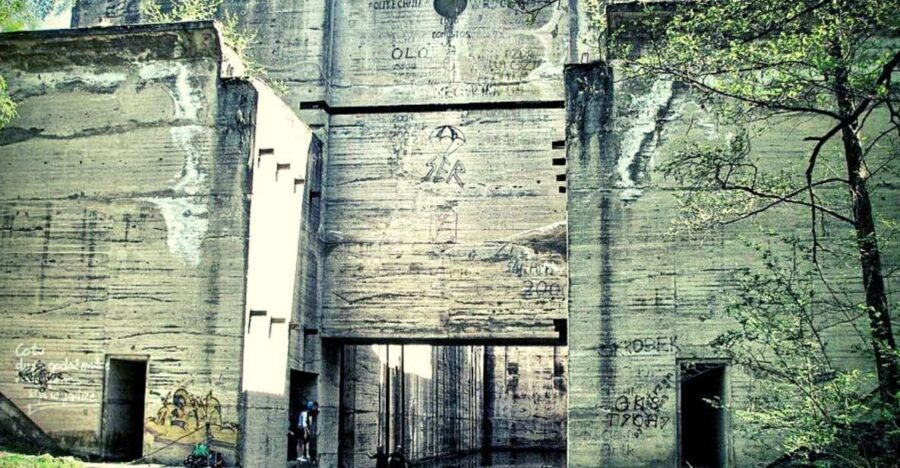
The Wolf’s Lair is not a single building. It’s a massive headquarters complex—barracks, shelters, and bunkers—built with its own power and water supplies. Hitler lived here from June 1940 to November 1944, and that time span matters. You’re not touring a memorial in the abstract; you’re touring a place that was engineered to run a war machine.
What I find especially important is that the guided portion isn’t just architecture and trivia. Your English-speaking guide at the Wolf’s Lair shares how daily operations worked, and talks through crucial decisions made there—including the creation of concentration camps. Even if you know the broad story, having it explained in the specific setting of the headquarters makes the facts feel sharper and harder to shrug off.
The scale is the second big reason this stop sticks. The complex included about 250 buildings, with around 30 shelters built for 40 of Hitler’s top generals and field marshals, plus roughly 1500 officers and Wehrmacht soldiers. When you hear those numbers and then see the layout, it’s easier to understand how a bureaucracy of violence could be organized behind thick walls.
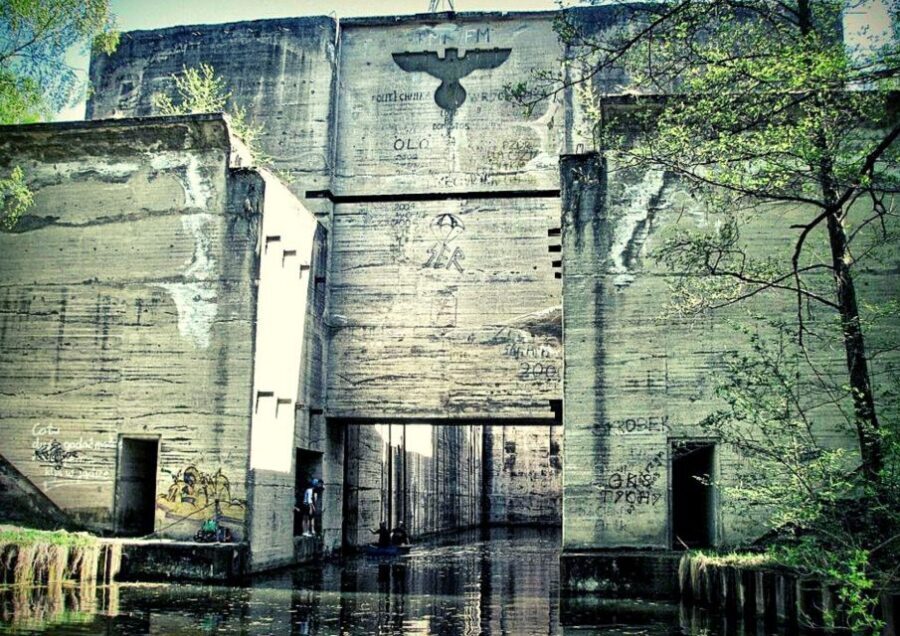
A practical note: the complex wasn’t perfectly preserved. Retreating German troops blew up the site near the end of the war, but some bunkers occupied by German dignitaries are still in good condition today. So the experience has a “what’s left” feel—half intact and half broken—rather than a fully restored theme park. That makes the tour more real, and it can also feel emotionally heavy.
This isn’t the kind of outing where you’ll want to multitask with your phone. Give yourself a calm pace, listen closely, and let the guide’s framing do its job.
A few more Warsaw tours and experiences worth a look


Mamerki shelters and the weight of decisions made underground
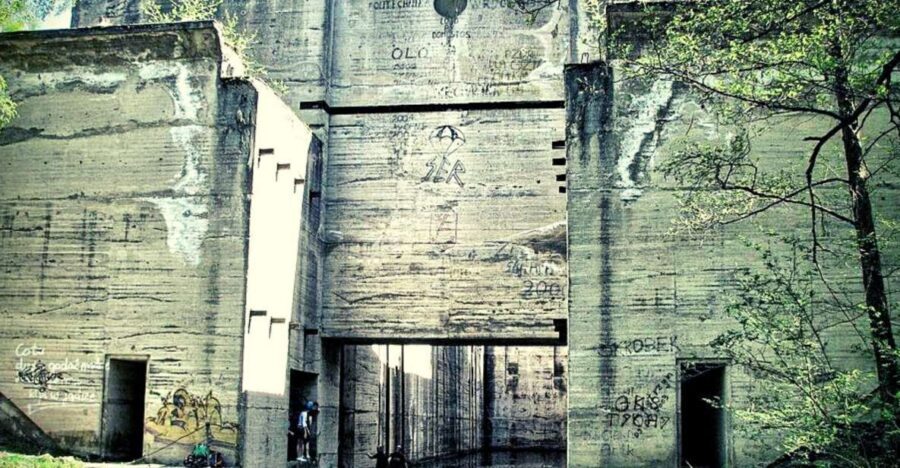
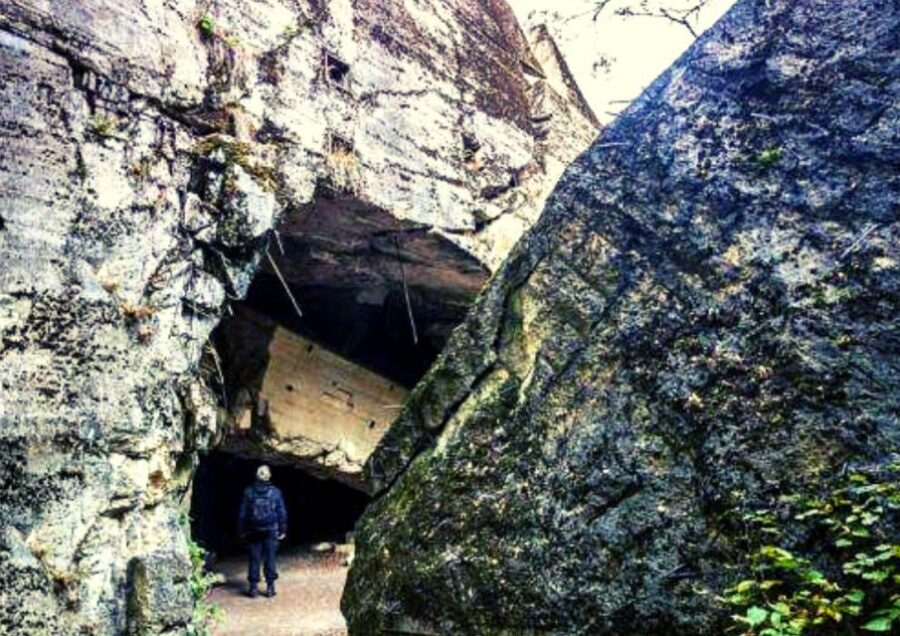
After Wolf’s Lair, you head to the Nazi shelters at Mamerki. These are among the best preserved in Poland, and that preservation changes how you experience them. You’re not just hearing about wartime strategy; you’re seeing underground spaces designed to protect high-ranking decision-makers.
The key point here is what the shelters were used for. Many important decisions for the Wehrmacht army were made at Mamerki, including the order connected to stifling the Warsaw Uprising. That detail makes the stop feel immediately tied to Poland, not just Germany’s chain of command.
In a tour like this, I value when the guide connects the physical space to the human consequences. Mamerki helps with that. Shelters are built for control: control of movement, control of information, control of who could reach whom and when. Standing in a place made for secrecy and protection makes it easier to grasp how quickly military decisions could translate into suffering for civilians.
Also, the tour’s structure matters. By the time you get to Mamerki, you’ve already heard about the broader headquarters at Wolf’s Lair. That makes this second site less like an extra stop and more like a “same story, different room” perspective—another piece of how the Nazi war effort functioned behind layers of concrete and camouflage.
If you’re the type who likes to understand cause and effect, you’ll appreciate how Mamerki reinforces the theme: decisions made away from the front lines still shaped what happened on the ground.
Święta Lipka: a calmer guided break after WWII sites
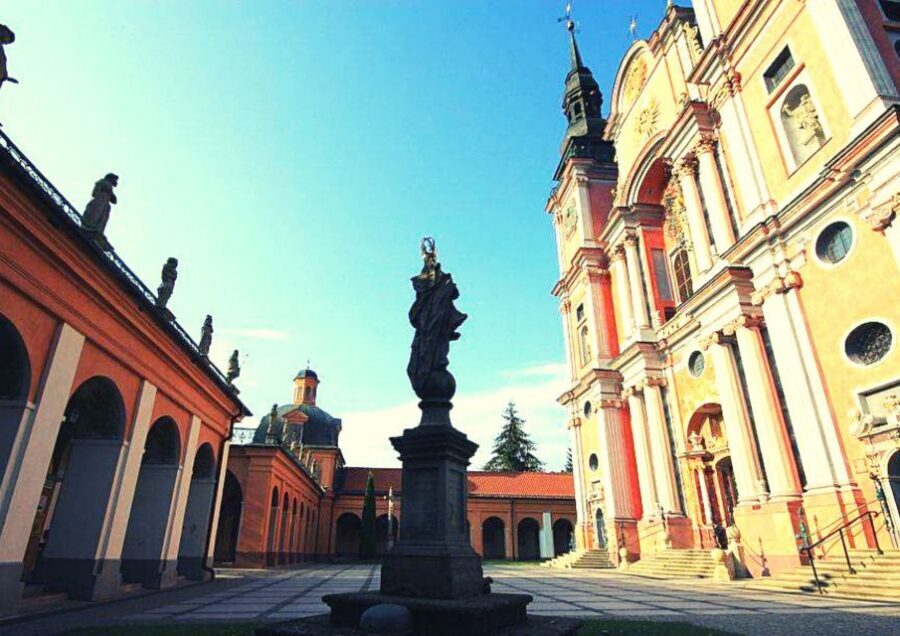
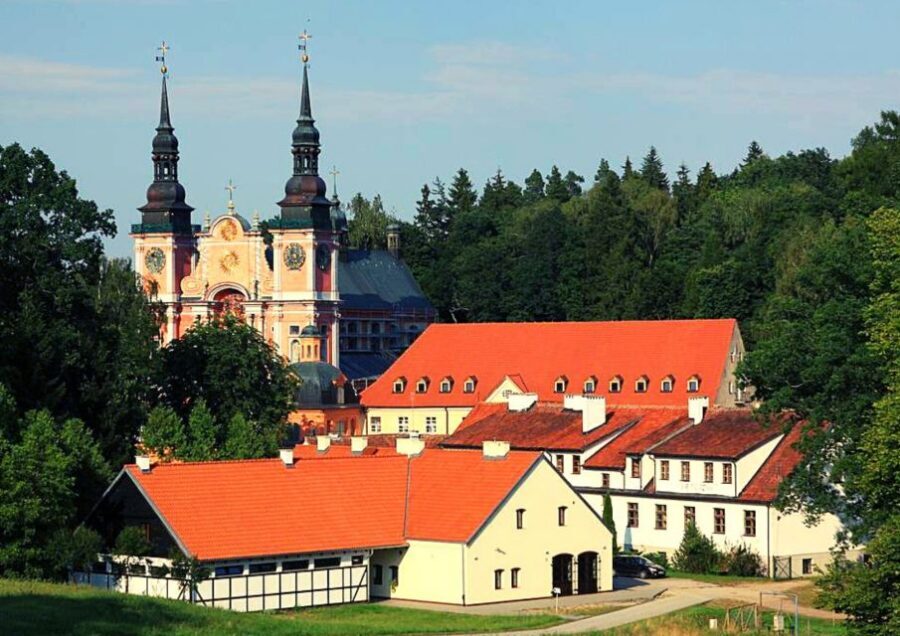
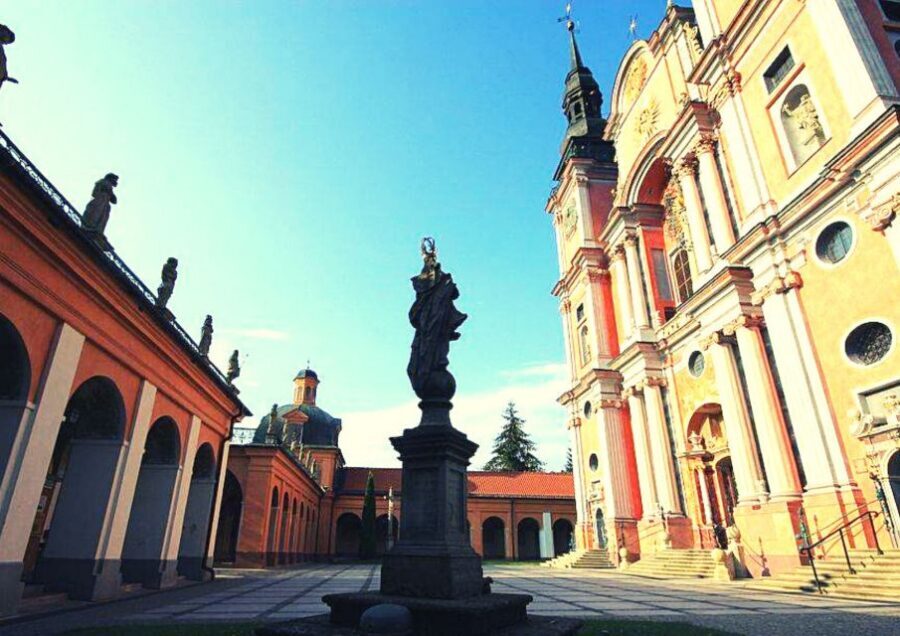
Then comes the change of pace: Święta Lipka with a guided tour lasting about 2 hours. Even without getting lost in details that aren’t part of your included information, you can treat this stop as a reset. You’ve been in WWII headquarters spaces; now you’re switching to a different kind of landmark with a local guide’s direction and context.
What I like about ending with a guided cultural stop is pacing. Your day doesn’t end the way it began—heavy, underground, and administrative. Instead, you get a chance to shift your attention back to Poland’s living identity through a separate guided experience.
Two hours is long enough to feel like you actually see something, not just pass through for photos. And since the tour is small-group (max 8 participants), you’re less likely to get swept along without time to pause.
This isn’t a “party stop.” It’s the kind of place that works best when you’re willing to slow down and listen—especially after absorbing difficult material earlier in the day.
Lunch that actually keeps the day moving: pierogi and comfort
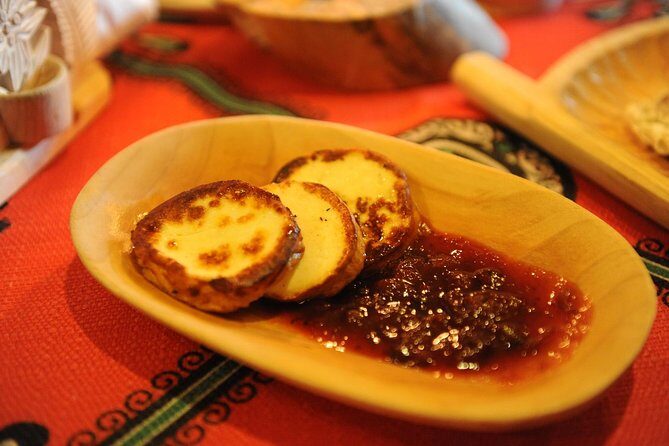
Between the historical stops, you get about 1 hour for lunch at a local restaurant. The included meal is quick and traditional, with pierogi as the typical option.
The pierogi description matters, because it’s specific: classic Polish dumplings stuffed with a creamy mixture of mashed potatoes, tangy farmer’s cheese, and fried onions (the exact recipe can vary). That’s the kind of filling, familiar food that makes sense after a long drive and a tour day that asks a lot of your attention.
If you’re planning your day around comfort, the biggest advantage of lunch being included is timing. You don’t have to hunt for food while everyone else is moving on. You also avoid the common trap of “we’ll eat somewhere later,” which often turns into late, rushed meals and bad choices.
Keep your appetite in mind. This is a one-day route with two guided segments plus a lunch break, so I’d treat lunch as part of the schedule, not an optional detour.
Small-group comfort and the long drive out of Warsaw
Transportation is included by car or minibus, and you’ll be picked up from your hotel in Warsaw city center. The tour includes an English-speaking driver, plus an English-speaking guide at the Wolf’s Lair.
The small group (limited to 8 participants) is a big deal on a route like this. When you’re spending a day outside the city, it’s easier to manage questions, pace, and timing with fewer people. Nicole from Australia, for example, gave a perfect score and specifically called out that the driver was very good and the guide was brilliant and so knowledgeable. Stephen also scored highly, but flagged that he didn’t realize how far it was from Warsaw—so if you’re booking on the assumption you’ll be “close enough for a quick hit,” plan for the travel time.
I’d also think about day structure. You’ll spend time in two guided experiences, then get lunch, then return to Warsaw. That means you should treat the day like a full commitment, not a flexible half-day.
One more practical point: pickup outside Warsaw city center may require extra payment. If you’re staying a bit beyond the center, check early so there are no surprises about how the pickup works for your exact location.





Price and value: what $370 buys you in a packed day
At $370 per person for 1 day, you’re paying for more than entry fees. You’re buying a guided experience that combines:
- hotel pickup in Warsaw city center
- round-trip transportation by car/minibus
- guided time at Wolf’s Lair (about 1.5 hours)
- guided time at Święta Lipka (about 2 hours)
- entrance fees
- a traditional Polish lunch (pierogi typically)
- skip-the-ticket-line handling
- English-speaking support, including a guide at Wolf’s Lair
- small-group limits (max 8)
When I look at value, I usually ask: does the day reduce your friction? Here, it does. The big friction points on tours like this are navigation, timing, language, and ticket logistics. This option handles those pieces and keeps the day on rails, so you spend your energy on the sites themselves.
Is it a budget-friendly day trip? No. But the structure makes the price feel less like “paying for a bus” and more like “paying for interpretation, access, and pacing.” If WWII history is one of your travel priorities, paying for clear guidance at Wolf’s Lair and then a guided cultural stop in Święta Lipka can be worth it—especially when you factor in that the location is far from Warsaw.
Should you book the Wolf’s Lair and Święta Lipka day trip?
Book it if:
- you want a guided Wolf’s Lair experience that covers both the everyday workings and the decisions made there
- you’re interested in the Mamerki shelters and what was decided in those spaces
- you like small-group tours and a schedule that doesn’t leave you guessing
- you’re okay with a long day out of Warsaw
Skip it if:
- you’re looking for something light and casual—this route includes WWII headquarters topics tied to concentration camps and the Warsaw Uprising order
- you don’t have the time or energy for a full day, since it’s farther than many people expect
FAQ
How long is the tour?
It’s a 1-day experience. You’ll spend about 1.5 hours on the Wolf’s Lair guided visit, about 1 hour for lunch, and about 2 hours on the Święta Lipka guided tour.
What’s included in the price?
The tour includes transportation by car or minibus, hotel pickup from Warsaw city center, an English-speaking driver, an English-speaking guide at the Wolf’s Lair, entrance fees, skip-the-ticket-line entry, and a quick traditional lunch (typically pierogi).
Where do they pick you up in Warsaw?
Pickup is included from your hotel in Warsaw city center. Pickup outside the city center may require an extra payment.
How big is the small group?
The group is limited to 8 participants.
What languages are available?
The live tour guide is available in English and German, with an English-speaking guide at the Wolf’s Lair.
Is lunch included, and what do you eat?
Yes. Lunch is included and is a quick traditional meal, typically pierogi stuffed with mashed potatoes, farmer’s cheese, and fried onions (the exact recipe may vary).
Is the tour wheelchair accessible?
Yes, the tour is wheelchair accessible.
Is there a minimum number of reservations?
Yes. This tour requires a minimum of two reservations for the same date.
What’s the cancellation policy?
You can cancel up to 24 hours in advance for a full refund.
If you tell me your travel dates and where you’re staying in Warsaw, I can help you sanity-check whether this full-day pace makes sense for you.