REVIEW · WARSAW
Warsaw Daily Jewish Ghetto Guided Tour with Jewish Cemetery
Book on GetYourGuide →Operated by Rosotravel Poland · Bookable on GetYourGuide
Warsaw tells hard truths on foot. This 3-hour walk through the former Warsaw Jewish Ghetto and into the Jewish Cemetery makes WWII history feel close, not abstract. You follow the geography where people were trapped, then you shift to a place of memory where names, prayers, and stories carry weight.
I especially like the small group size (up to 15)—it keeps questions from getting lost and helps you stay focused when the subject turns heavy. I also like that you get a licensed, English-speaking guide who connects the Nazi ghetto system to what happened next, including the 1943 Warsaw Ghetto Uprising.
One possible drawback: the Jewish Cemetery is closed on Saturdays, so you’ll visit All Saints Church instead. It’s a smart replacement, but if cemetery time is your top priority, plan your day carefully.
In This Review
- Key highlights you’ll feel fast
- Moranów on foot: what the ghetto layout teaches you
- The ghetto walls and old houses: where space becomes a story
- Nozyk Synagogue: the surviving prewar landmark
- WWII context from the guide: Nazi plans and the 1943 uprising
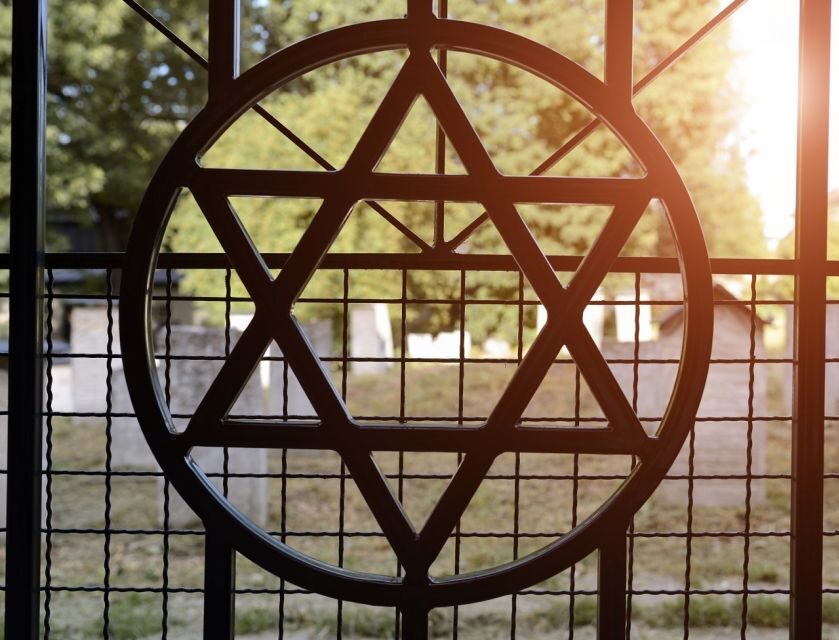
- Jewish Cemetery stop: meaning beyond the entrance ticket
- If you’re going on a Saturday
- Price and logistics: is $131 worth it for 3 hours?
- Timing, pacing, and what to do before you go
- Who this Warsaw ghetto and cemetery tour is best for
- Should you book this tour?
- FAQ
- How long is the Warsaw Daily Jewish Ghetto Guided Tour with Jewish Cemetery?
- Where do we meet the guide?
- Is the tour offered in English?
- How large is the group?
- Does the price include Jewish Cemetery entrance?
- Is there skip-the-ticket-line access?
- What happens if the Jewish Cemetery is closed?
- Is free cancellation available?
Key highlights you’ll feel fast
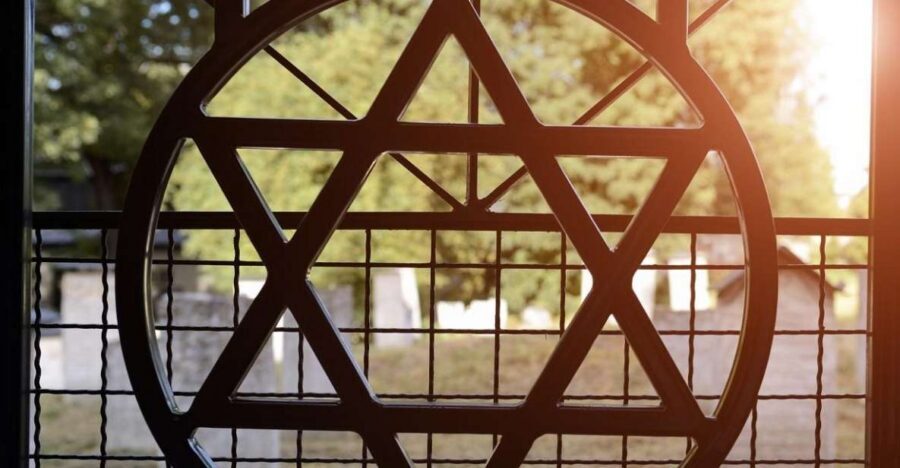
- Moranów district streets and scale: a confined area of four square kilometers where about 400,000 Jews were forced to live
- Concrete history, not just plaques: ghetto walls and old houses that help you picture daily life under confinement
- Nozyk Synagogue as a living landmark: you’ll see the only surviving prewar synagogue in Warsaw
- WWII context tied to real events: creation of the ghetto, the Nazi Final Solution plan, and the 1943 uprising
- Jewish Cemetery stop with meaningful access: entrance tickets are included, so you can focus on the site rather than logistics
- Small-group pacing: up to 15 people, which usually means more conversation and fewer rushed moments
Moranów on foot: what the ghetto layout teaches you
The best part of this tour is how it uses the city itself as a history lesson. You’re not standing in a museum room looking at panels. You’re walking through the Moranów district, the area tied to the largest Jewish ghetto in Europe during WWII.
Your guide frames what you see with numbers and cause-and-effect. Over four square kilometers, around 400,000 Jews from Warsaw were forced to live inside the ghetto boundaries. That kind of density isn’t just a statistic—it changes everything about how people could survive. When you later hear how about 100,000 people died inside the ghetto from exhaustion, hunger, and disease, those words land harder because you’ve just walked through the shape of the place.
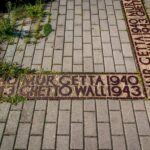
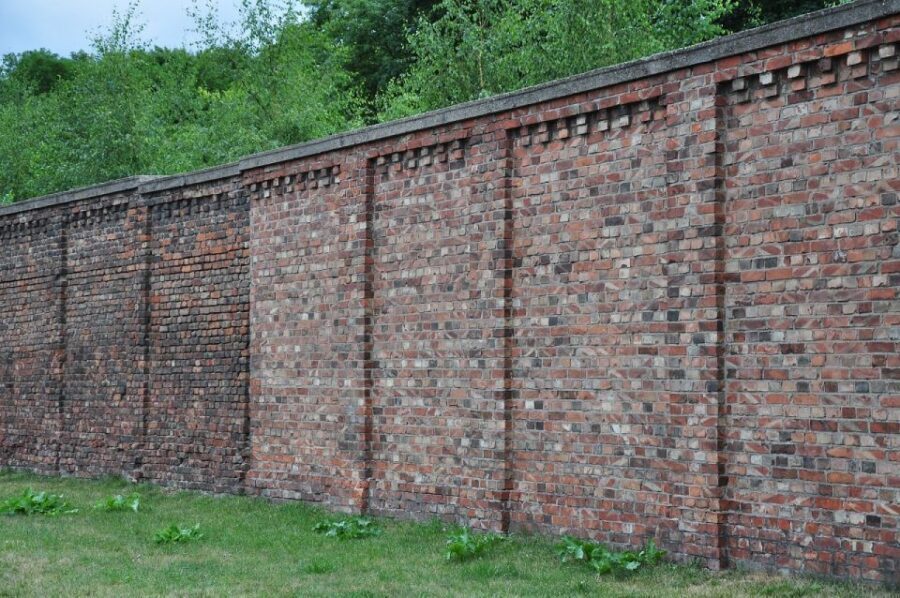
I also appreciate the way the tour doesn’t rush past the physical remnants. You’ll see remains of the ghetto walls and old houses connected to daily life before and during the worst years. Even if you’re not a “history buff,” your brain starts doing its job: it measures space, it imagines crowding, and it understands how control was maintained.
A small practical note: because you’re outside and walking in an emotionally intense setting, the group size matters. Up to 15 people keeps the pace humane, and it also helps your guide respond to questions without needing to bulldoze the schedule.
You can also read our reviews of more guided tours in Warsaw



The ghetto walls and old houses: where space becomes a story
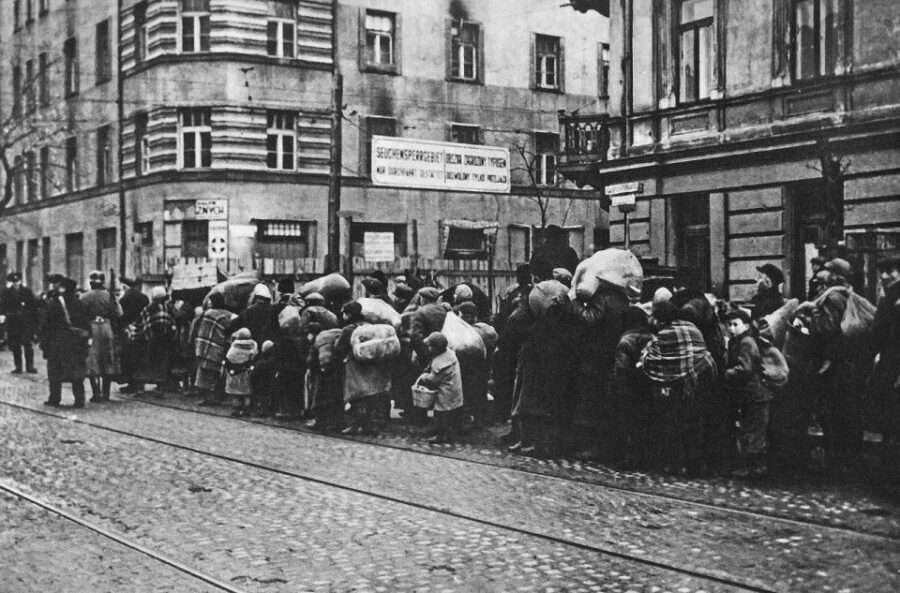
The tour’s walking route is built around remnants—what survived, what didn’t, and what can still be read from the street layout.
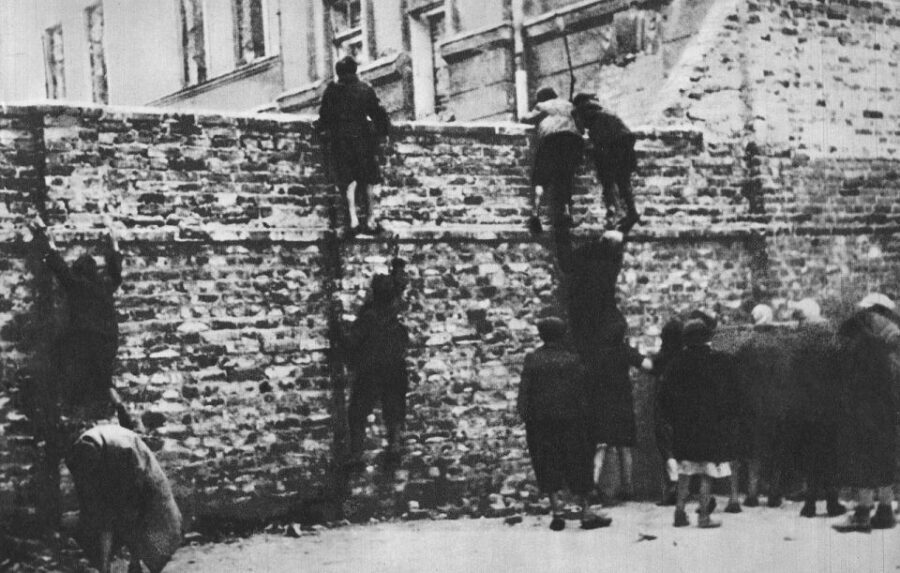
When you spot what’s left of the ghetto walls, you’re looking at a border designed to trap. It’s easy to think of a “ghetto” as an idea, or a label. On this tour, it’s a boundary you can practically understand. You’ll also encounter old houses tied to the era, which matters because the Warsaw ghetto wasn’t only a prison. It was also housing—often overcrowded, often inadequate, and constantly under pressure.
That’s why I think this stop works better than a purely documentary approach. The city forms the context. Instead of only learning about repression in general terms, you see why the scale was so brutal: the ghetto was confined, the living conditions were constrained, and then the destruction followed.
The guide also connects what happened next to nearby killing sites. You’ll hear how over 300,000 people were killed at Treblinka extermination camp. That number doesn’t mean much alone. But once you’ve spent time understanding the ghetto’s function as a staging point, the story becomes painfully coherent.
Nozyk Synagogue: the surviving prewar landmark
One of the most memorable moments on this tour is the stop at the Nozyk Synagogue. It’s not an extra. It’s a turning point.
You’ll learn that it’s the only surviving prewar synagogue in Warsaw. That detail changes the emotional tone. In the ghetto setting, you’re mostly surrounded by evidence of destruction and control. With the synagogue, you’re reminded that Jewish life here had roots before WWII—community, worship, architecture, and continuity.
Your guide uses the synagogue to help you keep the bigger picture in mind: the Nazis didn’t just attack people. They attacked a culture and a way of life that existed long before the ghetto walls went up. Seeing the building as a real survivor makes that idea more believable.
And it gives your brain a moment to shift. You go from “this place was used to destroy people” to “this place shows what they had before.” That contrast is uncomfortable, but it’s important.
WWII context from the guide: Nazi plans and the 1943 uprising
This tour doesn’t treat WWII as a blur of tragedy. Your guide brings structure: how persecution escalated in German-occupied Poland, how the ghetto was created, and how the Nazi Final Solution plan fit into the wider machinery of the Holocaust.
What I like here is the cause-and-effect storytelling. You’ll walk away with a clearer sense of how the ghetto system moved from confinement to mass murder. The guide explains persecution steps, then ties those steps to what happened in and around Warsaw—including the broader truth that many people were sent onward and murdered.
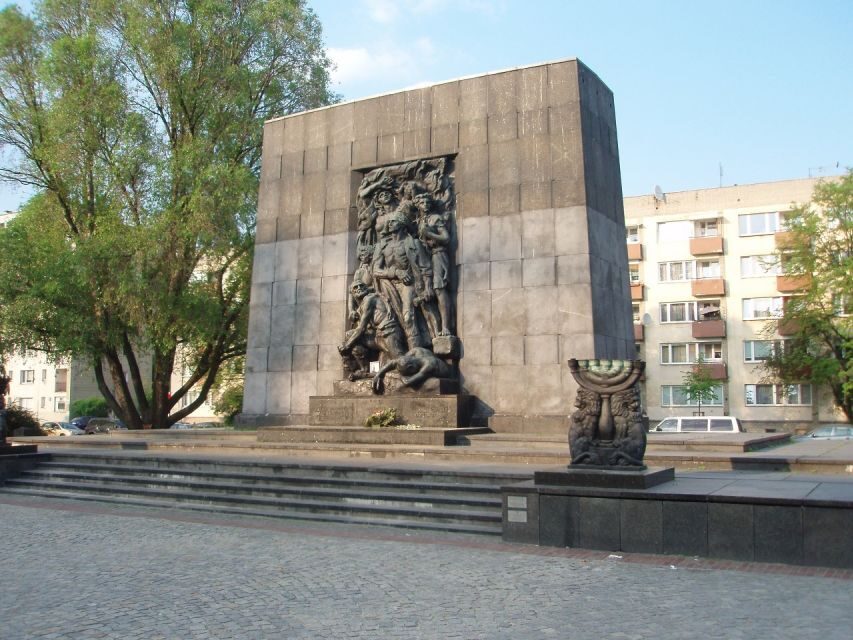
You’ll also hear about the heroes of the Warsaw Ghetto Uprising of 1943. That section matters because it keeps the story from being only one-way victimhood. Resistance under impossible conditions is part of what people should know, even when it’s heartbreaking to hear. A good guide keeps that balance: telling the truth about terror while also highlighting courage and agency.
On tours like this, your guide can make or break the experience. The fact that you’ll have a licensed guide fluent in English—and that past guides such as Anna and Ewa have been praised for being both personable and deeply informative—signals what you’re paying for: you’re not buying a walk. You’re buying interpretation.
Jewish Cemetery stop: meaning beyond the entrance ticket
The last stop is the Jewish Cemetery, and this is where the tour turns from history into remembrance.
The cemetery visit is designed to be more than a glance at graves. Your guide will explain how to read the site through stories tied to Polish-Jewish spiritual leaders, political activists, and respected creators of Jewish culture. You’ll also hear about thousands of nameless victims from the ghetto. That mix—famous and unknown—helps you understand that the Holocaust wasn’t only about “history figures.” It was about real lives that ended, often without recognition.
You’ll also get included admission, so you don’t lose time trying to sort out tickets. That’s a quality-of-life detail, and it matters on a tour that already carries emotional weight. It keeps you focused on what you came for.





If you’re going on a Saturday
Important: the cemetery is closed on Saturdays. On those days, you’ll visit All Saints Church instead. Your guide will connect it to Jewish history and point out the architecture, so you still get meaningful context rather than a dead end.
This substitute is a practical solution, but it’s still not the same experience as the cemetery. If you’re traveling specifically for the cemetery, choose your day carefully.
Price and logistics: is $131 worth it for 3 hours?
At $131 per person for a 3-hour tour, the value depends on what you want from Warsaw.
If you just want a quick hit of WWII history, you could do it cheaper on your own with guidebooks. But this tour isn’t “information delivery.” It’s guided interpretation in the exact places where the events played out: ghetto walls, old houses, the Nozyk Synagogue, and the cemetery (or the Saturday church alternative).
You also get:
- a licensed, English-speaking guide
- a small group capped at 15 people
- entrance tickets to the Jewish Cemetery
- a setup that helps you avoid long waits with skip-the-ticket-line access
For me, the best value signal is the group size. When up to 15 people are walking and listening, the guide can adjust pace and answer questions without breaking flow. That makes the tour feel more personal and less like a conveyor belt—especially important when the subject is heavy.
Timing, pacing, and what to do before you go
This is a tour you’ll want to approach thoughtfully, not casually.
First, know the meeting point: stand in front of the InterContinental Hotel at Emilii Plater 49, 00-125 Warsaw. Don’t go inside the hotel. It’s just the pickup landmark.
Plan to arrive on time. Being late can mean you can’t join the tour, and on a route with scheduled stops, the group can’t wait around.
Also, check your email the day before the tour. You’ll receive important information that can affect how the day runs.
The route is a walking tour, and it’s only 3 hours, which is surprisingly short for how much ground and context the guide covers. Bring comfortable shoes. And if you get tired quickly, keep in mind that the emotional intensity can be more draining than you expect. This tour is wheelchair accessible, but everyone should consider how long they can stand and walk.
Finally, if you’re the type who likes to prepare, do one small thing: review basic terms like ghetto, uprising, and extermination camp so the guide’s timeline lands cleanly. You don’t need a deep textbook. You just want enough to follow the story without snagging on definitions.
Who this Warsaw ghetto and cemetery tour is best for
This tour fits best if you want:
- a guided walk that connects WWII events to specific places
- a small-group format rather than a large crowd experience
- a structured explanation of the ghetto system and the 1943 uprising
- a cemetery visit that treats remembrance as part of the story—not an afterthought
It’s also a good option if you like architecture and landmarks. The Nozyk Synagogue stop gives you a real-world anchor beyond the ghetto narrative.
If you’re looking for light sightseeing or purely educational “read-and-move-on” stops, this probably isn’t your style. This is a place where history hurts, and the tour treats it that way.
Should you book this tour?
I’d book it if you want an organized, small-group way to understand the Warsaw Ghetto and leave with clear context for what happened next. The combo of Moranów ghetto remnants, Nozyk Synagogue, and the Jewish Cemetery (or the Saturday All Saints Church alternative) is exactly what you’d want if you care about seeing history in the right order and with real explanation.
Skip it only if Saturday cemetery access is non-negotiable for you, or if you know you won’t handle emotionally heavy sites well. Otherwise, this is strong value for what you get: a licensed English guide, included cemetery entry, and a route that turns streets into understanding.
FAQ
How long is the Warsaw Daily Jewish Ghetto Guided Tour with Jewish Cemetery?
The tour lasts 3 hours.
Where do we meet the guide?
Meet the guide in front of the InterContinental Hotel, Emilii Plater 49, 00-125 Warsaw. Please do not enter the hotel.
Is the tour offered in English?
Yes. The live tour guide language is English.
How large is the group?
It’s a small group tour with up to 15 participants.
Does the price include Jewish Cemetery entrance?
Yes. Entrance tickets to the Jewish Cemetery are included.
Is there skip-the-ticket-line access?
Yes. The tour includes skip-the-ticket-line.
What happens if the Jewish Cemetery is closed?
The Jewish Cemetery is closed on Saturdays, so the tour visits All Saints Church instead.
Is free cancellation available?
Yes. You can cancel up to 24 hours in advance for a full refund.