REVIEW · WROCLAW
The secrets of World War II
Book on Viator →Operated by Day Tours · Bookable on Viator
WWII in Poland hits harder when you see it in the exact places. This day trip strings together three sites that most casual itineraries skip. I like how the route focuses on the connection between camp, underground works, and the looming castle quarters, and I also like that you get admission tickets included at every stop. One thing to consider: the day is long and lunch is not included, so you’ll want to plan for a full 9 hours with breaks that mostly happen inside each site.
You start early in Wrocław with hotel pickup and round-trip transport by air-conditioned minibus, which makes the schedule feel doable even when your brain is bracing for heavy history. The group stays small (a maximum of 9, with a wider cap of 15), so questions and pacing don’t get swallowed by a crowd. Bring moderate physical fitness too, because you’ll spend time moving through sites that aren’t designed for a slow shuffle.
The strongest part is how the day teaches you to read the region. Gross-Rosen tells you about forced labor and survival under Nazi rule, then Ksiaz Castle and the Osówka underground complex show how the same machinery of power extended into plans, construction, and secrecy near the end of the war.
In This Review
- Key highlights at a glance
- How the Lower Silesia WWII story is actually linked
- Gross-Rosen Museum in Rogoźnica: Annihilation Through Work
- Practical tip for this stop
- Ksiaz Castle in Wałbrzych: Tod’s 1943 quarters on a rock cliff
- Osówka Underground Town: Riese Project structures still full of unanswered questions
- Physical note that actually matters
- Hotel pickup and the small-group advantage from Wrocław
- Language: English tour promise, plus on-site audio support
- Managing a 7:00 am start and a nearly 9-hour day
- What to pack in real terms
- Price and value: what your $239.10 actually covers
- Who this tour suits best
- Should you book the Secrets of World War II day trip from Wrocław?
- FAQ
- What is the duration of the Secrets of World War II tour?
- What WWII sites are included in the tour?
- Is hotel pickup included?
- Are admission tickets included?
- Is lunch included in the price?
- How big is the group?
Key highlights at a glance
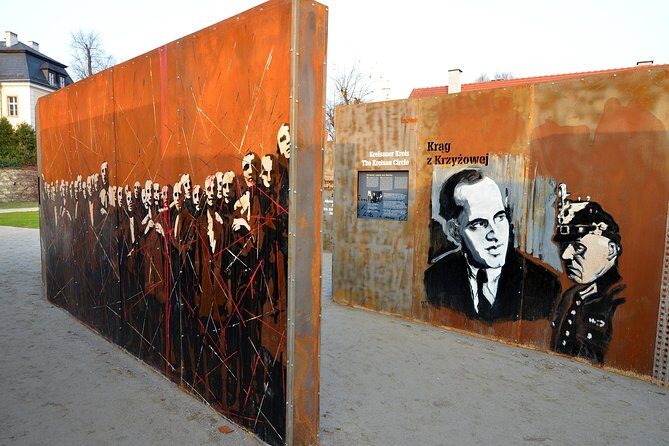
- Three WWII sites that connect, not repeat
- Gross-Rosen Museum in Rogoźnica with entry included
- Riese-era stops: Ksiaz Castle and Osówka underground works
- Hotel pickup in Wrocław and round-trip transport
- Small-group feel with a cap of 9 (and up to 15 total)
- Plan for a long day and bring snacks since lunch isn’t included
How the Lower Silesia WWII story is actually linked
This tour works because it doesn’t treat World War II like a list of unrelated attractions. You’re looking at a chain: concentration camp punishment and forced labor, Nazi “projects” tied to the Riese complex, and then the high ground of Ksiaz Castle, where 1943-era plans connected to those underground works.
That kind of structure matters because it turns “I saw a camp” into “I understand how space was used.” The Nazis didn’t just occupy places. They reorganized work, geography, and infrastructure to serve their war aims, including building in secrecy in the final stretch of the conflict.
You can also read our reviews of more tours and experiences in Wroclaw.
Gross-Rosen Museum in Rogoźnica: Annihilation Through Work
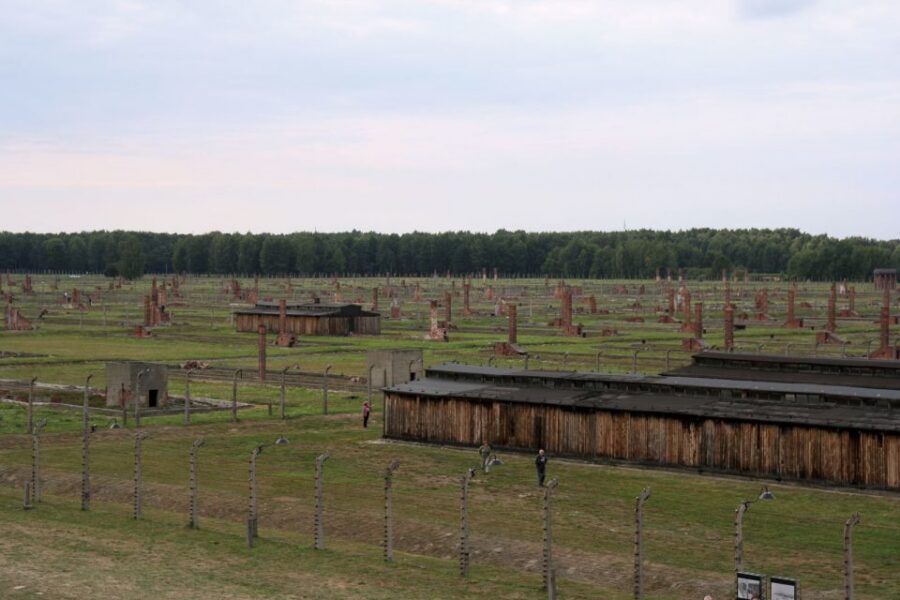
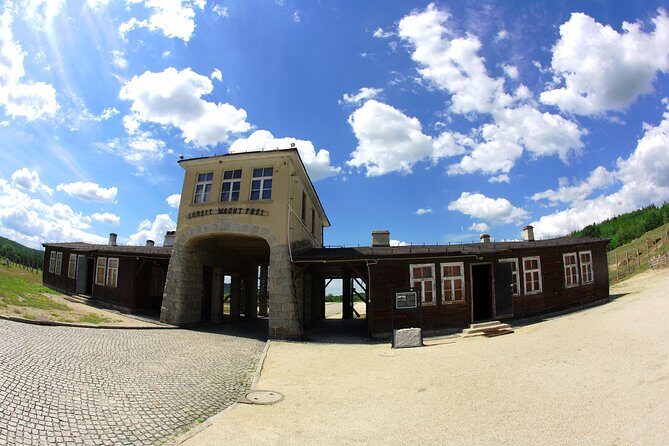
Gross-Rosen in Rogoźnica is one of the largest Nazi-German concentration camps in Lower Silesia, and this stop is the emotional center of the whole day. You’ll spend about 2 hours there with admission included, which is long enough to read, absorb, and walk at your own pace rather than sprinting past exhibits.
The camp’s specific story is chillingly blunt. Prisoners were subjected to penal work in quarries under brutal conditions. The place’s motto, Vernichtung durch Arbeit (Annihilation through Work), isn’t just a slogan on a wall. It explains the logic of the system: work as a method of death.
You also get a clear picture of who was targeted. Around 40,000 prisoners died here, including Poles, Jews, Russians, French, and Hungarians. That range helps you see the camp as part of a wider network of Nazi persecution, not only a regional tragedy.
Practical tip for this stop
Arrive mentally ready for a heavy setting. Even if you keep moving, you’ll likely want extra time at the key sections that mention forced labor and deaths, because the details tend to stick in your head long after the visit.
Ksiaz Castle in Wałbrzych: Tod’s 1943 quarters on a rock cliff
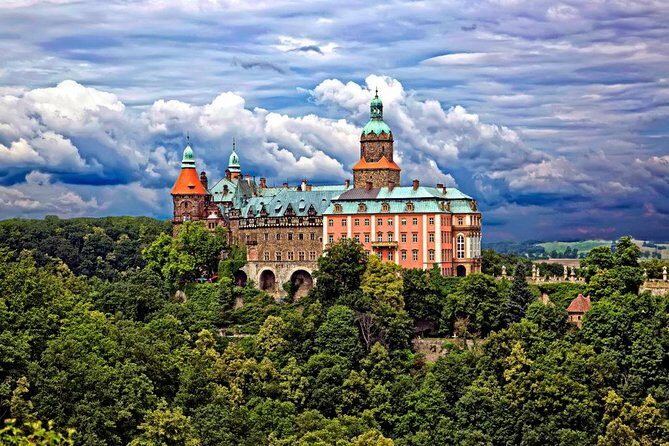
After Gross-Rosen, Ksiaz Castle offers a totally different kind of WWII lens: architecture and power. You’ll head to the castle in Wałbrzych, perched on a majestic rock cliff above the Pelcznica River. It sits about 395 meters above sea level, with a forest around it that makes the location feel dramatic in any season.
The castle is often called the Pearl of Lower Silesia, and it earns that nickname by how unusual the setting is for a Polish castle. It’s not just big; it’s also a rare “cliff-and-forest” visual that gives you a sense of why Nazi planners would want command spaces with control and seclusion built in.
From a WWII standpoint, the castle matters because in 1943 Hitler’s paramilitary organization Tod began building one of its main quarters here. Along with other objects in the Riese complex near Osówka and Włodarz, Ksiaz ties into the broader plan people associate with Riese: projects pushed forward in the war’s late stage, shrouded in secrecy, and connected to major undertakings underground.
You’ll get about 1 hour 30 minutes here with admission included. For many people, this becomes a reflective “pause” between the camp and the underground areas—still tied to the war, but less about immediate suffering and more about the structures of planning and control.
Osówka Underground Town: Riese Project structures still full of unanswered questions
Osówka is where the day shifts from what happened to what was being built. The Osówka complex is part of the Nazi Germany project with the codename Riese, carried out between 1943 and 1945. You’ll spend around 1 hour here with entry included.
The headline concept is simple: the underground city and associated structures were meant to support major operations, including what’s described as Hitler’s biggest and most complex headquarters in Lower Silesia. What makes it “secret-like,” even now, is that the structure hasn’t revealed every detail, and the sites still feel like they contain stories you can’t fully close in an hour.
The underground setting also changes your body experience. It’s typically cooler and darker than the outside world, and you move through spaces that make you think about labor and machinery, not just rooms and walls. One person likened it to an Indiana Jones-style experience, but with real historical weight behind it.
Physical note that actually matters
You should have moderate physical fitness for this stop. Even if you’re not doing any hardcore hiking, underground sites can mean uneven ground, stairs, and time spent standing and looking.
Hotel pickup and the small-group advantage from Wrocław
The logistics are set up to reduce the “how do I get there” stress that often derails day trips like this. Pickup is offered from your hotel in Wrocław, and you’re taken by air-conditioned minibus with a drop-off back where you started.
This is a long day by design, so the comfort and timing matter. You’re meeting at 7:00 am, and you’ll be moving between sites without needing to solve train connections or hire separate rides. It also helps you spend your energy on the content instead of the route.
Group size is another quiet quality upgrade. The tour is described as small-group, with a maximum of 9 people, while the overall activity cap is 15. In practice, that usually means you’re not shouting over other people every time you want clarification.
People also praised the human side of the day: guides and drivers who keep everything running. Names you may run into include Jakub, Paweł, Tomek, and Jacob, and in several cases the driving got special credit for handling long stretches and tricky roads responsibly.
Language: English tour promise, plus on-site audio support
The tour is offered in English, and the format includes a sightseeing guide and a pilot/assistant. You’ll also have an English-speaking driver, which helps when you’re trying to ask practical questions about timing or what to look for.
That said, there can still be friction at specific venues. One experience described guides speaking only Polish while visitors followed along using an audio guide. So if you’re counting on live English at every single corner inside each site, keep expectations flexible.
What you can do: listen closely during guided parts, use the audio where provided, and ask your guide to frame the story at the start of each stop. That way, even if the on-site commentary shifts, you won’t feel lost.
Managing a 7:00 am start and a nearly 9-hour day
This tour is listed at about 9 hours. That’s not short, but it’s also not rushed in a way that feels disrespectful to the sites, especially because Gross-Rosen gets the longest block.
Still, you’ll want to plan for fatigue. Between early pickup, travel time, and the nature of what you’ll be seeing, the day can feel like a mental workout. One practical suggestion that came up clearly: bring snacks. Since lunch isn’t included, a small food plan helps you avoid feeling hungry at the least helpful time.
What to pack in real terms
- Comfortable shoes for museum floors and uneven areas at sites
- A snack for the “between stops” gap since lunch is not covered
- A light layer, because underground spaces can feel cool
Also remember: the experience notes good weather is required. If conditions are poor, dates may shift or a refund may be offered.
Price and value: what your $239.10 actually covers
At $239.10 per person, you’re paying for more than transportation. The value is strongest in the “no surprises” part of the deal.
Included in the price are:
- Hotel pickup and round-trip transport by air-conditioned minibus
- Assistance of a pilot and an English-speaking driver
- A sightseeing component in your chosen language
- Admission tickets included for all three stops
- Drop-off back to your hotel/hostel
- No additional charges
Lunch is the main excluded item, which is common for day tours, but it does mean you should budget extra for food and any drinks. In exchange, you’re not layering on separate museum ticket costs or negotiating transport between remote places in Lower Silesia.
For someone coming from Wrocław who wants WWII content with less friction, this is the kind of day trip where the structure is part of the product. You’re buying time management, guided framing, and bundled access.
Who this tour suits best
This works especially well if you:
- Want WWII context tied to Lower Silesia, not generic Europe-wide facts
- Appreciate guided interpretation that helps connect different sites
- Prefer a small group over a bus full of strangers
- Plan to visit Wrocław for more than a quick weekend and want a serious day out
It may be less ideal if you’re expecting constant hands-on guidance inside every room. One critical note described that many parts felt self-guided once inside the venues. So if you require a nonstop live explanation at all times, you might find the format a little lighter than expected.
Should you book the Secrets of World War II day trip from Wrocław?
If you want one day that teaches you how Nazi power operated across space—camp labor, late-war planning, and underground construction—this is a strong choice. The pairing of Gross-Rosen, Ksiaz Castle, and Osówka gives you a coherent storyline, and the included tickets plus pickup make it easy to say yes without doing logistics math at 6:30 am.
Book it if you can handle an intense museum day and you pack snacks for the long stretch. Consider it less if you need a fully guided, room-by-room commentary throughout every stop.
FAQ
What is the duration of the Secrets of World War II tour?
The tour runs for approximately 9 hours.
What WWII sites are included in the tour?
You visit Gross-Rosen Museum in Rogoźnica, Ksiaz Castle in Wałbrzych, and the Underground Town Osówka (Osówka complex).
Is hotel pickup included?
Yes. Pickup is offered from your hotel in Wrocław, along with round-trip transport by air-conditioned minibus and drop-off back to your hotel/hostel.
Are admission tickets included?
Yes. Admission tickets are included for all three stops.
Is lunch included in the price?
No. Lunch is not included.
How big is the group?
The tour is a small-group experience with a maximum of 9 people, with a stated maximum of 15 travelers.