REVIEW · KRAKOW
Super Saver: Auschwitz Birkenau & Wieliczka Salt Mine – Guide with Hotel Pickup
Book on Viator →Operated by GR8WAY · Bookable on Viator
Two icons of Poland, one brutal timetable. I like the Krakow hotel pickup and the fact that both stops come with guided tours and admission tickets, so you’re not trying to sort entry times at dawn. One thing to plan for: this is an extremely early start, and timing can shift because Auschwitz controls access.
In return, you do get comfortable transport in an air-conditioned vehicle, a smallish group size (up to 30), and a day that’s built to minimize parking and wandering. Still, it’s not a slow “see what you like” schedule: the pace is set for you, and you’ll be walking a lot—especially around Birkenau and later in the salt mine.
In This Review
- Key things to know before you go
- One long day that starts before breakfast: how the schedule really works
- Auschwitz-Birkenau: guided time, fixed pace, and the reality of scale
- Birkenau and the outdoor portion: bring layers and expect emotion
- Wieliczka Salt Mine: 800 steps, underground temps, and guided storytelling
- Transportation and hotel pickup: what you gain, what can go wrong
- Group size and guide quality: what makes the day feel smooth
- Packing checklist you’ll be glad you followed
- Value check: why this tour can be worth the extra cost
- Should you book the Auschwitz-Birkenau and Wieliczka Salt Mine combo?
- FAQ
- What is the duration of this Auschwitz and salt mine day trip?
- Are admission tickets included for both Auschwitz-Birkenau and the Wieliczka Salt Mine?
- Do I get picked up from my hotel in Krakow?
- What time is pickup?
- Is the tour guided in English?
- Is food or drink included?
- What ID and bag size rules should I follow?
Key things to know before you go
- Pickup is not always 7:00 am: your day can start as early as 2:00 am, and your final pickup time is confirmed at least 12 hours before.
- Auschwitz rules can change the schedule: museum access issues can adjust visiting time, which ripples through the whole day.
- You’re doing two major sites back-to-back: Auschwitz-Birkenau is heavy and large; Wieliczka adds a second guided session.
- Cold mornings + long waits are part of the reality: some days run smoothly, but ticketing lines can add stress.
- Salt mine walking includes steep effort: there are 800 steps on the way, starting with 380 right at the beginning.
- Bring the right documents and a small bag: you need ID, and luggage is limited to 30x20x10 cm at Auschwitz.
One long day that starts before breakfast: how the schedule really works
This tour is designed to knock out two top Krakow-area must-sees in a single day. Expect roughly 11 to 12 hours from start to finish, with the big catch being the start time.
You’ll typically be picked up from central Krakow somewhere between 2:00 am and 8:00 am, depending on museum availability to start the Auschwitz visit. Even if you choose a more “reasonable” timeslot when booking, nothing here is fully guaranteed because Auschwitz can adjust access. The operator says they’ll message your final pickup time at least 12 hours in advance, so you can plan your night and set alarms with some control.
Why this matters: Auschwitz-Birkenau and Wieliczka are both high-demand. In real life, early entry reduces your time trapped in lines. But it also means you’re trading sleep for efficiency—and for the emotional weight of the day, you’ll want to be as alert as possible.
You can also read our reviews of more guided tours in Krakow

Auschwitz-Birkenau: guided time, fixed pace, and the reality of scale
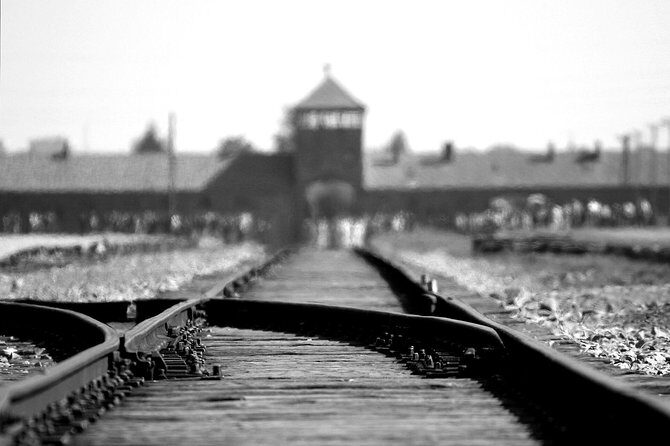
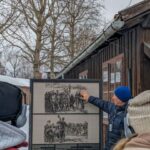
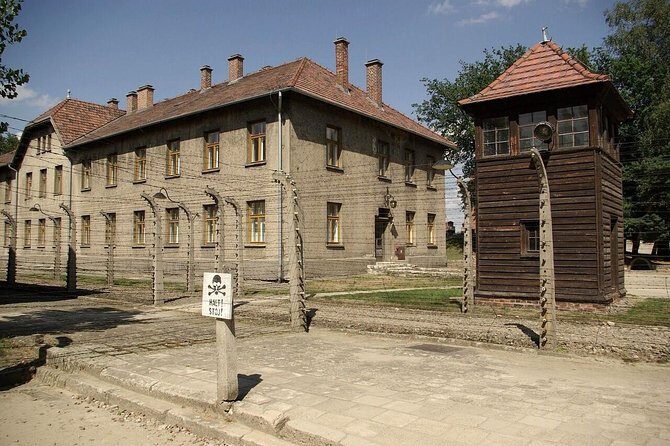
Your first stop is the Panstwowe Muzeum Auschwitz-Birkenau with a full guided tour (about 4 hours) and admission included.
A few practical points that help you get more out of this part:
- You won’t be free to wander at your own pace. This is a timed, group-focused experience because the site gets crowded and the schedule has to move.
- Plan for lots of walking and consider that you may spend a meaningful portion of the day outdoors—then you’ll be moving between zones that feel different in temperature and light.
- The guided portion is the key value. On busy days, your guide’s navigation helps you keep your bearings instead of getting stuck “just standing around” while groups compress and redirect.
Also, know this up front: the reviews and the tour notes both point to a common pattern—ticketing or access can force earlier arrivals and longer waiting windows. In some cases, people reported needing to queue for ticket procedures even when the tour includes admission. That’s not the same as “not worth it,” but it does change the feel of the morning. If you’re the type who hates uncertainty, you’ll want a calmer mindset: treat the morning as a logistics buffer, not part of your sightseeing.
Names you might hear from guides and drivers in excellent experiences include Daniel, Adrian, Simon, and Alex. The best versions of the day are the ones where the driver is calm, the guide gives clear direction, and the group stays together.
Birkenau and the outdoor portion: bring layers and expect emotion
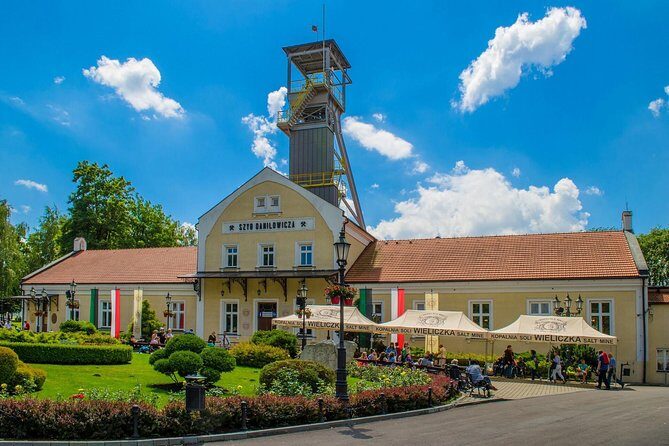
After you enter the Auschwitz-Birkenau complex, Birkenau is the zone where the scale hits hardest—and it’s also where you’ll spend more time outside. The tour information is clear that you can spend up to 70% of the time outdoors during this trip.
That doesn’t mean you need extreme gear. It means you should pack like it’s early morning in Poland:
- dress in layers,
- expect cold wind around open areas,
- keep a warm layer accessible even if you start the day in a vehicle.
And emotionally, this is not a normal “tour” energy. Even when guides are excellent at pacing and explaining, you still face a powerful, somber place. The guides can help you understand what you’re seeing, but they can’t make it light.
Wieliczka Salt Mine: 800 steps, underground temps, and guided storytelling
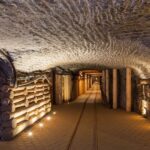
Next comes Wieliczka Salt Mine with a full guided tour (about 3 hours) and admission included.
This is a completely different kind of visit: you’re trading uniforms and barracks for underground chambers, sculpture, and guided explanation. But it still requires real physical effort.
Here’s what you should not ignore:
- The route includes 800 steps, including 380 right at the start.
- Inside temperatures are around 14 to 16 degrees Celsius, so you’ll feel cooler underground than you might expect.
- Comfortable shoes matter. You’re walking on surfaces that can feel uneven, and you’ll want stable footing.
The operator also notes this tour is not recommended if you struggle with claustrophobia or if you have walking disabilities. If either of those applies to you, it’s worth choosing a different day trip or planning a less stair-heavy itinerary.
On the bright side, the mine is one of those places where the tour format pays off. A good guide can help you understand why the mine is famous and what you’re seeing as you move from chamber to chamber. Many visitors emphasize that it’s one of the most memorable underground sites in the region, and the guided approach helps you connect the dots instead of just looking at walls.
Transportation and hotel pickup: what you gain, what can go wrong
The promise here is simple: pickup and drop-off from your accommodation in central Krakow, using an air-conditioned car (sometimes a larger vehicle like a Mercedes Sprinter).
In practice, old-town traffic rules can affect pickup access. The tour notes explain that some hotels are in traffic-restricted areas, so the vehicle may not enter. When that happens, you’ll be taken to the closest possible pickup point, and you might need a short walk.
That’s one reason your accommodation address matters. The tour instructions say you should provide your hotel address; otherwise you’ll wait at Straszewskiego 14 Street. If you’ve ever stood in Krakow at night trying to find a meeting point, you know how fast that turns a simple plan into a stressful one. The best-case scenario is direct hotel pickup; the worst-case scenario is waiting in the dark while your phone battery dies.
The other thing to watch is timing changes. Multiple experiences highlight that pickup times may change, sometimes dramatically. That isn’t always within the operator’s control because Auschwitz access can shift and museum operations may force new timing. Still, it means you should:
- keep your phone available,
- respond quickly if you receive any messages,
- and treat that early-morning pickup as a “be ready early” situation, not a “count on the exact minute” situation.
Drivers named in strong experiences include Pawel, Kamil, Daniel, and Alex. People describe them as helpful and organized—especially when schedules changed and the driver had to keep you moving without missing timed entry.


Group size and guide quality: what makes the day feel smooth
This is not a tiny private tour. The tour notes set a maximum of 30 travelers. That’s big enough that your guide has to manage the group tightly, but small enough that you generally aren’t swallowed by a sea of people.
The strongest versions of this day tend to include:
- clear direction early in the morning,
- guides who explain without rushing the key moments,
- drivers who keep communication going when plans change.
Some reviews mention that English delivery was excellent with guides like Simon, and others mention a guide who kept things moving on time. There are also reports of guides who didn’t engage much with the group—so your experience can depend on who you get.
One detail worth knowing: at Auschwitz, the guided presentation itself may be handled by museum-employed guides. Either way, the point is the same: your best learning and emotional understanding comes from following the guide’s flow instead of trying to pace yourself.
Packing checklist you’ll be glad you followed
Small practical items can make a huge difference on a day that starts at 2:00–8:00 am and ends after dark.
1) ID is required
The tour instructions state that every visitor must bring ID, and the operator must have full names for all participants. If you forget ID, security can refuse entry.
2) Bag size is strict at Auschwitz
Auschwitz has a luggage size limit of 30x20x10 cm (about A4 size). If your bag is bigger, you can leave it in a locked bus parked next to the museum while you’re inside. The driver is described as looking after luggage during your visit.
3) Dress for cold and for walking
- outdoors: remember the “70% outdoors” note,
- indoors underground: mine temps 14–16°C.
4) Bring water and snacks only if you personally need them
Food or drink is not included. That doesn’t mean you can’t buy something at the sites, but you should assume you may not have an ideal moment for a sit-down meal between sections.
If you’re someone who gets shaky when you skip breakfast, plan for it. A super-early start means you might be tired before the day even starts.
Value check: why this tour can be worth the extra cost
This isn’t a cheap day trip, but it sells something specific: convenience plus guided access. You’re paying for the full package:
- pickup and drop-off from Krakow,
- transport in an air-conditioned vehicle,
- professional English guiding at both stops,
- and admission tickets included.
When it works well, the value is real. You skip the hassle of coordinating separate tickets, finding transportation at dawn, and dealing with timed entry uncertainty on your own.
When it doesn’t work perfectly, the value feels less great because you’re still stuck with the same on-site reality—crowds and queueing—while also having paid for logistics you expected to be smoother. Some accounts point out that ticketing lines and waiting can still happen. That’s not unique to this tour concept, but it’s a fair reason to go in with open eyes.
Should you book the Auschwitz-Birkenau and Wieliczka Salt Mine combo?
I’d book this if you:
- want one day that covers both Auschwitz-Birkenau and Wieliczka,
- prefer a guided structure over organizing your own transport and tickets,
- and you can handle a very early wake-up and a long, walking-heavy day.
I’d skip it (or at least reconsider) if you:
- have claustrophobia or mobility limits (the mine route includes 800 steps),
- hate early-morning uncertainty or you can’t stay flexible if pickup time changes,
- or you’re the type who needs slow pacing and frequent breaks.
If you do book, your best move is simple: show up mentally prepared for the early start and for the fact that Auschwitz access rules can ripple through your whole itinerary. When the logistics line up, you get exactly what you came for—two unforgettable sites in one well-run day.
FAQ
What is the duration of this Auschwitz and salt mine day trip?
It runs about 11 to 12 hours.
Are admission tickets included for both Auschwitz-Birkenau and the Wieliczka Salt Mine?
Yes. Admission tickets are included for both stops.
Do I get picked up from my hotel in Krakow?
Pickup and drop-off are included for accommodations in central Krakow, but some Old Town areas are traffic-restricted, so pickup may be from the closest possible point.
What time is pickup?
Your pickup can be anywhere between 2:00 am and 8:00 am, depending on museum availability. You’ll be informed of the final pickup time at least 12 hours before.
Is the tour guided in English?
Yes. The tour is offered in English and includes professional English guides at both museums.
Is food or drink included?
No. Food or drink is not included.
What ID and bag size rules should I follow?
You must bring ID for entry, and luggage at Auschwitz is limited to 30x20x10 cm. If your bag is larger, you can leave it in the locked bus near the museum.