REVIEW · OSKAR SCHINDLER S FACTORY
Krakow: Schindler’s Factory Guided Tour
Book on GetYourGuide →Operated by Krakowbooking · Bookable on GetYourGuide
Schindler’s factory hits hard, fast. You’re not just reading about World War II in Krakow—you’re walking through the original enamel factory setting where Oskar Schindler worked, then hearing personal occupation-era stories tied to everyday life.
I really liked the focus on the human side of history and the way the tour points you toward Schindler’s symbolic office, the Survivor’s Ark.
One possible drawback: if you’re expecting to see lots of how-the-factory-worked machinery or a hands-on industrial history, you may feel the experience is more about interpretation and documents than production.
In This Review
- Key things to notice before you go
- Inside the original 1937 enamel factory building
- Where you meet, what “skip-the-line” really means, and what to do first
- What the guided tour covers (and why it works)
- The tour’s core themes
- The Survivor’s Ark office stop
- Reconstitutions and personal stories: how the museum makes it feel real
- Price and value: is $46 worth 90 minutes to 2 hours?
- Language options (English and Spanish) and how that can affect your experience
- Rules inside the museum: plan for ID, no flash, and no big bags
- Group size and pacing: what you should expect during the tour
- Who this Krakow tour is best for
- Should you book Schindler’s Factory Guided Tour in Krakow?
- FAQ
- How long is the Krakow Schindler’s Factory guided tour?
- Where do I meet the guide?
- What is included in the ticket price?
- What languages is the tour available in?
- Do I need to bring ID to enter?
- Are pets allowed inside the museum?
- Can I take photos or video during the tour?
- Are large bags or luggage allowed?
- Is this tour refundable?
Key things to notice before you go
- It’s inside the original 1937 enamel factory building, not a generic museum space
- WWII in Krakow is explained through personal stories, not just dates and numbers
- You’ll hear about Oskar Schindler saving over 1,000 lives, including context around his work
- Expect a guided group experience that can feel fairly large at times
- Historical reconstructions are used to help places and events feel real
- Skip-the-line entry saves time so you start the experience sooner
Inside the original 1937 enamel factory building
Most war museums give you distance. This one is closer. Your tour is based at the Oskar Schindler’s Enamel Factory museum in Krakow, housed in the original enamel works known as Oskar Schindler’s Deutsche Emailwarenfabrik. The building dates back to 1937, and the tour frames how this industrial space became part of the tragic wartime story.
What I like about this setting is how it quietly changes your brain. You stop thinking of WWII as something abstract. You’re standing in a real workplace environment, and the guide connects that space to the occupation era in Krakow—how Nazi control changed daily routines, safety, and choices for ordinary people.
And yes, you’ll also hear the timeline angle: when Nazi Germany invaded Poland on September 1, 1939, Schindler (a Sudeten German) is believed to have arrived in Kraków on September 6, after German troops entered. The tour uses that kind of anchor to make the story feel coherent, even when the material is emotional.
You can also read our reviews of more guided tours in Oskar Schindler S Factory

Where you meet, what “skip-the-line” really means, and what to do first
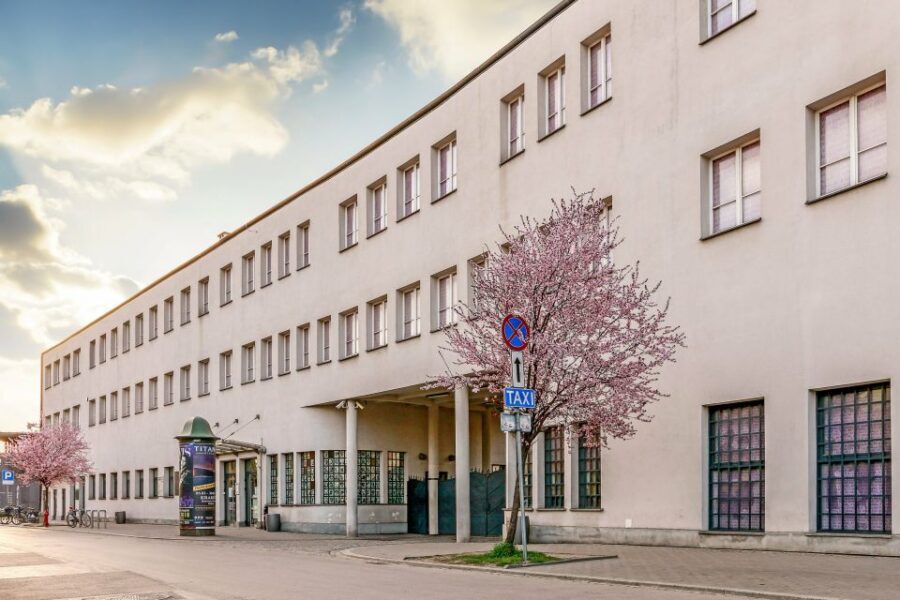
Meeting is simple: show up in front of the museum entrance at the Oskar Schindler’s Enamel Factory. You’ll see a greeter with a GetYourGuide logo on the banner. From there, the tour group goes inside together.
The “skip-the-line” part matters here because this museum draws crowds. You don’t want to spend the first part of your 90 minutes to 2 hours standing around. You want to start with the guide’s explanation and keep the momentum.
Two practical tips:
- Have your ID ready immediately. You need a physical passport or photo ID for every participant—no screen shots, no exceptions.
- Plan to travel light. Large luggage and big bags aren’t allowed inside, so if you’ve got a duffel, it’s better to find storage elsewhere before your tour.
What the guided tour covers (and why it works)
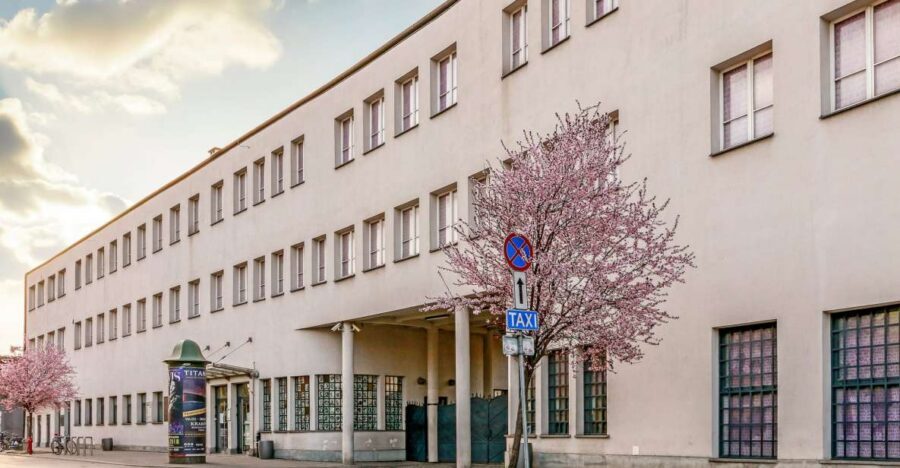
This isn’t a “walk past 40 rooms and hope you remember the facts” kind of visit. The guide stays focused on how WWII intersected with everyday life in Krakow over nearly six years of Nazi occupation. That time span is one of the tour’s strengths: it helps you understand that occupation wasn’t a short event—it was a long pressure that reshaped normal life.
The tour’s core themes
Expect the guide to connect:
- the broader Nazi regime to what people actually faced day-to-day
- personal dramas to larger historical forces
- Krakow’s citizens under occupation to Schindler’s role and moral choices
This is where the tour becomes more than a history stop. It gives you a mental map for “what would this have felt like?” without losing the historical backbone.
The Survivor’s Ark office stop
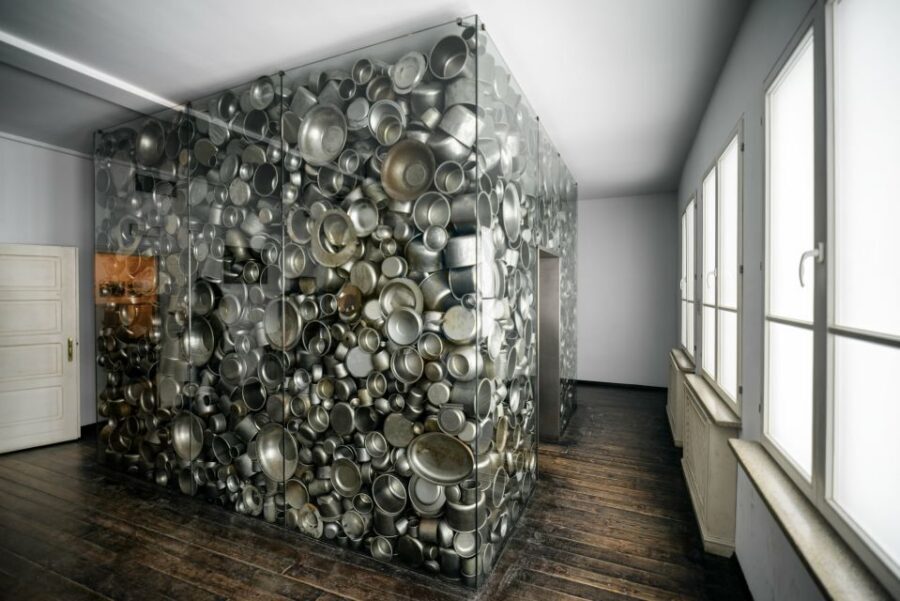
A major highlight is the visit to Schindler’s personal office featuring the symbolic Survivor’s Ark. Even if you already know the basics of Schindler’s story, this moment tends to land because it’s framed as a place where life-saving decisions were made amid overwhelming power imbalance.
The guide’s explanation helps you see why the symbolism matters. The ark idea isn’t just an artwork or a label—it’s a way to focus the story on survival, not spectacle.
Reconstitutions and personal stories: how the museum makes it feel real
The best guides don’t just recite. They guide your attention. In this tour, the guide uses reconstructions and personal narratives to bring the occupation-era context into sharper focus.
You’ll hear personal stories about life in Krakow under Nazi occupation. The aim isn’t to turn every story into a separate mini-lecture. It’s to show how the experience of one person overlaps with the experience of others, and then how those patterns fit inside the larger machinery of the regime.
If you’re the type who likes details (the “how did this play out in real life?” mindset), this format will likely work well for you. It also makes the tour easier to follow because the guide keeps returning to human stakes—fear, survival, choices, and consequences.
One caution: these stories are heavy. The tour deals with wartime oppression and survival, so go in with the right tone. You don’t need to “power through” it, but you should be mentally ready.
Price and value: is $46 worth 90 minutes to 2 hours?
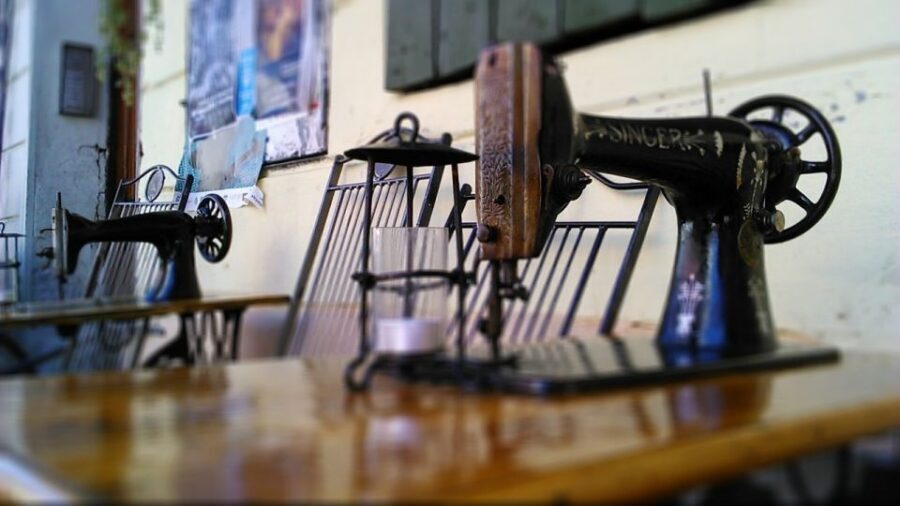
At $46 per person, the value mostly comes from two things you can’t easily replace on your own:
- The guided interpretation that ties the building, the occupation context, and Schindler’s choices together
- The included skip-the-line ticket, which saves time and keeps your visit efficient
Your tour time is relatively tight—typically 90 minutes to 2 hours—so you’re paying for concentration rather than a long, wandering museum day. If you’ve got limited time in Krakow, that’s a plus.
It’s also in a sweet spot for most visitors: short enough to finish without fatigue, detailed enough to understand the bigger picture. If your goal is to leave with clearer context and not just a collection of exhibits, this price tends to make sense.
If, however, you want a purely self-paced, deep reading experience or you’re strictly hunting for industrial-process details about enamel production, you might consider whether a different kind of museum visit would suit you better.
Language options (English and Spanish) and how that can affect your experience
The tour runs in English and Spanish. The guide presence and the language you choose matter because so much of the value here is the linking of personal stories to historical context.
If you’re counting on Spanish, don’t treat it as optional. Make sure you’re selecting the correct language when you book. Language changes can alter pacing and depth—especially in a museum where the guide is steering your attention toward specific themes like everyday life under occupation and the meaning behind Survivor’s Ark.
Rules inside the museum: plan for ID, no flash, and no big bags
Before you go, read the practical rules and treat them like part of your itinerary. Here are the constraints that can affect your comfort level:
- Bring passport or photo ID for every participant
- No flash photography and no video recording inside
- No smoking
- No luggage or large bags
- No pets
Also note: the tour is listed as not suitable for children under 14. If you’re traveling with teens, you’ll probably be fine, but younger kids are a mismatch for the subject matter and likely for the museum experience format.
Group size and pacing: what you should expect during the tour

You’re in a group. That’s part of the value—someone else organizes the story for you. The tradeoff is that group dynamics affect how calmly you can absorb each room.
Some departures may involve groups that feel fairly large, which can slightly reduce how much personal pacing you get. If you’re sensitive to crowding, choose the calmer time slot you can, arrive a bit early to get settled, and plan to pause only at the right moments when your guide stops.
The good news: guides typically use that structure to keep the flow moving and prevent you from getting lost in the information.
Who this Krakow tour is best for
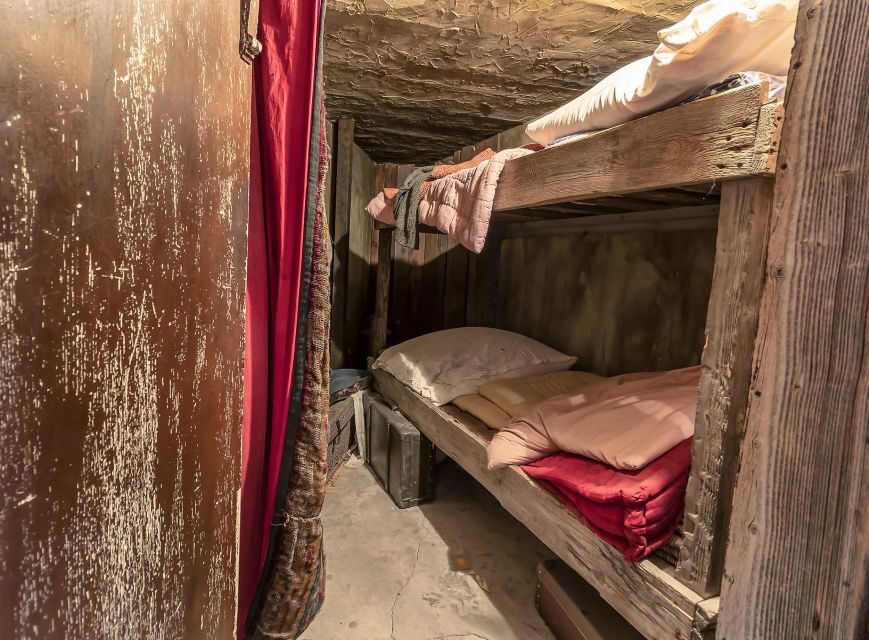
This tour is a strong match if you want:
- a guided, story-based approach to WWII history in Krakow
- clear context for Schindler’s role and the meaning of the Survivor’s Ark office
- a museum visit that connects occupation-era struggles to everyday life
It’s also a good fit if you’re short on time. With a total duration around 90 minutes to 2 hours, you can fit it into a full Krakow day without burning your whole afternoon.
If your main goal is to study manufacturing methods of the enamel factory itself, you may feel the emphasis is elsewhere. Think “human and historical interpretation” over “industrial archaeology.”
Should you book Schindler’s Factory Guided Tour in Krakow?
Book it if you want a focused, guided understanding of WWII in Krakow that’s anchored in the original factory building and brought to life through personal stories. At $46, the skip-the-line entry plus an expert guide usually makes it a smart use of time.
Skip it (or reconsider) if you’re mainly chasing factory mechanics or if you prefer a quiet, self-paced museum where you control every minute. Also, if crowds will stress you out, know that some groups can be on the larger side, and the best experience comes when you’re comfortable listening in a group setting.
If you’re here to understand what happened to people, and how history connects to real places, this is one of the most meaningful tours you can do in Krakow.
FAQ
How long is the Krakow Schindler’s Factory guided tour?
It lasts about 90 minutes to 2 hours, depending on the starting time.
Where do I meet the guide?
Meet in front of the entrance to the Oskar Schindler’s Enamel Factory museum. A greeter with a GetYourGuide logo will be there.
What is included in the ticket price?
You get an expert guide, a tour in your chosen language, and a skip-the-line entrance ticket.
What languages is the tour available in?
The live tour guide is available in English and Spanish.
Do I need to bring ID to enter?
Yes. You must bring a physical passport or photo ID for every participant.
Are pets allowed inside the museum?
No. Pets are not allowed.
Can I take photos or video during the tour?
Flash photography is not permitted, and video recording is not allowed inside the museum.
Are large bags or luggage allowed?
No. Luggage or large bags are not permitted inside the museum.
Is this tour refundable?
No. This activity is non-refundable.