REVIEW · OSKAR SCHINDLER S FACTORY
Schindler’s Factory Guided Tour
Book on GetYourGuide →Operated by INTERCRAC Ltd. · Bookable on GetYourGuide
A factory museum with teeth. I love how this tour shows daily life in Nazi-occupied Kraków beyond Schindler’s story, and I love the original artifacts paired with 1940s-style reconstructions. One thing to watch: at 90 minutes, the pace can feel a bit tight for reading everything up close.
You’ll walk through the exhibition Kraków under Nazi Occupation 1939–1945, guided by a licensed expert, and you’ll see how Jewish and non-Jewish residents struggled to survive as Nazi control tightened. Schindler’s actions are a key thread, but the bigger point is the city around him: fear, uncertainty, and the small decisions that determined who lived and who didn’t.
Logistics are simple, but they matter here. Arrive about 10 minutes early, because once the group enters, late arrivals can’t be accommodated and tickets are non-refundable—plus the museum layout has narrow passageways and a built-to-the-era atmosphere.
In This Review
- Key highlights to look for on this tour
- Schindler’s Enamel Factory: where the tour starts and what you’re really stepping into
- Inside Kraków under Nazi Occupation 1939–1945: how the guide builds the narrative
- Artifacts and 1940s reconstructions: what you gain by going guided first
- Schindlerjuden and everyday survival: how the tour treats both courage and cruelty
- 90 minutes, limited space, and the reading-time tradeoff
- Guide-led storytelling: what past guides are known for
- Value check: is $49 for a Schindler’s Factory guided tour worth it?
- Who this tour is best for
- Should you book Schindler’s Factory Guided Tour?
- FAQ
- What language options are available for the Schindler’s Factory guided tour?
- How long is the guided tour?
- Where do I meet the guide?
- Do I need to arrive early?
- Is fast-track admission included?
- Is a personalized ticket required?
Key highlights to look for on this tour
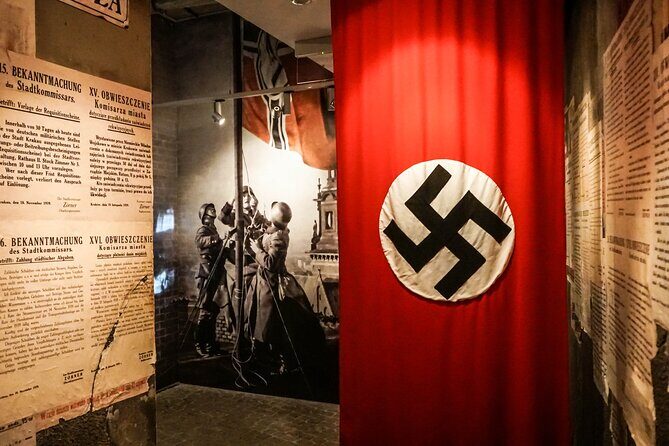
- Kraków under Nazi Occupation context that goes beyond Schindler’s individual story
- Original artifacts and 1940s reconstructions that make the period feel concrete, not abstract
- Jewish and non-Jewish survival stories in the same narrative space
- Schindlerjuden testimony focus and the lasting human impact of Schindler’s choices
- Fast-track entry so you spend your time inside, not in line
Schindler’s Enamel Factory: where the tour starts and what you’re really stepping into
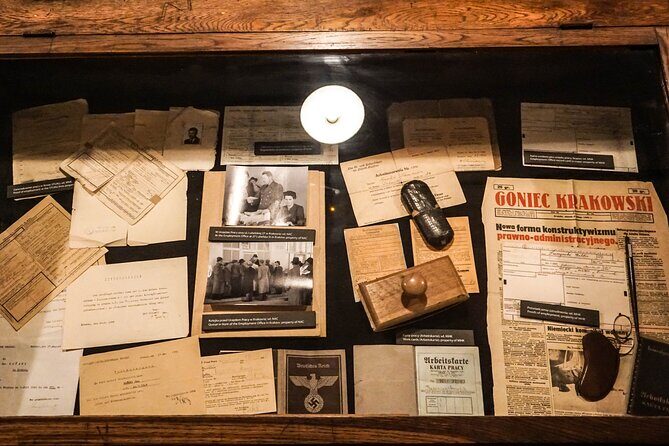
This tour takes place at Schindler’s Enamel Factory Museum in Kraków, in Lesser Poland. Today it’s a museum, but the setting still carries weight: it’s the kind of place where you instantly get why Schindler’s role mattered—right in the factory environment where work and identity were tangled together under Nazi rule.
You’ll meet your guide at the museum’s main entrance on the right-hand side, with a Schindlers Factory Guided Tour sign. From there, you head in with fast-track admission, which is a real time-saver in a museum that draws a lot of attention.
One practical thing to know: the building no longer has original production equipment. So don’t expect machinery to be running or an intact factory floor in the literal sense. What you’ll get instead is a museum experience built from artifacts, photos, and reconstructions—designed to explain what daily life was like when the city was under occupation.
You can also read our reviews of more guided tours in Oskar Schindler S Factory

Inside Kraków under Nazi Occupation 1939–1945: how the guide builds the narrative
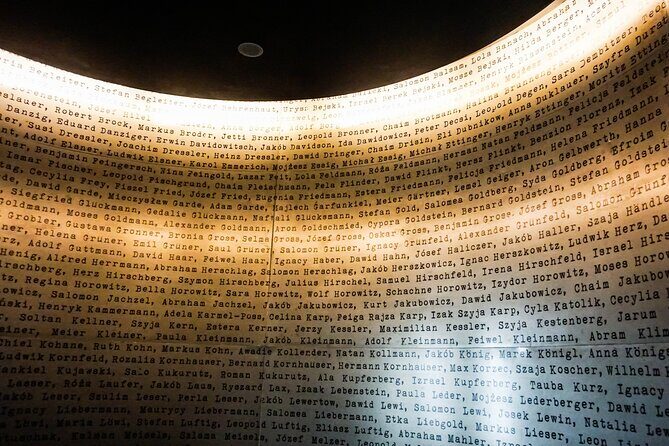
The core of this guided tour is the exhibition Kraków under Nazi Occupation 1939–1945. Your licensed guide leads you through the museum’s storyline, using Oskar Schindler’s extraordinary life as the lens—then broadening out to show what life was like for people around him.
The best tours here don’t treat Schindler as a standalone hero story. They connect his influence to the city’s crushing reality: the changing rules, the constant risk, and the way ordinary people adapted just to keep going. That’s the “beyond the film” value you’re paying for with the guide.
You may notice that the tour does not try to keep the focus locked only on Schindler. In fact, some visitors point out that the narration covers Kraków and the wider occupied experience, not just his relatively limited slice of events. That’s not a flaw. It’s usually what makes the visit land harder—because it helps you understand what was being resisted, and what survival required from many people at once.
Also, groups run in a single language at a time (German, French, Spanish, Italian, or English). If you have strict language needs, double-check your chosen option when booking.
Artifacts and 1940s reconstructions: what you gain by going guided first
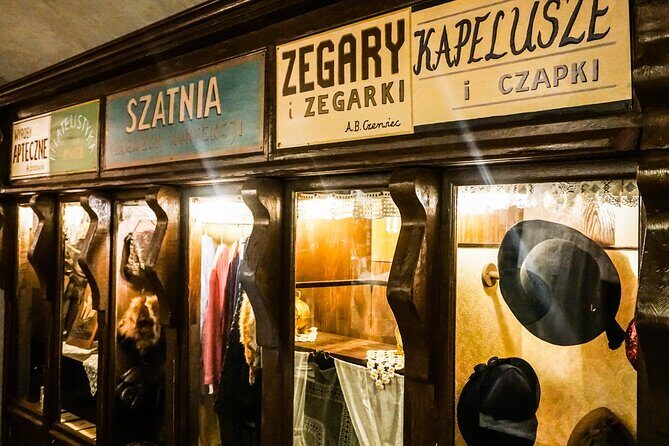
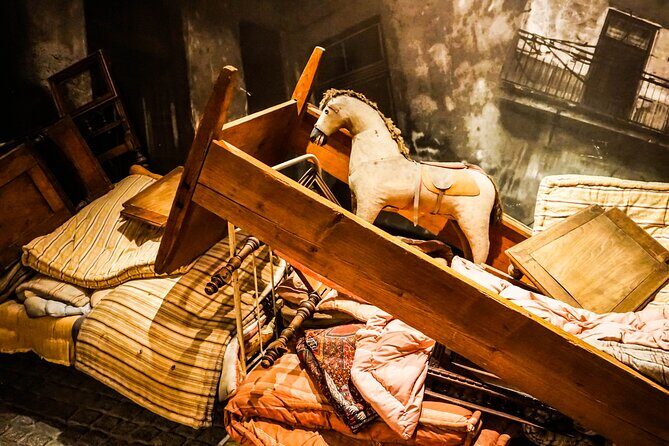
A museum like this can be powerful even on your own, but the guided structure helps you read the room faster. Instead of wandering, you get a timeline and a set of meanings for what you’re seeing—photos, personal objects, and staged streetscapes that recreate parts of the fear-filled city.
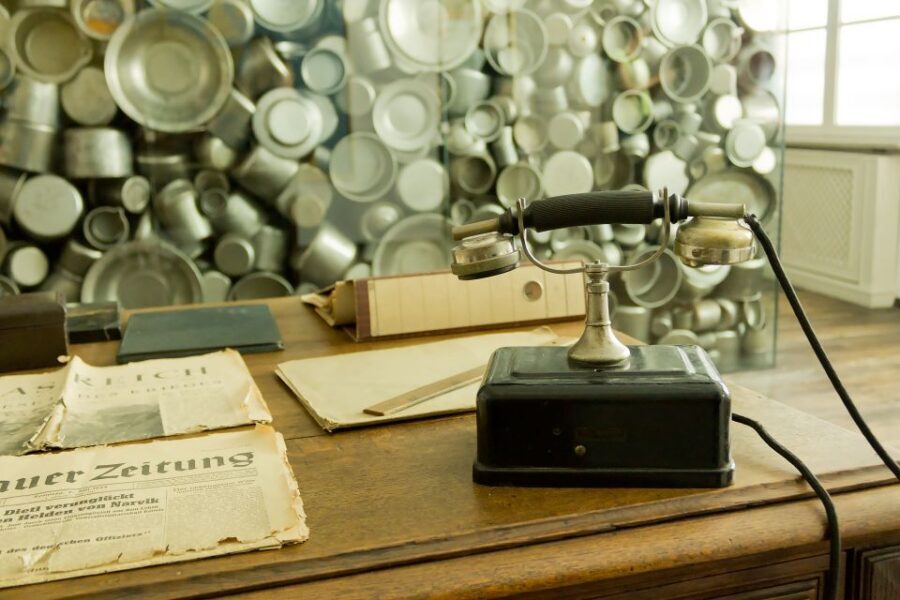
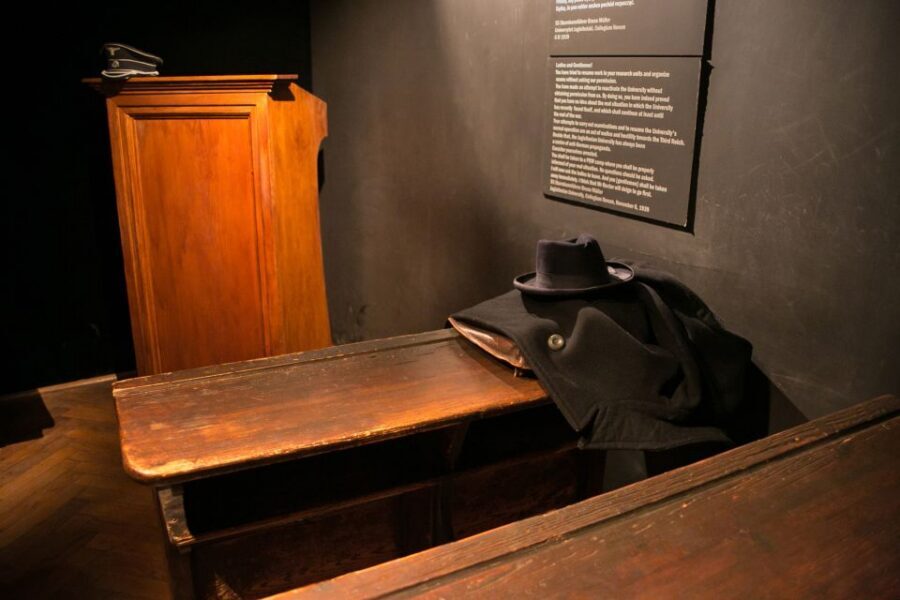
The tour is built around the contrast between what’s recorded (documents, photographs, items people kept) and what’s recreated (street-like settings and scenes meant to help you grasp the atmosphere). You’re not just told what happened; you’re shown how people lived inside the pressure.
And yes, the museum layout has narrow passageways and an atmospheric design. That matters. You’ll be moving through a physical environment that encourages you to slow down emotionally, even if you don’t get long “sit and read” time for every label.
If you want a smooth experience, I’d plan for that. Don’t come in expecting museum-library pacing where you can study every photo like a detective. This is a guided story route, with key stops and explanation, not a blank canvas.
Schindlerjuden and everyday survival: how the tour treats both courage and cruelty
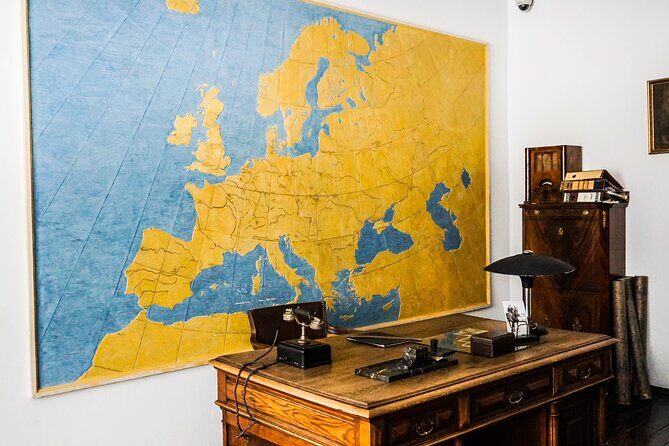
Oskar Schindler’s place in this story is central, but the tour’s real strength is how it links his choices to the lived experience of others. He employed Jewish workers and used his position and resources to help protect people from deportation. The result, as the tour frames it, is that more than a thousand men and women survived thanks to his courage and determination.
You’ll also hear the phrase Schindlerjuden, tied to testimonies of those he saved. Hearing that term in context matters, because it shifts the story from a movie-famous name into human lives with specific stakes.
What I like about the way the tour presents this is the balance: Schindler’s actions are not minimized, but the narrative doesn’t ignore the system around him. The museum brings in the reality that Jewish residents weren’t facing danger only in isolation; non-Jewish Kraków residents also navigated danger, fear, and shifting survival rules. That shared context helps you see the occupation as a whole environment, not a set of isolated tragedies.
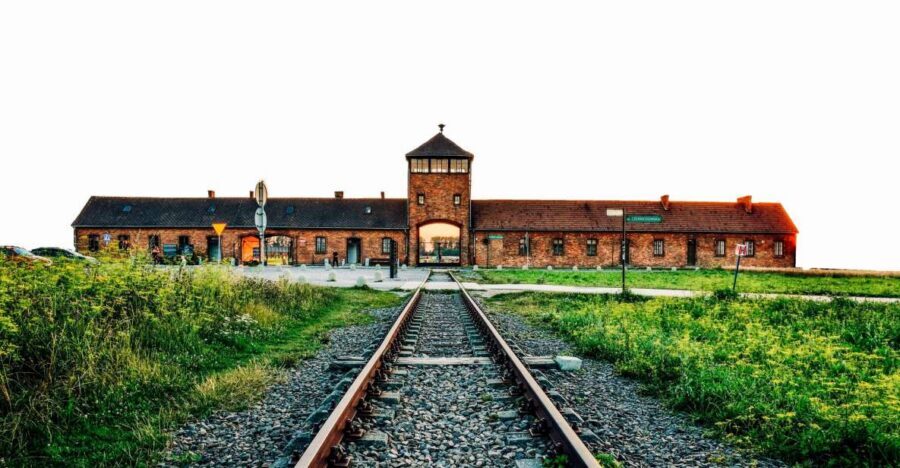
It’s also why this visit is so often recommended as part of a broader Auschwitz-era learning path. If your itinerary includes Auschwitz-Birkenau, I’d seriously consider doing this one earlier. The background on Kraków under occupation helps you understand the machinery of persecution before you reach the next stop.
90 minutes, limited space, and the reading-time tradeoff
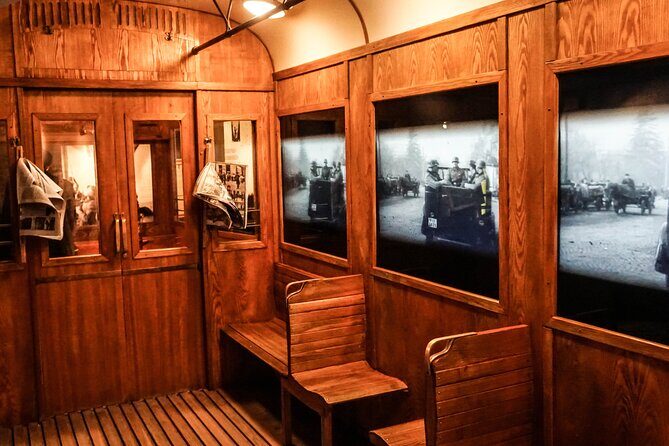
This tour lasts 90 minutes, which is both a strength and the main thing to plan around. The benefit is focus: you’ll leave with clear context and a guided thread you can remember later when your brain is full of heavy history. The downside is time pressure inside narrow spaces.
Some people love the structure and feel it gives them exactly the right framework. Others have said it can feel a bit rushed for reading labels and lingering over artifacts. That’s the trade: a guided tour that covers the story can’t also guarantee long personal study time in every room.
Here’s how you can make that time work:
- Arrive early so you’re not thinking about timing before the tour even starts.
- If you’re someone who reads every caption, set an intention: follow the guide’s explanations first, then come back later for extra reading if you have the day.
- If you like photos, take a breath and look before moving on. A fast photo doesn’t capture the details the guide is pointing out.
Group size is limited to 25 participants, which is relatively small for a major museum. That’s helpful in tight corridors where bigger groups can turn the experience into a slow squeeze.
Guide-led storytelling: what past guides are known for
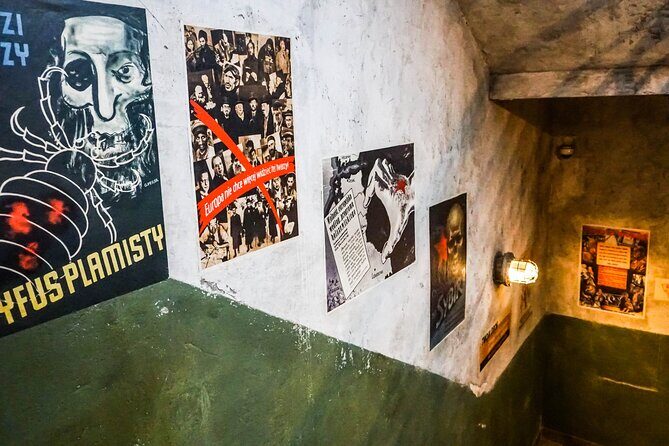
A guided tour is only as good as the person holding the thread. The tour is led by professional, licensed guides, and you’ll likely feel that licensing in the way the narrative stays coherent and grounded.
Names that pop up in people’s feedback include Eva, Ewa, and Phil. The common theme isn’t just facts—it’s how those facts are explained. Guides are praised for being friendly, passionate, and able to connect historical context to the human stakes in the rooms.
One thing to aim for as you book: choose your language carefully. Since the group runs in a single language, you’ll want the narration to be effortless. That’s how the tour becomes more than a walk through displays—it becomes a story you can carry.
Value check: is $49 for a Schindler’s Factory guided tour worth it?
At $49 per person for a 90-minute guided experience, this isn’t the cheapest museum add-on in Kraków. But it does include two things that matter for value: a professional, licensed guide and fast-track admission.
You’re paying for context and interpretation. Without guidance, you might read labels and still miss the connections—how the city’s occupied life shaped decisions, and how Schindler’s choices fit into a broader pattern. With the guide, you’re more likely to leave with a clean understanding of Kraków under occupation rather than only fragments.
It’s also a smart value if you’re short on time in Kraków or if you want your learning to feel structured. This is one of those tours where you get a lot of meaning inside a short window.
If you have plenty of free time and love museum wandering, you could do it on your own. But if you’d rather understand what you’re looking at as you go, the guide-driven format is the point.
Who this tour is best for
This tour fits you best if you want:
- A guided explanation of Nazi-occupied Kraków that extends beyond Schindler’s personal narrative
- Clear historical framing using artifacts, photos, and reconstructions
- A structured 90-minute experience that helps you remember what you saw later
It also works well if you’re pairing Kraków with the rest of your Holocaust-era itinerary. If Auschwitz is on your plan, this can give you earlier context about how persecution unfolded in a major city.
If you want maximum time for quiet reading and slow pacing, you might feel the 90-minute format is limiting. In that case, plan a little extra time at the museum on another visit if you can.
Should you book Schindler’s Factory Guided Tour?
Yes, I think you should book it—especially if you’re the type who wants the museum to make sense while you’re inside it. The pairing of a licensed guide with the exhibition Kraków under Nazi Occupation 1939–1945 is the value: you’ll get Schindler’s story without losing the larger picture of Kraków under occupation.
Book it if:
- You want to understand what daily life looked like, not only what happened in famous moments
- You’d rather follow a narrative than decode the museum by yourself
- You appreciate fast entry and a tighter, story-driven route
Skip or consider a self-paced visit instead if:
- You know you need lots of quiet reading time in every room
- You’re sensitive to narrow passageways and moving crowds
FAQ
What language options are available for the Schindler’s Factory guided tour?
The tour is offered in German, French, Spanish, Italian, and English. All group tours run in a single language, so you’ll choose your preferred option when booking.
How long is the guided tour?
The tour duration is 90 minutes. Starting times vary, so check availability for the exact schedule.
Where do I meet the guide?
Meet your guide in front of the main entrance to the Schindler’s Factory Museum, on the right-hand side, where they hold a Schindlers Factory Guided Tour sign.
Do I need to arrive early?
Yes. You’re asked to arrive at least 10 minutes prior to the start time. If the group has already entered, late arrivals can’t be accommodated, and tickets are non-refundable.
Is fast-track admission included?
Yes. The tour includes fast-track admission, which helps you skip the ticket line.
Is a personalized ticket required?
Yes. The museum issues personalized tickets, so you must provide the full names of all participants at the time of booking. If names aren’t provided correctly, entry may be denied.