REVIEW · KRAKOW
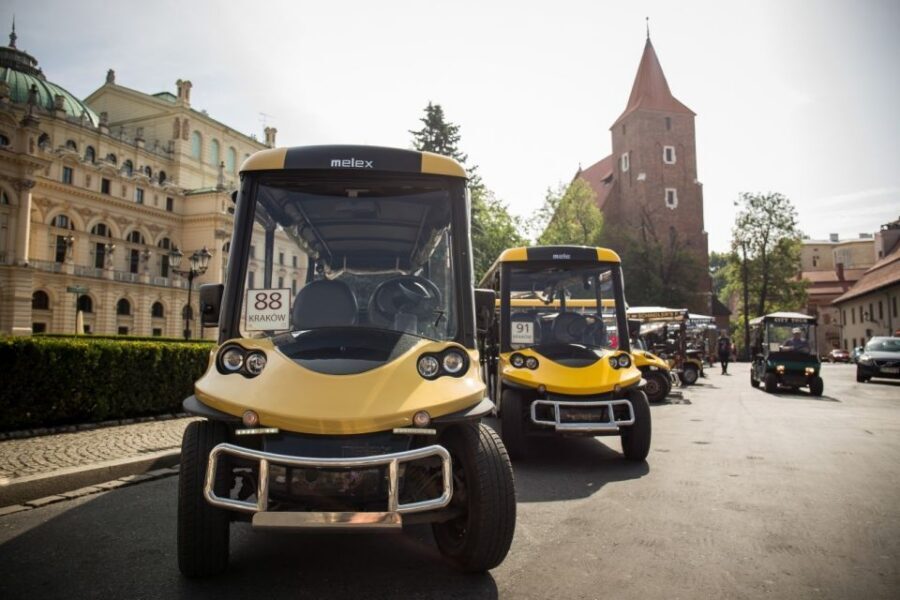
Krakow: City Tour of 3 Districts by Electric Car
Book on GetYourGuide →Operated by GoKrakow Tours · Bookable on GetYourGuide
Three districts in 105 minutes sounds quick.
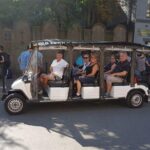
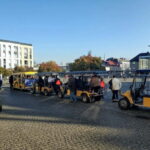
That’s the whole magic here: you glide through Kraków in an electric car with hotel pickup, then focus on what matters at each stop instead of hunting transit. I also love how this is set up for a small, private feel, so you can ask real questions as you go. One thing to consider: cold weather can be a factor—some rides report issues with heating or side covers, so bundle up if you’re touring in winter.
If it’s your first day, this is a smart way to get your bearings fast. You’ll hit the Main Square area, cross into Kazimierz, and then move toward the Kraków Ghetto and Podgórze sites—an intense route, but paced for a short, efficient visit.
In This Review
- Key Points at a Glance
- Why an Electric Car Tour Works So Well in Kraków
- Old Town: Main Square, Churches, and the Cloth Hall
- Kazimierz: The Jewish Quarter’s Story and Why It Matters
- Kraków Jewish Ghetto: A Short Stop With Heavy Weight
- Podgórze: The Prison District and the Setting Between River and Cliffs
- How the 105 Minutes Actually Feel on the Ground
- Price and Value: Is It Worth $111?
- What I’d Do Differently Before You Go
- Who This Tour Fits Best
- Should You Book This 3-District Electric Car Tour?
- FAQ
- How long is the tour?
- What areas of Kraków will I see?
- Is hotel pickup included?
- Who guides the tour, and what language is it in?
- Is an audio guide included?
- Are tickets or food included?
- What should I wear or bring?
- Is the tour wheelchair accessible?
Key Points at a Glance
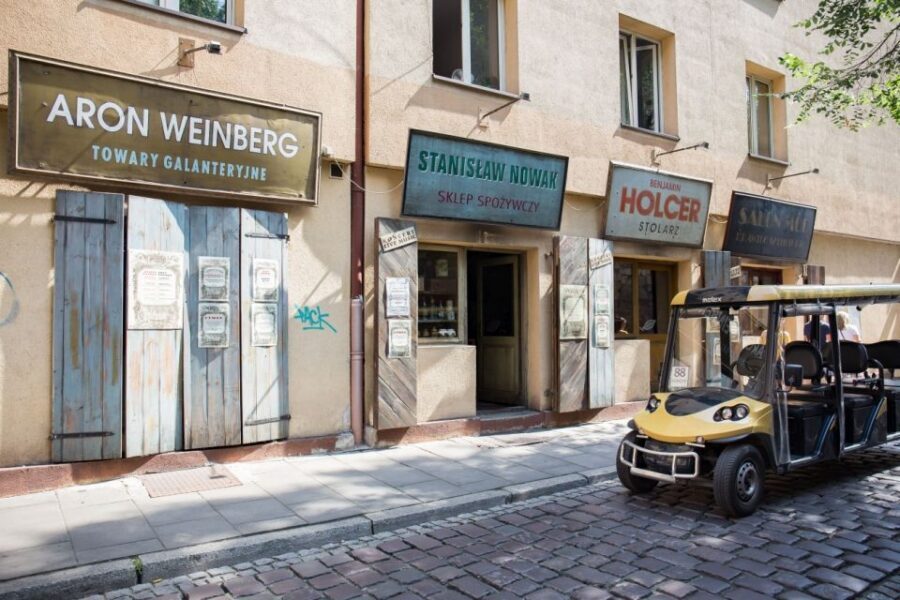
- Electric car + small streets: You can get into side lanes that bigger buses usually can’t.
- Old Town in one sweep: Main Square and nearby churches come fast, with photo breaks.
- Kazimierz context: Learn why this neighborhood’s Jewish story is central to Kraków today.
- Ghetto and Podgórze sites: Short stops, but they carry real weight—go with a respectful mindset.
- Private format: Less waiting, more conversation, and easier adjustment if your group moves slowly.
- English live guidance plus audio: You’re not stuck only with prerecorded content.
Why an Electric Car Tour Works So Well in Kraków
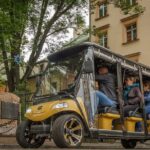
Kraków rewards slow wandering, but it also rewards knowing where to start. This is the kind of tour I recommend when you want structure without turning your day into a full-day marching contest. The electric car is quiet enough that you can actually hear explanations, and compact enough to weave around parts of the Old Town where buses don’t fit comfortably.
The biggest practical win is time. In about 105 minutes, you cover four major zones: Old Town, Kazimierz, the area associated with the Kraków Jewish Ghetto, and Podgórze. That’s four neighborhoods worth of orientation, without you spending your energy on buses, tickets, or routes. If you’re the type who likes to come back later and explore on foot, this makes your return visits faster and more confident.
I also like the mix of narration styles. There’s an English live guide experience, plus an audio guide program in many languages. That combination tends to work well when some details stick best as spoken commentary, while others land better as audio support.
You can also read our reviews of more city tours in Krakow
Old Town: Main Square, Churches, and the Cloth Hall
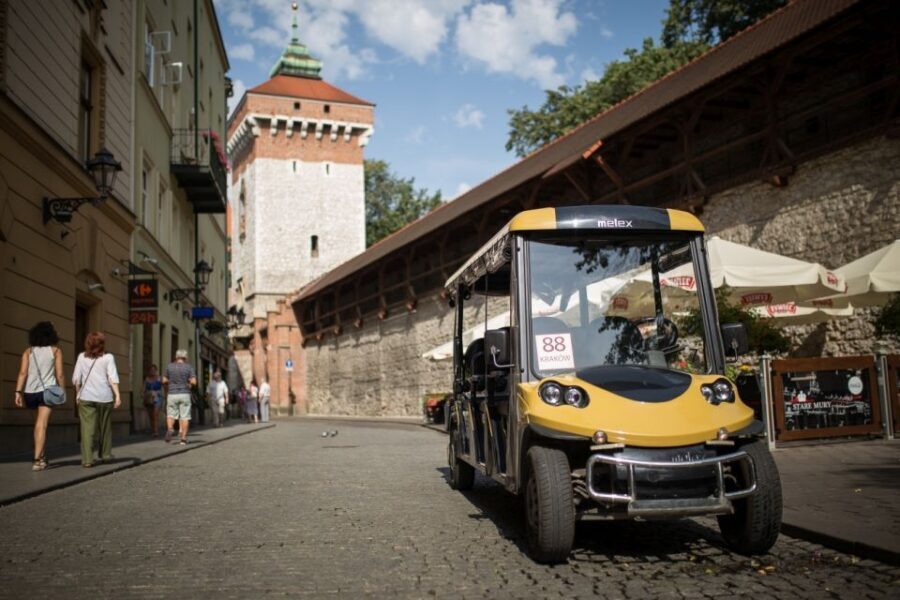
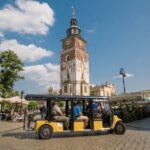
You start in the Old Town zone, where Kraków’s center of gravity lives: Rynek Główny (Main Square). This is one of those places where the buildings look like they’ve been waiting for you for centuries. The Main Square sits at the center of the historic district, ringed by medieval and Renaissance-era architecture, including the Sukiennice (Cloth Hall) in the middle.
From a planning point of view, this stop is valuable because it anchors everything else. Once you understand where the Main Square is and what streets radiate out from it, the rest of the city starts to feel navigable. You’ll get a guided look at landmarks near the square, including St. Mary’s Basilica (Kościół Mariacki), St. Adalbert’s (St. Wojciech), and St. Barbara. Even if you don’t go inside, seeing their place in the city’s layout helps you choose where to spend time later.
What to expect during this portion:
- Around 45 minutes focused on the Main Square area and nearby landmarks.
- Enough time for photos at key viewpoints.
- A route designed to keep you moving without feeling rushed every single minute.
One drawback to keep in mind: the Old Town core can be busy. This tour helps because you’re not walking from one far point to another, but you’ll still share space with pedestrians around the square.
Kazimierz: The Jewish Quarter’s Story and Why It Matters
Kazimierz sits just south of the Old Town, and it’s the neighborhood most visitors feel in their bones once they understand the backstory. This area was the center of Jewish life in Kraków for centuries, and it suffered devastating destruction during World War II. After the political changes of the 1990s, Kazimierz regained attention worldwide, drawing more visitors and supporting the return of contemporary Jewish culture.
On a practical level, Kazimierz is also where you get a different Kraków. The streets feel more lived-in and artistic, with cafes and small galleries that make it easy to slow down. The tour’s time here is about 40 minutes, which is just enough to connect the historic story to the real street atmosphere you can still see today.
Why this stop is worth your time:
- You’re not only seeing sites; you’re learning what they symbolize.
- It helps you understand why Kazimierz is a major destination on its own, not just a side trip from the Old Town.
- You’ll likely get guidance on what to prioritize when you come back for a longer walk.
In the best moments, this segment turns into a conversation. Some guide styles lean into storytelling and local detail—people have specifically mentioned guides like Peter and Maciek as strong at adding context beyond the basics. Even if you don’t recognize a guide name, look for the ones who translate history into how the neighborhood works now.
Kraków Jewish Ghetto: A Short Stop With Heavy Weight
Then the tour changes tone. You’ll head to the area connected with the Kraków Jewish Ghetto. This section is brief—about 15 minutes—but it’s important to treat it as more than a checkbox.
Here’s what matters: in 1941, Kraków’s Jewish population was forcibly moved and walled off in what became the Kraków Ghetto. Two years later, most residents were murdered, and many others were killed in nearby camps or extermination sites. That context is part of why this stop feels so solemn, even when the tour moves quickly.
What makes this segment workable on a short tour:
- The time is limited, but the guidance is meant to give you a framework.
- You’ll understand the location’s significance rather than simply seeing a marker and moving on.
- The electric-car format reduces the strain of long walking while you absorb intense information.
A consideration: if you’re sensitive to historical tragedy or you prefer deeper, longer reflection, you might want to add extra time on your own after this tour. The short pacing is designed for efficiency, not extended mourning.
Podgórze: The Prison District and the Setting Between River and Cliffs
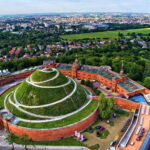
Podgórze is the other side of that story. You’ll spend around 15 minutes in this district, which the Nazis used as the location for a prison district because of its geography—between the river and the cliffs of Krzemionki.
This is one of those places where the setting helps explain the decisions made by the occupiers. Standing in that area, you’re reminded how physical space can be used as a weapon—crowding, control, and separation all become part of the history.
What to expect here:
- A short, guided orientation to the district’s role in the ghetto system.
- An explanation that links geography to historical events.
- Quiet time to take things in without nonstop movement.
If the Ghetto stop hit hard, Podgórze can feel even heavier because it connects the dots to the broader prison-district setup. Go at your own pace, and don’t feel pressured to keep up with a fast-moving group if you need a pause.

How the 105 Minutes Actually Feel on the Ground
A 105-minute private tour sounds like a sprint. It can be, but it doesn’t have to feel like one. The success of this kind of tour depends on balance: enough time to learn, not so much time that you lose focus.
Here’s the rhythm you’ll likely notice:
- Long enough in the Old Town to grasp the Main Square layout.
- A strong block in Kazimierz to connect history with today’s neighborhood feel.
- Two shorter segments for the ghetto area and Podgórze, with the pace held intentionally.
- Drop-offs back at points in the Stare Miasto (Old Town) zone, which can make it easy to walk out and continue exploring.
Electric cars also change how the day feels. Some people like that you can jump out for photos without committing to long treks. Others note that driving in an old-city layout can create stop-and-go motion. If you’re prone to motion sickness, consider sitting where you feel most stable and take it slow when you return to walking.
One more practical point: safety belts. There have been mentions that seat belts are worth using when available. It’s a small habit that can make the ride feel more secure.
Price and Value: Is It Worth $111?
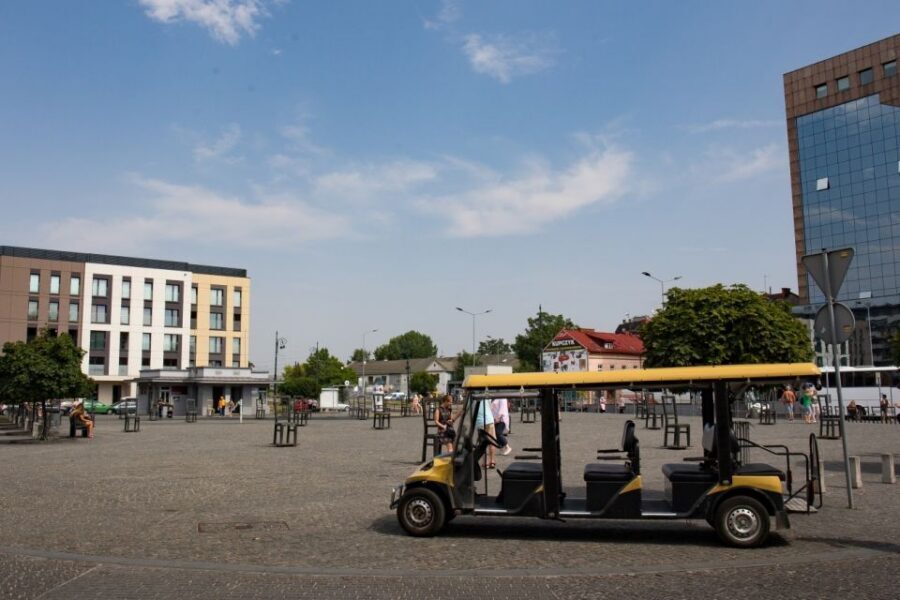
The price shown is $111 per group, with a private-car format and pickup included. That sounds like a chunk until you break it down the practical way you’d spend money anyway.
You’re paying for several things at once:
- pickup from your accommodation or nearby zones in Old Town/Kazimierz (with a short window to meet the driver)
- private electric transport through multiple districts
- a guide-led experience in English
- an audio guide program in a wide range of languages
Then there’s what you save: time and energy. If you’re a first-time visitor, learning the city’s layout fast can be worth more than saving money on a cheaper bus option. This tour is also a good “decide where to return” tool. After you see where you want to spend more time, your following walks get more targeted.
Tickets and food are not included. That’s normal for a short orientation tour. You might want to budget separately if you plan to enter specific buildings later or if you decide to turn your tour-ending area into a proper lunch stop.
The main value risk is expectation. This is not a deep, all-day museum crawl. It’s a fast, guided orientation with emotionally serious stops. If you want hour-by-hour detail inside every major site, you’ll still want a second day (or several afternoons) on your own.
What I’d Do Differently Before You Go
If you book, you can make the experience smoother in a few simple ways.
Wear comfortable shoes. Even though you’re in a car, you’ll still do walking at the stops—especially around the Main Square and in the Kazimierz streets.
Plan for weather. Some riders have mentioned cold getting in due to issues with side covers or heaters in colder months. If you’re traveling in winter, dress like you’ll be outside for longer than you think you will.
Ask smart questions at the first stop. In the Old Town segment, you’re learning the city’s map. That’s your chance to ask your guide how to build a good day plan afterward: where to wander, what to prioritize, and how the districts connect.
Use the photo windows, then keep moving. A recurring win on this tour is having time to photograph landmarks without the stress of trying to coordinate everyone. Take the shots you care about, then let the guide keep you moving.
Take the ghetto/podgórze context seriously. You don’t need to be somber for the whole day, but do go in ready to respect the subject. Even short stops become more meaningful when you arrive with the right mindset.
Who This Tour Fits Best
This tour is a strong choice for:
- first-time visitors who want fast orientation across key districts
- couples and small parties who like private pacing
- people who prefer guided context more than self-guided guessing
- anyone who wants to compare what the city looked like historically versus what you can feel in today’s neighborhoods
It may not be ideal for:
- visitors who want long, in-depth time inside major attractions
- anyone who struggles with motion or stop-and-go driving patterns
- travelers who need more time to process emotionally heavy sites (since parts of the route are brief)
Wheelchair accessible is listed, which is a big plus for mobility planning. Since the ride itself is part of the solution here, you’ll likely find it easier than a purely walking-based “neighborhood hop.”
Should You Book This 3-District Electric Car Tour?
If your goal is to get your bearings fast, learn why Kazimierz matters, and understand the context of the ghetto and Podgórze areas without spending your whole day in transit, then yes, I think it’s a smart booking. The electric car makes the city feel more approachable, and the private feel helps you ask questions instead of guessing your way through.
I’d say book it if:
- you have about half a day and want a real plan
- you like the idea of returning later to places you connect with
- you can handle a short segment of difficult history
Skip it if:
- you want slow travel with long reflection and lots of time at sites
- you’re traveling in deep winter and your tolerance for cold comfort is low
- you need a purely spoken tour with no audio support at all (since narration can be presented in multiple formats)
Bottom line: for a compact first visit, this is a practical, high-value way to see Kraków as more than one district at a time.
FAQ
How long is the tour?
The tour runs for 105 minutes.
What areas of Kraków will I see?
You’ll visit Old Town, Kazimierz, the Kraków Jewish Ghetto area, and Podgórze, with drop-offs back in the Old Town area.
Is hotel pickup included?
Yes. Pickup is included from your accommodation or from nearby points in the Old Town or Kazimierz districts. You should allow about 5–10 minutes for pickup.
Who guides the tour, and what language is it in?
It includes a live tour guide in English.
Is an audio guide included?
Yes. An audio guide is included, with options in many languages (including English and many others).
Are tickets or food included?
No. Tickets and food are not included.
What should I wear or bring?
Wear comfortable shoes.
Is the tour wheelchair accessible?
Yes, wheelchair accessibility is listed for the experience.