REVIEW · WROCLAW
Jewels of Lower Silesia
Book on Viator →Operated by Viadrina Tours · Bookable on Viator
Silesia packs surprises into one day. This trip threads together Ksiaz Castle near Wałbrzych, the tropical Palmiarnia greenhouse, and the UNESCO-listed Church of Peace in Świdnica. I like how the stops feel different but still link back to the same story: Lower Silesia’s layered past and the Hochberg family’s ambition.
I love the small group feel, with English-speaking guides who make the history practical instead of dusty. I also like that the big-ticket entrances are handled for you, so you’re not hunting tickets while half a day slips away. One thing to plan for: the castle complex can involve lots of stairs, including underground areas.
In This Review
- Quick take: what makes Jewels of Lower Silesia worth your time
- Entering Lower Silesia: why this day trip feels special
- Ksiaz Castle near Wałbrzych: Hochberg ambition and WWII scars
- Don’t ignore the underground tunnels and stairs
- Practical tip for the castle stop
- Palmiarnia Wałbrzych: the Hochbergs through plants, animals, and color
- What you’ll likely notice inside
- Church of Peace in Świdnica: UNESCO and the politics of faith
- Why it hits harder than you expect
- Pacing, timing, and how the day actually flows
- What helps most on a day like this
- Price and value: what you’re really paying for
- Is $150 “worth it”?
- Guides and English: what to expect from Adam, Matthias, and Maciej
- Who this tour suits best (and who should rethink it)
- Should you book Jewels of Lower Silesia?
- FAQ
- How long is the Jewels of Lower Silesia tour?
- Where does the tour start in Wrocław?
- Is the tour in English?
- What entrance fees are included?
- Is lunch included in the price?
- How many people are in the group?
Quick take: what makes Jewels of Lower Silesia worth your time
- Small group, up to 8 travelers: easier questions, less waiting, and better pacing.
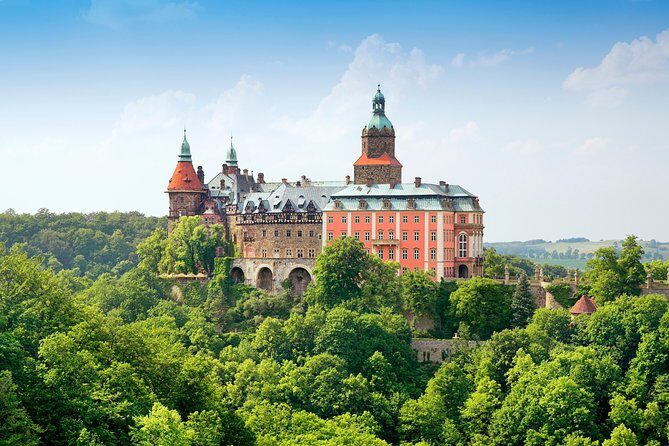
- Ksiaz Castle visit includes the key experience: you get the full castle setting and the underground options on-site.
- Palmiarnia Wałbrzych is more than plants: expect a relaxing walk through greenhouse scenes with animals like lemurs and peacocks.
- UNESCO Church of Peace is the emotional payoff: ornate, historically tied to European religious conflict.
- English tour with context: guides such as Adam Wronecki, Matthias, and Maciej are known for clear explanations.
- Air-conditioned comfort plus paid logistics: the vehicle is comfortable and parking is included.
Entering Lower Silesia: why this day trip feels special
Lower Silesia isn’t a single “famous city break” the way some places are. It’s more like a region of chapters. One moment you’re looking at a castle shaped by centuries of rulers. Next, you’re walking among exotic greenhouse plants tied to the wealth of the Hochberg family. Then you finish at a church built under strict conditions during Habsburg rule—famous enough to be on UNESCO’s list.
The value here is the combination. You’re not just checking three attractions. You’re seeing how power, religion, and industry left physical traces in the same pocket of Poland.
You can also read our reviews of more tours and experiences in Wroclaw.

Ksiaz Castle near Wałbrzych: Hochberg ambition and WWII scars
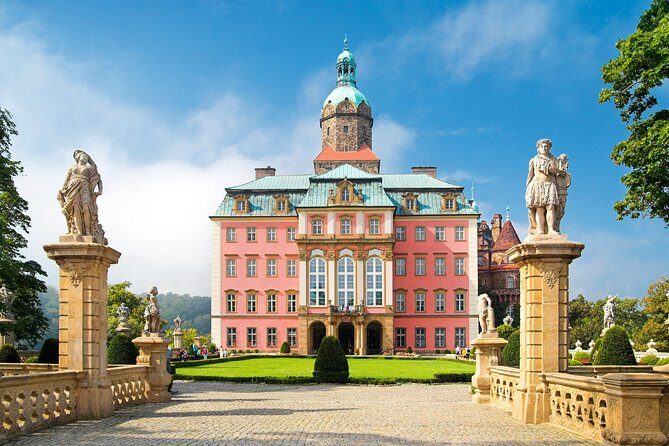
Ksiaz Castle (Zamek Ksiaz w Walbrzychu) is the heavyweight stop. It’s a real example of the region’s mixed legacy, and you can feel that in the castle’s story.
The property started with a local dynasty connected to the Piast dynasty line from Świdnica. Ownership then passed through major European hands—Bohemian kings, robber barons, a Hungarian ruler—before ending up with the Hochberg family (also known historically as Hober/Hochberg). These Silesian aristocrats became high-impact entrepreneurs in the 19th century, often cited as an example of how the German industrial revolution took hold in the area.
What I like about seeing it with a guide is that the castle stops being a pretty building and becomes a timeline you can read. You also get context for the damage and changes from the 20th century. At least some visits highlight how the castle was affected by ransacking during World War II, including by German and Russian forces. The décor may look less “complete” than you’d expect in an unscarred restoration, but that’s part of the honesty of the site.
Don’t ignore the underground tunnels and stairs
This is the part you plan for. Many visitors focus on the castle rooms and gardens, but Ksiaz’s underground areas are a major draw. The catch: there can be a lot of stair climbing up and down. If you want the tunnels experience, wear shoes you trust. If you don’t, you can still get plenty from the castle itself and its surroundings.
Practical tip for the castle stop
Give yourself a calm pace. The castle time slot is long enough to do the core visit well, but stairs (especially in underground sections) can quietly eat time. If you’re visiting with anyone who tires quickly, decide early whether you’ll commit to tunnels.
Palmiarnia Wałbrzych: the Hochbergs through plants, animals, and color
After the castle’s weight, Palmiarnia Walbrzych is a palate cleanser. This greenhouse is a relaxing walk through colorful, exotic greenhouses, focused on rare plants that help explain the wealth and prosperity associated with the Hochberg family.
The experience isn’t just “look at plants.” It’s about how the Hochbergs expressed status through environment—turning controlled indoor space into a display of reach and taste. As the guide connects it to the Hochbergs, the greenhouses feel like part of the same story as the castle, just told with humidity and leaves instead of stone.
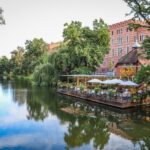
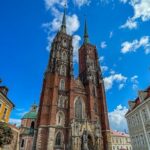
What you’ll likely notice inside
One of the standout details from people who’ve done this tour: animals like lemurs and peacocks can be part of the Palmiarnia experience. Even if that’s not the main headline for you, the overall effect is clear—this is a slower, softer stop that helps break up the day.
It’s also a good choice if you’re traveling with mixed ages or preferences. History lovers get the background through the guide. Plant lovers get the visuals. And everyone gets a little break from walking on uneven stone.
Church of Peace in Świdnica: UNESCO and the politics of faith
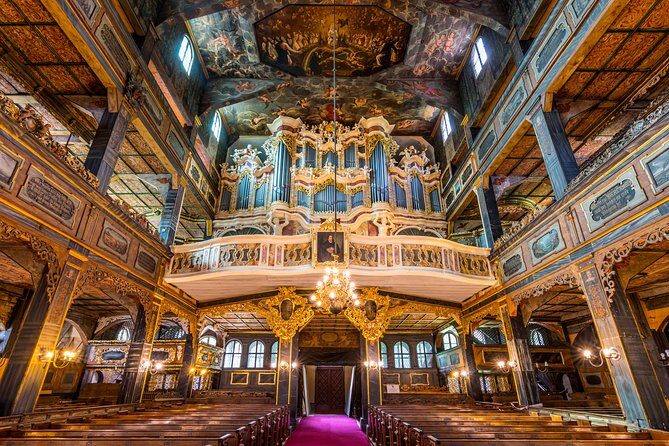
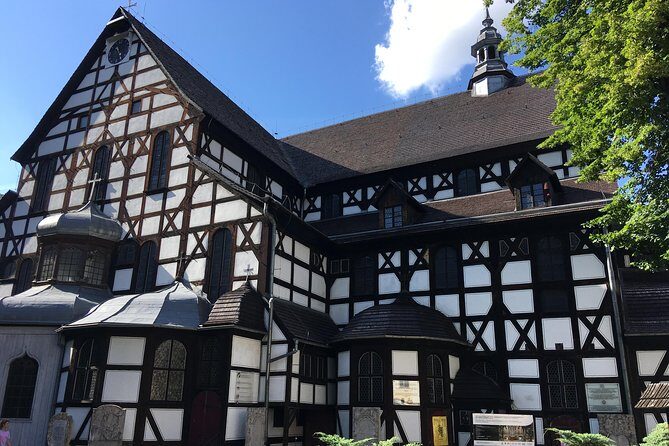
The last major stop is the Church of Peace (Kosciol Pokoju w Swidnicy). It’s the kind of place where you stand for a moment and realize pictures don’t fully capture the craft.
This church was built in the 17th century during Habsburg rule, and it’s tied to religious conflict that shaped Europe for centuries. The building is also famous for the strict conditions under which it was erected—conditions that reflect the political limits of the era. That UNESCO status matters here because it signals this isn’t just architecture-as-art. It’s architecture as negotiation.
Why it hits harder than you expect
People tend to expect a simple visit to a church. Instead, the site becomes a lesson in how compromise and conflict leave behind physical rules. One guide-driven angle you’ll hear emphasizes how the church connects to the terms of the Treaty of Westfalia in 1648, after the Thirty Years’ War, and that Protestants were allowed to build under very specific terms. The materials and method—described as solid oak and mortar in at least some explanations—are part of why the building feels so solid and intentional.
If you care about how history shows up in ordinary spaces, this is the moment that clicks.
Pacing, timing, and how the day actually flows
This is built as a long, efficient day. You start in Wrocław at 8:30 am from Cinema New Horizons on Kazimierza Wielkiego 19a/21. Then you head out to Wałbrzych and Świdnica, with structured time at each stop.
You should expect the day to feel like: travel → castle depth → greenhouse reset → UNESCO finale. The visit lengths are designed so you’re not rushing through the main experiences, but you’re also not stuck in one place all afternoon.
What helps most on a day like this
Wear comfortable shoes. Even if you’re not doing tunnels, castle grounds and greenhouse paths add up. Bring a light layer too. Greenhouse temperatures can feel different from outside, and churches often stay cooler.
Price and value: what you’re really paying for
At $150.03 per person, you’re paying for a full day that includes:
- Air-conditioned vehicle
- Parking fees
- Admission tickets for Ksiaz Castle, Palmiarnia Wałbrzych, and the Church of Peace
- English-speaking guide service
- A small group cap (8 travelers)
Lunch is not included. That’s the main “your responsibility” piece, and it matters because you might be tempted to skip a meal and then pay for it with energy. Build in your own early dinner plan later if you want something calm and local.
Is $150 “worth it”?
In my view, it’s a solid value if you want more than three self-guided stops. The admissions and transport reduce friction. The guide angle turns the castle and church into stories you can remember, not just rooms you walked through.
If you already plan to drive yourself, you might save on transport. If you don’t want to deal with schedules, parking, or ticket timing, the package price looks more attractive fast.
Guides and English: what to expect from Adam, Matthias, and Maciej
The biggest repeat praise centers on guide performance. Guides like Adam Wronecki are described as prompt, gracious, and especially good at clear English. Other guides connected to this tour include Matthias and Maciej, both noted for strong explanations and good management of meeting points and timing.
What you should look for on your end: guides who can answer the “why does this matter?” questions. That’s the real skill here—turning a castle lineage, a greenhouse display, and a UNESCO church into one coherent day you can actually talk about later.
Who this tour suits best (and who should rethink it)
This works well for couples, solo travelers, and families who want structure. The small group size keeps things friendly, and the combination of castle + greenhouse + UNESCO church makes it hard for anyone to feel bored.
You should consider the stairs factor if:
- you dislike stair-heavy sites,
- you need frequent breaks,
- or you want a fully low-impact day.
If you’re fine with active sightseeing (and you have shoes that handle stairs and stone), you’ll likely find this one of the best “history plus atmosphere” day trips from Wrocław.
Should you book Jewels of Lower Silesia?
If you like guided context and you want three meaningful sites in one efficient outing, yes—book it. This is especially appealing if you care about how European history shows up in real buildings and real landscapes of daily life: a castle shaped by shifting rulers, a greenhouse tied to aristocratic ambition, and a church built under religious-political constraints.
Book a bit ahead if you can. This tour is often reserved about 43 days in advance on average, which usually means you’ll want to lock in your dates early for best availability.
If you’re deciding between “self-guided” and “guided,” the guided option is the better call here. The guide’s role is what turns Ksiaz Castle and the Church of Peace from pretty stops into places you understand.
FAQ
How long is the Jewels of Lower Silesia tour?
It runs about 7 to 8 hours, starting at 8:30 am and returning to the original meeting point.
Where does the tour start in Wrocław?
The meeting point is Cinema New Horizons, Kazimierza Wielkiego 19a/21, 50-077 Wrocław, Poland.
Is the tour in English?
Yes. The tour is offered in English.
What entrance fees are included?
Admission tickets are included for Ksiaz Castle, Palmiarnia Wałbrzych, and the Church of Peace in Świdnica.
Is lunch included in the price?
No. Lunch is not included, so you’ll need to plan a meal on your own.
How many people are in the group?
The tour has a maximum of 8 travelers, and it’s a small-group experience.