REVIEW · KRAKOW
From Krakow: Auschwitz-Birkenau Memorial and Museum Tour
Book on GetYourGuide →Operated by INTERCRAC Ltd. · Bookable on GetYourGuide
You’ll never forget what you see here. And that’s why this Krakow-to-Auschwitz day trip matters. I like the live guided storytelling that helps you follow individual fates, and I like that you cover Auschwitz I and Birkenau in one outing. The possible drawback is straightforward: you’ll be walking a lot, often outdoors, so comfy shoes and weather gear are not optional.
The tour runs about 7 hours and takes in the UNESCO World Heritage site in both parts of the former camp, plus a documentary film about the first moments after liberation in 1945. You’ll see prison dormitories, gas chambers, and exhibitions at Auschwitz I, then you’ll move to Birkenau to view what remains of watchtowers, fences, barracks, and gas chambers.
You also get skip-the-line entry through a separate entrance, along with air-conditioned transport and WiFi on board. Just know the experience is emotionally intense, and there are strict rules on photos (no flash; only in selected areas), plus limitations on what you can bring into the museum buildings.
In This Review
- Key Highlights You Should Know Before You Go
- Auschwitz in 7 Hours: What This Day Trip Really Covers
- Getting There From Krakow: Transport Comfort and the Real Walk Time
- Entering Auschwitz I: Dormitories, Exhibitions, and the System Close Up
- Birkenau (Auschwitz II): Watchtowers, Fences, Barracks, and Gas Chambers
- The Liberation Film Moment: Why It Changes How You Interpret the Grounds
- Skip-the-Line Entry and the Booking Rules That Affect Your Day
- Price and Value: Is $81 Worth It for Auschwitz?
- The Guide Matters: Sylvie, Jacek, and Joanna as Proof of the Difference
- Rules and Packing: What Can Trip You Up
- How Sensitive Pacing Works (and When It Feels Tight)
- Who This Tour Fits Best
- Should You Book This Auschwitz-Birkenau Day Trip?
- FAQ
- How long is the Auschwitz-Birkenau tour from Krakow?
- Is food included in the price?
- Can I take photos with flash?
- What bag size can I bring into the museum?
- What ID do I need to enter?
- Is hotel pickup available from Krakow?
- Is the tour refundable if I change my mind?
- Is the tour suitable for kids or wheelchair users?
Key Highlights You Should Know Before You Go
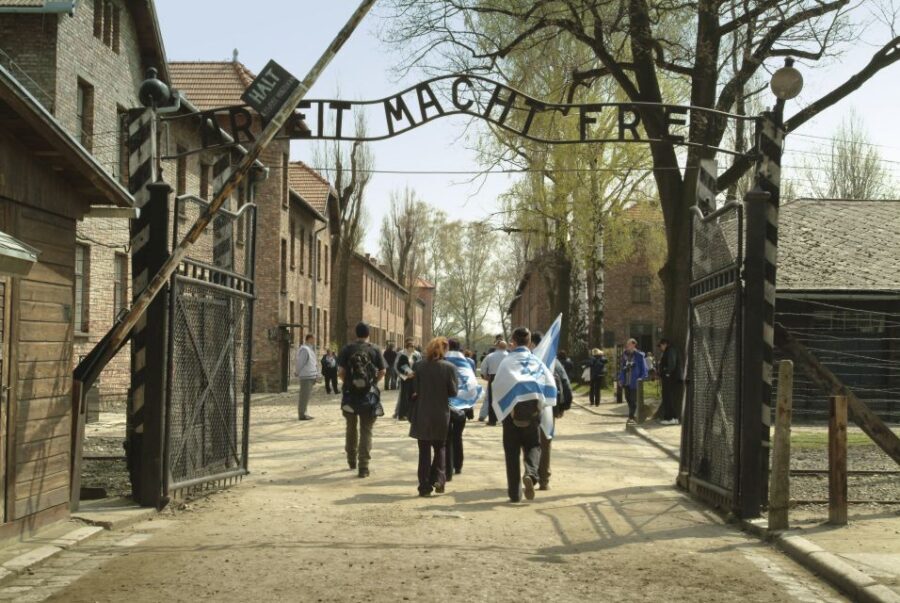
- Two-part Auschwitz visit in one day: Auschwitz I plus Auschwitz II-Birkenau, so you get the full camp picture rather than a single stop.
- A documentary after liberation context: Helps you frame what happened in 1945 as you walk the grounds.
- Real-world, practical guidance: You don’t just read plaques. The guide ties exhibits to individual stories.
- Birkenau’s scale hits hard: Watchtowers, fences, and barracks remain, so you understand how the system worked across the site.
- Skip-the-line entrance: Saves time when the museum is busy and you’re trying to stay on schedule.
- Bring snacks and keep your bag small: Food isn’t included, and museum bag rules can affect comfort fast.
Auschwitz in 7 Hours: What This Day Trip Really Covers
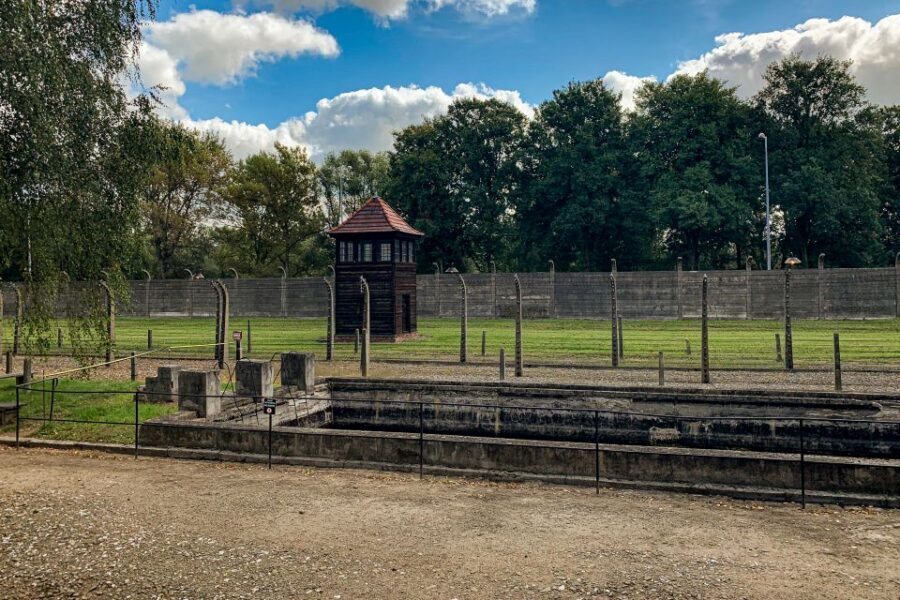
This is not a quick drive-by. It’s built as a structured, guided walkthrough of the Auschwitz-Birkenau Memorial and Museum across both camp sites. You’ll spend time at Auschwitz I (the earlier camp) and Auschwitz II-Birkenau (the extermination-centered site), with a film built into the experience to help you process what liberation looked like right afterward.
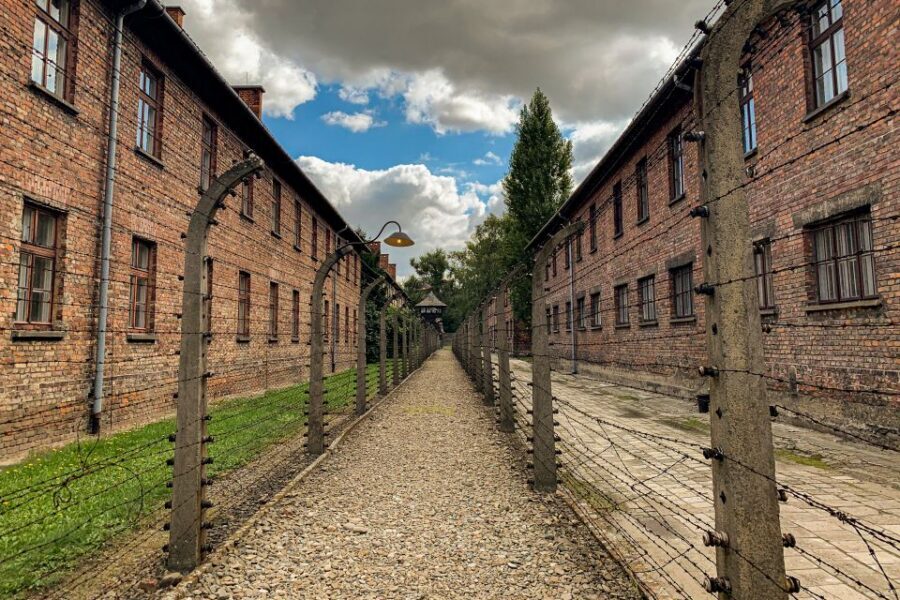
That “both parts” design matters. Auschwitz I shows the prison infrastructure and museum exhibitions in a way that feels close and immediate. Birkenau is different: the remains—watchtowers, fences, barracks, and gas chambers—force you to grasp the scale and the cold logic behind the system.
You can also read our reviews of more museum experiences in Krakow

Getting There From Krakow: Transport Comfort and the Real Walk Time
From Krakow, you travel by air-conditioned vehicle with a professional driver and live guide. The tour includes WiFi on board, which sounds minor until you realize how helpful it is for keeping your plans and tickets straight before you arrive.
The schedule window matters too. Departures from Krakow can happen between 6 AM and 3 PM, and the exact hours you book can be tentative. I’d treat this like an early-morning appointment: lock in your morning routine, keep your ID accessible, and don’t plan anything tight immediately before or after the tour.
Once you’re at the sites, walking dominates your day. One clear theme from the experiences people described is that it’s a lot of ground, often outdoors. Bring good shoes and dress for weather, because your comfort won’t improve when the tour gets quiet and focused.
Entering Auschwitz I: Dormitories, Exhibitions, and the System Close Up
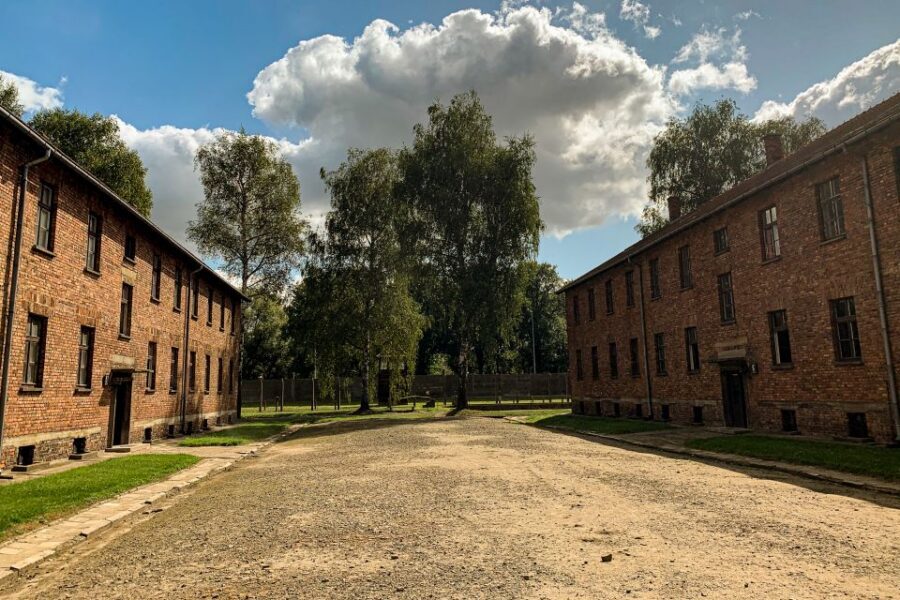
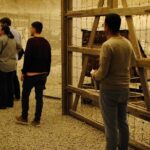
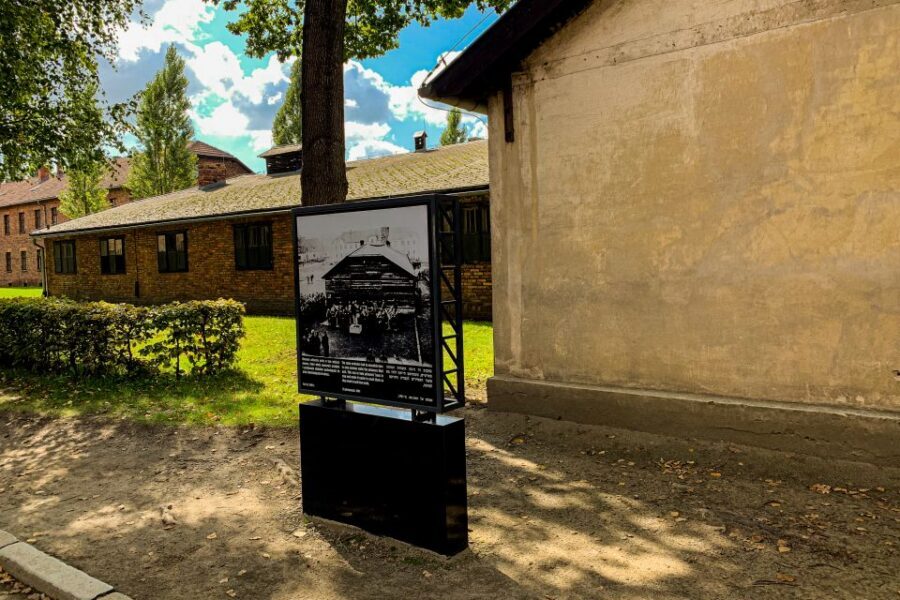
At Auschwitz I, you’re in the heart of the memorial’s museum area and prison structures. Expect to see prison dormitories, gas chambers, and exhibitions that lay out the history and mechanics of what was done there.
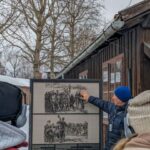
The way the tour is structured is important. You’re not meant to treat Auschwitz like a history lecture with photo stops every ten minutes. The guide’s job is to connect the artifacts to real human stories—names, roles, and fates—so the exhibits don’t feel like random displays. When the guiding is done well, it becomes easier to understand what you’re looking at rather than just feeling overwhelmed by it.
One reality check: Auschwitz I can feel busy. Some people noted the site felt crowded and that groups were close together in certain moments. If you’re sensitive to tight spacing, choose calmer times when you can, and remember you can still step back slightly and take a breath whenever you need to.
Birkenau (Auschwitz II): Watchtowers, Fences, Barracks, and Gas Chambers
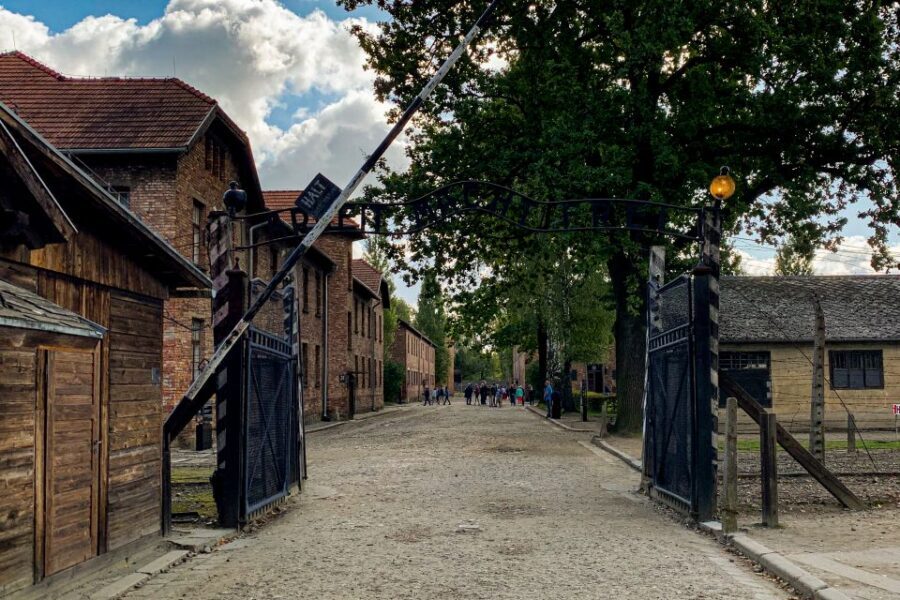
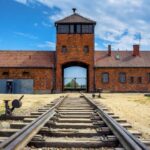
Birkenau is where the scale lands. The tour takes you to what remains of watchtowers, fences, barracks, and gas chambers. Even when structures are gone, the outlines of function are still visible—and that’s the point.
This is also where a guide’s pacing matters a lot. A good guide helps you translate the site’s geometry into meaning: how control worked, how movement was shaped, and what the extermination process depended on. Some of the most intense feelings come from recognizing that this was designed, maintained, and carried out as policy—not chaos.
If you’re expecting a smooth, quiet stroll, adjust your expectations. Birkenau’s remains sit in open areas, so you feel the weather and the distance. Plan for that physically. Mentally, plan for the fact that this portion of the day can be more emotionally taxing.
The Liberation Film Moment: Why It Changes How You Interpret the Grounds
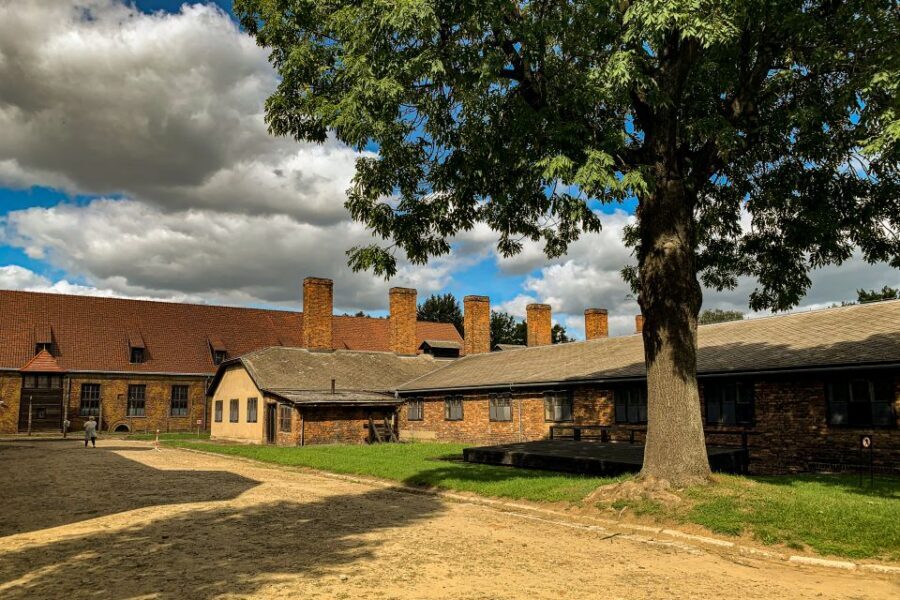
The tour includes a documentary film presenting the first moments after liberation in 1945. I think of this as a gear shift: it moves you from seeing structures and exhibits to seeing the aftermath—what people encountered when the camps were no longer controlled by the perpetrators.
That matters because otherwise your brain can get stuck in “before” and “during.” The film helps bridge into the human reality of what liberation looked like right away, which makes the memorial side of the visit harder to ignore—in a good, necessary way.
It also sets expectations for sensitivity. The tour’s framing is clear: this is a memorial space, not a sightseeing circuit. That tone usually shows up in how the guide handles questions, pacing, and the moments when you’re simply meant to look.


Skip-the-Line Entry and the Booking Rules That Affect Your Day
This tour is designed for efficient entry. You skip the line through a separate entrance, which helps you spend more time at the right places and less time waiting with everyone else.
But there’s a practical catch: you must provide your full name and contact details as part of the booking, and entrance can be refused if the name doesn’t match the ID you use. So do this like a pro: use the exact same spelling as on your passport or ID card, and bring the document you booked with.
Because the requirements are strict, plans can’t be treated like a flexible day out. This is one reason the tour can feel “tight” in how it runs. You’re following a structured route through sensitive spaces, and the museum rules shape what feels possible.
Price and Value: Is $81 Worth It for Auschwitz?
At $81 per person for a roughly 7-hour day, the value isn’t just “getting a bus out of Krakow.” You’re paying for several things that add up fast:
- Transportation by air-conditioned vehicle
- A professional driver to handle the long route
- A live guide to connect exhibits, prisoners’ stories, and the broader WWII context
- WiFi on board
- Skip-the-line entry through a separate entrance
The part people sometimes miss is that food and drink aren’t included, and you’ll want to eat during the built-in break. There’s a 15-minute break during the tour when you can eat a snack and drink. If you go unprepared, that gap can feel stressful. If you come prepared, the day runs more smoothly.
For me, the strongest value argument is the live guiding. Auschwitz is the kind of place where a good interpreter helps you process what you’re seeing. Without that, it can turn into a blur of signage and objects. With it, it becomes structured, respectful, and clearer.
The Guide Matters: Sylvie, Jacek, and Joanna as Proof of the Difference
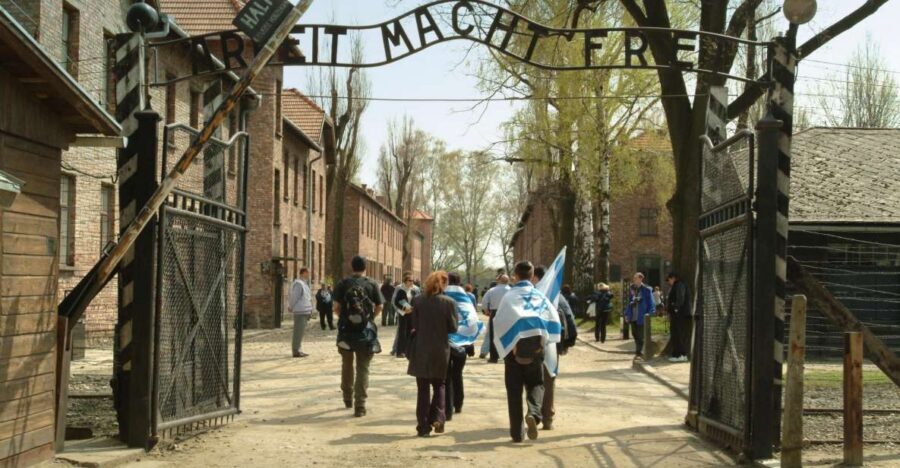
In experiences that stood out, the guide quality was the main factor behind a great day. Names that came up include Sylvie, Jacek, and Joanna—each recognized for clarity and thoughtful handling of sensitive topics.
One guide-driven strength you should expect: the tour doesn’t just describe events. It explains what you’re looking at while staying aware of how emotionally loaded the site is. Several accounts highlighted guides making sure the group understood sensitive issues and stayed on track without feeling rushed.
Another small practical detail: some guides provided extra context during travel time. In at least one described case, the guide shared thoughts en route and helped with post-tour support when the return was late. That doesn’t mean every day will match that exact scenario, but it does show how much the operator relies on the guide to keep the experience coherent.
If you’re the type who asks questions, you’ll likely appreciate a guide who can answer carefully. If you’re quiet and introspective, you’ll also benefit from pacing that gives you room to absorb.
Rules and Packing: What Can Trip You Up
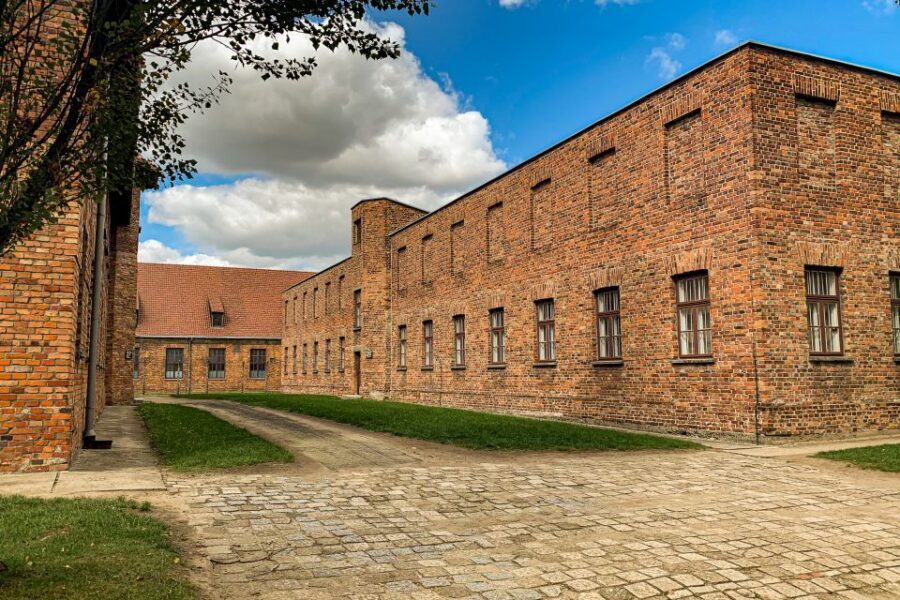
This tour has museum rules that are easy to ignore—until they stop you. Here are the biggest ones that affect comfort and timing:
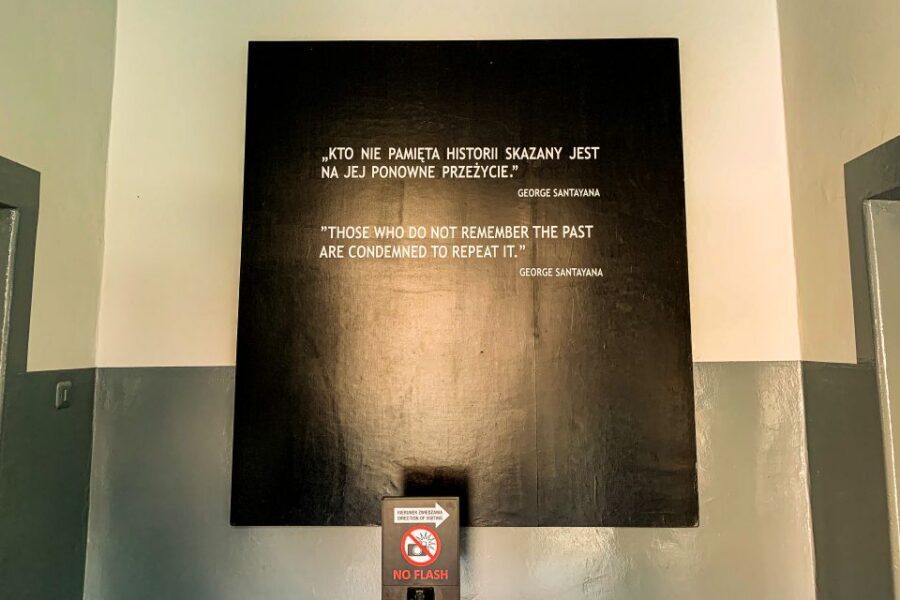
Flash photography is forbidden in the buildings. Photos are allowed only in selected parts of the museum. So set your expectations now: you’re not taking casual snapshots inside.
There’s also a bag-size limit. The maximum size of backpacks or handbags brought into the museum can’t exceed 30 x 20 x 10 cm. Larger bags must be left on the bus. This is one of the most practical “plan ahead” items because it changes what you carry, where you stash water and snacks, and how free you feel moving through spaces.
Food and drink aren’t included. The built-in 15-minute break is when you can eat a snack and drink. Bring snacks and a reusable water bottle. Do not assume you’ll have time to buy anything at the last second.
And dress smart. Outdoor time means weather gets a vote. One person specifically praised bringing a jacket for that reason.
How Sensitive Pacing Works (and When It Feels Tight)
A big part of Auschwitz visiting is emotional pacing. A well-run tour helps you move through the story without turning it into a sprint. Several experiences described guides as thoughtful and not rushing people.
Still, you should know the sites can feel tight. People noted that Auschwitz I can feel busy and that groups can be near each other for comfort. Another account mentioned it felt a bit tight for stopping frequently for photos. Translation: if you need lots of time for personal reflection, plan to do it within the walking rhythm the tour sets.
A good approach is to mentally split the day into phases: look, listen, then pause. Don’t fight the tour pace. Use it as structure so your attention doesn’t scatter.
Who This Tour Fits Best
This day trip is built for adults and older teens. It’s not suitable for children under 15, and it isn’t listed as appropriate for wheelchair users.
It’s a strong fit if you:
- Want guided historical context and the memorial framing
- Prefer a structured route covering both Auschwitz I and Birkenau
- Are okay with a physically active day and emotional heaviness
- Appreciate careful handling of sensitive topics
If you’re looking for a light, casual Krakow excursion, this is not that. But if you want meaning, clarity, and a guided path through a crucial part of WWII and Holocaust history, it’s exactly the kind of tour that makes sense.
Should You Book This Auschwitz-Birkenau Day Trip?
I’d book it if you want a guided, respectful route with live interpretation, transport handled for you, and the efficiency of skip-the-line entry. The $81 price becomes more convincing when you factor in the driver, the guide, the two camp sites, and the structured documentary component—especially since you’re not paying extra for the experience to work like a group day trip.
I’d think twice if you:
- Struggle with long walking and outdoor time
- Need lots of space and quiet (some areas can feel crowded)
- Want to spend lots of time taking photos inside buildings (flash is banned; photo spots are limited)
- Are likely to forget packing for the rules (bag size, snacks, ID match)
If you do book, come prepared: ID ready, small bag within 30 x 20 x 10 cm, and snacks in your daypack. Then let the guide’s pacing help you stay grounded. This isn’t a place to rush. It’s a place to understand.
FAQ
How long is the Auschwitz-Birkenau tour from Krakow?
The tour duration is listed as 7 hours. Starting times vary by availability.
Is food included in the price?
No. Food and drink are not included, but there is a 15-minute break during the tour where you can eat a snack and drink.
Can I take photos with flash?
Flash photography is forbidden in the buildings. You’re allowed to take photos only in selected parts of the museum.
What bag size can I bring into the museum?
The maximum size for backpacks or handbags brought into the museum cannot exceed 30 x 20 x 10 cm. Larger bags must be left on the bus.
What ID do I need to enter?
Bring a passport or ID card. The name provided on your booking must match the name on your ID.
Is hotel pickup available from Krakow?
Pickup is optional. If you want it, contact the tour operator no later than 24 hours before your tour.
Is the tour refundable if I change my mind?
No. The activity is non-refundable.
Is the tour suitable for kids or wheelchair users?
No. It’s not suitable for children under 15, and wheelchair users are not listed as suitable.