REVIEW · WROCLAW
Cathedral & Old Town
Book on GetYourGuide →Operated by Poznań Guide · Bookable on GetYourGuide
Cathedral Island pulls you in fast. Poznań’s oldest ground still tells stories, from early settlers to the first Polish monarchs, in a tight 2-hour loop. I especially like the focus on Cathedral Island and the chance to see the Golden Chapel where the earliest Polish rulers are buried. One thing to consider: this is a short tour, so if you want lots of time for wandering on your own, you’ll likely wish it ran a bit longer.
What makes it work is the way the guide ties art, power, and place together. You’ll move through St. Peter and St. Paul Cathedral and see how Romanesque, Gothic, Renaissance, Baroque, and Classicism show up in one building. You also get a professional guide in English or Polish, which helps a lot when you’re trying to connect the big political timeline to what you’re actually standing in front of.
The main drawback is simple: at $54 per person for a 2-hour private visit, you’re paying for a guided overview plus entry tickets, not for extra hours of slow museum time. If you’re the type who loves to sit in churches for an hour at a time, consider pairing this with self-guided time afterward.
In This Review
- Key highlights worth marking on your map
- Cathedral Island: Poznań’s oldest ground, in walking order
- Inside St. Peter and St. Paul Cathedral: Romanesque to Classicism, in one stop
- Golden Chapel: the burial site that anchors the monarchy story
- Old Warta Riverbed stroll: a short break that makes the city feel real
- Old Market Square: townhouses, civic life, and the city’s showpiece
- Royal Castle: regal memory linked to conflict
- Paid admission, private guide, and why the price can make sense
- What the guide style adds (and why English helps)
- Practical matters before you go
- Who should book this Cathedral & Old Town walk
- Should you book Cathedral & Old Town?
- FAQ
- How long is the Cathedral & Old Town tour?
- Where does the tour start?
- What major sights are included?
- Are admission tickets included?
- What languages is the live guide available in?
- Is this tour private, and is it wheelchair accessible?
- Can I arrange a transfer from my hotel?
Key highlights worth marking on your map
- Cathedral Island first: start at Poznań’s oldest part, set up for the whole story.
- Golden Chapel access: see where the first Polish monarchs are buried.
- Architecture in layers: Romanesque to Gothic to Baroque to Classicism, in one circuit.
- Old Warta Riverbed stroll: a short walk that switches you from stone to park-like calm.
- Old Market Square + Royal Castle: the city’s civic center and royal memory, connected by foot.
Cathedral Island: Poznań’s oldest ground, in walking order
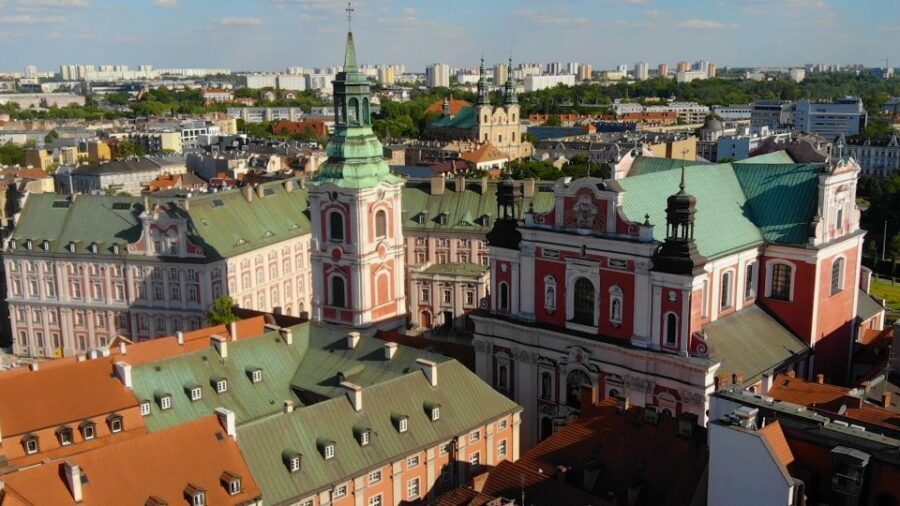
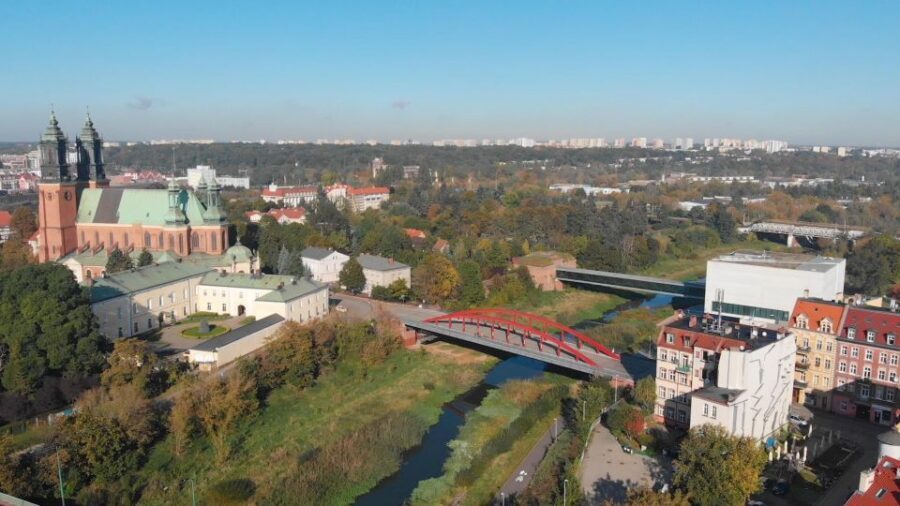
Most Poznań highlights live in plain sight, but this tour starts with the kind of place you can’t really ignore. You begin on Cathedral Island, the oldest part of town, which matters because you’re not just looking at monuments—you’re walking through the logic of where power took root. Early Polish statehood is often described as forming in the 10th century, yet human presence here goes back longer than that. You’ll hear the big-picture story of early inhabitants of the Greater Poland region, including Stone Age communities and what happened to them over time.
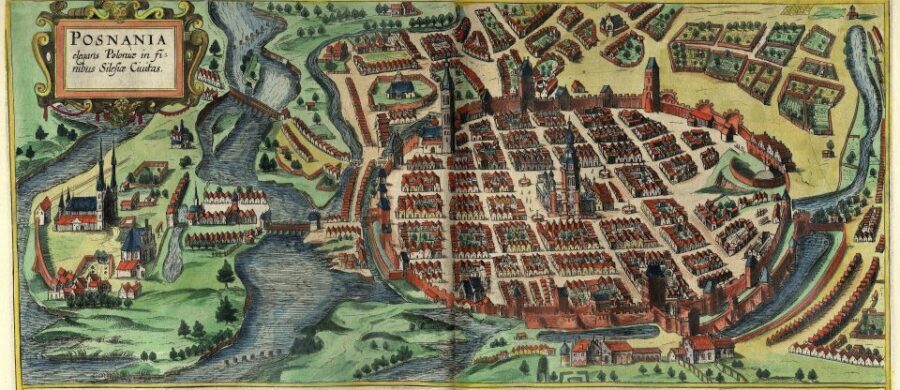
Then the guide brings it down to the real-world reasons this spot became a stronghold in the early Middle Ages. The key idea is topography: rivers, routes, and defensible geography. You’ll also get a sense of how location shaped movement and control—why people settled here and why later leaders kept returning. This is one of the moments where a guided route pays off, because the island looks like a landmark today, but it used to be a strategic platform.
Even if you’re only in Poznań for a day or two, this opening gives you bearings fast. You get the “where” and “why” early, so later stops feel like chapters, not disconnected stops.
You can also read our reviews of more tours and experiences in Wroclaw.



Inside St. Peter and St. Paul Cathedral: Romanesque to Classicism, in one stop
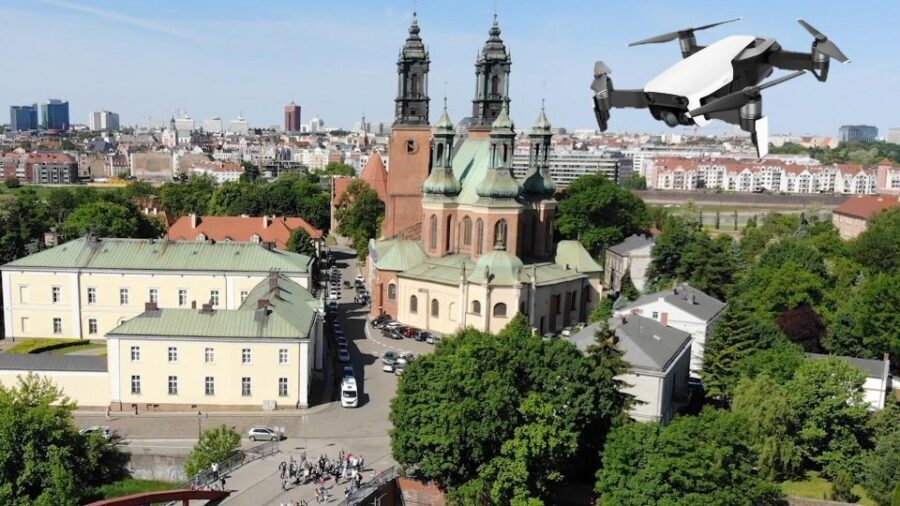
The star of the island is St. Peter and St. Paul Cathedral. From the outside it’s impressive, but the real payoff is when you get inside and see how many design eras overlap. The cathedral holds art and architecture spanning Romanesque and Gothic, with later layers reaching into Renaissance, Baroque, and Classicism. That range is more than decoration—it’s a timeline you can walk through.
Here’s what I like about this approach: you’re not asked to memorize styles. Instead, the guide points out the visible changes and connects them to the eras that made them happen. In other words, the building becomes an explanation. You see how tastes, religious life, and political identity shifted over centuries, all without leaving the room.
There’s also a practical benefit. Cathedral visits can be overwhelming if you don’t know where to look. With a guide, you get a clear “start here, notice this, then compare that” rhythm. It turns “I’m inside a big church” into “I understand what I’m seeing.”
Golden Chapel: the burial site that anchors the monarchy story
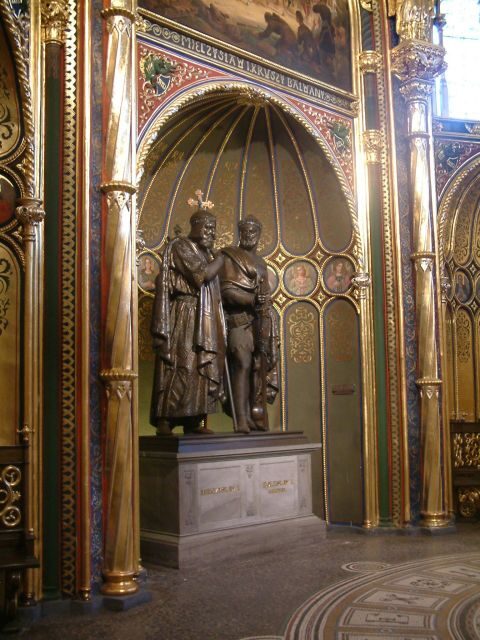
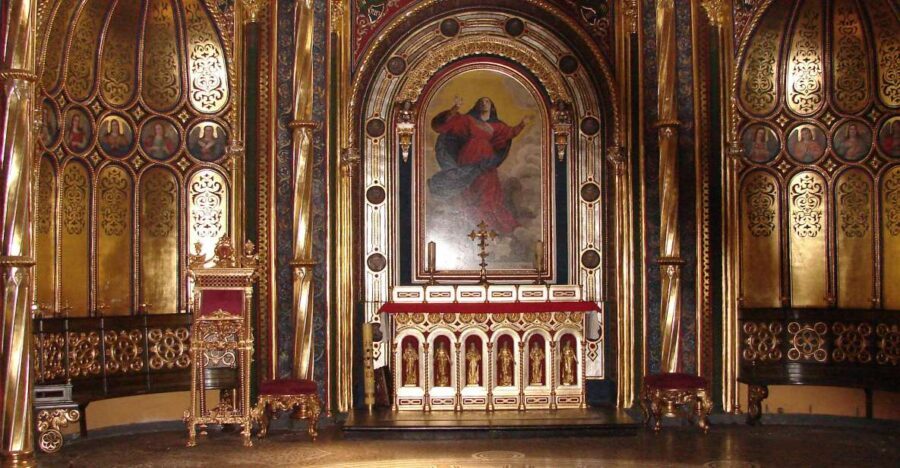
If you remember only one interior stop, make it the Golden Chapel. This is where you go to connect the political story to something concrete: it’s the burial place of the first Polish monarchs. That one detail changes the feel of the visit. You’re not just admiring ornament; you’re standing at the point where early rulers are physically remembered.
The value here is emotional as well as historical. Even if you don’t have a deep background in Polish medieval history, the guide can frame the chapel as the symbolic center of early monarchy. It’s a place that forces the story to become specific: who mattered, how the state wanted to be seen, and how burial practices carried power forward.
The chapel also helps you understand why the cathedral complex is more than a church. It functions like a public memory engine—religion, legitimacy, and identity all in one.
Old Warta Riverbed stroll: a short break that makes the city feel real
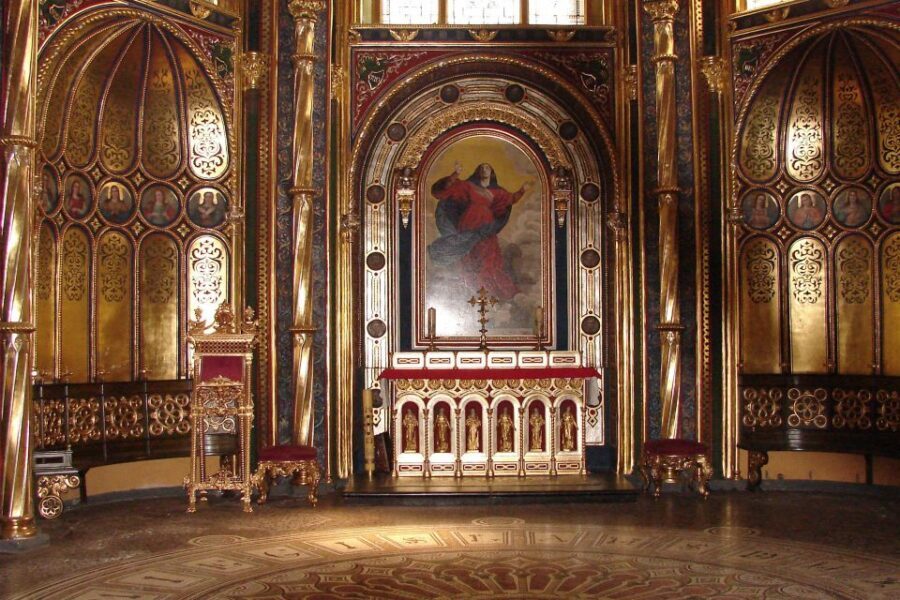
After the intensity of cathedral interiors, the route shifts to something gentler: a walk through the Old Warta Riverbed. The walk itself is short, but it adds a park-like breathing space to your day. This is the kind of stop that makes the tour feel less like a checklist and more like a city experience.
You’ll get views and textures that are harder to capture when you’re only focused on major monuments. It’s a reminder that historical places don’t exist in a vacuum. They sit in an evolving city, shaped by water, movement, and later landscaping choices.
If you’re prone to museum fatigue, this is a smart moment to reset. The guide keeps the narrative moving, but you also get a change of pace.
Old Market Square: townhouses, civic life, and the city’s showpiece
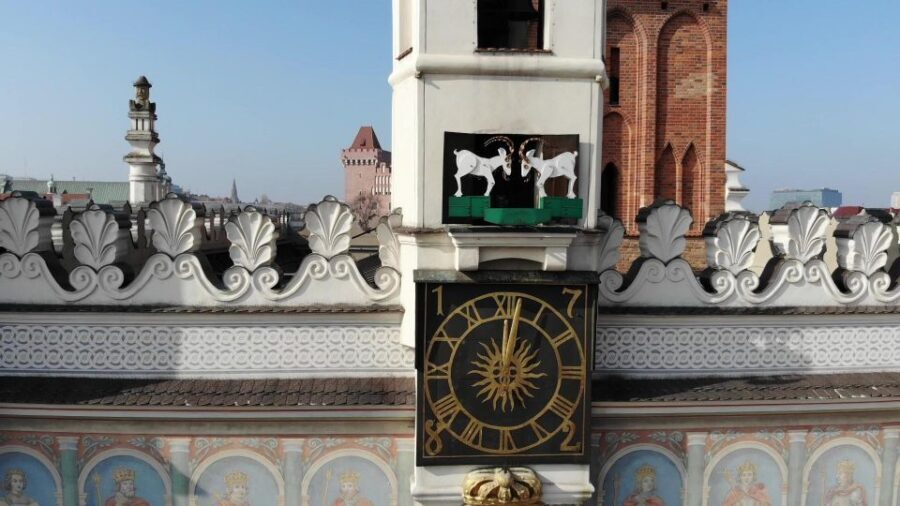
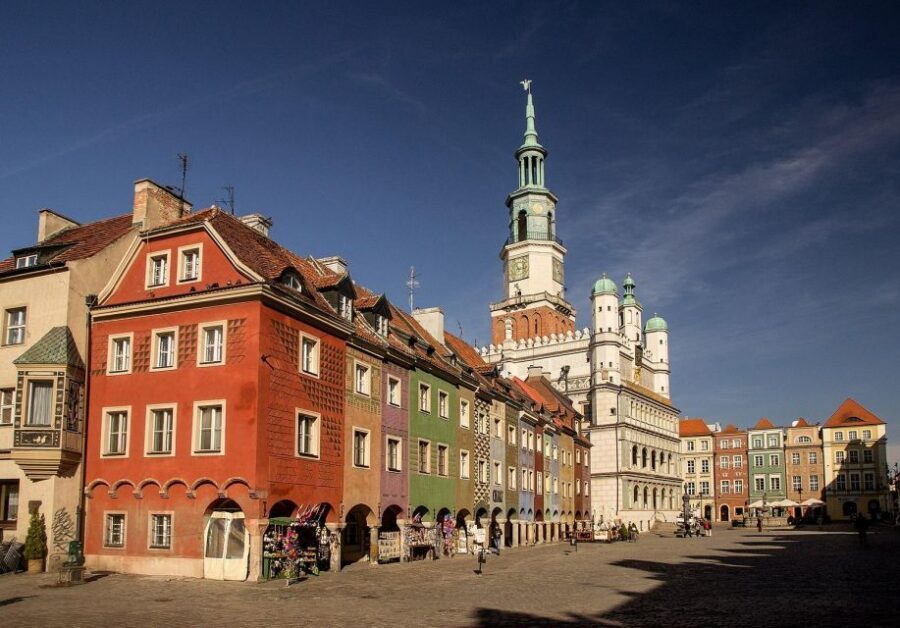
Next comes Poznań’s Old Market Square, where the vibe turns outward. The square is surrounded by colorful, charming townhouses, and it has that lively atmosphere you want when you’re exploring on foot. The guide uses the setting to connect civic life to the earlier story of power.
This is where you’ll start noticing how often great cities build their public identity around a central square. Churches and castles are the big visible signals of authority, but marketplaces and squares are where daily life and political symbolism meet. You’ll also likely hear how the square’s evolution mirrors changes in the city’s fortunes.
I like that this stop isn’t treated as a quick photo moment. With a guide, you get pointers for what to look at in the architecture around the square and how the area fits into the broader Old Town picture.



Royal Castle: regal memory linked to conflict
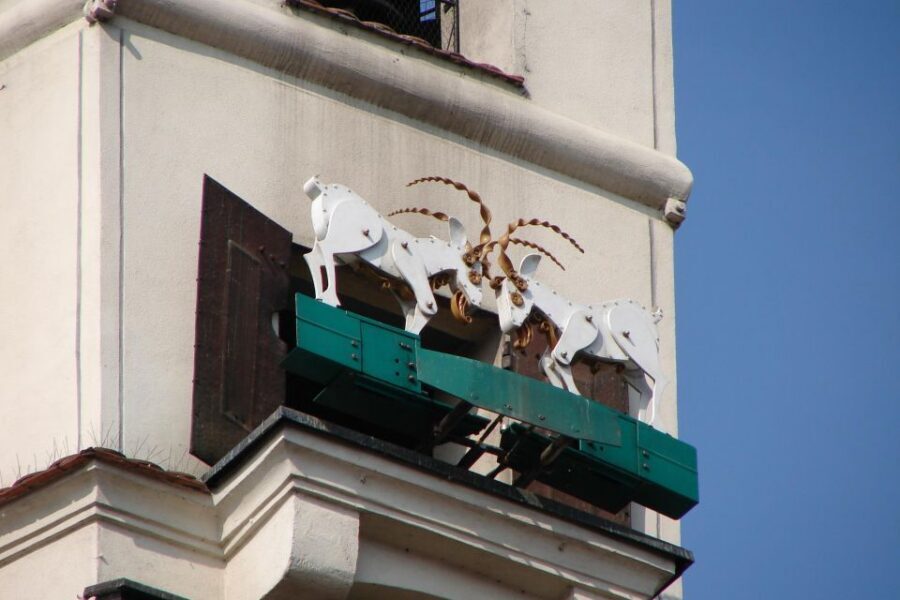
The final main “big name” stop is the Royal Castle. It’s described as a symbol of forgotten battles and regal history, and that phrase matters. Castles can feel like pure romance from postcards, but the guide helps you see them as political machinery—sites where rulers projected authority and where conflicts shaped outcomes.
Even without going super deep into specific battle details, you’ll get the sense that this castle represents more than a single event. It stands as a shorthand for the way Poznań and Poland remembered themselves through architecture and state power.
This stop is a good capstone after the cathedral and chapel. You get the religious legitimacy inside, and you end with royal memory connected to conflict and leadership outside.
Paid admission, private guide, and why the price can make sense
Let’s talk value, because $54 per person for a 2-hour private experience is only a good deal if it includes the things you’d otherwise pay for.
In this case, tickets are included: cathedral and museum admission. That matters because it removes the two most common friction points on city tours—waiting around for entry and then paying extra once you’re already committed. The tour also gives you the paid time of a live guide, which is the part that makes the history “stick” instead of turning into random facts.
A private group can feel expensive at first glance, but for a short 2-hour route, it’s often efficient. You’re not stuck in a long line of people shuffling past the same stops. You get a tighter flow and more room to ask questions (and the guide is actively engaged, based on past experiences).
One note for decision-making: this is not a slow, full-day deep museum program. If you want extra time to read every plaque and linger, you’ll need follow-on self-guided wandering after the tour ends.
What the guide style adds (and why English helps)
A key reason this tour earns high marks is the way the guide communicates. The approach isn’t just reciting dates. Guides often answer questions in a way that keeps the story connected to what you can see in front of you.
One name that shows up in strong accounts is Mateusz Michałek. When he’s the guide, people highlight how friendly and upbeat the explanations can feel, how he handles questions well, and how clearly his English comes across. There’s also mention of an extra drone-related bonus: 1-on-1 drone training and shared aerial videos in one case. That’s not guaranteed based on the basic description, but it’s a good example of how this tour can sometimes go beyond the standard script.
If you prefer learning that’s interactive—where you don’t feel guilty asking what something means—this tour fits that style.
Practical matters before you go
This experience is offered as a private group, with live guiding in English and Polish. It’s also listed as wheelchair accessible, which is a big plus for a tour that includes cathedral interiors and walking sections.
The meeting point can vary depending on the option you book, so you’ll want to check your confirmation details carefully before you head out. If you’d rather not navigate the city right away, optional transfers can be arranged from your hotel to Cathedral Island or Old Town.
As for age fit: it’s not suitable for children under 3, and it also isn’t aimed at people over 95.
Who should book this Cathedral & Old Town walk
This is a great choice if you:
- Want a tight 2-hour loop that hits major Poznań landmarks on foot.
- Care about understanding what you see, not just photographing it.
- Like architectural variety, especially the shift from Romanesque to Gothic and later styles.
- Want the monarchy story anchored in a real burial site, not just a general lecture.
You might skip it (or add time elsewhere) if you:
- Want a long, slow church-and-museum day.
- Prefer fully self-guided wandering with no structured route.
Should you book Cathedral & Old Town?
Yes—if you want a smart, guided overview of Poznań’s most important historic cluster, this tour is a solid match. Starting on Cathedral Island gives you immediate context, the Golden Chapel is a meaningful anchor for early Polish monarchy, and the walk to Old Warta plus Old Market Square and the Royal Castle keeps the story grounded in real city spaces. At $54 with admission included, it’s also priced like you’re paying for the key entry points and not just a generic stroll.
If you’re the kind of visitor who likes to understand a place in two hours—then keep exploring on your own afterward—this one is an easy yes.
FAQ
How long is the Cathedral & Old Town tour?
The tour lasts 2 hours.
Where does the tour start?
It begins on Cathedral Island, the oldest part of Poznań.
What major sights are included?
You’ll visit the St. Peter and St. Paul Cathedral, the Golden Chapel, and also explore the Old Warta Riverbed, Old Market Square, and the Royal Castle.
Are admission tickets included?
Yes. Cathedral and museum tickets are included.
What languages is the live guide available in?
The tour guide is available in English and Polish.
Is this tour private, and is it wheelchair accessible?
Yes, it’s a private group. It is also listed as wheelchair accessible.
Can I arrange a transfer from my hotel?
You can optionally arrange a transfer from your hotel to Cathedral Island or Old Town.