REVIEW · WARSAW
A unique walking tour of Jewish Warsaw — past and present
Book on GetYourGuide →Operated by Warsaw UnDiscovered · Bookable on GetYourGuide
A short walk can hold a century of pain. This Jewish Warsaw route moves through surviving landmarks and memorial spaces, ending where deportations to Treblinka began. You’ll see how the city’s Jewish life was built over centuries, then shattered in WWII, and how the community is quietly returning today.
I especially loved two things: the chance to stand at the Nożyk Synagogue, the only Warsaw synagogue that survived the war and is still open. And the storytelling from the guide, who on recent departures has been Oliwia, combining clear historical context with humor and strong pacing so the details never feel like a lecture.
One consideration: it covers about 4.5–5 km on foot in roughly 3 hours, so if long walking is an issue, this one may feel like a grind rather than a meaningful experience.
In This Review
- Key highlights you will actually remember
- Where the walk starts: Sienna 53 and the white-green umbrella
- Nożyk Synagogue: the one you can still enter
- Hala Mirowska: everyday Warsaw, right before the rupture
- Muranów: the district where the ghetto became real
- Ringelblum Archive memorial: history built from hidden words
- POLIN Museum stop: what you need to know before you enter
- Miła 18: connecting people, places, and the ghetto story
- Finish at Pomnik Umschlagplatz: where transports began
- The guide makes or breaks it: why Oliwia’s style lands
- Price and value: $32 for a 3-hour, site-to-site story
- Who this tour fits best
- Quick planning tips before you go
- Should you book this Jewish Warsaw walking tour?
- FAQ
- How long is the walking tour?
- What distance will I walk?
- Where do I meet the guide?
- Is the tour in English?
- How big is the group?
- Is the tour wheelchair accessible?
- Are tickets to the Nożyk Synagogue included?
- Are tickets to the POLIN Museum included?
- Which major sites will the tour include?
- Is it suitable for people who have trouble walking?
- What’s the cancellation policy?
Key highlights you will actually remember
- Nożyk Synagogue: the surviving synagogue you can still visit today
- A remaining piece of the ghetto wall: a rare, tangible fragment of the barrier system
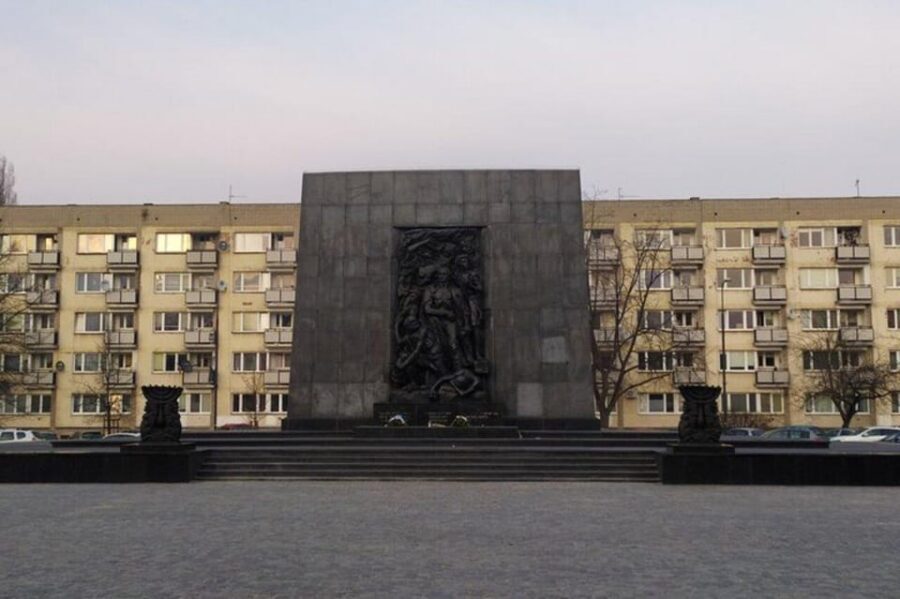
- Umschlagplatz context: the location tied to the transport of 300,000 Jews to Treblinka
- Ringelblum Archive memorial area: a place that brings the hidden story of the Warsaw underground into focus
- Monuments to the ghetto uprising and resistance: reminders of heroic struggle, not just tragedy
- Small-group pacing (up to 10): enough room for questions while staying on schedule
Where the walk starts: Sienna 53 and the white-green umbrella
You meet at Sienna 53, in front of Baguette Mi. The simplest trick: look for a guide holding a white and green umbrella. That small detail matters because this tour is designed to start moving right away, with no waiting around while people figure out the group.
The tour is live, in English, and it runs about 3 hours. The walking distance is roughly 4.5–5 km, spread across a city route that mixes streets, short stops, and short guided segments. This is one of those walks where you’ll want comfortable shoes, and a quick water sip between stops helps you stay mentally present.
You also get an info pack in advance. It includes a FAQ, useful links, and visual aids. I like this setup because it reduces that awkward feeling of not knowing the basic geography or the key people before you arrive.
You can also read our reviews of more walking tours in Warsaw



Nożyk Synagogue: the one you can still enter
The tour’s first major stop is Nożyk Synagogue, with a guided visit of about 15 minutes. This matters more than it sounds. Most WWII-related sites are memorial spaces built after the fact. Here, you’re looking at a building that survived the war and remains standing in Warsaw.
Expect your guide to connect the synagogue to Jewish life before the catastrophe—what a synagogue meant beyond being a church-like building, and how religious community life shaped neighborhoods. You’ll also get help understanding why a surviving place can feel almost unreal the first time you see it. It’s not only architecture. It’s evidence that the past wasn’t wiped clean in one instant; the city’s pre-war presence was still there until the violence arrived.
Practical note: the guided tour is included, but the entry fee is not. If you want to reduce friction, check the synagogue hours and plan to have your ticket ready when the group arrives.
Hala Mirowska: everyday Warsaw, right before the rupture
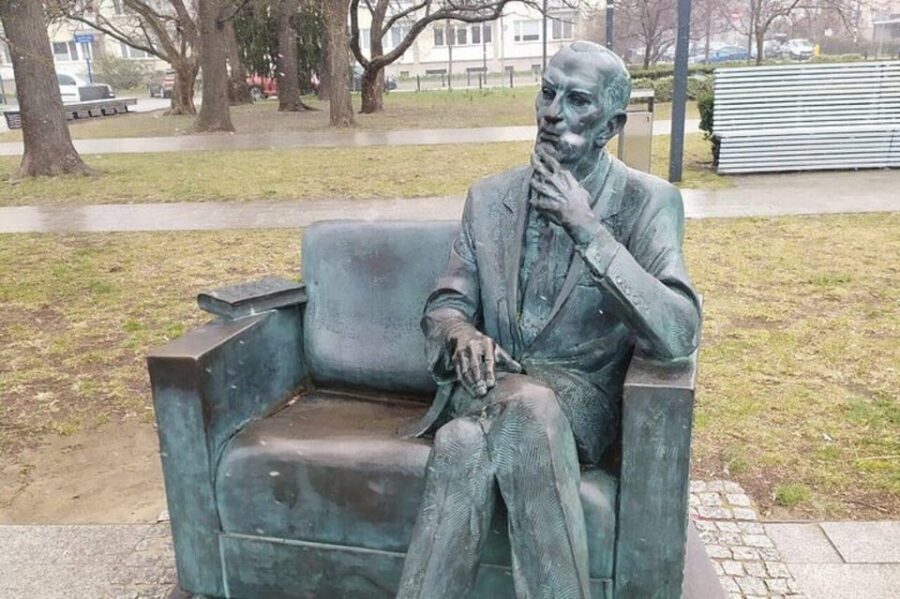
Next comes Hala Mirowska, guided for about 10 minutes. This is a smart move in the itinerary because it helps you picture Jewish Warsaw as a living city, not only a WWII storyline.
Market halls and daily-life spaces are where communities gathered for food, work, and conversation. When your guide frames it this way, the later ghetto history hits harder. You see the logic of why people tried to keep life going as long as they could.
The stop is short, so don’t treat it like a long sightseeing detour. Instead, use it as a mental transition: from synagogue life and religious identity to the daily rhythms that made a big city feel normal.
Muranów: the district where the ghetto became real
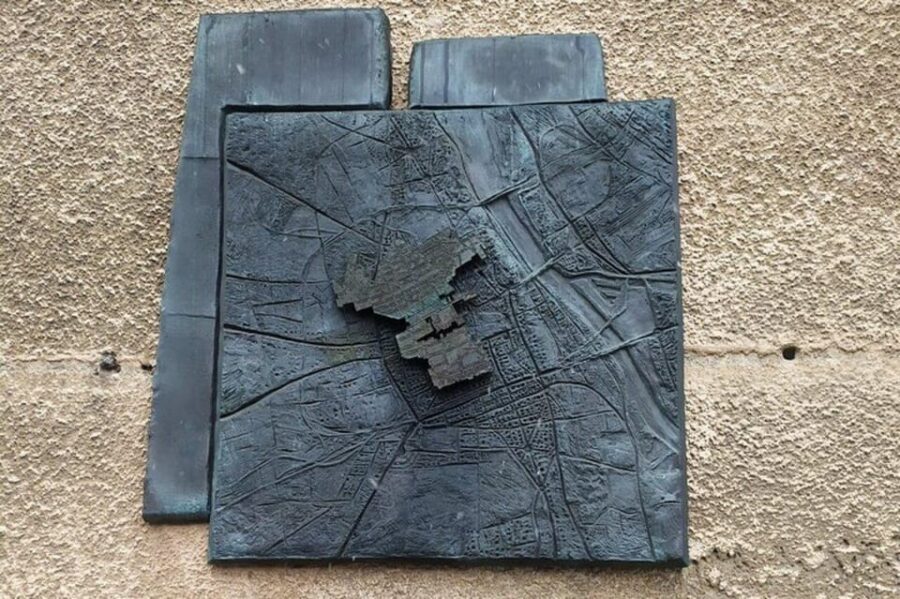
You’ll spend about 30 minutes in Muranów, one of the most important areas for understanding Jewish Warsaw under Nazi rule. This is also where the tour earns its name, past and present. The district still carries a visible layer of remembrance through street layout, memorials, and the sheer density of references to the ghetto.
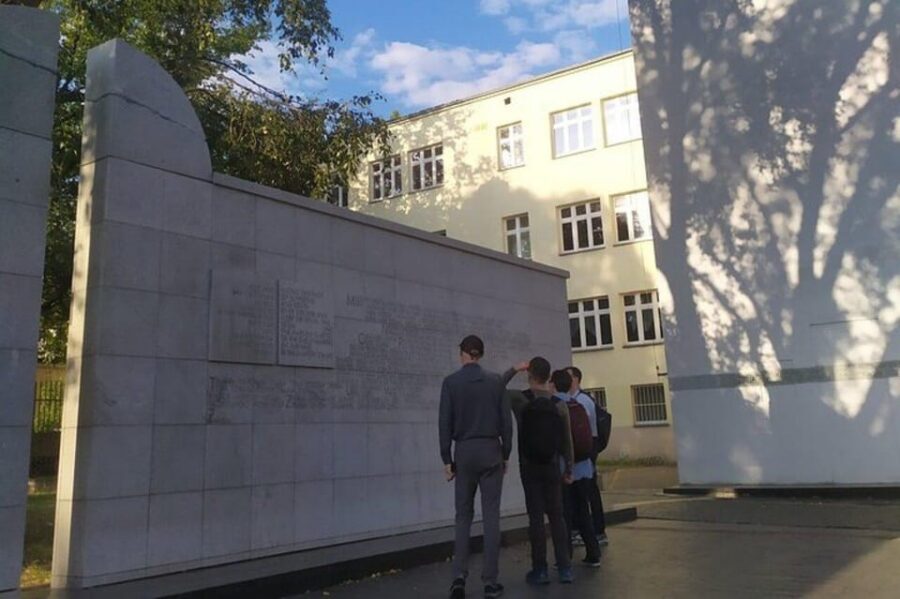
One of the highlights here is seeing one of the few remaining parts of the ghetto wall. That kind of physical remnant changes your scale. On paper, the ghetto is a boundary line. Standing near what’s left, you understand it as infrastructure—something built, enforced, and used to control movement.
Your guide will also link the neighborhood to the wider story of confinement and persecution: how the ghetto formed, how life was squeezed into smaller spaces, and how people resisted even when the outcome was brutally uncertain.
Ringelblum Archive memorial: history built from hidden words
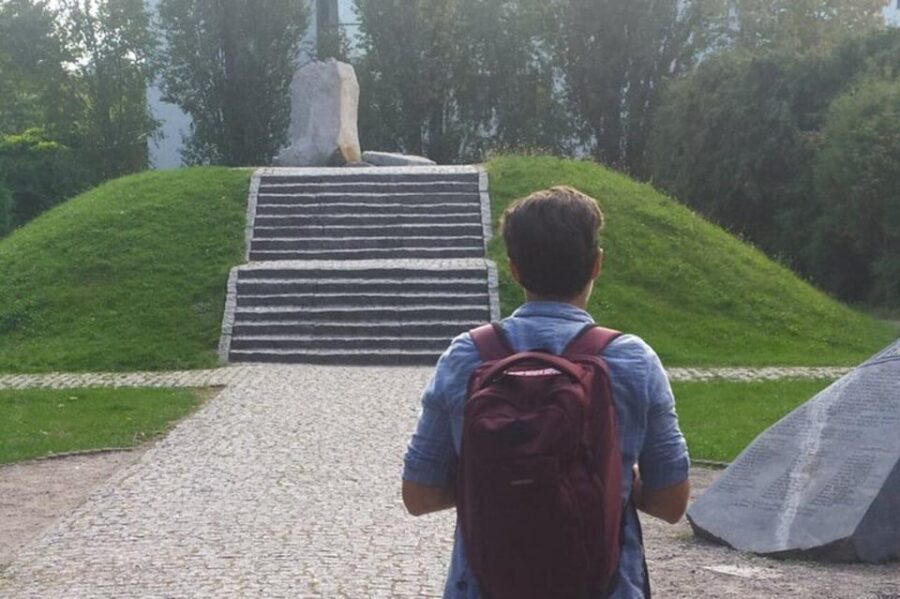
The stop at the Upamiętnienie Archiwum Ringelbluma takes about 10 minutes. Ringelblum’s archive is one of those WWII stories that feels both heartbreaking and strangely hopeful. Even when Jewish life was under siege, people tried to preserve truth for the future.
I like this stop because it doesn’t focus only on what was destroyed. It highlights what was saved: records, notes, accounts, and material meant to outlast propaganda. If your guide explains the context clearly, you end up thinking of survival as more than physical escape. It includes information, memory, and the act of making sure the story would not be stolen.
This stop also helps you understand how you’re seeing the past today. In Warsaw, many of these memorial layers were created over time, and your guide connects those layers so the city doesn’t feel like a random collection of plaques.





POLIN Museum stop: what you need to know before you enter
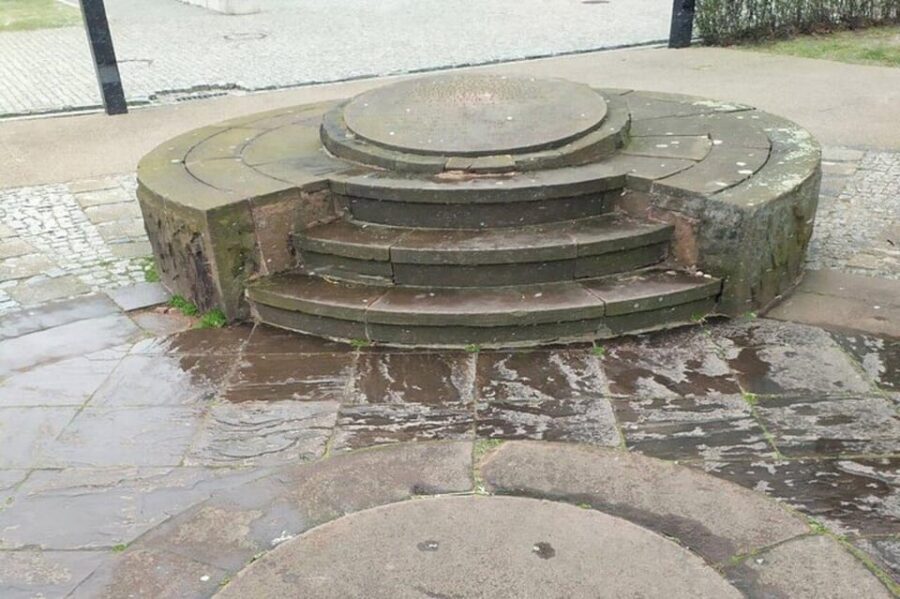
You’ll visit POLIN Museum of the History of Polish Jews for about 10 minutes on this walking tour. The key practical point: the entry fee is not included, so you’ll be deciding whether you want to pay for the full museum experience separately.
This museum stop is best thought of as a framing moment. With only a short guided visit here, you’re not supposed to absorb everything in one go. Instead, it gives you a bridge between street-level history and the broader narrative of Jewish life in Poland across centuries.
If you’re already a museum person, this is a good trigger to plan a return visit after the walk. If you’re not, don’t worry about feeling like you missed content. Use the guided orientation to decide what you want to explore at a deeper pace later.
Miła 18: connecting people, places, and the ghetto story
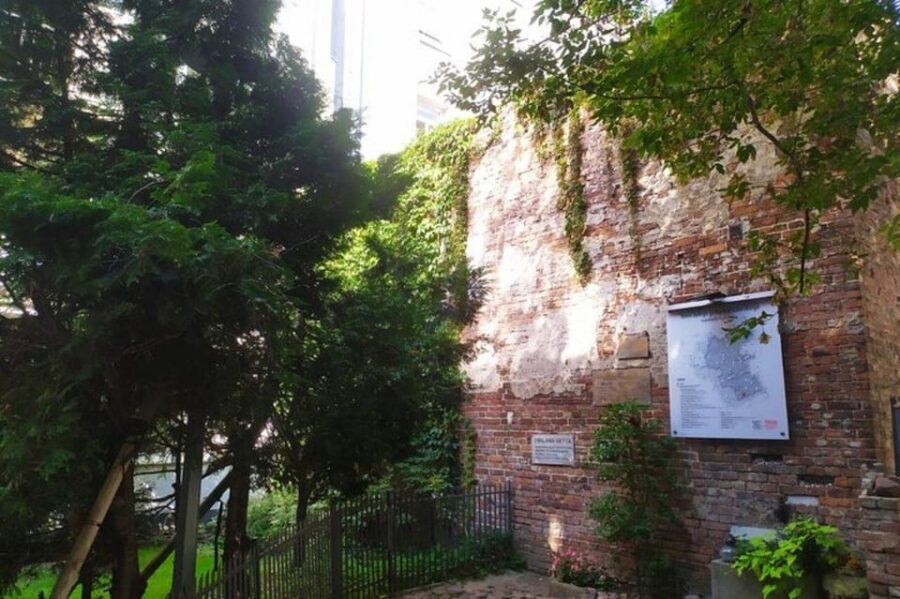
The route continues to Miła 18 for about 10 minutes. Stops like this are where your guide’s explanation matters most, because the building itself becomes a timeline. The address anchors the narrative in something you can point to: a specific place that played a role in the ghetto system.
Expect your guide to connect Miła 18 to the broader ghetto experience—how confinement reshaped daily life and how the Jewish community responded with both struggle and resilience. The tone here tends to get heavier, and that’s normal. The tour is designed to move from surviving structures into the reality of what those structures represented in practice during occupation.
Again, the stop is short, so bring your attention. A guided moment here can make a later memorial in Warsaw feel less abstract.
Finish at Pomnik Umschlagplatz: where transports began
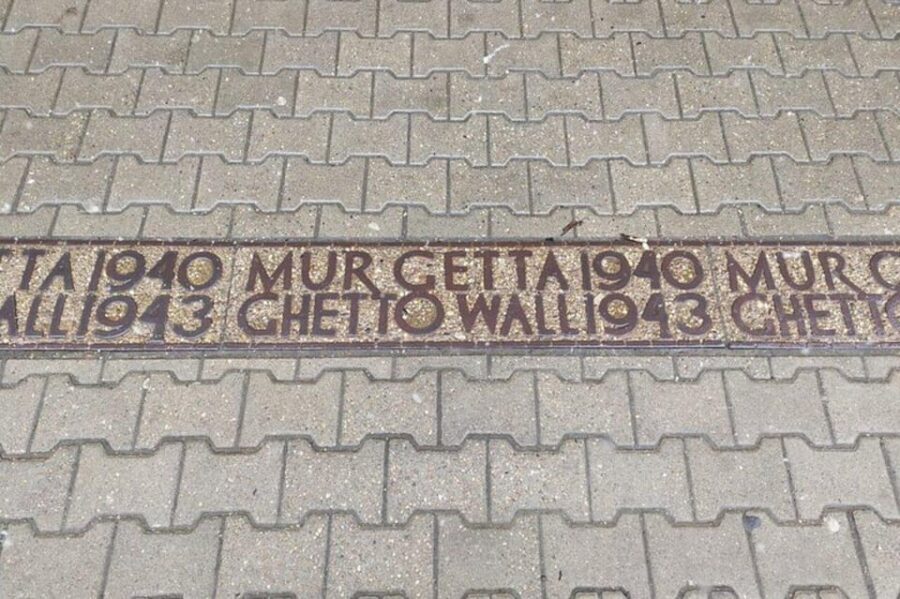
The tour ends at Pomnik Umschlagplatz, the place tied to the transport of 300,000 Jews to Treblinka. This is the emotional center of the walk, and it’s also where your guide’s job gets hardest: explaining what happened without reducing people to numbers.
This is where the tour’s themes converge. You’ll connect the ghetto wall remnants, the uprising context, and the archive memory with the reality of deportation. The guide may also touch on why the Jewish Uprising in 1943 happened even when defeat was almost certain. The point isn’t to make the decision look simple; it’s to show how resistance is about dignity, not only strategy.
Plan to spend a few quiet seconds at the monument area before you move on. You’ll feel the space in a different way once your brain stops looking for the next landmark and starts absorbing the meaning of the final stop.
The guide makes or breaks it: why Oliwia’s style lands
A huge reason this tour is so highly rated is the way the guide handles tone and pacing. On recent departures, the guide has been Oliwia, and the pattern in the feedback is consistent: sharp historical grounding, humor that doesn’t erase the darkness, and explanations that stay clear even when facts get brutal.
That style matters because the subject can easily become overwhelming. What you want is a guide who can keep the story moving while still respecting the weight of each place. The small-group size, limited to 10 participants, also helps. You’re less likely to be lost in the group flow, and questions feel possible rather than disruptive.
If you like history but hate long, dry lectures, this is the right balance: you walk, you see, you listen, then the city itself starts doing the teaching.
Price and value: $32 for a 3-hour, site-to-site story
At $32 per person for about 3 hours and roughly 4.5–5 km, the cost is reasonable for a guided route that connects several major Jewish Warsaw stops. The big value isn’t only the guide. It’s the way the tour saves you from piecing together the story from scattered signs.
Do note the parts not included: the Nożyk Synagogue entry fee and the POLIN Museum entry fee. If you end up paying both, your total spend will be higher. Still, you’re not paying for entry blindly. The walk gives you enough context to decide if you want deeper time inside those places.
This is also a good option when your time in Warsaw is limited. If you only have a few hours, you get the core geography of Jewish Warsaw under occupation, plus the “surviving today” layer that helps the story feel real.
Who this tour fits best
This tour fits best if you want:
- a structured route through Jewish Warsaw without getting lost in names and locations
- a mix of surviving sites and memorial spaces
- a guide who explains not just what happened, but why decisions were made, including the logic behind resistance in 1943
- a small group setting where the guide’s voice stays clear
It may be less ideal if you have limited walking ability. Even though the tour is only 3 hours, the distance adds up, and the stops are spaced along a city route.
Quick planning tips before you go
Bring comfortable walking shoes and plan for outdoor time between stops. Wear layers if the weather is changeable; Warsaw can swing quickly through the day. If you know you want a deeper museum visit, consider planning time for POLIN after this walk so you’re not rushing through exhibits later.
If you arrive early, take a few minutes around the meeting area to get your bearings. Then you can focus on the story instead of streets.
Should you book this Jewish Warsaw walking tour?
If you want a guided walk that connects surviving landmarks to the ghetto story, this one is worth your attention. The best part is the combination of places—Nożyk Synagogue, ghetto wall remnants, Ringelblum-related memory, and the ending at Umschlagplatz—all shaped into a coherent narrative.
Book it if you like tours where the guide’s voice leads the way and you want to leave with a clearer map of what you saw and what it meant. Skip it or think twice if long walking is a problem, because you are committing to a real city walk, not a short promenade.
FAQ
How long is the walking tour?
The tour lasts approximately 3 hours.
What distance will I walk?
You’ll cover about 4.5–5 km.
Where do I meet the guide?
Meet at Sienna 53, in front of Baguette Mi. Look for a guide with a white and green umbrella.
Is the tour in English?
Yes, the tour is in English.
How big is the group?
The group is limited to 10 participants.
Is the tour wheelchair accessible?
Yes, the tour is wheelchair accessible.
Are tickets to the Nożyk Synagogue included?
No. Entry to the Nożyk Synagogue is not included.
Are tickets to the POLIN Museum included?
No. Entry to the POLIN Museum is not included.
Which major sites will the tour include?
You’ll visit Nożyk Synagogue, Hala Mirowska, Muranów, a Ringelblum Archive memorial site, POLIN Museum area time, Miła 18, and end at Pomnik Umschlagplatz.
Is it suitable for people who have trouble walking?
It is not recommended for travelers who have problems with walking long distances.
What’s the cancellation policy?
Free cancellation is available up to 24 hours in advance for a full refund.