REVIEW · KRAKOW
World War Two in Krakow: Jewish Quarter & Ghetto Tour
Book on Viator →Operated by City Walks Krakow · Bookable on Viator
This is the kind of tour that helps Krakow click into place fast. You get a guided route through Kazimierz landmarks tied to the Jewish community and the Holocaust, with just enough time at each stop to understand what you’re looking at.
I really like that it’s low-effort for your brain: you follow a professional guide and skip the research grind. I also like the payoff-to-walking ratio, since you cover major stops like Szeroka Street and Plac Bohaterow Getta in about 2.5 hours.
One thing to consider: it is a walking tour, and you’ll want a moderate fitness level and warm layers if you’re going in colder months.
In This Review
- Key highlights you’ll feel right away
- Why this Krakow Jewish Quarter and Ghetto tour is such good value
- How the timing and route help you plan your day
- Meeting point at Rynek Główny 4, then walking into Kazimierz
- Stop 1: Szeroka Street, the Jewish Quarter street you’ll recognize
- The synagogue stop: Poland’s oldest and most important synagogue
- Plac Bohaterow Getta: the ghetto story and the meaning behind the memorial
- Plac Wolnica: the main market square that once ranked huge in Europe
- Father Bernatek Footbridge: a beautiful crossing with an easy win for photos
- Finish at Okrąglak: where to eat, linger, and keep your evening going
- What you get: professional guide, small group, and no research stress
- Price breakdown: why $3.62 can still be a smart spend
- Who should book this Krakow Jewish Quarter WWII tour
- Quick practical advice before you go
- Should you book World War Two in Krakow: Jewish Quarter & Ghetto Tour?
- FAQ
- How long is the tour?
- Where does the tour start?
- Where does the tour end?
- Is the tour offered in English?
- Is this a walking tour?
- What is the maximum group size?
- Are service animals allowed?
- Can I get a refund if I cancel?
Key highlights you’ll feel right away
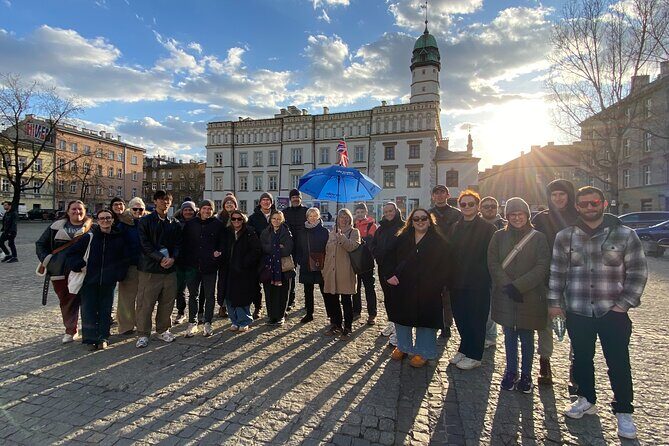
- A tight route through Kazimierz that helps you get your bearings without getting lost
- Szeroka Street to the ghetto memorial with clear context for what matters
- Plac Bohaterow Getta explained, including why the memorial is so poignant
- Old-market stops and a classic bridge crossing for views and atmosphere
- A lively end at Okrąglak where you can refuel with food nearby
- Small group size (max 25) keeps the pace human and the questions easier
Why this Krakow Jewish Quarter and Ghetto tour is such good value
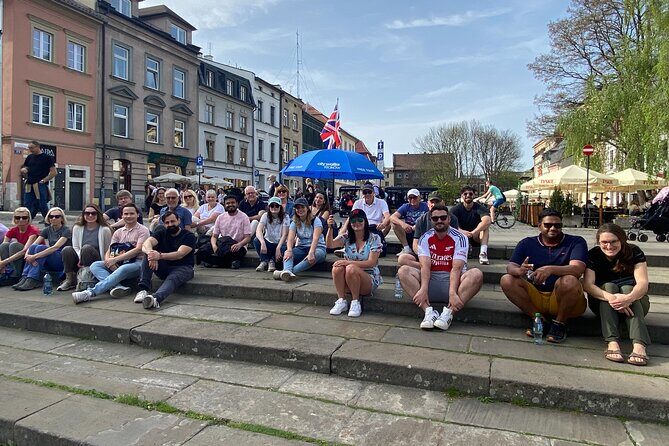
Krakow has layers. You can wander for hours and still miss the meaning behind what you’re seeing. This tour fixes that with a clear, guided route through the areas most connected to Krakow’s Jewish Quarter and WWII storylines.
The biggest value is the structure. You’re not expected to guess which street matters, why one square hits harder than another, or what the sites were before the war. A professional guide stitches it together as you walk, so you can focus on the streets in front of you.
And the price is eye-catching. At about $3.62 per person, what you’re really paying for is interpretation: a guided explanation, a focused route, and the time saved from doing your own “spot the story” research. In this case, the cost feels more like a way to get you moving than a big luxury spend.
The flip side is that you won’t get long, slow museum-style time at every stop. This is a walk with commentary, not a deep archive session. If you want to sit for a long time reading documents, you’ll need a second day with dedicated museum time.
You can also read our reviews of more tours and experiences in Krakow.
How the timing and route help you plan your day
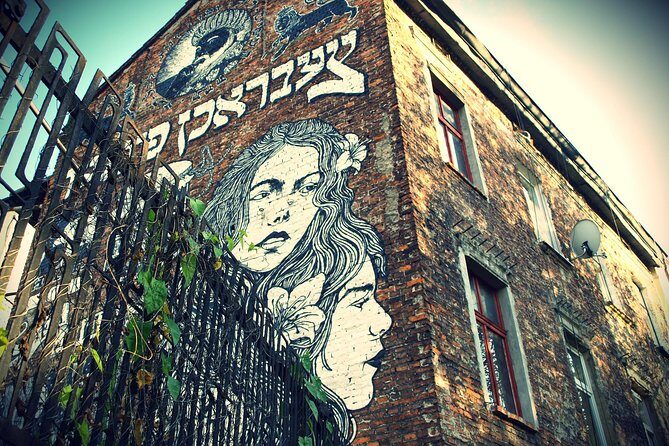
The walk runs about 2 hours 30 minutes, and you start in the central core at Rynek Główny 4. You end at plac Nowy. That end point matters because plac Nowy sits in an area where it’s easy to keep moving—dinner, a coffee, or an evening stroll.
Since this tour is offered in English with a mobile ticket, you’re not juggling paper tickets or complicated check-ins. You also get confirmation at booking time, which removes one common travel stress.
It’s also a max 25-person group. Smaller groups usually mean less chaos at tight corners and more chance for the guide to keep everyone engaged. One review specifically praised the way the guide handled a large group even when the weather turned freezing, which tells me the pacing is set to keep people from drifting off.
If you want to use the rest of your day well, I’d treat this as your “orientation + meaning” walk. Then later, you can return to the one or two places that grabbed you most.
Meeting point at Rynek Główny 4, then walking into Kazimierz
Starting at Rynek Główny 4 is smart because it anchors you in Krakow’s main square area. You’re not hunting for a remote pickup point. You can also pair this with other nearby sights before or after, since Rynek Główny is the easiest place to build a day around.
From there, you head into Kazimierz, where the streets and squares have a very different feel from the main historic center. It helps to wear comfortable shoes because the tour is walking-based and expects moderate fitness.
Near public transportation, too, so if your schedule shifts, you have options for getting back toward the city center after the tour ends at plac Nowy.
Stop 1: Szeroka Street, the Jewish Quarter street you’ll recognize
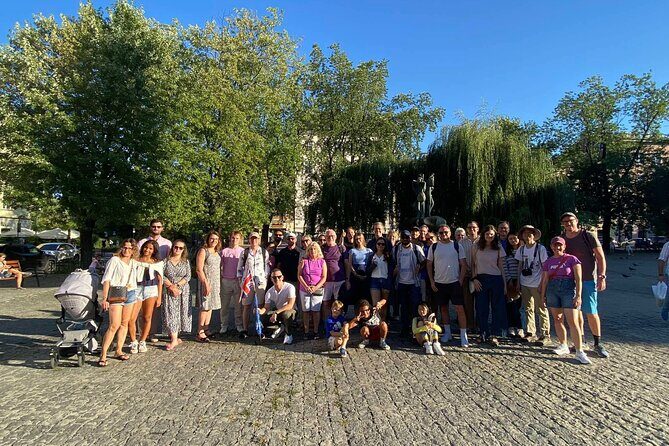
Your first featured stop is Szeroka Street, often described as the Jewish Quarter’s most picturesque street. Even if you only know the name from photos, it’s the kind of street where the guide’s context changes everything.
Here’s what you’ll get: an explanation of how this area once hosted one of Europe’s largest Jewish communities. That detail matters because it turns the street from a pretty postcard into a lived place—busy, social, and significant, not just historical scenery.
Why I think Szeroka Street works as a starting point:
- It sets the tone fast. You’re not jumping straight into the harshest WWII moments without warming up to the community that existed before them.
- It gives you an easy reference map in your head. After Szeroka Street, the rest of Kazimierz makes more sense.
One consideration: because Szeroka Street is “most picturesque,” it can also feel crowded depending on the time of day. If you’re sensitive to tight spaces, arriving on time helps.
The synagogue stop: Poland’s oldest and most important synagogue
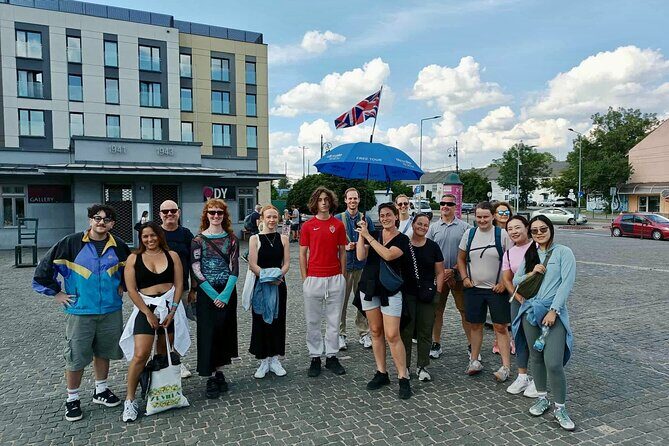
Next, the tour pivots to a key religious landmark. You’ll learn the history of Poland’s oldest and most important synagogue.
Even though the exact focus of your time there is described as learning the story (not a long sit-down visit), this stop is crucial. It reminds you that the WWII narrative didn’t start in 1939. It grew from generations of community life, faith, and local identity.
What makes this stop valuable on a short walk:
- It gives you a sense of scale and importance. Calling it Poland’s oldest and most important synagogue isn’t trivia; it signals why the location mattered before the war.
- It helps you read the area with respect. You’ll be less likely to treat sites like photo backdrops.
Potential drawback: if you’re expecting a long, quiet, inside-the-building experience, the time here may feel short. This tour is built to connect dots across multiple sites.
Plac Bohaterow Getta: the ghetto story and the meaning behind the memorial
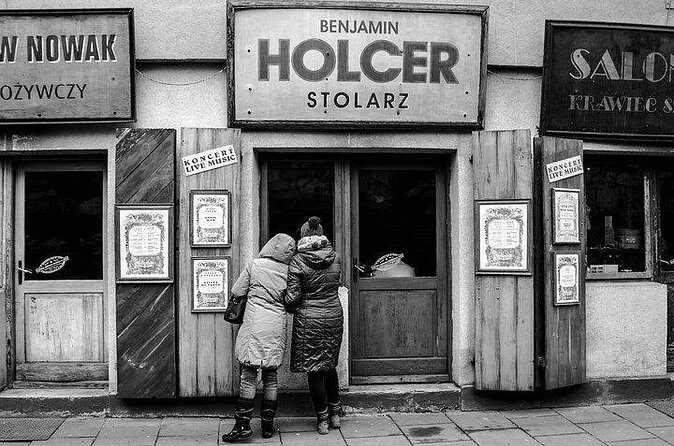
Then you reach Plac Bohaterow Getta, a stop built around two things:
1) the tragic events of the Holocaust in the Krakow Ghetto, and
2) the meaning behind Krakow’s most poignant Holocaust memorial.
This is the emotional center of the route. The guide’s job here is not just to inform, but to help you understand why the memorial is there and how it’s meant to be read.
Why this spot is worth the time:
- It keeps the tour grounded in what happened, not only where things were.
- The memorial angle adds interpretation. A memorial without context can feel like a list of facts. With context, it becomes a message.
Because the Holocaust subject is heavy, I recommend you mentally plan for a quiet moment. If you’re traveling with people who prefer to move quickly through difficult topics, this is where their pace may differ from yours.
Plac Wolnica: the main market square that once ranked huge in Europe
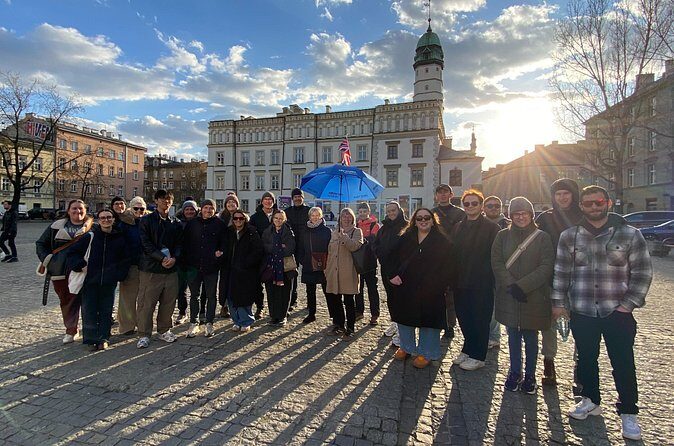
After the memorial stop, you move to Plac Wolnica, the main market square in Kazimierz.
The tour frames it as once the second largest market square in Europe. That’s a big claim, but it’s precisely the kind of scale that changes how you picture daily life in the area. Market squares aren’t just decorative. They’re where money moved, news spread, and communities gathered.
What I like about placing Plac Wolnica after Plac Bohaterow Getta:
- It shifts from the memorial’s concentrated emotion to the broader setting of community life.
- You can imagine how normal routines might have looked before they were violently disrupted.
For balance, remember this square is part of a WWII story too. Even when it’s lively in the present, your understanding of the past shapes how you experience it now.
Father Bernatek Footbridge: a beautiful crossing with an easy win for photos
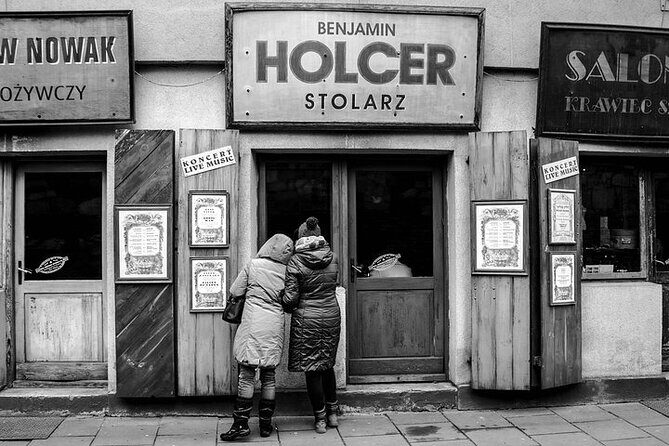
The next stop is the Father Bernatek Footbridge, described as Krakow’s most beautiful bridge.
This is one of those tour moments that feels like a breath. You’re not stuck at a single point staring at a plaque. You’re crossing and moving your body, which helps after heavier content.
Why it’s a good fit for a 2.5-hour itinerary:
- It breaks up the walking with a clear “look and feel” moment.
- It gives you a scenic reset before the final square.
If you’re visiting in poor weather, a bridge crossing can be slippery. Take care with footing, especially if the stone or walkway is damp.
Finish at Okrąglak: where to eat, linger, and keep your evening going
The walk ends at Okrąglak, one of Krakow’s liveliest squares, with street food, restaurants, and nightlife nearby.
This ending is practical. You’re not left stranded with an awkward “now what” moment. You can grab something warm or start planning your next stop while the tour story is still fresh.
I like that this finale is social. After a WWII-focused route, a normal-food and people-watching environment can help you decompress. Just keep in mind the emotional weight of the memorial stop, and choose a pace that feels right for you.
What you get: professional guide, small group, and no research stress
Here’s the setup that makes this work well for real trips:
- Professional guide leads you from site to site and provides commentary so you’re not building the story yourself.
- Mobile ticket keeps things simple.
- Max 25 travelers helps keep the experience manageable.
- English-speaking format for visitors who want clear explanation without translation gaps.
- Moderate fitness is required because you’re walking through multiple stops.
In one piece of feedback, the guide named Karolina was praised for being very knowledgeable about Poland’s history and for keeping people engaged even in freezing conditions. That matters because guided walks can fall apart when weather pushes everyone into complaints. The fact that the guide kept control and maintained interest suggests the tour is designed to hold attention.
Also, the stops are listed with admission ticket notes showing ticket-free time at each stop. That means you’re spending your money on the guided interpretation rather than juggling entrance fees at multiple locations.
Price breakdown: why $3.62 can still be a smart spend
At $3.62 per person, you’re getting a big chunk of value from three things:
1) interpretation that saves time,
2) a curated route that avoids wandering aimlessly, and
3) a guide who sets context so your photos and memories mean something.
This is not a private tour with custom pacing. It’s a group walk. So if you want slow, tailor-made discussions or long stops at each location, you might need something else.
But if your goal is to understand Krakow’s Jewish Quarter and the Krakow Ghetto story in a focused, do-able chunk of time, the price-to-time ratio here is excellent.
Who should book this Krakow Jewish Quarter WWII tour
Book it if you:
- want a fast, guided route through Kazimierz without doing homework first
- like learning the story behind famous streets and squares
- prefer an outdoor walk with commentary over a full-day museum plan
- want something approachable, with group size limited to 25
Consider skipping or pairing it differently if you:
- need lots of quiet time at fewer stops
- want to spend long periods inside religious or exhibit spaces (this tour is time-limited per stop)
- have mobility constraints beyond moderate walking needs
It’s also a good choice for history-minded travelers who want practical help finding meaning, not just seeing sights.
Quick practical advice before you go
Wear layers. Cold weather can make walking tours feel longer than they are. Bring good footwear for city sidewalks.
If you care about photos, try to pause at the spots the guide highlights rather than sprinting ahead. The guide’s framing can help you catch the right angles and understand why certain places matter.
Finally, treat this as a starter route. If one stop hits you harder than expected, plan to return later under your own pace.
Should you book World War Two in Krakow: Jewish Quarter & Ghetto Tour?
Yes, if you want a guided, structured way to understand Krakow’s Jewish Quarter and Holocaust-related sites in about 2.5 hours. The route covers the key places most people miss when they wander without context, and the small-group format keeps the walk practical.
I’d say skip it only if you’re looking for long, slow, museum-style time at each location. Otherwise, this is a strong first pass through Kazimierz, with enough emotional clarity and local context to make the rest of your trip more meaningful.
FAQ
How long is the tour?
It lasts about 2 hours 30 minutes.
Where does the tour start?
The meeting point is Rynek Główny 4, 33-332 Kraków, Poland.
Where does the tour end?
The tour ends at plac Nowy, 31-056 Kraków, Poland.
Is the tour offered in English?
Yes, it is offered in English.
Is this a walking tour?
Yes. It’s a walking tour, and a moderate level of fitness is required.
What is the maximum group size?
The maximum group size is 25 travelers.
Are service animals allowed?
Yes, service animals are allowed.
Can I get a refund if I cancel?
Yes. You can cancel up to 24 hours in advance for a full refund.