REVIEW · KRAKOW
WOMAI Cracow – Into the darkness experience
Book on Viator →Operated by WOMAI · Bookable on Viator
What happens when you lose one sense.
WOMAI Krakow Into the Darkness is about total darkness and what it does to your brain, your body, and your patience. You’ll follow a blind guide through everyday activities in the dark, then come out with a new respect for how other senses carry you.
I love that it stays practical, not sci-fi. You’ll do real, everyday tasks while you rely on hearing, touch, and memory—plus you get a chance to ask questions.
One thing to think about: this is not a good fit if you have severe claustrophobia, significant mobility limits, or hearing problems.
In This Review
- Key highlights to look for
- A one-hour reality check in Krakow’s darkness
- What the darkness experience actually feels like
- Your blind guide, plus Q&A and braille at the end
- Timing, ticket style, and getting to WOMAI in Krakow
- Price and value: about $17 for a high-impact hour
- Who should book (and who should skip)
- The real takeaway: empathy you can explain later
- Should you book WOMAI Into the Darkness?
- FAQ
- How long is the WOMAI Into the Darkness experience in Krakow?
- Is the experience offered in English?
- Do I need a printed ticket?
- What happens during the tour?
- Is it near public transportation?
- Who should not book this experience?
- Can I cancel for a full refund?
Key highlights to look for
- One hour, focused experience that’s short enough to fit a busy Krakow day
- Daily-life tasks in darkness, not a passive show
- Guidance by a blind instructor who leads you safely through the dark world
- Questions at the end, so you can turn curiosity into understanding
- A braille lesson at the finish, with hands-on clarity
A one-hour reality check in Krakow’s darkness
This is the kind of tour that changes your mood fast. In a normal city day, you watch everything: signs, steps, people. Here, sight disappears, and you’re forced to pay attention to what you usually ignore.
The goal isn’t fear. It’s comparison. You’ll notice how much you lean on visual cues without realizing it. Then you’ll see what happens when you adapt—how you orient yourself by sound, touch, and careful movement. In a city like Krakow, where strolling is part of daily life, that shift sticks with you.
Also, the timing works. It’s about 1 hour, which is ideal if you want something meaningful without surrendering your whole afternoon. And it’s offered in English, so language shouldn’t block the experience.
You can also read our reviews of more tours and experiences in Krakow.


What the darkness experience actually feels like

The core format is simple: you enter a world of darkness with a blind guide leading you, and you explore what’s unfamiliar from a new perspective. The idea is to sharpen your other senses by necessity.
In practice, you’ll spend the session learning how to navigate everyday routines when your most automatic tool—sight—is gone. You’re not just standing around. You’re doing tasks. That matters because your brain learns through action, not watching someone else perform.
You may notice a strange mix of emotions:
- You feel alone at times, especially when you can’t sense the person or object directly in front of you. That’s part of the point.
- Your hearing can get more important than you expected. Small sounds start meaning things.
- Touch becomes slower and more deliberate. You’ll likely move with extra care, because you’re gathering information piece by piece.
At the end, you’re not left hanging in confusion. You’ll have time for questions and a short braille lesson, which turns the experience from feeling into understanding.
Your blind guide, plus Q&A and braille at the end
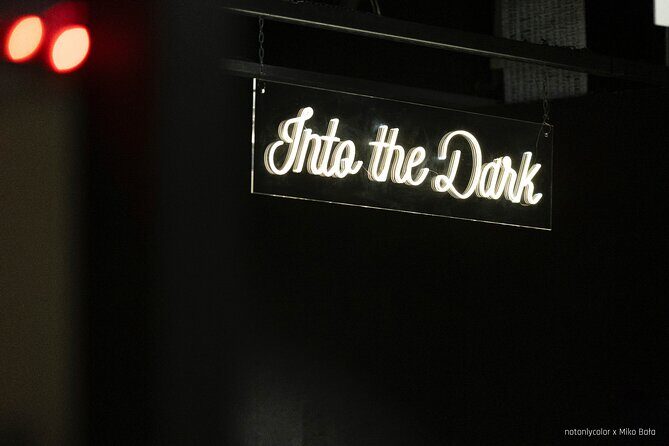
A blind guide runs the whole show, and that’s one of the most praised parts. This isn’t a scripted performance where you follow instructions and leave. You get interaction, and that’s where the experience becomes genuinely educational.
In particular, you’ll get:
- Time to ask lots of questions, which helps you connect what you felt in the dark to real daily life
- Instruction on braille at the end, so you leave with at least one concrete skill or takeaway
That braille component is a big deal for value. It gives you something you can carry into the rest of your trip. Instead of thinking, that was a cool hour, you’re likely to think: I learned something usable, and I understand better how people read and navigate without sight.
And since the tour is in English, the Q&A has a better chance of being clear and personal, not just general.
Timing, ticket style, and getting to WOMAI in Krakow
This activity is built to be easy to plan around. It lasts about an hour, and it’s near public transportation, which is exactly what you want in Krakow when you’re juggling other sights.
A few practical notes based on the tour info:
- You’ll use a mobile ticket rather than a printed voucher.
- Confirmation comes after booking unless you book very close to the start time. If you’re booking within 3 hours, you’ll receive confirmation as soon as possible, subject to availability.
- On average, it’s booked about 18 days in advance, so booking ahead is smart if your dates are busy.
One more practical detail: the experience is described as requiring moderate physical fitness. That doesn’t mean you need to be an athlete, but you should be comfortable enough to move at a steady pace in a controlled setup for the duration of the session.
Price and value: about $17 for a high-impact hour
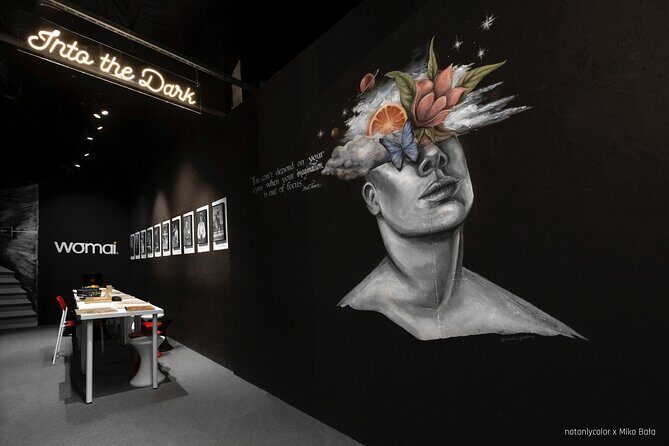
At about $17.33 per person, this sits in the sweet spot for value. You’re not paying for a full-day tour, a big transportation plan, or a long museum visit. You’re paying for a guided, sensory-based experience that’s intentionally focused and time-limited.
Why it feels worth it:
- You get a meaningful activity that trains your attention in a way typical sightseeing won’t.
- It includes a braille lesson and room for questions, which adds depth beyond the moment.
- The format is intentionally immersive in the best way: you’re actively doing the tasks, not just watching.
It also comes with a strong quality signal. The experience holds a 5 out of 5 rating with 363 reviews, and 100% of those reviews recommend it. That doesn’t guarantee it will match your preferences, but it’s a good indicator that the concept lands with most people.




Who should book (and who should skip)
This is where you should be honest with yourself. The tour is not built for every body or comfort level.
Good fit if:
- You’re curious and open-minded about learning from a guided, sensory experience
- You’re comfortable moving for about an hour with moderate physical fitness
- You want a break from standard tours and you like hands-on learning
Not recommended if:
- You have hearing problems (the experience notes it’s not recommended)
- You have significant mobility disabilities (also not recommended)
- You have severe claustrophobia (not recommended)
If any of those apply, don’t force it. A sensory restriction can be intense, even when everything is handled professionally.
One more point: because you’ll be navigating in darkness, you should be prepared to slow down. This isn’t a quick sprint through a room. It’s an experience that asks you to be patient with your own adaptation.
The real takeaway: empathy you can explain later
What makes this tour different from a typical attraction is that it trains perspective. You don’t just learn facts. You experience a situation where your usual assumptions stop working.
That’s also why the emotional moments matter—the times you feel disconnected from what’s in front of you, the careful way you move, the heightened reliance on sound and touch. Those sensations give context to the questions you’ll ask at the end.
When the session ends with a braille lesson and Q&A, you’re not only leaving with memories. You’re leaving with language and understanding you can use later—at bookstores, in museums, or even when you meet someone who navigates the world differently.
Should you book WOMAI Into the Darkness?
If you want an hour in Krakow that actually changes how you think—and you’re comfortable with controlled darkness—then I’d say book it. This is short, in English, and designed to teach you through doing. The braille lesson and the chance to ask questions are strong reasons to choose it over less interactive options.
But if you know darkness can trigger anxiety, or you’re dealing with significant mobility limits or hearing issues, skip this one. In those cases, the experience may be harder than it’s meant to be.
If you’re on the fence, one practical strategy: pair it with a relaxed Krakow day. Let it land. You’ll likely want some quiet time after, because it can be emotionally and mentally intense in a helpful way.
FAQ
How long is the WOMAI Into the Darkness experience in Krakow?
It runs for about 1 hour.
Is the experience offered in English?
Yes, it’s offered in English.
Do I need a printed ticket?
No. You’ll have a mobile ticket.
What happens during the tour?
You enter a world of total darkness guided by a blind instructor. You explore and navigate everyday tasks using your other senses, and you also get time for questions and instruction on braille at the end.
Is it near public transportation?
Yes, it’s described as being near public transportation.
Who should not book this experience?
It’s not recommended for people with hearing problems, significant mobility disabilities, or severe claustrophobia.
Can I cancel for a full refund?
Yes. You can cancel up to 24 hours in advance for a full refund. If you cancel within 24 hours of the start time, the amount paid is not refunded.