REVIEW · WARSAW
Warsaw: Bake Sourdough Bread & Taste Real Polish Food
Book on GetYourGuide →Operated by Justyna Pieczka Stuff Production · Bookable on GetYourGuide
Sourdough here feels like an evening at home. In a small hands-on Warsaw sourdough workshop, Justyna and Michel guide you from starter to shaped loaf, and I love how practical and calm it feels. The second thing I really like is the Polish food tasting that happens while your bread bakes—sausages, cheeses, pickles, and more, served warm and unhurried. One thing to consider: this experience isn’t suitable for gluten intolerance, so if that’s you, skip this one.
You’ll meet in Wola, a green, post-war neighborhood that’s about 25 minutes from the center by public transport. The group is capped at 6, so you’re not watching from the back. You’ll be in a private flat—shoes off indoors, hair tie handy—so plan for cozy, hands-on, close-up work.
In This Review
- Key Things You’ll Do and Actually Learn
- A Cozy Wola Apartment Where Sourdough Feels Normal
- The Starter, the Science, and the Polish Twist
- Mixing, Kneading, Shaping, and Scoring Your Loaf
- Polish Food Tasting: Sausage, Cheese, Pickles, and Comfort
- What You Take Home (and How to Use It at Home)
- Price and Value: Why $167 Can Make Sense
- Who This Workshop Suits Best (and Who Should Skip)
- Should You Book This Warsaw Sourdough Class?
- FAQ
- How long is the Warsaw sourdough workshop?
- How many people are in the group?
- What language is the workshop taught in?
- Where do I meet the host?
- What’s included in the price?
- What should I bring, and what should I know about dietary needs?
Key Things You’ll Do and Actually Learn
- Bake your own sourdough loaf with step-by-step help, not just a demo
- Learn the bread logic: flour, water, salt, gluten, starter, temperature, and hydration
- Handle the full workflow from feeding/working the starter to shaping and scoring
- Taste real Polish staples while the dough bakes: sausage, cheese, pickles, butter, and more
- Take home your bread plus a diploma (and photos shared digitally)
- Enjoy a relaxed, structured evening with English and Polish instruction
A Cozy Wola Apartment Where Sourdough Feels Normal
This is the kind of food experience that doesn’t try to be a show. You’ll go to a private flat in Warsaw—Aleja Prymasa Tysiąclecia 139A/21, apartment 21—and step into a warm, home-style kitchen setup. Arrive 5–10 minutes early. Ring the intercom for apartment 21, and if you get stuck, you’ll be able to call or text the host.
I like that it’s in Wola, not the postcard center. That matters because it helps you feel the city as locals do: everyday buildings, everyday routines, and a neighborhood where a living sourdough culture fits naturally. It’s also about 25 minutes from the city center by tram, bus, metro, or taxi, so you don’t have to carve out a whole day just to reach it.
And yes, there are house rules. Shoes are not allowed indoors, so you’ll want comfy socks. You’ll also be asked to sign a short safety and participation form at the start, which keeps everything organized in a small-space setting.
You can also read our reviews of more food & drink experiences in Warsaw



The Starter, the Science, and the Polish Twist
The evening starts with more than just the first bowl of flour. Before you mix anything, you’ll go through a short “know-how in a nutshell” session that explains how sourdough actually works. You’ll learn how flour and water interact, why salt matters, and how the starter brings flavor and rise to the dough.
This is where you’ll get clarity on choices that bakers debate forever—like different flours (white versus wholemeal). You’ll also talk about gluten and what it does for structure. Temperature and hydration come up too, because fermentation speed and dough feel change fast in real kitchens.
You’ll even see and smell a real sourdough starter. That sensory step sounds simple, but it’s the moment it clicks for most people: sourdough isn’t “just yeast.” It’s a living culture, and the starter’s behavior is part of why bread tastes like itself and not like generic dough.
Mixing, Kneading, Shaping, and Scoring Your Loaf
Then the workshop goes fully hands-on. You’ll learn how to mix and work the dough, and you’ll shape your own loaf with guidance along the way. The host walks you step by step, which is ideal if you’re new to bread—or if you’ve tried before and your results were… ambitious.
A key part here is that you’re not only learning what to do. You’re also learning when to do it. Based on what’s shared during the class, you’ll cover the key stages that lead from starter work to baking: feeding the starter, mixing, bulk fermentation, shaping, cold proofing, and scoring.
Scoring is one of those small moves that has big payoffs. It helps the loaf expand the right way in the oven, and it also lets you see your dough’s final structure. Even if your cuts aren’t artistic at first, you’ll get the technique down enough to repeat it later.
Your loaf bakes during the workshop. The group size is small enough that the hosts can bake up to 4 loaves for everyone, so you’re leaving with something truly fresh rather than just “bread-themed souvenirs.”
Polish Food Tasting: Sausage, Cheese, Pickles, and Comfort
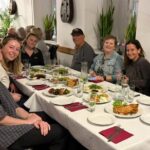
While the bread bakes, you sit down for a traditional Polish tasting. This is one of the strongest reasons to book, because it turns the class into a full evening rather than a single-bowl hobby session.
You’ll taste a spread that includes sausage, cheeses, pickles, butter, and more. The idea is straightforward: you learn sourdough, then you eat the kind of food sourdough belongs next to. The hosts keep it homemade or locally sourced, and you’ll also have homemade drinks.
This portion is especially satisfying because it’s not separate from the bread experience. It’s timed to your baking progress—so you’re not waiting around for the “real part.” You’re learning, working, baking, then eating at a normal human pace.
Also, the vibe is relaxed. It’s practical and focused, but there’s room for stories and questions, which makes it easier to ask the bread stuff you’re actually wondering about.
What You Take Home (and How to Use It at Home)
The obvious take-home is your baked sourdough loaf. You’ll get a piece of sourdough bread to take away, and depending on group size, you may take home a full loaf or a shared portion. Either way, you’ll leave with something you can cut, taste, and compare to what you made.
You’ll also get a diploma to remember the evening. That sounds like a cute extra, but in a class this hands-on, it also signals something useful: the hosts treat this as a real skill you’re building, not a casual tasting.
And you’ll get photos shared digitally. If you’re the type who always means to recreate meals later, those pictures help you remember the exact shapes and steps you practiced. Your “future bread you” will thank you.
If you want to succeed at home, take a moment during the class to jot down the process: how the dough looked after mixing, what it felt like during shaping, and what timing was used for fermentation and cold proofing. The workshop structure is designed so you can follow it again without guessing.
A few more Warsaw tours and experiences worth a look





Price and Value: Why $167 Can Make Sense
This costs $167 per person for a 3-hour experience. That may sound steep compared with basic food tours, but sourdough classes like this are labor-heavy: a small group (max 6), an in-home setup, ingredients, tools, baking time, tastings, and personalized instruction.
Here’s what you’re paying for, in real terms:
- Instruction for your loaf, not just watching someone else
- All ingredients and baking tools provided
- A tasting spread of Polish staples plus homemade drinks
- Bread to take home
- A diploma and digital photos
When you add those together, it starts to feel less like “an activity” and more like a hosted evening that includes food education and actual food. If you’re the kind of traveler who likes doing one or two meaningful things instead of collecting stamps, this fits the bill.
If you’re on a tight budget, you might choose a cheaper Polish food tour. But if you want a skill plus dinner-style tasting, this is a good value for what you get.
Who This Workshop Suits Best (and Who Should Skip)
This is ideal for:
- Food lovers who want a real Polish home-kitchen experience
- Beginners who want clear guidance and a structured workflow
- People who like learning how food is made, not just what it tastes like
- Anyone who enjoys sourdough and wants to understand the “why” behind the steps
You should skip it if:
- You have gluten intolerance (it’s listed as not suitable)
- You need mobility accessibility support, since it’s run in a private flat and is not suitable for people with mobility impairments
One more practical note: wear comfortable clothes and bring a hair tie. You’ll be working with dough, so you want sleeves that don’t catch flour everywhere.
Should You Book This Warsaw Sourdough Class?
Yes—if you want something more personal than a restaurant meal and more useful than a food walk. I’d book it if you’re curious about Polish sourdough methods, like the idea of shaping and scoring your own loaf, and you’ll enjoy a cozy tasting of sausages, cheeses, pickles, butter, and drinks.
But don’t book it if gluten intolerance affects you, or if mobility needs make a private flat setting difficult. Also, if you hate anything hands-on (mixing, shaping, kneading), you might find it too active for your comfort.
FAQ
How long is the Warsaw sourdough workshop?
The experience lasts about 3 hours.
How many people are in the group?
It’s a small group, limited to 6 participants.
What language is the workshop taught in?
The instructor teaches in English and Polish.
Where do I meet the host?
You meet at Aleja Prymasa Tysiąclecia 139A/21, Warsaw, apartment 21. Arrive 5–10 minutes early and ring the intercom for apartment 21.
What’s included in the price?
The workshop includes sourdough baking instruction, all ingredients and baking tools, a piece of sourdough bread to take home (and possibly a full loaf depending on group size), Polish food tasting (sausages, cheeses, pickles, butter, etc.), homemade drinks, a participation diploma, and digital photos.
What should I bring, and what should I know about dietary needs?
Bring comfortable clothes and a hair tie. If you have allergies or dietary restrictions, tell the host right after booking. The experience is not suitable for people with gluten intolerance.