REVIEW · KRAKOW
Krakow Jewish Quarter Tour, Kazimierz and Ghetto
Book on GetYourGuide →Operated by Hussar Travel · Bookable on GetYourGuide
Synagogues and history walk side by side in Kazimierz. This 2-hour tour is a focused walk through Krakow’s Jewish Quarter, with a local licensed guide in a private or small group setting, plus a clear path into the former WWII ghetto. Kazimierz and the ghetto sites are close enough that you can connect the stories fast, without bouncing around the city.
I especially liked two things: the way the tour starts on Szeroka Street, once the center of social and religious life for the community, and then turns into a synagogue circuit you can actually understand in context. I also love that the guide keeps it practical, pointing out what you’re looking at and why it mattered.
One thing to consider: this is a 2-hour walking tour, so you’ll move between several sites. Also, entrance fees for Remuh Synagogue and a Jewish cemetery are not included, so plan for that if those stops matter to you.
In This Review
- Key points before you go
- Krakow’s Kazimierz and ghetto, in a walk you can follow
- Szeroka Street: where the tour finds its footing
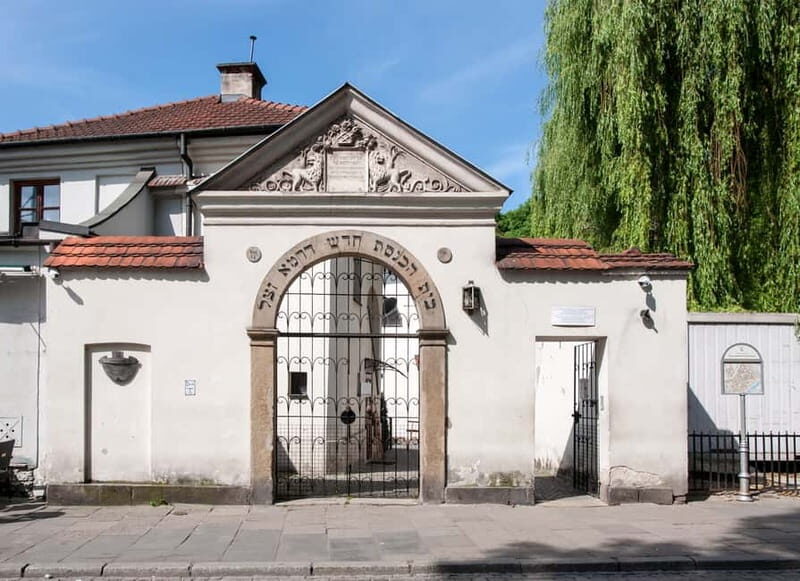
- Remuh, the Old Synagogue, and the rest of the synagogue circuit
- Beyond big stops: Mikveh, JCC, and the “daily life” details
- Jan Karski statue: connecting courage to what happened later
- Schindler’s List in real space: Mrs. Dresner courtyard and stairs
- From Kazimierz to the WWII ghetto: walls and the story of confinement
- Heroes Square and the 65-chair memorial moment
- Eagle Pharmacy: the ghetto’s unusual address
- What the best guides do: clear explanations and patience
- Price and value: what $69 buys in 2 hours
- Practical tips that actually help
- Should you book this Krakow Jewish Quarter and ghetto tour?
- FAQ
- Is the tour 2 hours long?
- Is this tour private or small-group?
- Is there a live guide, and what language is it in?
- Are entrance fees included for synagogues or cemeteries?
- Does the tour offer skip-the-line entry?
- Where does the tour start?
- Is the tour wheelchair accessible?
Key points before you go
- Private or small-group format (up to 10) keeps the pace human and your questions welcome
- Szeroka Street sets the scene right away as the heart of earlier Jewish community life
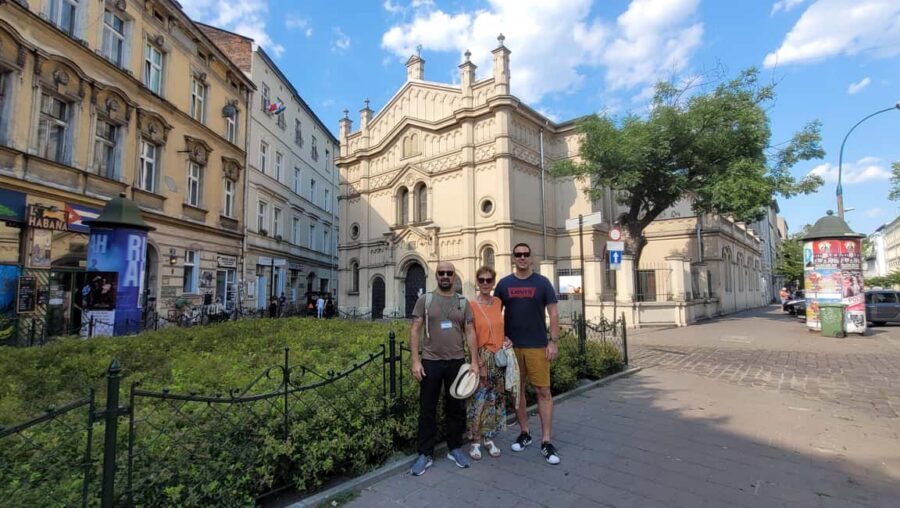
- Multiple synagogues in one loop: Remuh, Old Synagogue, Tempel, Izaak, and the High Synagogue
- WWII ghetto remains are the finale with ghetto walls, Heroes Square, and Eagle Pharmacy
- Guides like Chris or Kryztof are praised for clear, patient answers and an engaging tone
Krakow’s Kazimierz and ghetto, in a walk you can follow
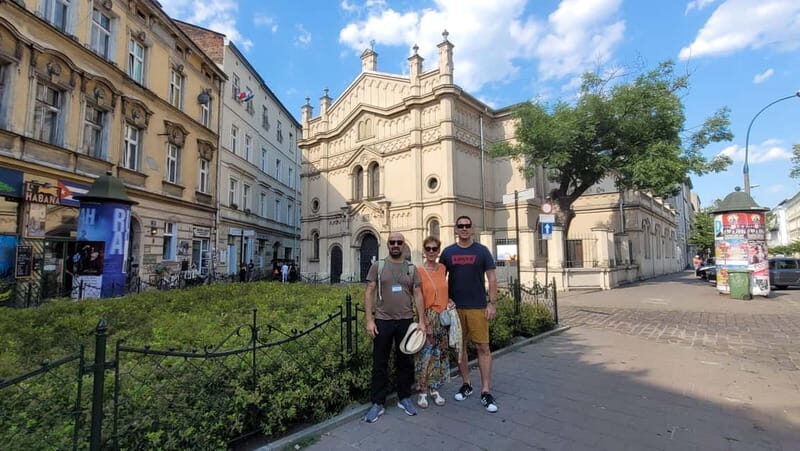
This tour works because it has a simple shape: Jewish Quarter first, ghetto second. You’re not just collecting photos; you’re seeing how community life and persecution connect through geography. It’s also a good length for a first-time visit: two hours is enough to get oriented and still feel like you learned something real.
You’ll go with a licensed live guide in English, and you can choose private or a small group of up to 10. That small-group size matters here, because these are emotionally heavy places, and you’ll want room to ask questions when something clicks. One theme that comes through in the best experiences is how the guide explains complex topics in a way you can actually hold onto.
Finally, this is a walking tour. That sounds basic, but it’s important: you’ll be outside in the air for stretches between stops, then shift to short guided segments as you enter key spots.
You can also read our reviews of more tours and experiences in Krakow.
Szeroka Street: where the tour finds its footing
The walk begins on Szeroka Street, where the guide anchors the story in the day-to-day life of the Jewish community. You spend about 20 minutes here, and that first stretch sets your eyes. Instead of starting with big monuments, you start with the street itself and what it represented over centuries.
If you like understanding places before you memorize names, this opening is a smart move. You’ll hear why the area became such a social and religious center, which makes later synagogue stops feel less random. It also helps you notice details you might otherwise skate past, like the rhythm of the neighborhood as you move from stop to stop.
Remuh, the Old Synagogue, and the rest of the synagogue circuit
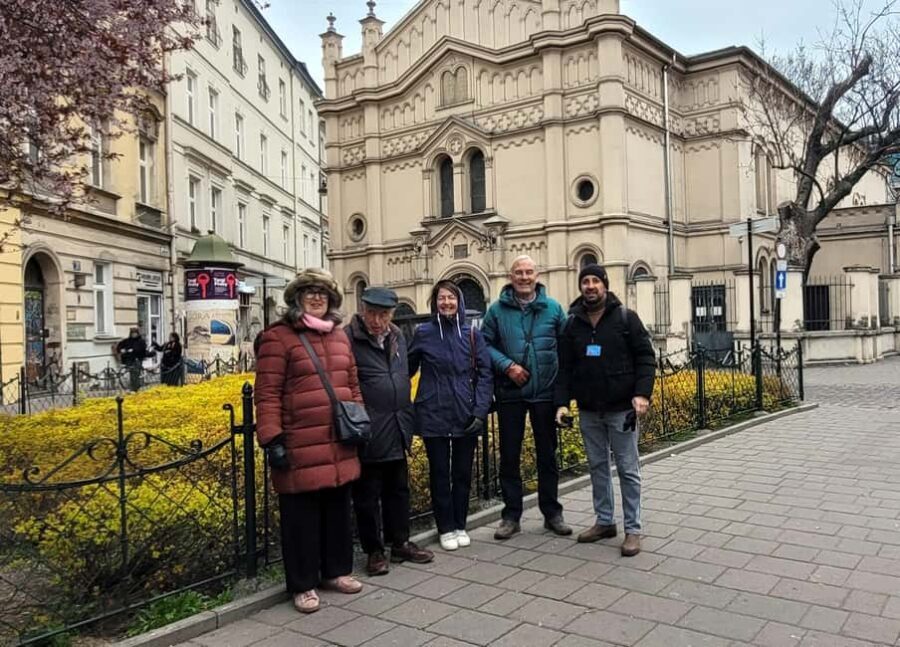
After Szeroka Street, the tour shifts into a short synagogue run. The guiding style is what makes this section land: you’re not rushing blindly through interiors, and you’re not treated like a statue yourself. Stops are brief enough to keep momentum, but long enough for the guide to frame what you’re seeing.
Here’s how the synagogue portion breaks down in the experience:
- Remuh Synagogue: about 10 minutes to sightsee
- Old Synagogue, Krakow: about 10 minutes with a guided look
- Tempel Synagogue: about 10 minutes with guidance
- Izaak Synagogue: about 5 minutes with guidance
- High Synagogue, Krakow: about 5 minutes to sightsee
- Along the way, you’ll also encounter Mrs. Dresner courtyard and stairs connected to Schindler’s List
- Plus additional religious/community landmarks that fit the Kazimierz story
Even if you’ve never visited a synagogue before, this part helps you read the neighborhood like a living system: worship spaces, community institutions, and the people who used them. And yes, it’s also visually impressive. The point is not just the architecture; it’s the way the guide connects each site to community identity.
One practical note: entrance fees for Remuh Synagogue and a Jewish cemetery are not included. The good news is that you’re not handling the whole logistics side yourself, and the tour is designed to help you skip the ticket line where applicable.
Beyond big stops: Mikveh, JCC, and the “daily life” details
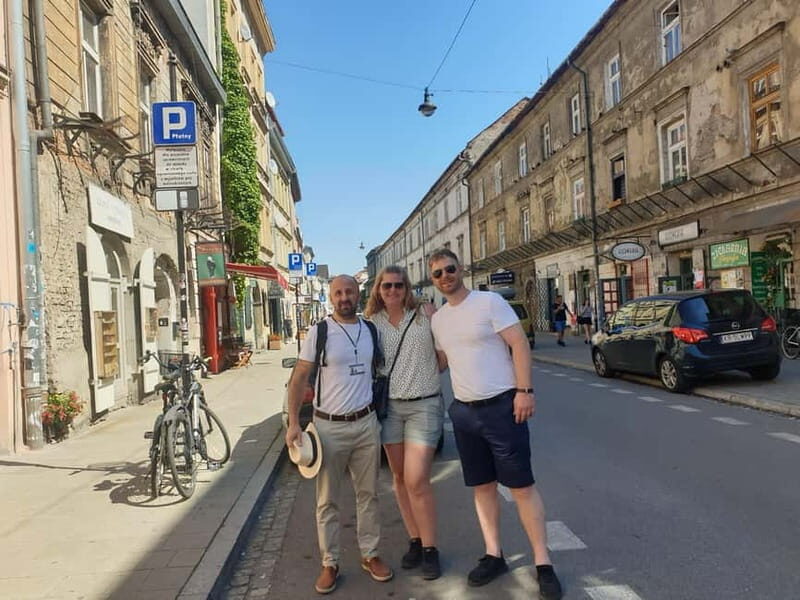
Kazimierz isn’t only synagogues, and the tour keeps that clear. You’ll also spend time around landmarks tied to daily community rhythm and Jewish communal life, including:
- The greater Mikveh building, described as a ritual Jewish bath
- Krakow J.C.C. Jewish Community Center
- Helena Rubinstein Family House
- Plac Nowy, noted as a trade center for Jews in Krakow
- The Popper Synagogue, with time set aside to look around
These stops matter because they help you move beyond the idea of “religion as a building.” A mikveh is about ritual practice, a trade center is about economic life, and a community center is about organized support. When those pieces show up in the same walk, the neighborhood starts to feel less like a set of sights and more like a place where people lived full lives.
You might find yourself looking at streets differently after this, because your brain starts filling in the missing links: where people gathered, where they worked, where they prepared, and where they celebrated.
Jan Karski statue: connecting courage to what happened later
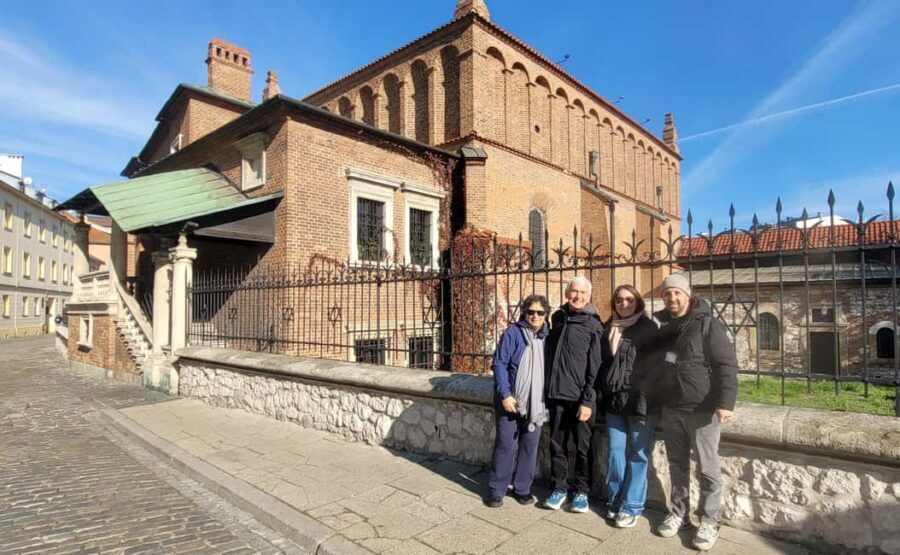
You’ll also see the Jan Karski Statue, described as the man who tried to stop the Holocaust. This is one of those stops that can steer the whole tone of the tour. It pushes the story from buildings and neighborhoods into human choices and moral urgency.
If you’re the kind of traveler who doesn’t want only dates and names, this moment is worth paying attention to. It doesn’t replace the hard history of the ghetto sites, but it gives you a human reference point for why action mattered and why people tried.

Schindler’s List in real space: Mrs. Dresner courtyard and stairs
A highlight for many people is recognizing locations tied to Schindler’s List. The tour includes Mrs. Dresner courtyard and stairs, set up as a film-connected site.
The way I’d use this in your planning is simple: treat it as a doorway, not the whole lesson. It can be tempting to think of the movie scene first and the reality second. With a good guide, that doesn’t have to happen. Instead, you can use the familiarity to slow down and learn what the setting represented for the people who lived there.
From Kazimierz to the WWII ghetto: walls and the story of confinement
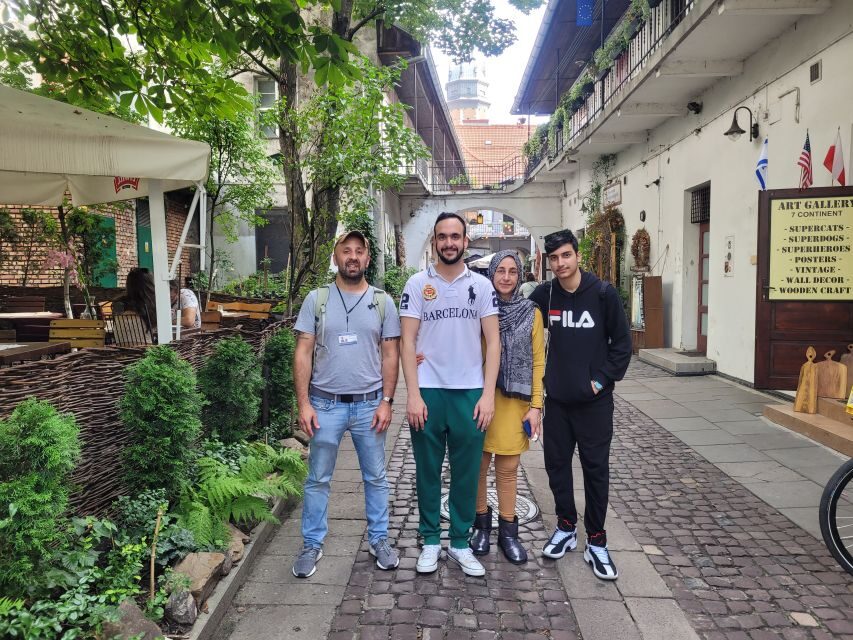
After the Kazimierz stretch, the walking shift becomes heavier. You move into the former Krakow Jewish Ghetto area, and the tour devotes about 20 minutes for a guided look at the ghetto site.
Then the focus tightens:
- Krakow Jewish Ghetto Walls (part of the ghetto-site segment)
- Ghetto Heroes Square with about 10 minutes for sightseeing
- The Eagle Pharmacy, called out as a major location
This is where the value of having a licensed guide becomes obvious. The ghetto walls and the key points don’t explain themselves. You need context to understand what it meant to live inside those boundaries. The guide’s job here is to keep the tour factual, grounded, and respectful, while helping you connect what you see with what happened.
Heroes Square and the 65-chair memorial moment
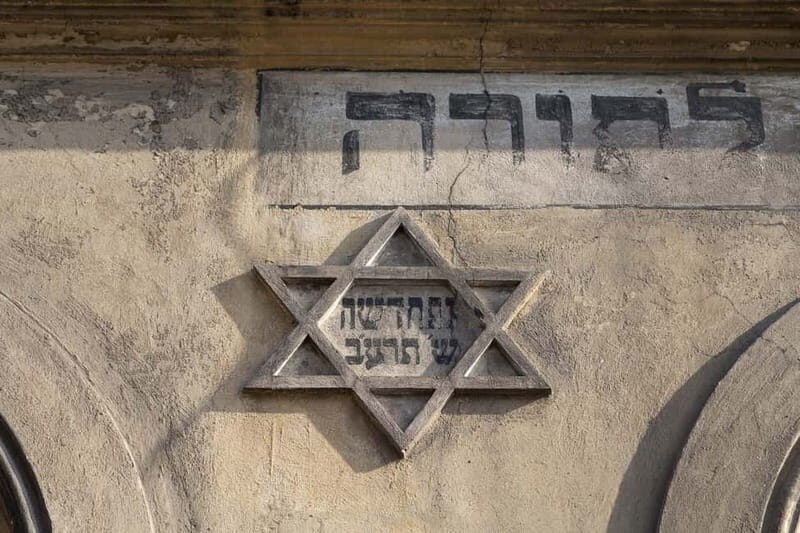
In Ghetto Heroes Square, the tour gives you time to look around and absorb what’s there. One powerful detail that stands out in the experience is the memorial art: a place with 65 chairs, described as representing 1,000 victims per chair.
That’s the kind of moment where your brain goes quiet. It’s not just symbolic. It forces scale into the room, and scale is what history often steals from you. If you tend to rush through memorials, this is one place where you’ll want to slow down and let the meaning settle.
Eagle Pharmacy: the ghetto’s unusual address
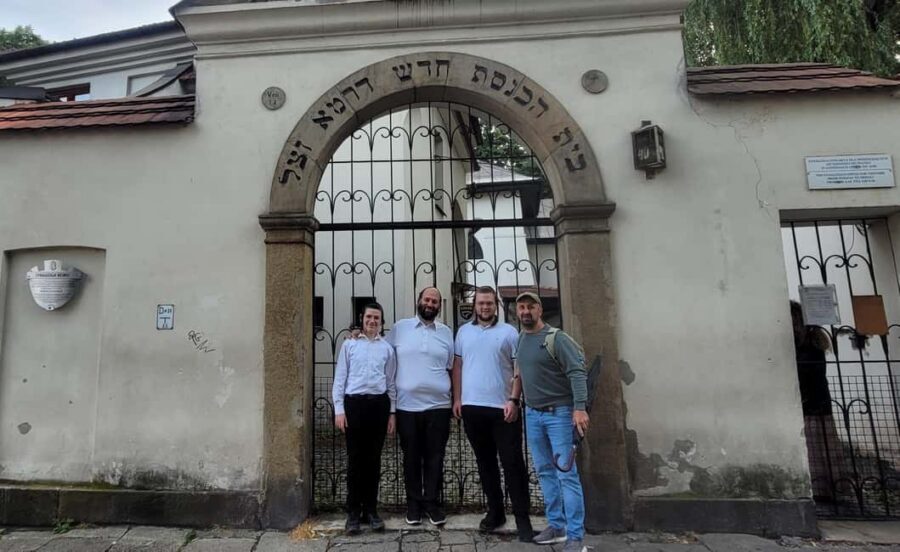
The tour also highlights the Eagle Pharmacy. It’s described as being owned by the ghetto’s only non-Jewish resident. That detail is small, but it’s exactly why it sticks.
In a place defined by exclusion and confinement, the existence of a single outlier becomes a clue about the rules the Nazis imposed and how life was managed through strict control. It’s a reminder that even when everything feels total, individuals and exceptions show up in the record.
What the best guides do: clear explanations and patience
The tour lives or dies on the guide, and the most praised experiences point to a repeat pattern: the guide stays engaged, explains complicated topics in a way you can follow, and answers questions patiently.
Names that have shown up include Chris, Christopher, and Kryztof. The common thread is tone. You get an accessible, courteous explanation without being treated like you should already know everything.
For you, that’s a big deal. In this part of the world, it’s easy to feel lost if the narration stays vague. A guide who can answer everything with calm patience helps you keep moving forward without second-guessing what you missed.
Price and value: what $69 buys in 2 hours
At $69 per person for a 2-hour walking tour, you’re paying for a licensed guide and structured time in the Kazimierz and ghetto areas. That’s a fair setup here, because self-guiding can make it easy to miss meaning. A guided route turns “I saw synagogues and walls” into “I understand why these sites matter.”
What’s included is the licensed tour guide service. What’s not included is entrance to Remuh Synagogue and the Jewish cemetery, so if those are must-sees for you, factor in extra costs. The tour also notes skip the ticket line, which is a practical benefit if you’re trying to keep your day flowing.
One way to think about value: you’re buying guidance that helps you interpret the neighborhood quickly. If you’re short on time in Krakow but want more than a surface-level pass, this price makes sense.
Practical tips that actually help
First: wear comfortable shoes. This is a walking tour with multiple short stops, not a sit-and-watch show.
Second: plan for a mix of indoor and outdoor time. Even if each stop is brief, you’ll still be moving between locations across Kazimierz and then into the ghetto area.
Third: know that the tour is wheelchair accessible. That’s a real plus if you need mobility accommodations.
Fourth: keep your questions handy. Because the experience is small-group or private, it’s the kind of tour where asking can genuinely improve the story you take home.
Meeting points can vary depending on your booking, but one listed starting option is Szeroka 6.
Should you book this Krakow Jewish Quarter and ghetto tour?
I’d book it if you want a structured, respectful introduction to Krakow’s Kazimierz and the former WWII ghetto. It’s a good match for first-timers who want real context without spending half a day getting oriented, and it’s also ideal if you like learning from a local guide who can handle questions with patience.
Skip it only if you’re looking for a long, museum-style experience with lots of sitting and deep unbroken time in one place. This tour is built for a clear route, a steady pace, and understanding the neighborhood connections in two hours.
If the synagogues, the ghetto walls, and the Heroes Square memorial are on your list, this format is one of the more efficient ways to make them mean something.
FAQ
Is the tour 2 hours long?
Yes. The experience runs for about 2 hours, with specific starting times depending on availability.
Is this tour private or small-group?
You can choose either a private tour or a small-group option. The small group is listed as up to 10 persons.
Is there a live guide, and what language is it in?
Yes, it includes a live tour guide. The tour is offered in English.
Are entrance fees included for synagogues or cemeteries?
No. Entrance fees for Remuh Synagogue and the Jewish cemetery are not included.
Does the tour offer skip-the-line entry?
Yes. It notes that you can skip the ticket line.
Where does the tour start?
The meeting point may vary depending on the option booked, with one listed meeting location being Szeroka 6.
Is the tour wheelchair accessible?
Yes, it is listed as wheelchair accessible.