REVIEW · KRAKOW
Krakow: Auschwitz-Birkenau & Wieliczka Salt Mine Day Tour
Book on GetYourGuide →Operated by Mr.Shuttle · Bookable on GetYourGuide
This is the kind of day that hits hard, then changes pace. You’ll pair a guided Auschwitz-Birkenau visit with a very different underground world at the Wieliczka Salt Mine, all in one long but well-organized loop. It’s interesting because the tour switches gears: from a solemn, historically grounded camp tour to salt-carved chambers lit in a way that feels almost unreal.
Two things I like a lot: the English-speaking guides on every major part of the day, and the fact that transportation + admission fees are handled for you. I also like that the day is paced by the museums themselves, so you’re not getting pushed into an unrealistic speedrun.
One consideration: it’s a long, physical day with lots of walking and steps, plus the memorials and mine have their own rules about timing. If you have mobility limits or claustrophobia, you may feel boxed in by the reality of the schedule and the underground portions.
In This Review
- Key points before you go
- Auschwitz-Birkenau and Wieliczka in One Day: Why This Combo Works
- The Morning Pickup and Transfers: What the Timing Really Means
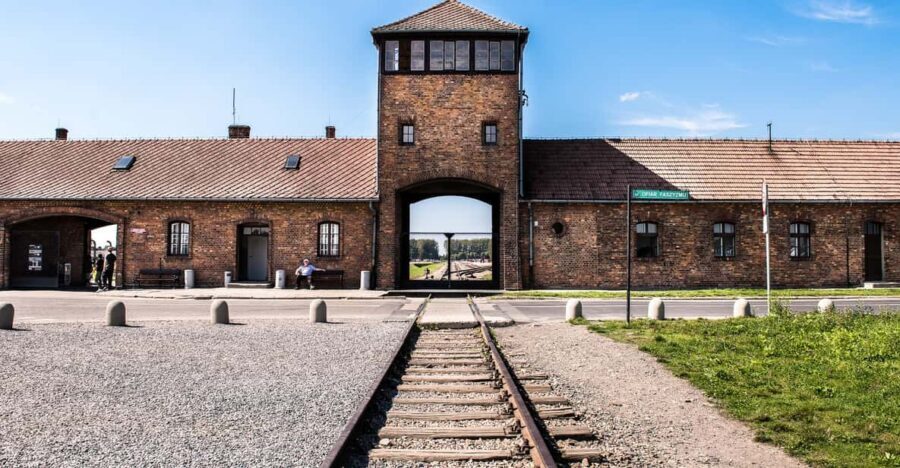
- Auschwitz I: Guided Entry That Sets the Tone
- Auschwitz II-Birkenau: The Distance, the Feeling, the Context
- Lunch Box Reality: Choose the Option That Fits Your Hunger
- Wieliczka Salt Mine: 140 Meters Down and Beautiful in a Strange Way
- Walking, Stairs, and Heat: How to Prep Your Body for This Day
- Communication and Guides: Where the Day Gets Better
- Price and Value at About $142: What You’re Paying For
- Documents, No Large Bags, and Auschwitz Ticket Names
- Who Should Book This Tour (and Who Should Skip It)
- Should You Book the Krakow Auschwitz-Birkenau & Wieliczka Day Tour?
- FAQ
- How long is the Auschwitz-Birkenau & Wieliczka Salt Mine day tour?
- What time do you get picked up in Krakow?
- Do I need to bring a passport or ID?
- Is lunch included?
- How long is the Auschwitz tour and what parts are included?
- How deep do you go in the Salt Mine, and how long is the tour?
- How many stairs or steps are involved at the Salt Mine?
- Are large bags or luggage allowed?
- How does the Auschwitz ticket name requirement work?
Key points before you go
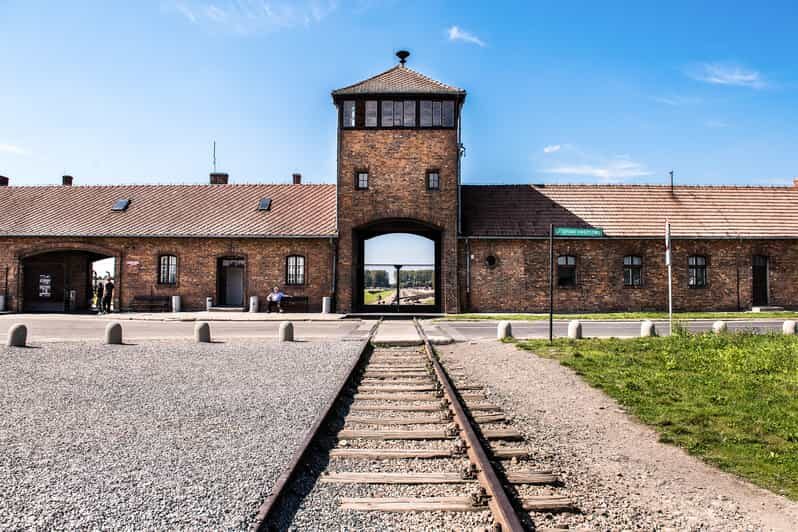
- Skip-the-ticket-line planning helps you spend less time at checkpoints and more time inside
- Museum-led Auschwitz tours cover both Auschwitz I and Auschwitz II with real context
- Wieliczka’s underground route runs for more than 2.5 kilometers and includes major carvings carved in salt
- Stairs add up fast: hundreds of steps, and you’ll want comfy shoes and steady stamina
- Lunch depends on your option: the packed lunch box is included only if you choose that variant
Auschwitz-Birkenau and Wieliczka in One Day: Why This Combo Works
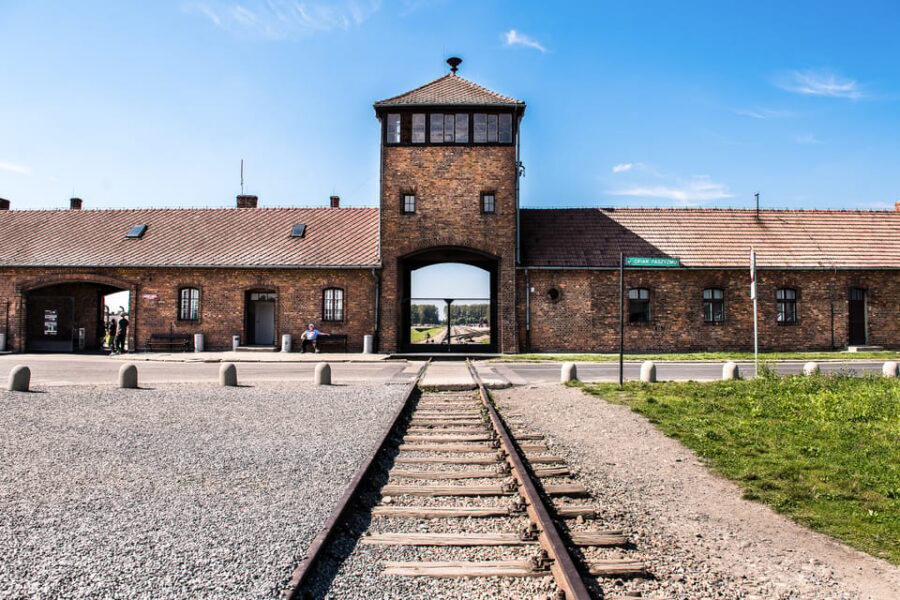
If you only have a day (or you’re trying to keep Krakow from turning into a blur of logistics), this combo tour is built for efficiency. You’re not just visiting two famous sites; you’re also benefiting from the structure that keeps things moving: pick-up, organized transfers, guided entry, and set tour blocks.
The smart part is the order. You start with Auschwitz I first, then move to Auschwitz II-Birkenau. That sequence matters because Auschwitz isn’t one single stop—it’s a system of different areas and functions, and the tour format helps you keep the story straight.
Then, later, you get the complete change of atmosphere at Wieliczka. Going from memorial silence to salt chambers is jarring in the best way. It reminds you how varied Poland’s history and industry are: one place tells of human cruelty; the other shows how working salt shaped generations of life.
You can also read our reviews of more tours and experiences in Krakow.


The Morning Pickup and Transfers: What the Timing Really Means
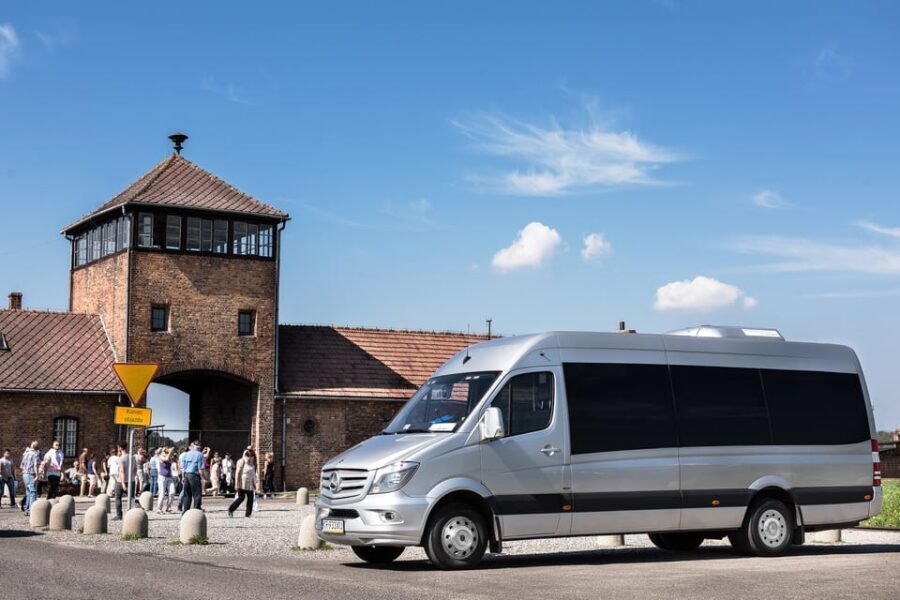
The day begins with hotel pickup, usually in the early window of 5:30–7:30, and sometimes earlier than 6:00. Your exact time gets confirmed by SMS about 12 hours before, so watch your phone the night before and the morning of.
Your total duration is 11 hours, and the tour is designed to get you back by no later than 19:30 (often around 17:00–17:30). That’s late enough that you’ll still have evening energy for a meal in Krakow, but not so late that the whole day eats your night.
Transfers are part of the deal—plan on roughly 1.5 hours on the road to the first site and another transfer after Auschwitz II. The schedule also includes a short break window (you get about 10 minutes of free time in the flow of the day). It’s not meant to be a long lunch break; it’s meant to keep things moving when you need a restroom and a breath.
In practice, transportation can be tight depending on the minibus setup. Some people have noted that seating in smaller vehicles can feel snug, especially when the group fills the back seats. If you’re tall or you’re picky about comfort, pack your patience.
Auschwitz I: Guided Entry That Sets the Tone
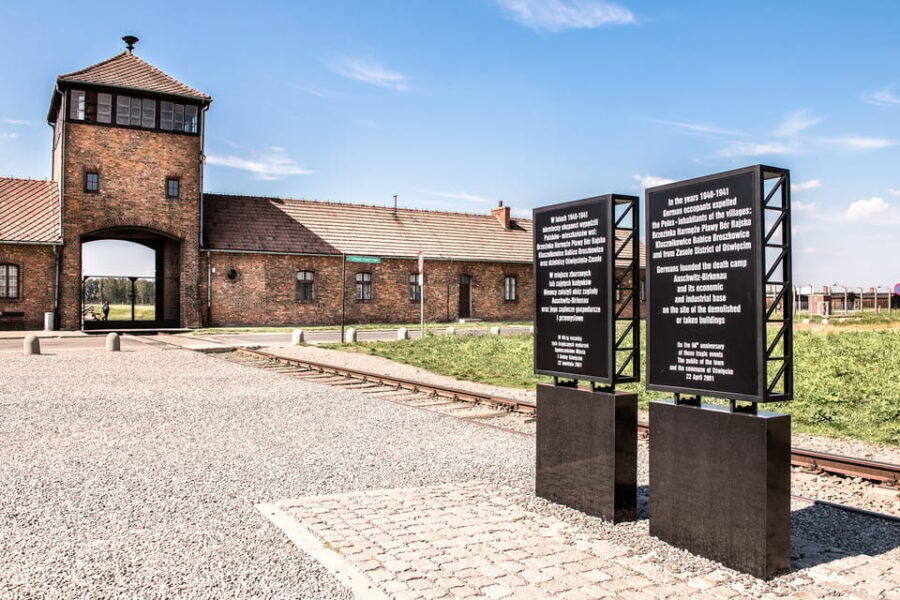
Auschwitz I is where you first meet the museum tour in a focused, museum-led way. The program runs about two hours on the itinerary, with an English tour lasting around 2.5 hours described in the tour flow. Either way, expect a longer orientation than you’d get if you wandered in on your own.
This portion matters because it frames what you’re about to see next. You’re not just reading plaques; you’re getting guided interpretation that explains how the camp functioned and how Auschwitz should be understood historically.
Here’s something I think is important for your expectations: the museum sets the pace. The tour breaks and timing aren’t something your local operator can speed up or slow down. So if you’re the type who counts every minute, build in flexibility. That’s also part of what makes the visit respectful—people are given room to process.
Auschwitz II-Birkenau: The Distance, the Feeling, the Context
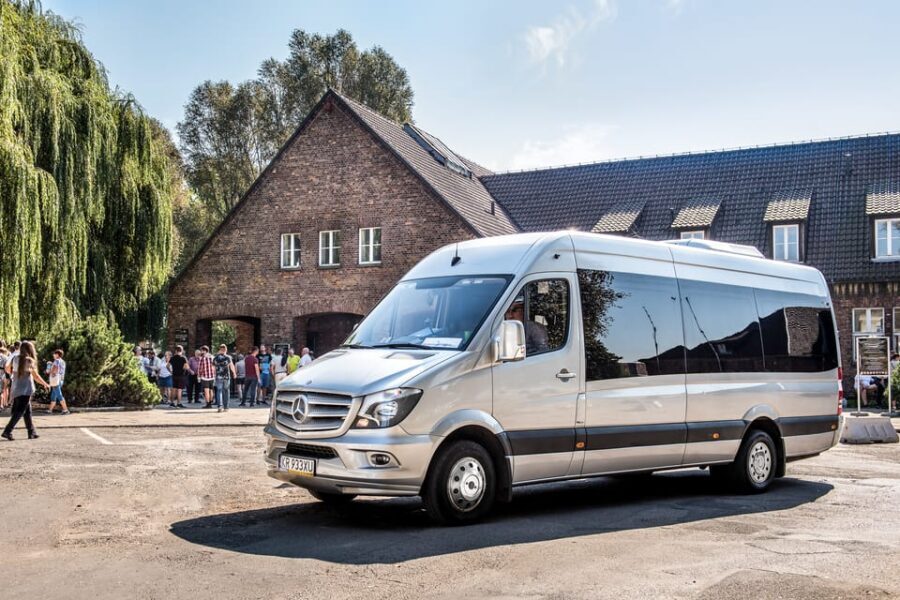
After Auschwitz I, you travel about 2 kilometers to Auschwitz II-Birkenau. That small distance is emotional, not just physical. Birkenau feels wider and harsher in a way that’s hard to explain until you’re there.
In the full-day schedule, you spend about an hour with the guide at Auschwitz II. That’s shorter than Auschwitz I, but it’s still guided and structured. If you’re hoping for hours and hours at Birkenau, this combo format won’t match that pace. Instead, you’re getting the essentials in a time-efficient way—especially valuable if you’re pairing with Wieliczka in the same day.
One practical thing to know: the memorial controls the pace and the guide can’t force longer stops during busy times. A few visitors have described the Auschwitz portion as feeling a bit rushed at moments, but the overall structure is still designed to move the group efficiently through key areas.
Lunch Box Reality: Choose the Option That Fits Your Hunger
This tour is built with lunch included in some versions—and that detail changes the experience. You’ll get a delicious packed lunch box only if you booked the option that includes it. If you didn’t choose the lunch option, you’ll be on your own for food during the day.
Why this matters: the tour day is long, and the schedule doesn’t leave you much time for a casual restaurant detour. When lunch is handled, you get food without breaking the flow of timed tours and transfers.
Some people who selected the lunch option described it as genuinely good—think a practical meal and snacks that keep you steady for the walking later. If you’re even slightly unsure you’ll find a good meal fast near the sites, pay attention to the lunch-include option at booking time.



Wieliczka Salt Mine: 140 Meters Down and Beautiful in a Strange Way
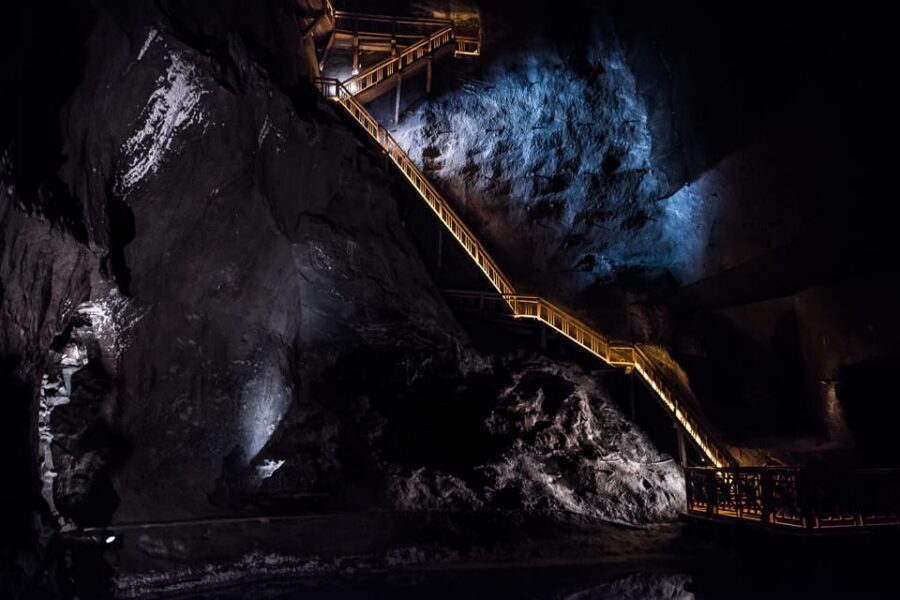
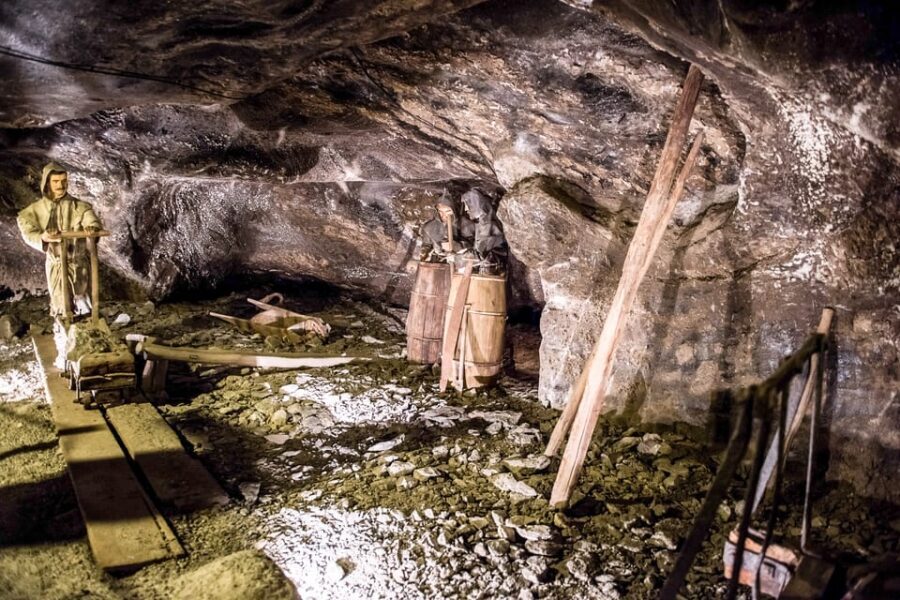
Then comes the shift—Wieliczka Salt Mine. This is one of the oldest working salt mines in the world and has produced table salt for over 700 years. The mine tour is about 2.5 hours, with an underground journey on more than 2.5 kilometers of tourist routes.
You’ll go down to about 140 meters underground (with additional info that reaching the first level involves 378 stairs). The overall route includes around 800 steps, and you’ll be climbing and descending even if the mine sounds like it’s mostly flat.
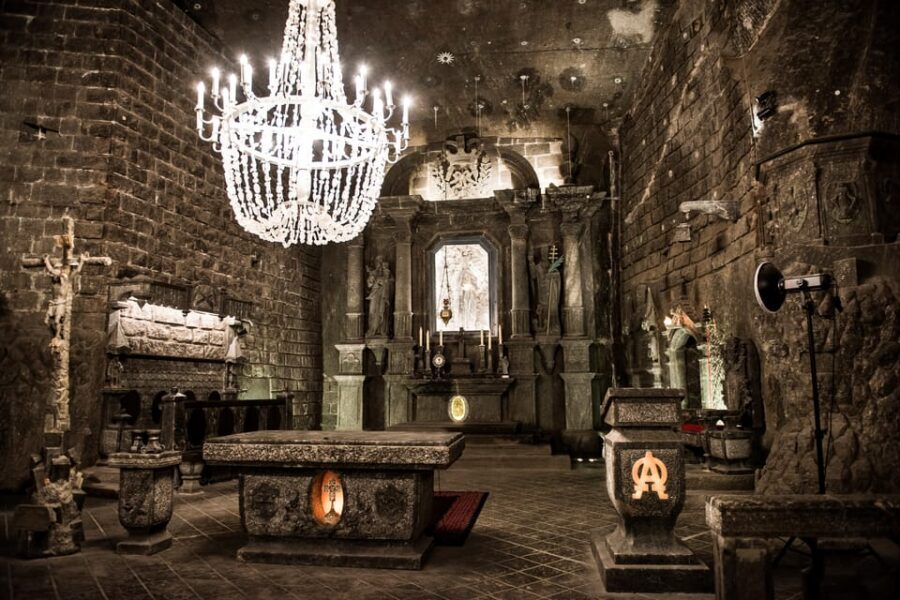
What you’ll actually see is what makes Wieliczka memorable: chambers with salt carvings and statues, all made of salt. The guide leads the tour in English, and you’ll get time to take it in at each major chamber before moving on.
A few practical notes from the real-world experience of the mine:
- The mine involves walking on underground paths and inclines, so comfy shoes matter more than style.
- After the tour, you’re taken back up by lift rather than only climbing.
- Photo rules are specific: photo permission inside the mine costs 10zł and can be paid on the spot.
If you want to avoid the claustrophobic feeling some people get underground, this part might be tricky. Even if you’re fine with tight spaces, you’ll still be in enclosed areas for a long stretch.
Walking, Stairs, and Heat: How to Prep Your Body for This Day
This is not a sit-on-a-coach-and-watch kind of day. You need to be prepared for:
- Lots of time on your feet across two sites
- Hundreds of steps tied to the mine route
- Uneven surfaces in outdoor and museum grounds
- The mine’s enclosed environment
Some people have specifically pointed out the need for fitness and stamina. If your walking is limited, the tour is not a good match. If you feel comfortable with long days and you can handle stairs, you’ll be fine—but you should still plan like it’s a hike day.
If you’re traveling in warm weather, consider a hat and a light layer for changes in temperature between outdoors and underground spaces. Some guides help the group stay together and moving, but you can’t rely on that to replace basic preparation.
Communication and Guides: Where the Day Gets Better
The quality of the day often comes down to the people running the tour. You’ll have an English-speaking guide for each major portion, plus a driver for transportation.
Names showing up in guide feedback include Michael, Alexandra, Anna, and Lukasz, plus John as a driver. The consistent theme is delivery: guides who explain clearly, keep things respectful, and help you stay on schedule.
If there’s one theme you should take seriously, it’s the idea that you must stick with the group. The tour is structured tightly. One visitor noted an issue where the mine guide left the group suddenly near the end, but the staff helped get people to the exit point and lifts. That’s not something you want to experience, so keep your eyes open when the group starts moving to the next stage.
Price and Value at About $142: What You’re Paying For

At $142 per person, the value comes from bundling. You’re paying for:
- Door-to-door transportation
- English-speaking guided tours at Auschwitz I, Auschwitz II, and Wieliczka
- All admission fees and tickets
- Insurance
- A documentary film if available
- A lunch box only if you chose that option
If you tried to book these separately—tickets, guides, transport, and timing—you’d likely spend more time coordinating and risk ending up with mismatched tour lengths. This combo is priced for convenience and structure, which is exactly what you want if your Krakow schedule is tight.
The one part to double-check before you pay attention to anything else: lunch inclusion and your name on Auschwitz tickets. Those are the two “gotchas” that can change the experience quickly.
Documents, No Large Bags, and Auschwitz Ticket Names
Auschwitz tickets are personalized. You must enter your full name exactly as it appears on your official ID or passport. If the names don’t match, entry may be denied.
Also, the tour doesn’t allow luggage or large bags. That’s a big deal for day tours in Europe, where people tend to carry backpacks and bigger day bags. Pack light and bring only what you need for the day.
You should also bring your passport or ID card because that’s required on the day.
Who Should Book This Tour (and Who Should Skip It)
This tour is best for you if:
- You want to see both Auschwitz-Birkenau and Wieliczka without building a full self-planned schedule
- You can handle a long day with walking
- You’re comfortable following instructions and staying with your group
- You want the benefit of English-guided interpretation at each major site
I’d think twice if:
- You have mobility impairments or use a wheelchair
- You have claustrophobia
- You have heart problems or low stamina
- You hate stairs and enclosed spaces (the mine route includes major stair counts)
This tour can be emotionally heavy at Auschwitz. The guidance and museum structure help, but you should still go in with the right expectations: it’s meaningful, not casual.
Should You Book the Krakow Auschwitz-Birkenau & Wieliczka Day Tour?
I’d recommend booking if you want maximum impact with less planning stress. The biggest win is that you get guided Auschwitz context and a structured underground mine tour in one day, with transport and tickets handled.
Before you book, do three things:
- Confirm whether your lunch option includes the packed lunch box
- Enter your name exactly as it appears on your ID
- Pack light and prepare for steps, uneven ground, and long hours
If you meet those basics and you’re physically up for it, this is one of the most practical ways to see two major Krakow-area experiences without turning your trip into a spreadsheet.
FAQ
How long is the Auschwitz-Birkenau & Wieliczka Salt Mine day tour?
The tour lasts about 11 hours. You should return to your hotel no later than 19:30, usually around 17:00–17:30.
What time do you get picked up in Krakow?
Pickup is confirmed by SMS about 12 hours before the tour begins. Pickups are typically between 5:30 and 7:30, and sometimes might be earlier than 6:00. Be ready at the pickup time shown on your final confirmation.
Do I need to bring a passport or ID?
Yes. You should bring your passport or ID card.
Is lunch included?
A packed lunch box is included only in one of the booking options. Check which option you booked before you go.
How long is the Auschwitz tour and what parts are included?
You visit Auschwitz I and Auschwitz II-Birkenau with an English-speaking museum guide. The schedule includes time at Auschwitz I first, then time at Auschwitz II afterward.
How deep do you go in the Salt Mine, and how long is the tour?
You head down to about 140 meters underground. The Salt Mine tour is about 2.5 hours.
How many stairs or steps are involved at the Salt Mine?
Reaching the first level involves 378 stairs, and the whole tourist route has around 800 steps. You’ll go back up after the tour using a lift.
Are large bags or luggage allowed?
No. Luggage or large bags are not allowed.
How does the Auschwitz ticket name requirement work?
Admission tickets to Auschwitz-Birkenau are personalized. Each participant must provide the full name as shown on their official ID, and errors can lead to denied entry.