REVIEW · KRAKOW
From Krakow: Auschwitz-Birkenau Tour with Transportation
Book on GetYourGuide →Operated by Zakopane City Tours · Bookable on GetYourGuide
Auschwitz-Birkenau is heavy history, handled carefully. This Kraków day trip brings you to Auschwitz and Birkenau with transport and a guided visit that focuses on the places that mattered most: prison blocks, gas chambers, and crematoriums. I like that you’re not left to figure it out alone—you get an English-speaking leader, plus portable headsets so you can actually follow along.
Two things I really like about this tour: the setup is efficient (tickets handled, guided in both camps, and the day is paced with scheduled breaks), and the guide’s job is to connect the story across Auschwitz I and Auschwitz II-Birkenau so the “what happened here” doesn’t feel like a random list of buildings. You’ll also hear tragic stories tied to the site—delivered with restraint, not theatrics.
One drawback to consider is that the visit is intense and can feel rushed in Birkenau, since the Auschwitz I portion runs longer than Auschwitz II. You’ll be walking a lot, and you’ll want to show up with a clear head and a light bag.
In This Review
- Key points worth knowing before you go
- From Kraków to Oświęcim: Why This Day Trip Is the Smart Move
- Meeting Point at Matejki Square: Get Oriented Fast
- On the Coach: What the Ride Is Like and How It Helps
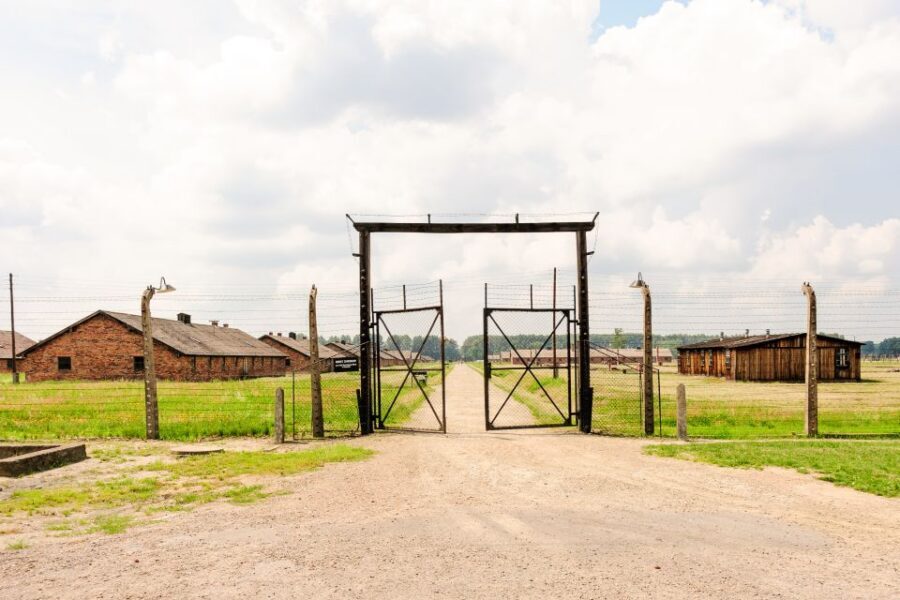
- Auschwitz I: Prison Blocks, Crematoriums, and the Main Gate Story
- The Built-in Breaks: Use Them to Stay Human
- Auschwitz II-Birkenau: Bigger Space, Shorter Time, Stronger Silence
- Walking, Clothes, and Bag Rules: How to Avoid Chaos
- Value for $86: What You Pay For (and What You Don’t)
- Who This Tour Is Best For (and Who Should Reconsider)
- Should You Book This Auschwitz-Birkenau Tour?
Key points worth knowing before you go
- Headsets included so you can hear your guide clearly while you move between exhibits
- Skip-the-ticket-line entry helps you get onto the site without extra waiting
- Auschwitz I gets more time than Birkenau, so focus on what the guide highlights
- Short breaks are built in for toilets and a quick reset outside the exhibits
- No food or big bags allowed, so pack light and plan meals before the tour
- Early departure from Kraków is part of the deal, which makes the schedule work
From Kraków to Oświęcim: Why This Day Trip Is the Smart Move
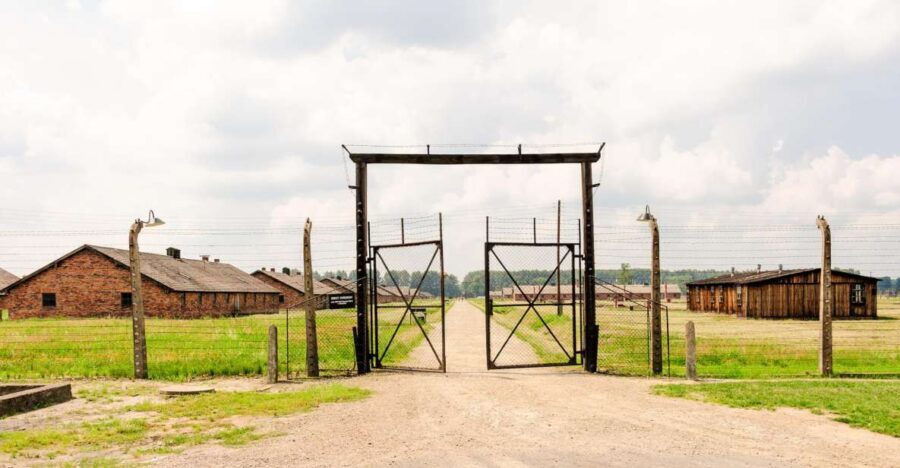
If you’re doing only one day on this side of Poland, this Auschwitz-Birkenau option is built for that goal. You’re traveling from Kraków to Oświęcim and then moving between Auschwitz I and Auschwitz II without having to coordinate trains, buses, or ticket timing yourself.
Also, the timing matters. Auschwitz is where you go to understand history, not to “see sights.” The tour format helps because you arrive with structure, then you spend your energy listening, looking, and absorbing what your guide is connecting for you across the two camp areas. That structure is valuable when the subject is so emotionally demanding.
Finally, it’s one of those days where your mental health is tied to logistics. If you’ve got an afternoon in Kraków left, or you need to catch a train, the day-trip approach fits better than staying overnight. People who had to be back for later travel have found the return timing works well.
You can also read our reviews of more tours and experiences in Krakow.
Meeting Point at Matejki Square: Get Oriented Fast
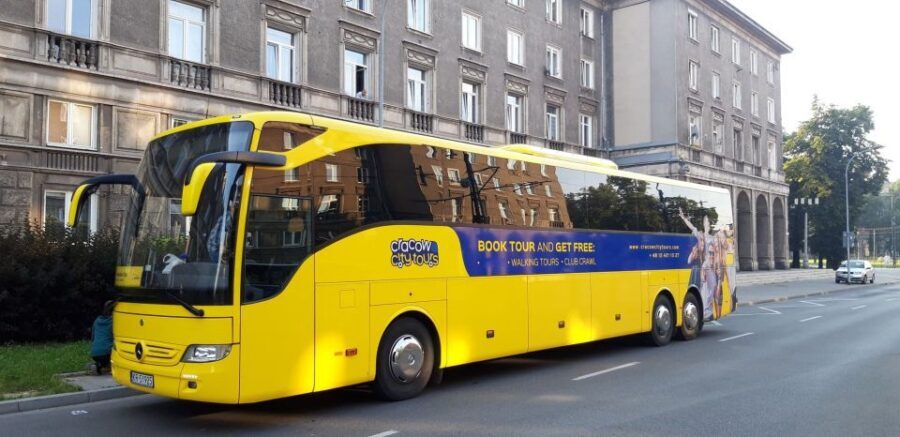
The only meeting point is Plac Jana Matejki 2 (Matejki Square 2) in Kraków. There’s no hotel pickup. The tour office is marked with the Cracow City Tours logo, and it’s positioned so you can find it from the city-center side of the street.
Once you arrive, the flow is simple: you head straight to the tour destination by coach. That’s a big plus for a long, early day. Even if you feel sleepy at the start, the schedule doesn’t wander.
One practical tip: since you’ll be wearing a headset for the day, it’s worth keeping your hands free during boarding. Pack essentials in a small bag you’ll keep with you, and avoid last-minute rummaging. It’s not fun to fumble when everyone is trying to get moving at once.
On the Coach: What the Ride Is Like and How It Helps
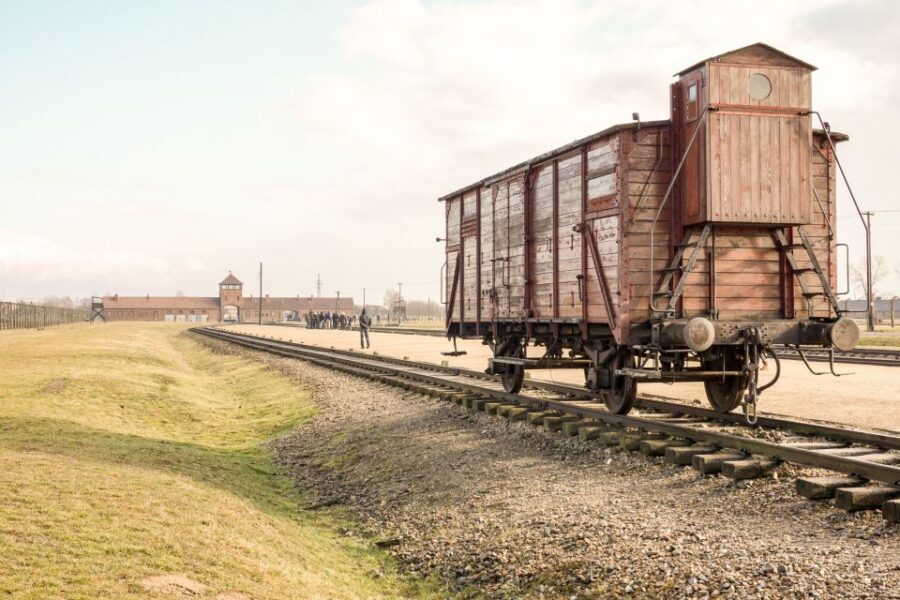
The drive from Kraków is long enough that many operators use the time to set the tone. In practice, that often means an educational film or DVD on board. It’s not there for entertainment—it’s meant to help you understand what you’re walking into later.
You’ll also be given your portable headset for the museum portion. That matters because Auschwitz is not a place you want to lose details. Headsets are what make the difference between catching the main points and missing them.
Do note one reality: headsets can sometimes be finicky. If you notice buzzing, cutting out, or audio problems, flag it quickly. The whole point is to hear the guide clearly while you’re standing in emotionally overwhelming spaces.
Auschwitz I: Prison Blocks, Crematoriums, and the Main Gate Story
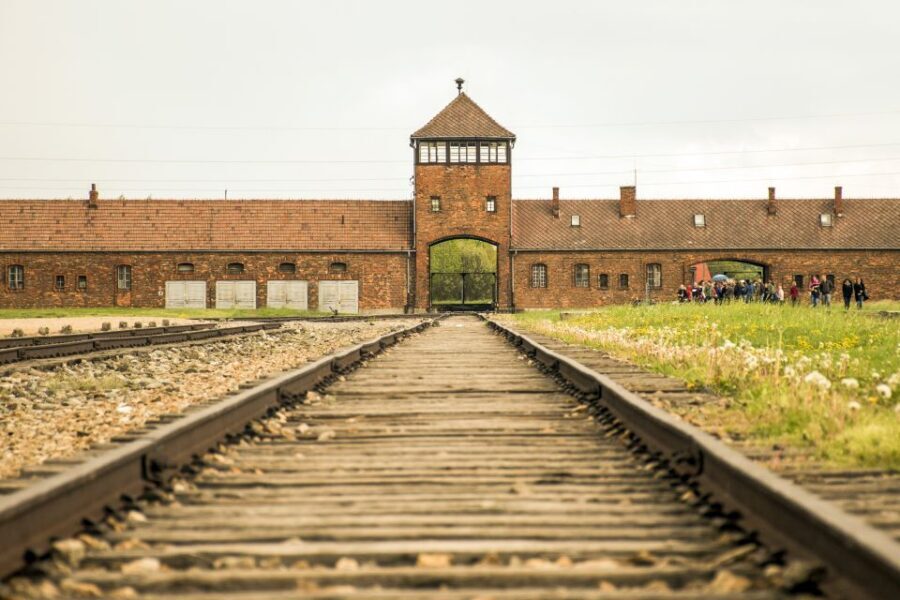
Auschwitz I is the camp area that anchors the story. This is where you’ll spend about two hours, and it’s a long enough stretch to absorb the layout and the meaning behind what you’re seeing—especially when your guide is careful with pacing.
Expect to cover the heavy essentials:
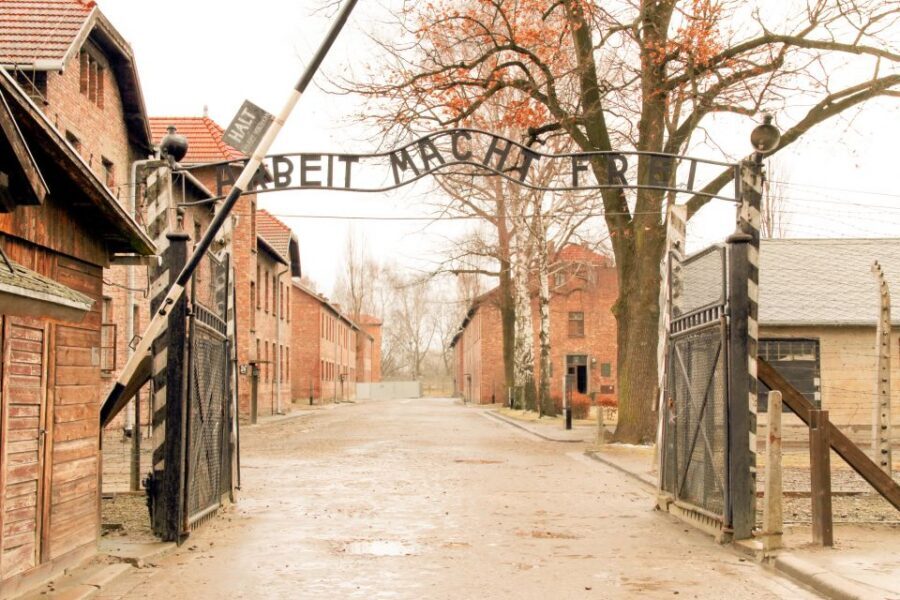
- the main gate area and the entry symbolism
- prison blocks tied to how the Nazi system operated
- the sites connected to gas chambers and the crematorium
The guide’s job here is to take the facts you’ve heard before from books and news and connect them to what these buildings represent. You’ll get political and historical background for why the camp started, and how it escalated into a central site of genocide under the Nazi plan often referred to as the Final Solution.
What makes this part of the tour work well is the pacing. The best guides slow down at the places where detail matters most. They also manage the group—keeping you together while still giving you room to look, not just rush onward.
One more practical note: you’re going to walk inside and between blocks. Wear shoes you trust. This is not a day for fragile soles or “I thought I’d be fine” footwear.
The Built-in Breaks: Use Them to Stay Human
You’ll get scheduled breaks during the day—around 15–20 minutes at a time. Use them. Seriously. A short toilet stop and a quiet reset can make the later parts of the tour feel more bearable.
You can also buy books in the museum shops during break windows. That’s a good move because the camps generate questions. If you leave the site with only impressions and no follow-up reading, you may find your understanding stays foggy.
And since food isn’t included (and food isn’t allowed inside the museum areas), plan your day around that. Eat before you go if you can, or make sure you’re ready to buy snacks at the right time outside restrictions. The day is long enough that skipping meals can push your energy crash into the very hours you need steady attention.


Auschwitz II-Birkenau: Bigger Space, Shorter Time, Stronger Silence
Birkenau (Auschwitz II) is the scale-shock moment. It’s larger, more open, and the emptiness has a way of making your mind fill in the missing parts. On this tour, you’ll spend about 50 minutes in Birkenau.
That time can feel short, and some people come away wishing they had more. The main reason is simple: Birkenau is spread out, and the site is massive. Your guide will focus on the highlights that build the story—so you’ll get the core places rather than a slow wandering tour of everything.
Still, Birkenau is worth the extra emotional effort because it changes how you understand what the system was designed to do. Auschwitz I shows the machinery and structure. Birkenau shows scale—how the camps were built for processing human beings through a brutal system.
When you’re there, keep camera behavior in check. Flash photography is not allowed inside the blocks, and the tone of the place calls for restraint. If your instinct is to document constantly, it may help to pause and just look for a minute first. You’ll remember more that way.
Walking, Clothes, and Bag Rules: How to Avoid Chaos
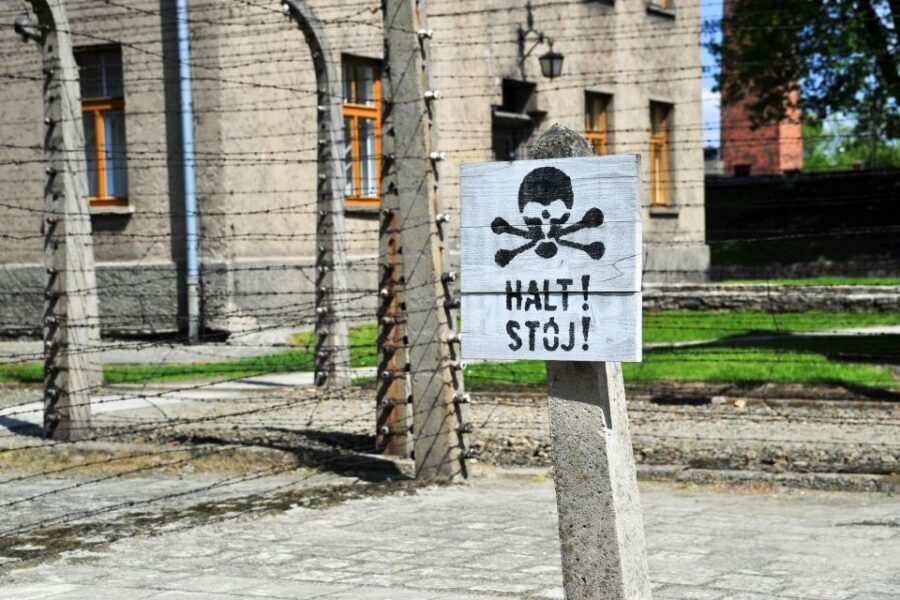
The camps have clear rules, and they’re enforced at entry. Here’s what’s worth preparing for so the day stays smooth:
- Bring passport or an ID card
- You may also need driver’s license listed among required documents
- No luggage or large bags
- Bag limits are specific: backpacks/handbags can’t exceed 30x20x10 cm
- No sleeveless shirts
- No flash photography inside blocks
- No food inside the museum areas
- Smoking isn’t allowed in the museum areas (you can take short breaks outside)
Plan for lots of walking. Even if the schedule looks tight on paper, the camps themselves are uneven, with ground you can’t control. Good shoes are your best investment.
Also, bring the ID details you booked with. The museum requires full name and contact details, and entry can be refused if the name doesn’t match the ID exactly. This is not the day to guess or freestyle with spellings.
Value for $86: What You Pay For (and What You Don’t)
At $86 per person, the headline value is that you’re not just buying a guide—you’re buying the whole system that makes this visit doable: transport from Kraków, tickets, and the in-between logistics.
Included in the price:
- Entrance tickets to Auschwitz-Birkenau
- Transportation to and from Oświęcim, plus movement between Auschwitz I and Auschwitz II
- English-speaking tour leader
- Headsets for each visitor
- Insurance for the duration of the tour
- Skip-the-ticket-line entry
Not included:
- Food and drinks
If you’ve tried to plan Auschwitz yourself, you already know the time-sink: getting there, timing tickets, and managing transfers between the two camp sections. This tour compresses all of that into one day so your focus stays on the site, not the schedule.
One note on timing value: the tour is built long enough to cover both camps but structured enough to bring you back early. That’s why it’s popular for people who want Kraków time after—like grabbing a nap and still having an evening free.
Who This Tour Is Best For (and Who Should Reconsider)
This is a must-know match question.
Best suited for:
- adults and older teens comfortable with intense historical material
- anyone who wants a guided overview without planning every detail
- people with a tight Kraków schedule, since the day returns you back in time for the afternoon/evening
Not suitable for:
- children under 14
Emotionally, this is not a “fun day out.” It’s an educational and memorial visit, and it can wear you out in body and mind. Wear your patience like a jacket. Keep your posture respectful. Give yourself permission to feel what you feel.
If you’re someone who needs maximum free time to wander at your own pace, consider the fact that Birkenau’s visit time is shorter on this format. You’ll get the most important stops, but you won’t get endless wandering.
Should You Book This Auschwitz-Birkenau Tour?
Yes, if you want a well-run day that gets you into Auschwitz-Birkenau with the right amount of structure. For the price, the included transport, tickets, headsets, and guided time are the big wins. It’s also a smart choice if you’d rather not juggle the logistics of two separate camp areas on your own.
I would book with a realistic mindset. Expect an early start, expect walking, and expect the day to be emotionally heavy. If you can handle that, this tour style is exactly what you want: organized, focused, and guided through the parts that give the Holocaust its hard, necessary context.
If you’re going to do this day, do it calmly. Pack light, bring your ID, eat before you go, and listen with your whole attention. That’s how this kind of visit becomes more than a checklist.