REVIEW · WARSAW
Faces of Warsaw’s 3-hour orientation city tour with hotel pick-up
Book on Viator →Operated by PolinTours · Bookable on Viator
Warsaw changes fast, even in three hours. This Faces of Warsaw tour is a tight guided sweep that links palaces, communist-era symbols, and Jewish memory sites into one clear storyline. I like that it’s designed as an easy first day in town, with hotel pickup that helps you skip the stress.
What I really loved was the way your guide keeps history understandable without turning it into a lecture. Stops like Royal Łazienki Park and the Old Town area are memorable on their own, but the commentary makes them feel connected instead of random highlights.
One thing to consider: the pace is brisk for a 3-hour format. You’ll be on the move and listening a lot, so if you want long, slow photo breaks or deep museum time, you may need a second outing on your own.
In This Review
- Key Highlights You’ll Feel During the Tour
- First Stop: Getting Oriented at Sigismund’s Column (and Why It Works)
- Łazienki Park and the Royal Palace Complex: Beauty With Historical Weight
- The City’s Contrasts: Communism, Stalin’s Gift, and Everyday Warsaw
- Grzybowski Square: Where Ghetto History Lives in Plain Sight
- POLIN Museum Time and the Ghetto Uprising Memory Stops
- Umschlagplatz: Standing Where Deportations Were Carried Out
- King Sigismund’s Column to the Rebuilt Old Town Core: A UNESCO Walk in Short Form
- Presidential Palace Area and the Names That Shaped Polish Pride
- Rynek Starego Miasta to the End at Marie Curie’s Birthplace
- The Guide Factor: Why This Tour Feels So Smooth
- Price and Value: Is $72.72 Worth It?
- Who This Tour Fits Best (and Who Might Want Something Else)
- Should You Book Faces of Warsaw?
- FAQ
- How long is the Faces of Warsaw orientation tour?
- What language is the tour offered in?
- Does the tour include hotel pickup?
- Are admissions included for all stops?
- Is lunch included?
- Where does the tour start and end?
Key Highlights You’ll Feel During the Tour
- Hotel pickup and return make the tour start right, especially if you’re staying farther from the Old Town
- A guided line through Warsaw’s big eras, from monarchy-era elegance to communist-era power symbols
- Grzybowski Square and ghetto memorial stops that put names and locations to real events
- POLIN Museum orientation time that helps you understand the Warsaw Ghetto story before you go deeper elsewhere
- Old Town walking time around Rynek Starego Miasta, including the reconstructed UNESCO-listed core
- Marie Curie’s birthplace as the finish point, so you can naturally keep exploring nearby streets
First Stop: Getting Oriented at Sigismund’s Column (and Why It Works)
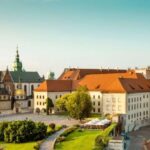
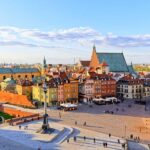
The tour kicks off at King Sigismund’s Column (Kolumna Zygmunta) near Plac Zamkowy, in the Old Town edge zone. Even if you’ve only just arrived, this is a smart starting point because you’re dropped into the geography that ties the city center together.
From there, hotel pickup means you don’t waste your “first-day energy” figuring out buses or taxis. You meet your guide with a PolinTours sign at your accommodation reception, or your pickup car waits in front of the hotel. That setup is especially helpful in Warsaw, where different neighborhoods can feel like separate worlds.
This tour is also explicitly private, so it’s only your group. In practice, that often leads to fewer distractions and more chance to ask questions, which matters when the route moves into heavy 20th-century history.
You can also read our reviews of more city tours in Warsaw


Łazienki Park and the Royal Palace Complex: Beauty With Historical Weight
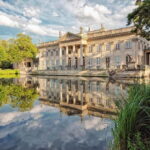
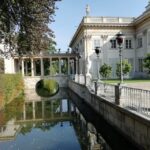
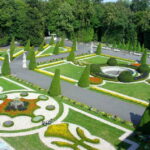
Your first major sightseeing stop is Royal Łazienki Park and the Palace Complex. This is one of those places where Warsaw looks calm and refined, and the gardens give you a real sense of how the city projected power and culture.
What I like here is that this stop doesn’t feel like generic sightseeing. You’re guided toward a specific way of seeing: the park and palace complex are not only pretty, they’re part of Warsaw’s long identity as a city that’s constantly rebuilt and reinvented.
The time on site is about 30 minutes, and the entry ticket here is listed as free. That’s enough time to get oriented inside the park setting, but not enough for a slow wandering day—so think of it as a first taste.
Good to know: you’ll be moving from this green, palace-side mood into tougher historical ground soon after. If you’re the type who likes mental transitions, this first stop gives you a breather before the next phase.
The City’s Contrasts: Communism, Stalin’s Gift, and Everyday Warsaw
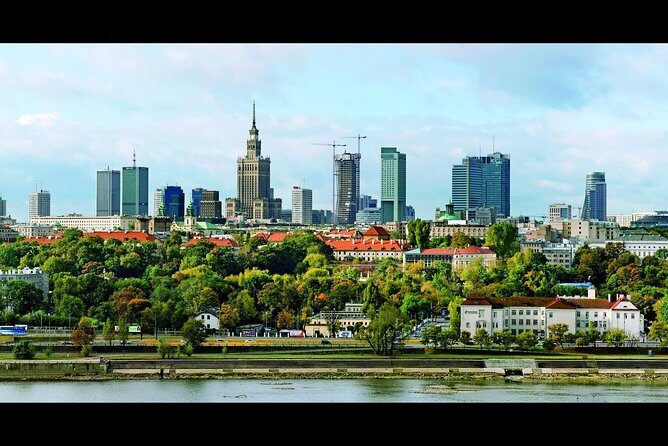
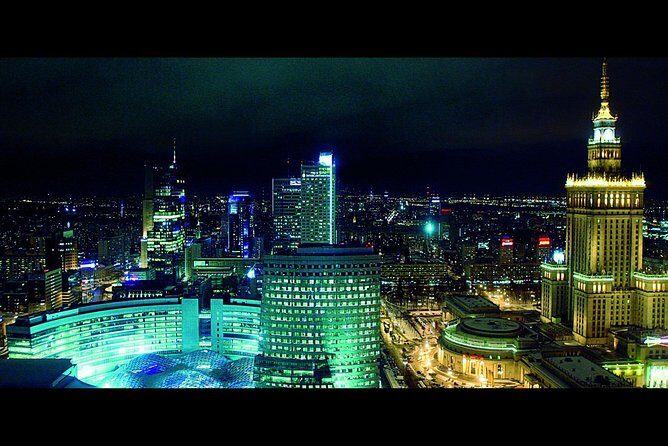
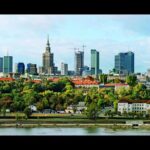
As the tour continues, you get guided perspective on Warsaw’s contrasts—modern buildings sharing space with older remnants, and different political eras leaving their mark. One key thread is the legacy of communism and the story connected to the Palace of Culture, described as a controversial gift from Stalin.
This is the kind of “you notice it when you know what you’re looking at” segment. Once you understand what the building represents in the story of power, it changes the way you read the streets around it. You’re not just passing landmarks; you’re being taught the logic behind why they exist.
The biggest advantage of including this here—rather than saving it for later—is timing. Early in your trip, you need a framework. The tour gives you one.
Grzybowski Square: Where Ghetto History Lives in Plain Sight
Next comes Grzybowski Square, with about 15 minutes on the grounds. This stop focuses on the former Warsaw ghetto area and teaches you about the history of Warsaw’s Jewish community.
What makes this part work is that it’s not only about a museum building. You’re learning history in a real urban setting, so the story feels grounded. Even in a short timeframe, your guide connects the past to the present street grid.
The stop lists admission ticket free, so your money stays in your pocket and your attention stays on the meaning. Still, 15 minutes is tight; plan to treat it as an orientation point, not your final stop for details.
One practical tip: if you want to remember specifics, take a quick note during the guide’s explanation. These ghetto-era sites can blur together later if you don’t anchor them with a few words you can recall.
POLIN Museum Time and the Ghetto Uprising Memory Stops
You then head to POLIN Muzeum Historii Zydow Polskich, one of Warsaw’s most central museums for Jewish history. Your time here is around 20 minutes, which is short—so it’s best understood as a guided entry into themes, not a full museum visit.
The tour focuses on the times of heroic uprisings in the Warsaw Ghetto, plus stops connected with commemoration. One especially moving detail in the description is the mention of a ghetto hero monument where Willy Brandt knelt down. That reference helps you understand why certain locations hold weight far beyond their physical form.
If you’re curious, POLIN can easily take a full day on its own. Here, you’re getting the key landmarks and context so you know where to return later with more time.
Admission at this stop is listed as free, which is great value. Just keep in mind the short museum window means you’ll likely want to come back if you enjoy learning through objects, photos, and written context.
A few more Warsaw tours and experiences worth a look

Umschlagplatz: Standing Where Deportations Were Carried Out
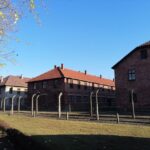
After the POLIN museum segment, you see Umschlagplatz, with about 15 minutes. This is described as the real places where the final solution of the Jewish question was put into practice.
This part of the tour is heavier than the earlier palace-and-park vibe, and the guided framing matters. You’re not meant to treat these stops like photo ops; you’re guided to understand the location and what happened there.
The time window is brief, but for many people it’s exactly the right length for first orientation. You get to see the site, absorb the guide’s explanation, and then you can choose how much more you want to process on your own later.
If you’re sensitive to intense history, give yourself a moment between stops to reset your pace and focus.
King Sigismund’s Column to the Rebuilt Old Town Core: A UNESCO Walk in Short Form
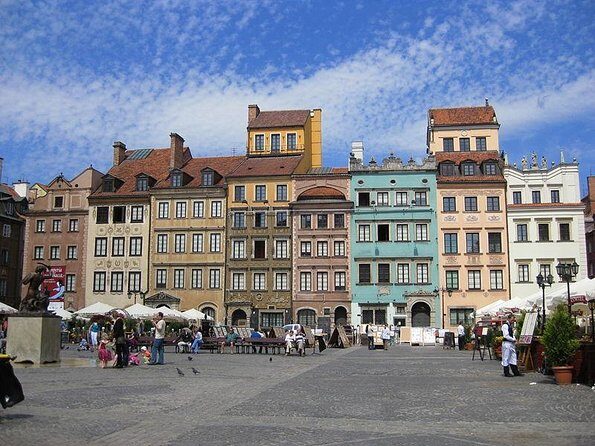
The tour includes King Sigismund’s Column again in the route and uses it to set up the reconstructed old town, declared a UNESCO World Heritage Site. The key value here is the guided way of seeing reconstruction: you understand what was rebuilt, why it matters, and how the city wants to present itself after destruction.
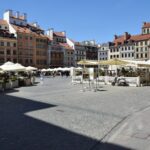
Then you move into Rynek Starego Miasta, with about 30 minutes for a stroll through the old town streets. This is the part that feels like a “holiday postcard,” but with your brain already equipped to see it as more than decoration.
A smart approach for this walking time: slow down for one or two streets, not every street. Let your guide point out the important monuments and architectural pearls, then pick a couple of spots to savor and photograph.
Admission is listed as free for this stop, and the time is generous enough to feel like more than a drive-by.
Presidential Palace Area and the Names That Shaped Polish Pride
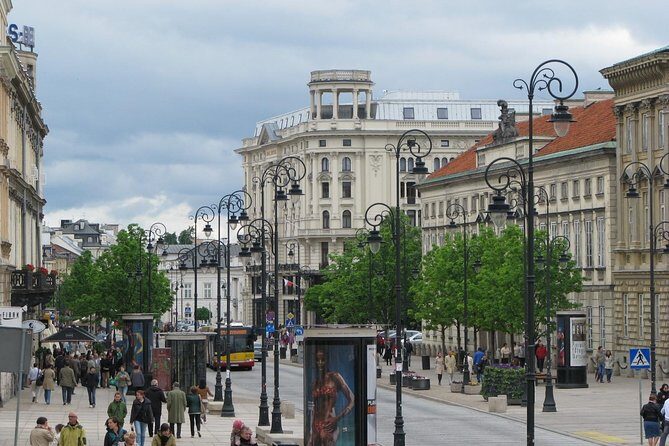
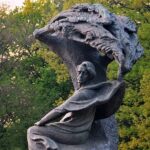
Next is Palac Prezydencki (Presidential Palace), with about 10 minutes. In this short stop, you hear about famous Poles connected with Frederick Chopin, Marie Curie, and Lech Wałęsa.
Ten minutes sounds tiny, but it’s a useful rhythm in a tour that covers a lot of emotional ground. After the memorial stops, this section gives you cultural and civic anchors—people you can later recognize when you read Polish news, art, and biographies.
It’s also a good moment to ask questions if you’re curious about any of the names the guide brings up. With a private format, you’re more likely to get a direct answer.
Rynek Starego Miasta to the End at Marie Curie’s Birthplace
The tour finishes at Maria Skłodowska-Curie Museum on Freta 16. This closing location is a great way to end the story of Warsaw as a city of contrasts: you start with parks and palace complexes, pass through memory sites tied to Jewish history, and then land on a major figure associated with science and legacy.
Important detail: admission for Muzeum Marii Sklodowskiej-Curie is listed as not included. So you may want to decide in advance whether you want to pay for entry at the end, especially if you’re watching your budget.
The ending in the Old Town area is also practical. When the tour ends, you’re already in a walkable zone where it’s easy to keep exploring nearby streets at your own pace.
The Guide Factor: Why This Tour Feels So Smooth
One consistent theme from the strongest feedback is that the guide makes the material land. In particular, Marzena is mentioned for being excellent—patient, upbeat, and good at answering questions without rushing you.
That matters because this route mixes palace beauty with sites connected to genocide and deportations. You want a guide who can handle both tones, and who can keep your group moving while still giving you space to understand.
If you’re doing Warsaw as a first-timer, a strong guide is the difference between seeing highlights and actually learning how the city fits together.
Price and Value: Is $72.72 Worth It?
At $72.72 per person for about 3 hours, you’re paying for more than a walking route. You’re paying for private transportation, hotel pickup/return, and a guided storyline that hits major landmarks without requiring you to research or plan the sequence yourself.
Most of the stops list free admission tickets. That means the cost is mainly going toward the guide and logistics—especially the car/minibus and parking. For many people, that’s where the value is. Getting yourself between Old Town sights and the museum stops efficiently can cost time and energy, even if you’re using public transport.
You also get a mobile ticket, plus group discounts are mentioned. The tour is typically booked about 11 days in advance, which suggests it’s a popular way to launch a short Warsaw stay.
Does it replace a full museum day? No. But as an orientation tool that connects huge historical themes to specific places, it can be one of the best first-day investments you make.
Who This Tour Fits Best (and Who Might Want Something Else)
This tour fits you well if you want:
- a guided first day overview in a short time window
- major Warsaw highlights plus key memory sites
- English narration and a chance to ask questions in a private group
It might not fit as well if you’re hoping for:
- long, quiet time inside museums
- lots of free roaming with no structure
- a strictly “light and fun” sightseeing day
A good strategy is to use this tour to get your bearings, then return to the places that truly hook you—especially if you want more time at POLIN or inside any other site.
Should You Book Faces of Warsaw?
If you want a practical, meaningful orientation to Warsaw—one that links elegance, politics, and Jewish history to real locations—this is a strong pick. The hotel pickup, the compact 3-hour format, and the way the route is explained by a guide like Marzena make it feel efficient without being cold.
I’d book it if you’re on a first visit, short on time, and you like learning through a guided route instead of building a plan yourself. Skip it only if you want an extended museum day or prefer slower pacing with fewer stops.
FAQ
How long is the Faces of Warsaw orientation tour?
It runs for about 3 hours (approx.).
What language is the tour offered in?
The tour is offered in English.
Does the tour include hotel pickup?
Yes. There is hotel pick-up and return, with pickup from the reception using a PolinTours sign or pickup waiting at the hotel entrance.
Are admissions included for all stops?
Most stops list admission tickets as free, but Muzeum Marii Sklodowskiej-Curie is listed as not included.
Is lunch included?
No, lunch is not included.
Where does the tour start and end?
It starts at Sigismund’s Column (Plac Zamkowy, 00-001 Warsaw) and ends at the Marie Skłodowska-Curie Museum (Freta 16, 00-227 Warsaw).