REVIEW · SZCZECIN
Szczecin: Medieval Old Town Private Walking Tour
Book on GetYourGuide →Operated by Rosotravel Poland · Bookable on GetYourGuide
Medieval Szczecin is best seen on foot. On this private 3-hour walk, a licensed guide leads you through old fortification traces and Duchy of Pomerania stories, turning the Old Town into a clear map in your head. I especially like the chance to go inside St. Wojciech and the exterior details at Loitz’s Tenement.
One consideration: it is a true walking tour, so plan for uneven streets and bring shoes you trust. Also, the Water Gate fountain is known for a colorful show after sunset, so whether you catch it depends on your departure time.
In This Review
- Key highlights you can plan around
- First impressions: Szczecin’s medieval story in walkable pieces
- Meeting at Bank Pekao SA, then heading for Plac Andersa
- St. Wojciech and Roman Catholic towers you’ll want to photograph
- The Water Gate fountain and when the after-sunset show matters
- Loitz’s Tenement and Market Sienny Square: where the city’s money lived
- Cathedral Basilica of St. James the Apostle: the 14th-century anchor
- Bulwar Piastowski viewpoints and the Pomeranian Dukes’ Castle finale
- Wały Chrobrego promenade: finishing with river-edge calm
- Price and value: what $128 buys for 3 hours in Szczecin
- Who this private medieval walking tour is best for
- Should you book this Szczecin Medieval Old Town Private Walking Tour?
- FAQ
- How long is the Szczecin medieval Old Town private walking tour?
- Where do we meet the guide?
- Is this tour private?
- What languages are available?
- Which stops are included?
- Will I see Loitz’s Tenement and Market Sienny Square?
- Is the Water Gate fountain show part of the experience?
- Is the tour wheelchair accessible?
- Can I change plans if I need to cancel?
Key highlights you can plan around
- Private, licensed guide who adjusts the pacing and focuses on what your group cares about
- Church of St. Wojciech interior visit plus Roman Catholic towers you’ll want to linger at
- Loitz’s Tenement with ornate facades, now tied to the State High School of Visual Arts
- Water Gate fountain and its after-sunset water show (timing dependent)
- Bulwar Piastowski viewpoints set you up for the big finale at the Pomeranian Dukes’ Castle
- Wały Chrobrego promenade for a final stroll along the river edge
First impressions: Szczecin’s medieval story in walkable pieces
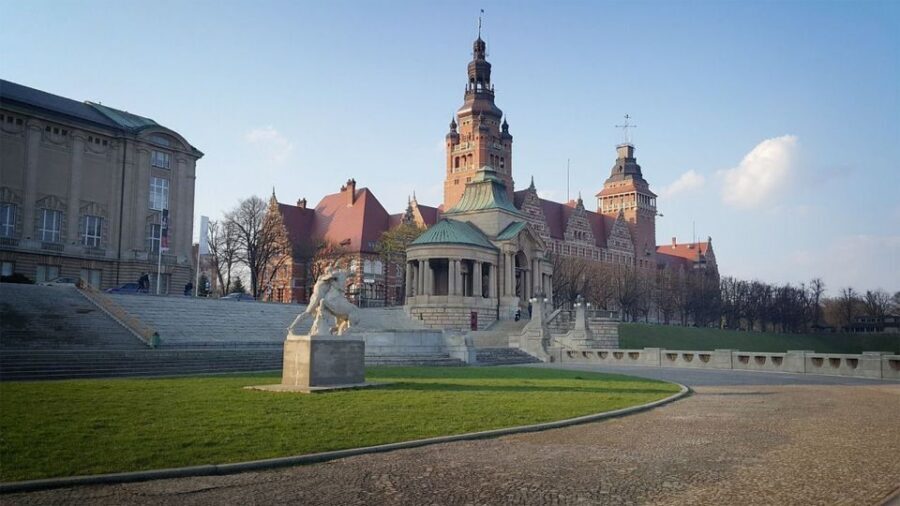
Szczecin can feel quieter than the big-name Polish cities, and that’s exactly why a private walking tour works so well here. Instead of bouncing between far-apart stops, you stitch the city together step by step, learning how medieval life, power, and defense shaped the streets you’re standing on.
You’ll get both legends and factual history tied to the Duchy of Pomerania. That matters because the buildings don’t just look old. They explain roles—who ruled, where wealth lived, and how the city protected itself. I also like that the guide format is flexible. If your group leans toward architecture, politics, or everyday medieval life, the tour can be adapted rather than locked into one script.
One more practical point: this is a 3-hour experience. That’s long enough to feel like you really learned the Old Town, but short enough that you’re not exhausted before dinner. Your feet do the job; your guide does the translating.
You can also read our reviews of more walking tours in Szczecin



Meeting at Bank Pekao SA, then heading for Plac Andersa
The tour starts at a clear, easy-to-find landmark: Bank Pekao SA, Branch in Szczecin, al. Wojska Polskiego 1. From there, the route leads you into the Old Town area and to Plac Andersa, where the tour begins in a way that’s surprisingly memorable.
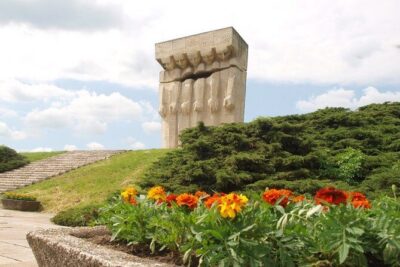
Plac Andersa isn’t just a starting square. The guide helps you notice monuments that can be easy to miss when they’re softened by trees and plants in the nearby park. It’s a small trick, but it sets the theme for the whole walk: slow down, look up, and don’t assume the most important details are the most obvious ones.
This is also where you start picking up the city’s defensive logic. You’ll hear about the remains of Szczecin’s fortifications as you walk, so the route stops being a list of sights and starts becoming a story you can picture.
St. Wojciech and Roman Catholic towers you’ll want to photograph
A major early stop is the Church of St. Wojciech, and the big win is that you don’t just pass by—you visit the interior. Church interiors always reward attention, but on a guided stop you also learn what you’re looking at, which changes your whole experience.
You’ll also see Roman Catholic churches with stunning towers from the outside along the route. From street level, towers are a quick way to read a city’s priorities. Who built them, what they symbolized, and how they shaped views over the surrounding areas—all of that becomes clearer when someone points it out.
If you’re the type who enjoys architecture without turning it into a classroom, this is a great balance. One booking mentioned a guide named Raffael and praised his German as perfect, along with deep knowledge across city history and related topics. That kind of guidance is what makes a church stop feel alive instead of rushed.
The Water Gate fountain and when the after-sunset show matters
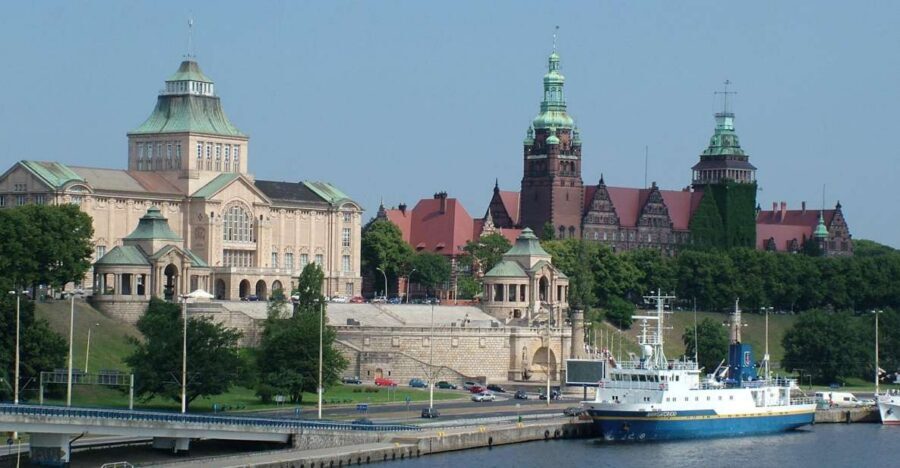
Next up is the Water Gate, a fountain described as fantastic, with a colorful water show after sunset. This is one of those details that turns the Water Gate from a pretty landmark into a time-sensitive experience.
Here’s the practical way to think about it: if your tour timing lines up closer to evening, you may catch the water show. If not, you’ll still see the fountain and learn the story behind it, just without the dramatic timing effect.
Either way, the Water Gate is useful in your overall tour. It helps you understand how water management and city life were tied together. Medieval and early modern European cities were practical about water—drinking, defense, boundaries—and Szczecin’s landmarks reflect that.
Loitz’s Tenement and Market Sienny Square: where the city’s money lived
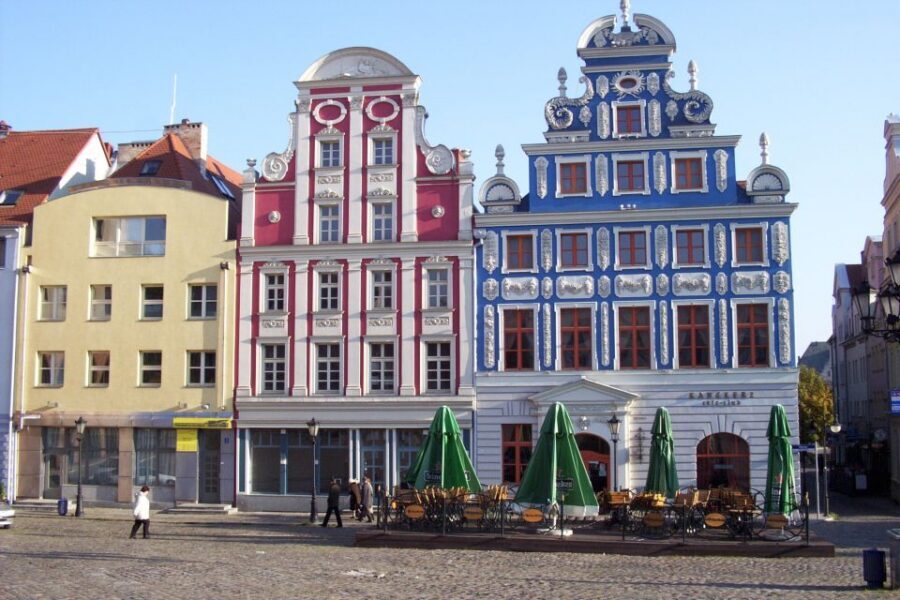
As you move through the Old Town, you’ll pass former noble residences and ornate houses. This is where Szczecin looks its most “designed,” and your guide’s job is to help you read the clues: decorative style, placement, and what kind of status different facades likely signaled.
One standout is Loitz’s Tenement. The exterior details are the headline, but it also has a modern connection: it’s home to the State High School of Visual Arts. That’s a surprisingly satisfying detail for a walking tour because it links past and present without turning the building into a museum-only object.
Then you reach Market Sienny Square and its Town Hall, one of the city’s clear power centers. Market squares are where a town’s rhythm is visible—trade, civic decisions, gatherings, and announcements. With a guide, the point isn’t just to stand in the right place. It’s to understand what happened there and why the surrounding streets developed as they did.
A nice touch: the guide also shares tips about local restaurants, patisserie, and pubs. You won’t leave with only photos and notes. You’ll leave with a plan for where to eat based on local tastes.
You can also read our reviews of more private tours in Szczecin



Cathedral Basilica of St. James the Apostle: the 14th-century anchor
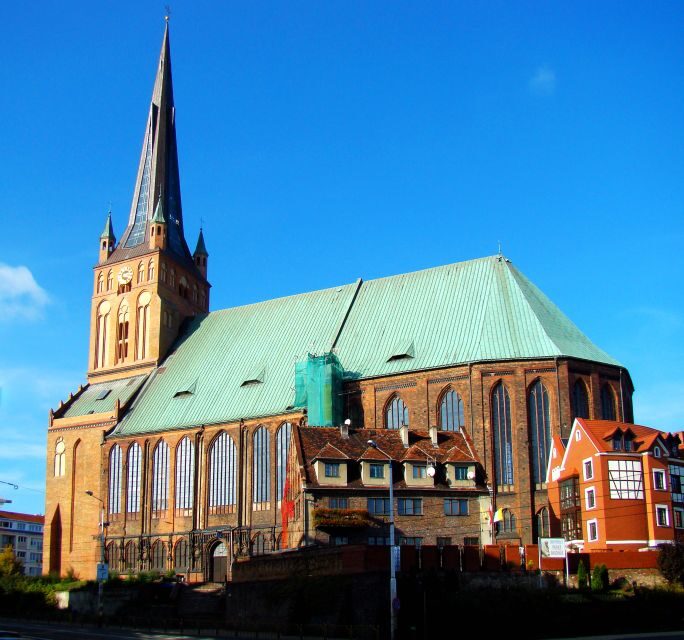
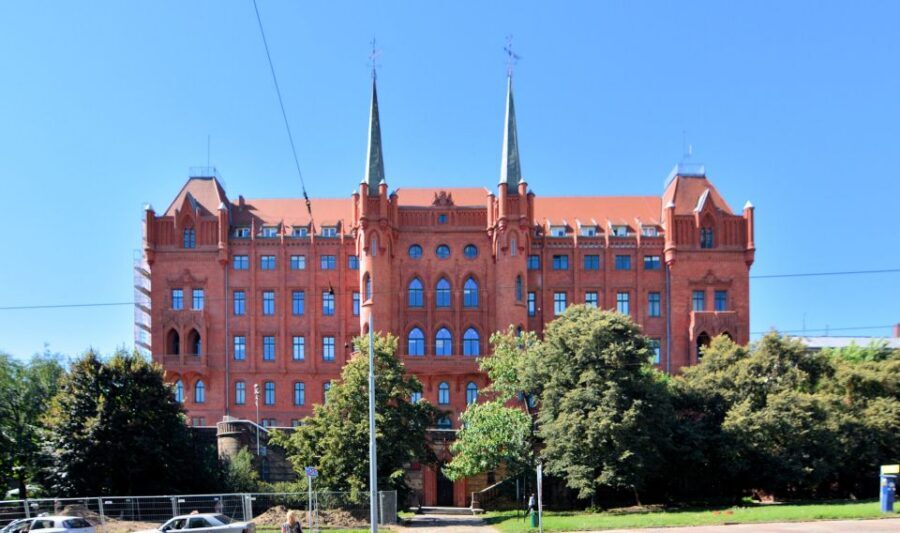
Szczecin’s 14th-century Cathedral Basilica of St. James the Apostle is a major emotional stop, even if you’re not religious. Big medieval cathedrals tend to do one thing well: they make you feel the scale of time.
On this tour, the cathedral fits into the medieval trail rather than standing alone. Your guide ties it back to the broader story—what the Duchy’s world looked like, how communities formed, and how major religious buildings reinforced political identity.
The value here is context. Without it, a cathedral can turn into a quick photo and a move along. With it, you notice details you might otherwise miss: why it dominates certain sightlines, how it connects to the idea of civic importance, and what it signals about the era’s values.
Bulwar Piastowski viewpoints and the Pomeranian Dukes’ Castle finale
This is where your walking tour starts to open up. Bulwar Piastowski is one of the best views in the city, and your guide brings you there before the big finale so you can reset your perspective.
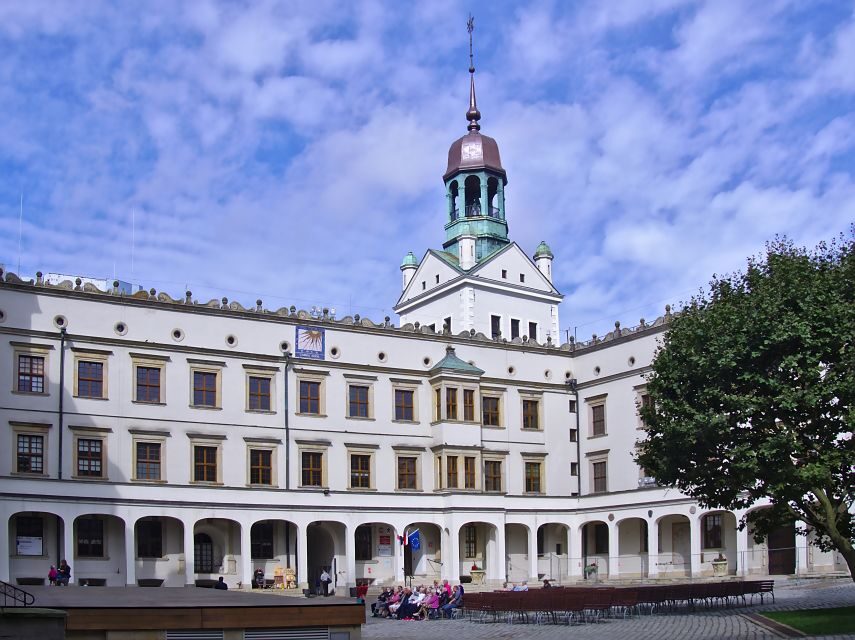
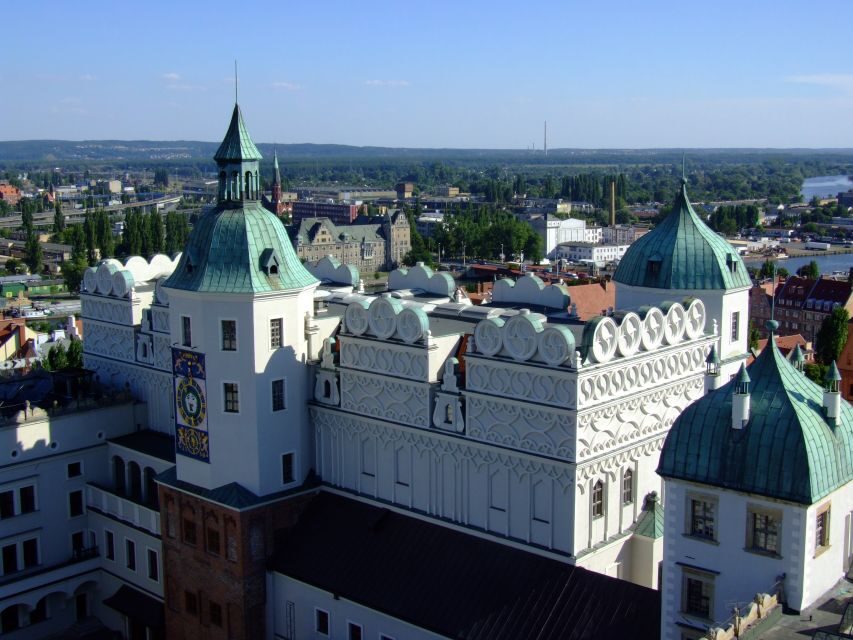
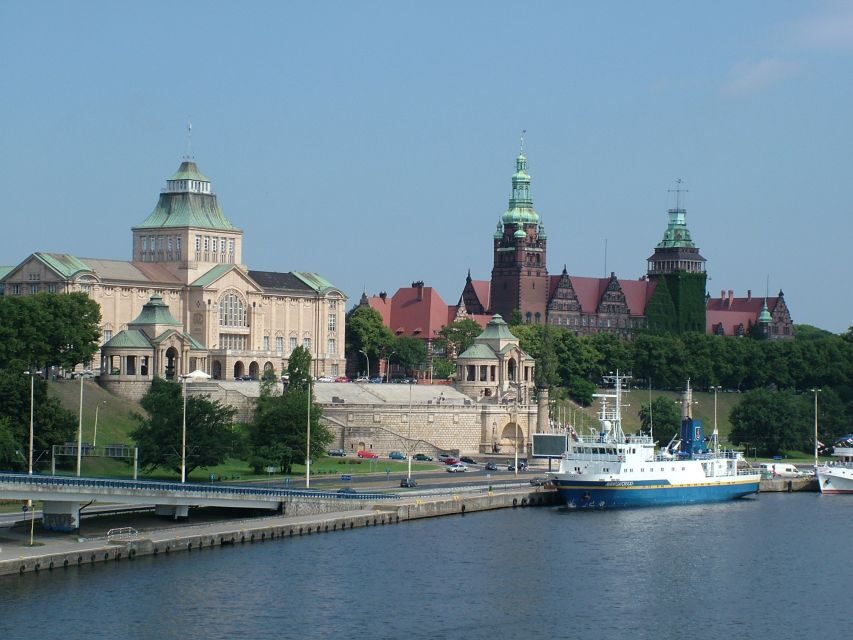
Then comes the Pomeranian Dukes’ Castle, described as the pride of Szczecin. You’ll visit the castle’s free parts, which is a good compromise on a 3-hour tour: you get the dramatic setting and key context without needing the kind of time investment a full ticketed complex might demand.
The castle is also the perfect capstone for the Duchy of Pomerania storyline. Earlier stops explain the city’s medieval machinery—churches, civic buildings, residences, and fortification traces. The castle brings it all together as the seat of power.
One review noted the tour remained strong even with rain, which makes sense. When you’re well-guided, you keep momentum and you don’t let weather steal the structure of the experience. Another review feedback point was that the highlight could have included a chance to experience or touch something directly. So if you’re hoping for a hands-on style, know this tour is primarily a visual, story-driven walk.
Wały Chrobrego promenade: finishing with river-edge calm
After the castle, you end with a stroll along Wały Chrobrego, a promenade that gives you space to breathe and absorb the city’s layout. Promenades aren’t just decorative. They’re where you can connect the dots you’ve learned while walking.
By the time you reach the river-edge stretch, the whole route starts to make practical sense. You see where the old city’s focus shifted over time, how key buildings relate to the surrounding geography, and why viewpoints like Bulwar Piastowski are placed where they are.
It’s a fitting close: you start in a park-hidden monument zone, work through medieval power points, then end by calming down with water views and architecture in one frame.
Price and value: what $128 buys for 3 hours in Szczecin
At $128 per person for 3 hours, this isn’t a “cheap and quick” option. It’s priced like a private guided experience, and the value is in the extras that add up fast on a smaller city scale.
Here’s what you’re paying for:
- A licensed local guide who can tailor the tour to your group’s preferences
- Key guided stops, including St. Wojciech (interior visit)
- Visit to Pomeranian Dukes’ Castle free parts, so you still get the centerpiece
- Built-in guidance beyond sights: restaurant, patisserie, and pub tips
- A smoother experience through context: legends, facts, and how the Duchy of Pomerania connects the dots
If you’re coming with a partner or a small group, a private format can be the smart move. You avoid waiting, you ask questions as they pop up, and you don’t have to keep pace with people who aren’t as interested in the finer details.
If you’re traveling solo and prefer self-guided wandering with a map, this may feel less necessary. But if you want to understand Szczecin quickly—and actually enjoy the walk—it’s a strong use of time.
Who this private medieval walking tour is best for
This is ideal for:
- You if you like history, but you want it explained in plain language rather than as a lecture
- You if architecture matters, especially churches, town hall areas, and ornate civic buildings
- You if you enjoy city stories tied to specific places, like the Duchy of Pomerania and fortification traces
- You if you want a guide who can respond to your group’s needs and pace
It’s also a good choice for visitors who have only a few hours in Szczecin. The route is compact, but it covers the big “read the city” anchors: Old Town squares, standout tenement architecture, cathedral scale, and the castle.
If you hate walking or need lots of seating, you might find the 3-hour format demanding. This tour is built around steady movement and looking closely.
Should you book this Szczecin Medieval Old Town Private Walking Tour?
Yes, I’d book it if you want a guided way to understand Szczecin’s medieval structure without getting lost in details. The combination of St. Wojciech interior, Loitz’s Tenement, Market Sienny Square with the Town Hall, and a strong finale at the Pomeranian Dukes’ Castle is a great spread for a short visit.
I’d hesitate only if you’re expecting a hands-on or interactive format. Based on feedback, the experience is mostly walking and storytelling, with a clear focus on what you see and why it matters. If that sounds like your kind of tour, this one is an efficient, enjoyable way to get your bearings and then enjoy the city afterward—especially with that final riverside promenade.
FAQ
How long is the Szczecin medieval Old Town private walking tour?
It lasts 3 hours.
Where do we meet the guide?
Meet in front of Bank Pekao SA, Branch in Szczecin, al. Wojska Polskiego 1, 70-470 Szczecin.
Is this tour private?
Yes, it’s a private group tour.
What languages are available?
The live guide is available in English, German, and Polish.
Which stops are included?
The tour includes a visit to the Roman Catholic Church of St. Wojciech and the Pomeranian Dukes’ Castle free parts.
Will I see Loitz’s Tenement and Market Sienny Square?
Yes. The route includes Loitz’s Tenement and Market Sienny Square with the Town Hall.
Is the Water Gate fountain show part of the experience?
The Water Gate fountain is known for a colorful water show after sunset. Whether you see it depends on your tour timing.
Is the tour wheelchair accessible?
Yes, it’s listed as wheelchair accessible.
Can I change plans if I need to cancel?
There is free cancellation up to 24 hours in advance for a full refund, and you can reserve now and pay later.