REVIEW · WARSAW
Quick – 3 hour – Overview of Warsaw
Book on Viator →Operated by Trips and Travels Poland · Bookable on Viator
Warsaw in three hours? Yes, but with brains. This private tour is a tight, smart loop through the city’s biggest “first-day” highlights, mixing short walks with drives so you spend less time figuring things out and more time seeing. You also get a clear game plan for what to follow up on after the tour.
I like two things a lot: the focus on Łazienki Park (Royal Baths Park), and the way POLIN Museum is treated like more than just a stop on a map. With the guide’s lively storytelling (Piotr is the name I kept seeing paired with strong history + humor), you don’t just pass monuments—you understand why they matter and how Warsaw layers over time.
The one drawback is the schedule is busy. You get solid introductions at each place, but if you want a slow, deep museum day, you’ll need extra time—especially at POLIN, where the exhibition portion should be planned separately.
In This Review
- Key moments that make this tour worth it
- Quick orientation: how the 3-hour loop helps your whole Warsaw trip
- Royal Baths Park (Łazienki Park): the green start that also has wartime weight
- POLIN Museum stop: Jewish Warsaw context, then a practical note about the exhibition
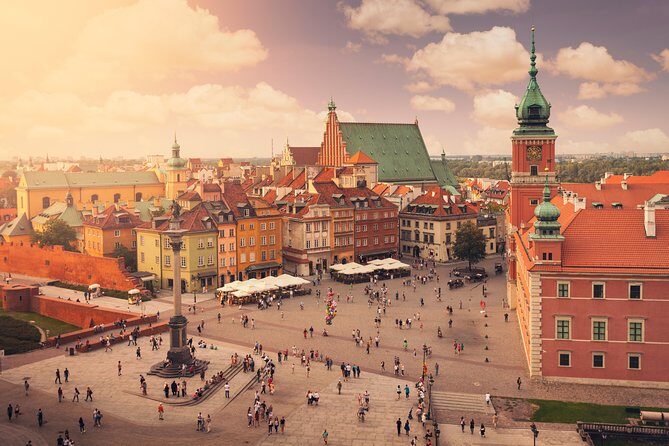
- Old Town on foot: reconstruction as the main story
- The royal museum area: former home of kings, now about Polish treasures
- Drive highlights: royal opera, the socialist square, and a big arena vibe
- Sejm, Senat, and the presidential area: seeing Poland’s democracy in context
- Getting around comfortably: pickup and air-conditioned travel
- Price and value: what $421 per person really buys
- Who should book this Warsaw overview tour (and who should skip it)
- Should you book this quick overview tour?
- FAQ
- How long is the Warsaw overview tour?
- Is this tour private?
- What language is the tour offered in?
- Does the tour include pickup?
- Are admission tickets included?
- Does the tour include POLIN Museum exhibition time?
- How will I receive the tickets?
- Can I cancel for a full refund?
- What happens after booking?
Key moments that make this tour worth it
- A private 3 to 3.5 hour format that keeps the pace efficient without turning into a sprint
- Łazienki Park time with admission included, plus room for atmosphere and small details along the walk
- POLIN Museum coverage that teaches context first, then points you toward the exhibition planning that needs more time
- Old Town with an emphasis on reconstruction, not just a postcard walk
- A scenic drive through major landmarks, from the national opera area to Sejm and Senat
- Air-conditioned vehicle travel, so you can stay comfortable between stops
Quick orientation: how the 3-hour loop helps your whole Warsaw trip
This is the kind of tour that works best on day one—or at least early in your visit—because it gives you structure. Instead of bouncing around on your own and guessing what connects to what, you get a clean storyline: nature and royal power, Jewish history and memory, Old Town rebuilding, then the modern city’s institutions and political center.
The timing also matters. The walking portions are short and purposeful: you’re in Royal Baths Park for about 45 minutes, at POLIN for about 35 minutes, and in Old Town for about 35 minutes. Everything else is handled with quick drives plus explanations. That means you’re not exhausted by the end, and you still leave with enough energy to explore independently.
The private setup is a big part of the value. You’re not stuck listening to a one-size-fits-all script while other people set the pace. In practice, a guide like Piotr—friendly, engaging, and clearly passionate—can adjust the flow so the story lands for your group.
A few more Warsaw tours and experiences worth a look
Royal Baths Park (Łazienki Park): the green start that also has wartime weight
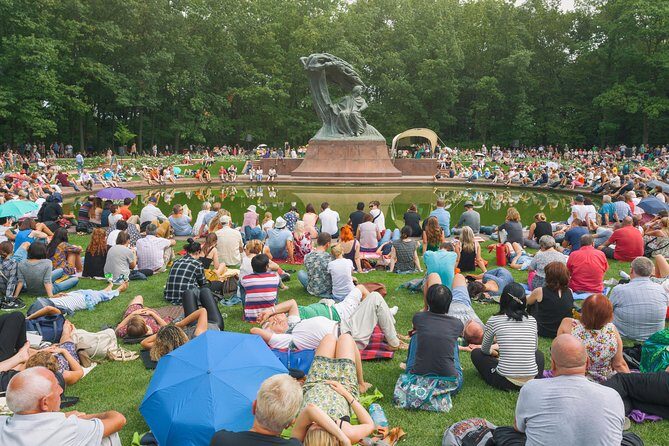
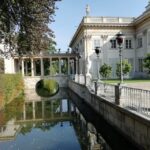
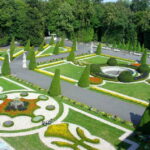
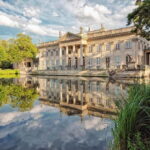
Łazienki Park is one of those places where the setting does half the work. In this tour, you get the green reset first, which is a smart move because it makes the rest of the city feel more readable. The park is framed as the most attractive green area in Warsaw’s capital, and it’s not treated like generic scenery.
Here’s the detail I think you’ll appreciate: the park’s arrangement is credited to the king, and it was not destroyed by the Nazi during the war. That matters, because it connects the beauty you see with continuity—Warsaw’s ability to rebuild without starting from zero.
You also get time to look around at monuments and buildings inside the park, and the tone stays human and story-led. One review mentioned squirrels being a highlight, which sounds small, but it tells you the guide pays attention to everyday moments in the park, not just plaques and dates. If you like to travel with your eyes open, that approach helps you notice what’s easy to miss on a quick self-walk.
How to use this after the tour: if you’re the type who likes to return, this is one of the places worth doing twice. Use the tour to learn what the major features are, then come back later when you can linger longer and pick your own walking route.
POLIN Museum stop: Jewish Warsaw context, then a practical note about the exhibition
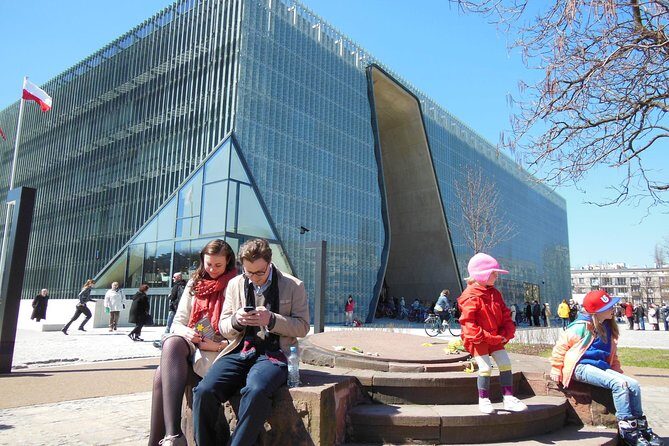
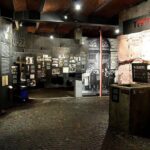
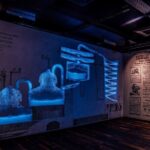
POLIN Muzeum Historii Zydow Polskich can’t be handled like a quick sightseeing checkbox. This tour treats it that way—at least in the way the stop is designed. You spend about 35 minutes inside for an introduction to the Jewish subject and for explanations that connect the museum’s design with the monument of the Heroes of the ghetto.
But there’s an important planning message built into the experience: the introduction and the monument/design talk are separate from the exhibition exploration inside the museum. You really should plan the exhibition portion separately if you want to do it justice. That’s not a complaint about time—it’s guidance that saves you from disappointment.
In a shorter tour, you’re still able to grasp the core ideas: Warsaw’s Jewish heritage, the way memory is shaped through architecture and symbolism, and why this place is essential for understanding the city. The guide’s storytelling style also helps here, because POLIN’s themes can feel heavy; good interpretation makes it easier to follow what you’re seeing.
A practical tip for your own schedule: if you only do one museum day in Warsaw, consider pairing POLIN with another major history site on a different day, so you’re not trying to compress difficult content back-to-back. If you already planned a museum-heavy itinerary, this tour’s POLIN portion can still work, as long as you reserve proper time later for the exhibition.
Old Town on foot: reconstruction as the main story
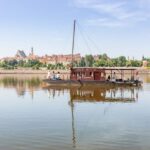
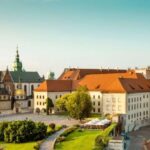
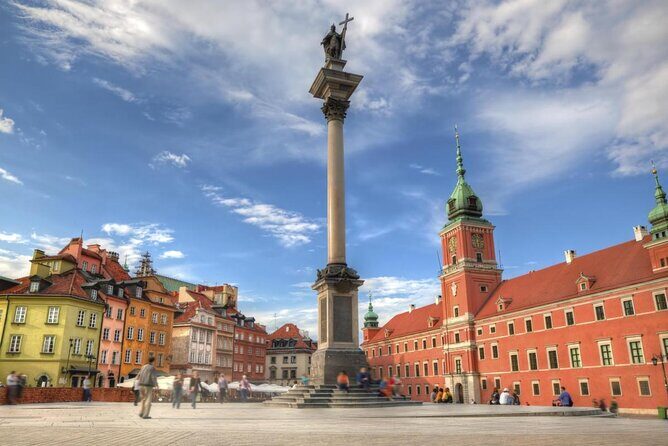
Old Town is the historical heart of Warsaw, and this tour makes it more interesting by focusing on reconstruction. You get about 35 minutes for a walk there, and the guide frames a key question: is Warsaw’s Old Town really as old as it looks?
That’s a great way to approach it because it stops you from treating the area like a museum street. Instead, you see it as a deliberate act of rebuilding—how a city chooses what to restore, what to remember, and how to present its past after catastrophe.
You’ll also get to see the kind of features that make Old Town feel like an actual neighborhood, not just a themed zone. The route description includes the city’s town hall area and the mayor’s house, which helps you connect street corners to civic life rather than only royal or memorial themes.
How to make Old Town more rewarding after this stop: after your orientation walk, pick one direction and take it slower. Don’t just pass through. Look at details, then circle back later for photos and for any small museums or viewpoints you decide you can’t skip.
The royal museum area: former home of kings, now about Polish treasures
Between Old Town’s walk and the later drives, you’ll also see the reconstructed pride of the city tied to the former home of the king of Poland. In today’s terms, it functions as one of Poland’s most important museums, with extremely valuable Polish treasures.
Even if you don’t go inside during this tour, this stop helps you understand why the building matters. It’s not only a pretty “royal” backdrop—it represents what Warsaw protects and displays about its identity. A guide who tells the story well can make that feel clearer, especially when you’ve already been thinking about reconstruction in Old Town.
This is also a good reminder that Warsaw’s big attractions aren’t all separate islands. They speak to each other: the park and royal connections, then the city’s civic core, then national culture and government.




Drive highlights: royal opera, the socialist square, and a big arena vibe
After the walking sections, you shift into a drive-and-learn rhythm. The tour includes quick looks at several major spots, each with a short explanation so you know what you’re seeing rather than just registering it.
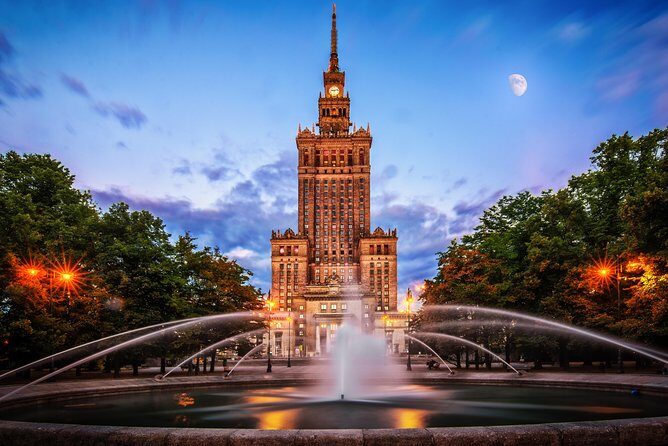
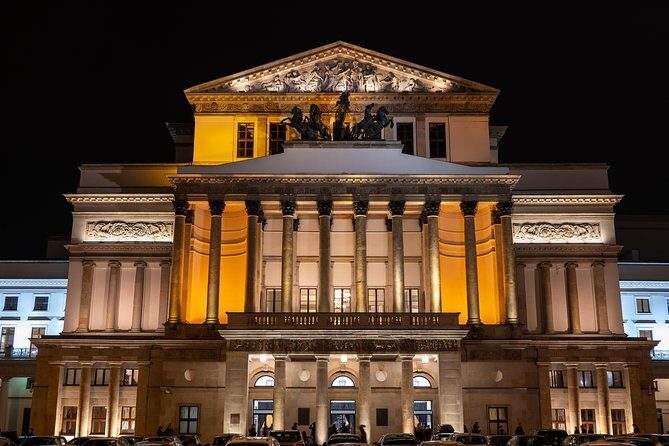
You’ll pass by the national opera house area with a history explanation. You’ll also drive next to a square known for typical communistic architecture. Those two stops create an interesting contrast: Poland isn’t presented as a single era story. It’s shown as layers—royal/past, then cultural institutions, then political architecture.
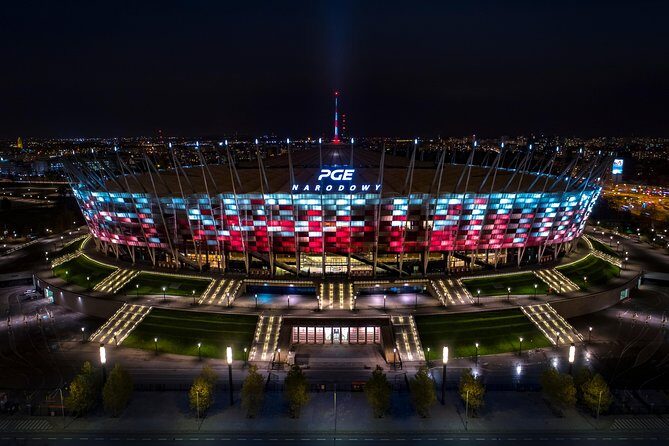
There’s also a stop description for the biggest event arena in Poland, again with a quick context explanation. Even if it’s not a place you’ll enter on this tour, it helps you orient what counts as modern Warsaw’s “big stage” venues.
Why this drive loop is valuable: it bridges gaps. When you travel on your own, you often see these landmarks as isolated photo stops. Here, they’re linked into the city’s bigger timeline, which makes later self-exploration feel more meaningful.
Sejm, Senat, and the presidential area: seeing Poland’s democracy in context
The most clearly “now” part of the tour is the government zone. You’ll drive by the HQ of both chambers of the Polish parliament: the Sejm (lower house) and the Senat (upper house). The guide explains how the internal organization works, not just where the buildings sit.
Then there’s a stop tied to the president’s residence, where Andrzej Duda lives. That’s a direct connection to modern power structures and helps you place what you’ve been hearing into real civic geography.
This section is short, but it’s useful. It’s one thing to read about government, and another to stand back, look at the buildings, and get a quick map in your head: which institution does what, and how the city supports those roles.
If you’re the sort of traveler who likes to understand the “how does this country work?” side of travel, these final stops tend to stick in your mind more than you expect.
Getting around comfortably: pickup and air-conditioned travel
The tour offers pickup from any location in Warsaw, and you’ll ride between stops in an air-conditioned vehicle. You’ll also receive a mobile ticket, which is handy if you don’t want to juggle paper tickets on a short, timed outing.
In practical terms, comfort and transit ease matter here because the schedule mixes short walking bursts with multiple drive passes. When the transport is smooth, your brain stays focused on the explanations instead of the logistics.
Price and value: what $421 per person really buys
At about $421.03 per person for roughly 3 to 3 hours 20 minutes, you’re paying for three things: a private guide, timed access to several key stops, and included admissions for certain locations.
Admission tickets are included for Royal Baths Park, POLIN Museum, and Old Town as outlined in the plan. That inclusion matters because it reduces friction and adds predictability on a short schedule. You also get the guide’s interpretive work—storytelling that connects places you’d otherwise treat as separate.
Is it cheap? No. But it’s also not priced like a half-day museum marathon. For first-timers who want to see the major structure of Warsaw early, this feels like a good “pay once for orientation, then explore more cheaply on your own” strategy.
Who should book this Warsaw overview tour (and who should skip it)
This tour fits best if you:
- want a first-day orientation without cramming hours of transit
- like guides who use story + humor to keep history clear and human
- want to connect multiple themes (royal Warsaw, Jewish heritage through POLIN, reconstruction in Old Town, then government institutions)
- prefer a private format over big groups
You might choose something else if you:
- plan to spend a full day at POLIN and want zero time limits
- hate walking (the walking stops are brief, but you do walk)
- want every stop to include deep museum time rather than introductions
Should you book this quick overview tour?
If your goal is to get your bearings fast and leave Warsaw with a storyline you can follow on your own, this is a strong choice. The biggest strengths are the guide-led pacing, the interpretation (especially reconstruction in Old Town and the POLIN context), and the smart mix of walking with comfortable drives.
I’d book it when:
- you’re short on time but want Warsaw’s essentials
- you’re interested in how the city rebuilt its identity
- you want practical guidance for what to return to later
I’d skip or add extra days when:
- you want slow museum reading time, especially at POLIN
- you’re already deeply confident with Warsaw’s history and architecture and just want pure wandering
FAQ
How long is the Warsaw overview tour?
It runs about 3 hours to 3 hours 20 minutes.
Is this tour private?
Yes. It’s a private tour/activity, and only your group participates.
What language is the tour offered in?
The tour is offered in English.
Does the tour include pickup?
Yes. Pickup is provided from any location in Warsaw.
Are admission tickets included?
Admission tickets are included for Royal Baths Park, POLIN Museum Historii Zydow Polskich, and Old Town as stated in the tour details.
Does the tour include POLIN Museum exhibition time?
The POLIN portion includes an introduction and museum/design context plus the monument of the Heroes of the ghetto, and it notes that the exhibition exploration inside should be planned separately.
How will I receive the tickets?
You get a mobile ticket.
Can I cancel for a full refund?
Yes, you can cancel for a full refund if you cancel at least 24 hours in advance of the experience start time.
What happens after booking?
You’ll receive confirmation at the time of booking.