REVIEW · WARSAW
Polish Cuisine and Liqueur Tasting Experience
Book on GetYourGuide →Operated by Krypa Spółka z Ograniczoną Odpowiedzialnością · Bookable on GetYourGuide
There are two kinds of Polish comfort food. One is on your plate. The other is in the liqueur tasting that runs with it, all set at Marina Warszawa on the Vistula. I especially like how the courses are tied to specific drinks, and how the menu keeps you moving from sour to savory to sweet. The one catch: it’s an adult-only table, so if you’re traveling with kids, you’ll need another plan.
This experience is also a good fit if you want Polish hospitality without a stiff, formal vibe. In the space on the water, hosts like Agnieszka and Andrina come across as warm and present—helpful with questions, but not hovering. You’ll get explanations that make the food and the alcohol feel connected, not random.
My main caution is practical: you’ll be tasting several liqueurs plus vodka-style pours, so plan your evening accordingly. That said, the pace is built for savoring, and the finishing apple pie with a cherry-liqueur signature drink is the kind of sweet that makes the whole meal feel complete.
In This Review
- Key things to know before you go
- Marina Warszawa: modern comfort on the Vistula river
- Getting started the right way: bread with lard and the first sips
- Żurek and red noble borscht: sour rye and a later borscht moment
- Dumplings take center stage: four styles plus mushroom comfort
- How the liqueur pairings actually work (and why it’s more fun than it sounds)
- Dessert doesn’t just end the meal; it completes it
- Hosting that feels personal: warm, organized, and easy to ask questions
- Price and value: why $67 for two hours can make sense
- Who this tasting suits best (and who might skip it)
- Quick plan: finding Marina Warszawa from Copernicus Science Center
- Should you book this Polish cuisine and liqueur tasting?
- FAQ
- How long is the Polish cuisine and liqueur tasting?
- Where is the meeting point?
- Is it only for adults?
- Are there vegetarian options?
- What drinks are included?
- What food is included in the tasting?
Key things to know before you go
- River setting at Marina Warszawa: Modern Polish dining right on the Vistula.
- Pairings for every course: Regional vodka, then multiple liqueurs plus Old Polish vodka.
- Four dumpling styles: Cheese and potato, meat, millet, Korocin cheese and mushrooms, plus cabbage and mushrooms.
- Apple pie + cherry liqueur: Warm pie with ice cream, plus a signature cherry-liqueur drink.
- Warm, organized hosting: Friendly, professional, and easy to ask questions.
- Adult-only: Not suitable for children under 18.
Marina Warszawa: modern comfort on the Vistula river
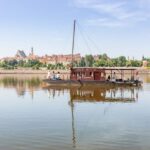
The setting is half the experience. You’re not doing this in a crowded dining room; you’re on a large brown two-level barge called Marina Warszawa, with the Vistula right there. It has that pleasant “we made an event out of dinner” feeling, but still stays cozy and relaxed—especially when weather isn’t perfect.
What I like about this kind of location is that it changes your pace. Even before the first food arrives, you’re not just watching clocks. You’re in Warsaw, but you’re also getting that slow-river mood: people settle in, conversations stay easy, and the meal becomes the main event for the next two hours.
One consideration: river views and a barge setting can mean you’ll notice temperature shifts outside. Dress like you’re walking by water, not like you’re inside a sealed restaurant.
You can also read our reviews of more food & drink experiences in Warsaw


Getting started the right way: bread with lard and the first sips
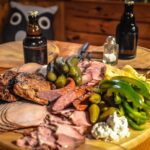
Dinner opens simply, which I appreciate. You start with a slice of fresh bread with lard (there’s also a vegetarian version) and pickled cucumbers. It’s a classic Polish start: salty, tangy, and bright. You’re getting your palate ready for sour soups and savory dumplings that come next.
Then the drink portion kicks off. You’ll have an aperitif made with regional vodka, and you’ll keep tasting through the meal. The table also gets a carafe of lemonade and water, which is a smart touch—so you’re not stuck choosing between alcohol and dehydration.
If you’re the type who likes to understand what you’re drinking, you’ll probably enjoy the structure here. It’s not just a pour and a plate. The idea is that each course gets a companion drink to help you notice different flavors and textures.
Żurek and red noble borscht: sour rye and a later borscht moment
After the bread and cucumbers, you move into soup. The first one is Żurek, a classic sour rye soup. It’s the kind of dish that makes you pay attention: sour notes, depth, and that yeasty, tangy rye character that’s very “this is Poland, right now.”
Then there’s red noble borscht, described as slightly dry and full of aroma. A key detail for your expectations: the borscht is served after the main course, not immediately with the first soup. That means you should mentally plan for a second act—dumplings first, then borscht as a palate reset.
Why that order works: soups at the start can sometimes blur the flavors of what comes next. By pushing the borscht later, the meal gives you a chance to enjoy dumplings while you’re hungry, then come back to something aromatic and structured when you’re ready for it again.
Dumplings take center stage: four styles plus mushroom comfort
Main course is built around dumplings, and not just one type. You’re served four types, including:
- with cheese and potato
- with meat
- with millet
- Korocin cheese and mushrooms
- plus cabbage and mushrooms
That’s a lot of variety for two hours, and it’s a big part of the value. Dumplings are one of those foods where the filling changes everything: creamy, hearty, savory, earthy. Rotating fillings keeps your palate engaged, so you don’t get stuck eating the same flavor over and over.
Here’s the practical takeaway for you: pace yourself between courses. With dumplings plus multiple drink pairings, you’ll do better if you take smaller bites and taste actively. If you rush, you’ll miss how each pairing is meant to interact with the filling.
Also, if you’re thinking “Will I have vegetarian options?” you likely have a smooth time. The experience explicitly notes vegetarian options, and the menu includes components that can fit vegetarian preferences (like cheese, millet, and mushroom-forward dumplings). It’s still worth speaking with the host at the start so you know what’s best for your dietary needs.
How the liqueur pairings actually work (and why it’s more fun than it sounds)
The drinking program is a centerpiece, and it’s structured enough that it feels educational without becoming a lecture. Each dish is paired with a carefully selected Polish liqueur. During dinner, you’ll also have:
- a regional vodka aperitif
- five regional liqueurs (20 ml each)
- a traditional Old Polish vodka (20 ml)
That’s a lot of tasting in a short window, but it’s portioned. The whole point is to enhance the food, not to overwhelm you. I like that the pours are measured, because it keeps the experience from turning into random shots. You’re meant to notice how the drink changes the way you experience the course.
One more detail that matters: the host selects combinations to help you discover flavor pairings you might not think to try on your own. If you’ve ever had liqueur once and found it either too sweet or too boozy, this approach can reset your idea of what it can taste like when matched to the right meal.





Dessert doesn’t just end the meal; it completes it
You finish with a classic Polish comfort dessert: warm apple pie made from Polish apples, served with ice cream. It arrives warm, sweet, and simple, with that familiar baked-apple aroma that feels like a finish line.
Then comes the signature drink detail. Your dessert includes a signature drink made with Polish cherry liqueur. You’re not just eating pie; you’re pairing it. And the experience also includes coffee or tea with dessert.
That pairing choice makes sense. Apple and cherry live in the same sweet-and-fruity neighborhood, but cherry tends to add a darker, more aromatic note. The result is a finish that feels intentional rather than an afterthought.
If you’re watching your sugar or alcohol intake, you can still do this. The desserts and coffee/tea give you a non-alcoholic way to settle afterward, and the table water and lemonade help.
Hosting that feels personal: warm, organized, and easy to ask questions
The vibe matters here, and the best part is that it’s not staged. Hosts like Agnieszka and Andrina show up as genuinely warm—smiling, attentive, and ready with answers—while still giving you space to enjoy dinner as a couple or in your own group rhythm.
What stands out is the combination of professionalism and comfort:
- the experience is well organized
- the host can explain what you’re tasting
- questions feel welcome
- the meal doesn’t rush you out the door
I also love the way people describe it as cozy, even when the weather isn’t ideal. On a river barge, that matters. You don’t want a cold, awkward dinner. You want a warm room feel, even if you’re eating beside open air.
Price and value: why $67 for two hours can make sense
At $67 per person for a two-hour tasting, you’re paying for more than food. You’re paying for:
- a multi-course traditional Polish menu
- multiple drink pairings throughout the meal
- a measured alcohol program (including Old Polish vodka and five liqueurs)
- coffee or tea with dessert
- lemonade and water at the table
- a venue experience on the Vistula in a modern barge setting
This isn’t the kind of meal where you get one dish and a single drink. You get a full run: bread and cucumbers, soup, dumplings in multiple styles, a borscht “second act,” and apple pie with cherry-liqueur accompaniment.
Also note what’s not included: transportation to and from the venue. That’s normal for city experiences, but it affects your real cost. If you’re coming by tram or taxi anyway, you’ll likely be fine. If you’re coming from far outside central Warsaw, factor travel time into your schedule.
Who this tasting suits best (and who might skip it)
This is made for adults who want a real Polish food-and-drink introduction in a short window. It’s especially good if you:
- like trying different dishes without planning them yourself
- enjoy drinking in small, structured tastings
- want a unique Warsaw setting without a complicated itinerary
- travel as a couple and like conversational hosting
It’s explicitly for adults only, and it’s not suitable for children under 18. So if you’re traveling with family, you’ll need to find another activity.
If you’re sensitive to alcohol, be aware that you’ll be tasting regional vodka, five liqueurs, and Old Polish vodka, plus a cherry-liqueur signature drink. The pours are portioned, but it’s still alcohol.
Quick plan: finding Marina Warszawa from Copernicus Science Center
Your meeting point is the Copernicus Science Center near Warsaw’s river area. From there:
- When you exit your taxi, subway, or bus at Copernicus Science Center, head toward the Vistula boulevards.
- Take the stairs straight down to the river.
- Walk about 300 meters left along the boulevard.
- Look for a large brown, two-level barge named Marina Warszawa.
- Walk up the gangway and go straight into the bar.
- Show your reservation at the bar, without waiting in line.
One practical tip: give yourself a few extra minutes. River stairs and finding a barge can feel easier once you’re already down there.
Should you book this Polish cuisine and liqueur tasting?
I’d book it if you want a straightforward, high-value experience that pairs traditional Polish dishes with drink tastings in a way that actually makes sense. The combination of dumpling variety, a structured Old Polish vodka and liqueur program, and a dessert finish with Polish cherry liqueur makes the whole meal feel like one coherent evening.
Skip it if alcohol is a hard no for you, or if you’re traveling with children under 18. And if you’re the kind of diner who hates being served multiple courses quickly, you might prefer something slower and less “tasting menu” focused.
If you do book: come hungry, pace your bites, and ask the host what to try next. That’s when the pairings stop feeling like a script and start feeling like a personal discovery.
FAQ
How long is the Polish cuisine and liqueur tasting?
The experience lasts 2 hours.
Where is the meeting point?
Meet at the Copernicus Science Center in Warsaw. From there, go toward the Vistula boulevards, take the stairs down to the river, walk 300 meters left, and enter Marina Warszawa through the gangway.
Is it only for adults?
Yes. It is only for adults, and it is not suitable for children under 18.
Are there vegetarian options?
Yes. A vegetarian version is available for the bread at the start, and the experience offers vegetarian options.
What drinks are included?
You’ll get an aperitif made with regional vodka, five regional liqueurs (20 ml each), a traditional Old Polish vodka (20 ml), plus a signature drink made with Polish cherry liqueur with your dessert. Lemonade and water are also served at the table.
What food is included in the tasting?
You’ll have bread with lard (or vegetarian version) and pickled cucumbers, Żurek sour rye soup, red noble borscht (served after the main course), four types of dumplings (including cheese and potato, meat, millet, Korocin cheese and mushrooms, and cabbage and mushrooms), and warm Polish apple pie with ice cream plus coffee or tea.