REVIEW · WARSAW
In 10 days around Poland – by train, with hotels and local tours
Book on Viator →Operated by GFP Travel - Tours in Poland · Bookable on Viator
One question first: can you do Poland fast?
This train-focused route makes the country feel connected, not chopped up, with guided history in Warsaw, Gdańsk, Wrocław, and Kraków plus real “wow” stops like Malbork. Local-driver pick-ups between stations and calm 1st-class train legs are the glue.
What I like most is the combination of easy rail logistics and hands-on local guides who stay practical, on time, and responsive. In reviews, the organizer Tomasz came through when plans needed adjusting, and at least one guide (like Jola) handled meet-and-greet moments smoothly.
The main drawback: it’s a busy pace. You’ll have long guided days (often half-day or more) and travel transfers stacked right into the schedule, so it helps to travel with a moderate walking style and a flexible attitude.
## Key Highlights You’ll Care About
- Small group size (max 10) with an English-speaking format
- 1st-class trains between cities, plus hotel/ station driver transfers
- Warsaw to Gdańsk to Malbork for medieval-meets-modern history on one thread
- Oliva Dome organ concert as a rare cultural add-on
- Wrocław highlights from Ostrów Tumski Cathedral to Aula Leopoldina
- Day 10 choices: Wieliczka Salt Mine, Auschwitz-Birkenau, or Kraków’s Kazimierz
In This Review
- Why This 10-Day Poland Train Route Works (and When It Doesn’t)
- Price and Value: What You’re Really Buying
- Getting Met, Then Letting the Train Handle the Hard Part
- Day 1 in Warsaw: Settle In the Easy Way
- Day 2 Warsaw Old Town and Lazienki: Royal Route + Palace on the Water
- Day 3 to Gdańsk by Direct Train: Solidarity Roots First
- Day 4 Gdańsk Old Town and the Oliva Dome Organ Concert
- Day 5 Malbork Castle: Medieval Brick Power
- Day 6 Poznań: Cathedral to Renaissance Town Hall
- Day 7 to Wrocław: Lower Silesia Capital Mode
- Day 8 Wrocław Highlights: Ostrów Tumski, Aula Leopoldina, Market Square
- Day 9 Kraków Old Town: Cloth Hall to Wawel Hill
- Day 10 The Kraków Region Choice: Wieliczka, Auschwitz-Birkenau, or Kazimierz
- Hotels, Comfort, and the Real-Life “How It Feels”
- Who This Trip Is Best For
- Should You Book This Poland Rail Tour?
- FAQ
- What cities are included in this Poland rail trip?
- What’s included in the price?
- Are dinners included?
- Is the tour offered in English?
- What choice do I make on the final day?
- How many people are in the group?
- Is this tour refundable if plans change?
Why This 10-Day Poland Train Route Works (and When It Doesn’t)
If you’ve ever tried to plan Poland on your own, you know the trouble spots: getting between cities, timing museums, and deciding what’s “must-see” versus “nice-to-see.” This trip is built to solve that. You get a clear rhythm—arrive, get settled, guided old-town time, then move to the next city by direct rail with someone meeting you.
I also like that the schedule isn’t only postcard stops. You’ll do big-ticket sights, but you’ll also get smaller, very specific moments: the Palace on the Water in Warsaw, the Solidarity Monument and Gdańsk shipyard area, and then later the choice day that can lean toward underground history (Wieliczka), the heavy-hitting memorial (Auschwitz-Birkenau), or Jewish heritage (Kazimierz).
When it doesn’t fit you: if you want lots of long, quiet afternoons with no planning pressure, this may feel packed. The itinerary has free time built in, but the structure keeps you moving. It’s not “slow travel.” It’s “smart touring.”
Price and Value: What You’re Really Buying
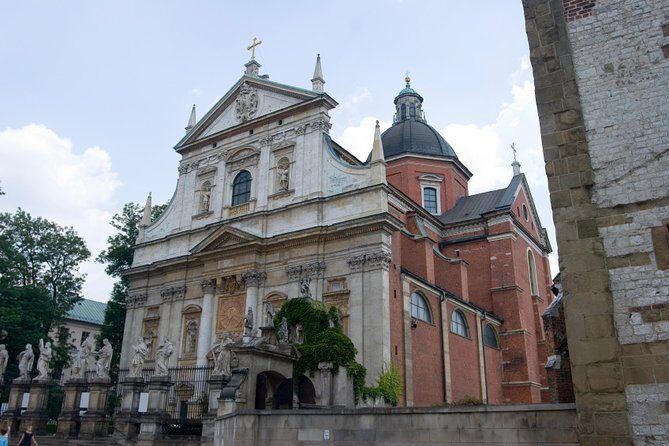
This tour is listed at $3,900 per person for about 10 days. That price is mainly buying three things:
First, it buys down the stress of getting around. You’re not stitching schedules together. You have driver transfers to and from stations, and 1st-class train tickets between major cities like Warsaw to Gdańsk, and then Gdańsk to Poznań, Poznań to Wrocław, and onward to Kraków.
Second, you’re paying for guided context. The trip includes local guides for the city highlights, so you’re not just walking through places that look impressive but don’t mean much. This is especially useful for sites like Malbork Castle or the dense history of Kraków’s core area.
Third, you’re paying for comfort and timing. Hotels are 3 / 4 and you get air-conditioned vehicle support where it’s used. You also get 9 breakfasts, which is one less decision every morning.
What you’re not paying for: dinners aren’t included. One optional dinner in Kraków (with live music) is offered later in the trip, but the baseline assumption is you’ll eat on your own.
So the value question becomes simple: do you want your trip organized for you, with guided time and rail set up? If yes, the price feels easier to justify.
You can also read our reviews of more tours and experiences in Warsaw.


Getting Met, Then Letting the Train Handle the Hard Part
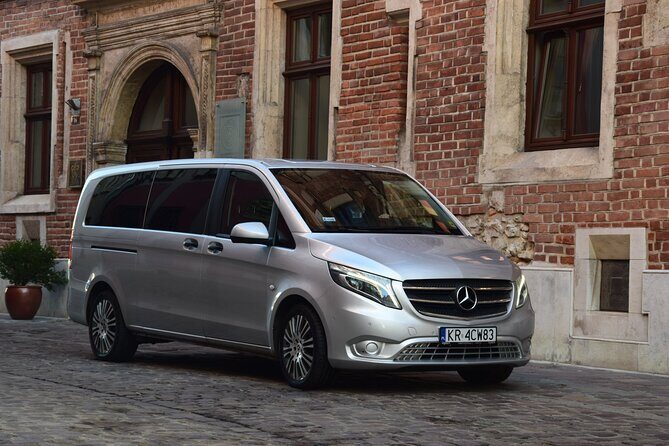
The tour runs with a “people meet you” approach. You arrive, you’re picked up, and you’re transferred to a central hotel. Between cities, your driver handles station connections, and you ride direct trains where the itinerary calls for it.
That matters because in Poland, train travel is very doable, but station-to-city center can still take time. By having the handoff managed, you keep the day for sightseeing instead of logistics.
Small-group size helps too. This route is capped at 10 travelers, which usually means less waiting and less chaos than bigger tour buses. You’re also in an English format, so you’re not stuck reading museum signs while your guide explains something you can’t follow.
One practical note: the provided start meeting point details list Kraków-Balice airport, while the first day description talks about arrival in Warsaw. Your confirmation message should clarify the exact meet-and-greet plan for your booking. Do check it before you fly.
Day 1 in Warsaw: Settle In the Easy Way
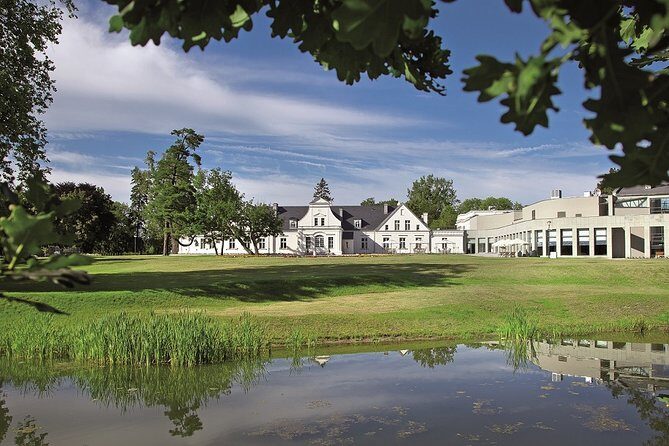
You start with arrival in Warsaw by airport or train station, then a transfer to a centrally located hotel. The rest of the day is basically yours—relax, recover from the journey, and get your bearings.
Why I think this “arrival day” matters: Warsaw old streets are best enjoyed when you’re not rushed. If you’re coming from outside Poland, this buffer helps you actually enjoy Day 2 instead of just surviving it.
Overnight stays are at 3 / 4 hotels as listed, so you’re not gambling on comfort after a travel day.
Day 2 Warsaw Old Town and Lazienki: Royal Route + Palace on the Water
Day 2 is a half-day guided tour with a strong lineup.
You’ll cover Warsaw’s:
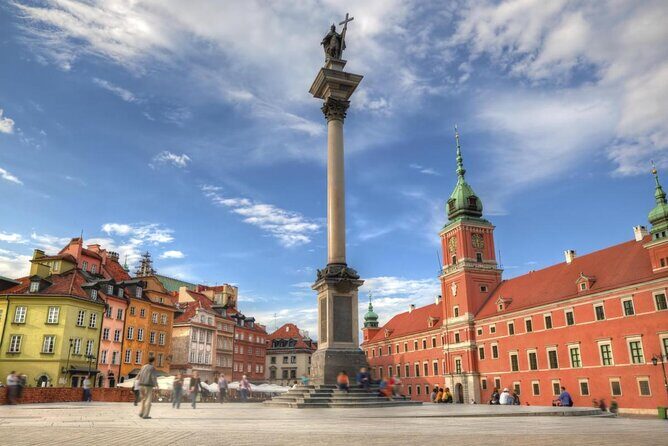
- Royal Castle and the Royal Route
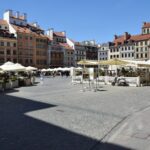
- Old Market Square and the Barbican
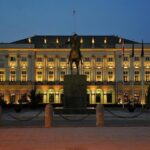
- Krakowskie Przedmiescie
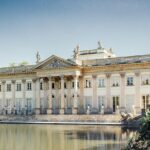
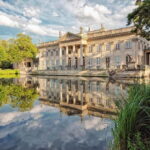
- Then out to Lazienki with its gardens and the Palace on the Water
This combination is smart. The Old Town core gives you the dense city story, while Lazienki shifts the mood to gardens and monumental architecture. That contrast helps the day feel varied rather than one long museum loop.
Admission tickets are included for this day, which is one of the small ways the trip reduces friction. In plain terms: you spend more time seeing and less time figuring out ticket lines.
If you love photography, this is a strong day. Warsaw’s mix of rebuilt historic streets and palace settings gives you plenty of angles without needing a car.
Day 3 to Gdańsk by Direct Train: Solidarity Roots First
Breakfast first, then you head to the Warsaw station with driver help. You take a direct train to Gdańsk, and arrive later that day.
Gdańsk is introduced through a big idea: it’s the birthplace of Solidarity, and the city’s identity is tied to shipyard history and civic resistance. Even before you tour old streets, the framing gives you a lens.
You’ll check in at a centrally located hotel and get downtime. This is a good pattern: arrive, settle, then tour properly the next day.
One more logistics win: transfers are handled for you, so you’re not juggling bags plus public transport right after your train ride.



Day 4 Gdańsk Old Town and the Oliva Dome Organ Concert
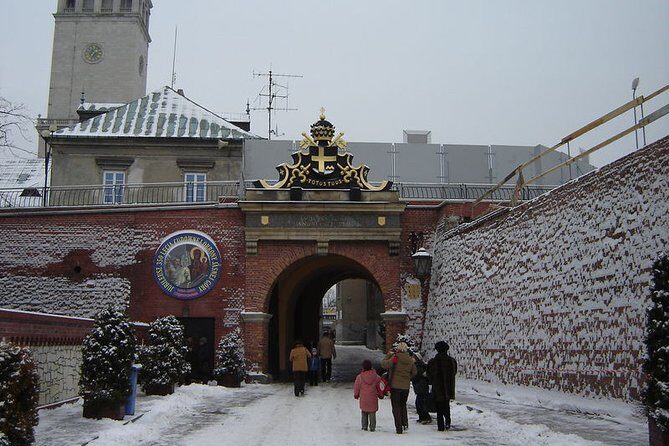
This is one of the itinerary’s standout days because it blends walking history with a formal concert setting.
Your guided day includes:
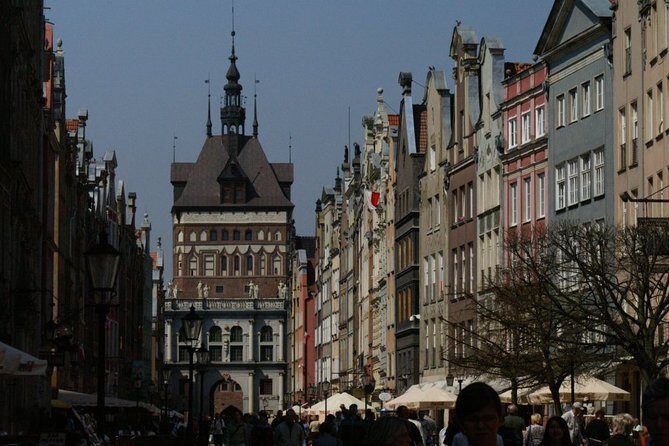
- Golden Gateway
- Neptun’s Fountain
- Artus Court
- Uphagen house
- Dluga Street and Mariacka Street
- the wooden Crane by the Motława River
- and a stop at the Solidarity Monument at the Gdańsk Shipyard
Then the afternoon includes a concert at Oliva Dome—an organ music concert in a cathedral setting known for its organs.
This is a great “value add” because it’s not the kind of thing most first-time visitors plan on their own. It also gives you a slower tempo after a walking-heavy morning. If you’re a fan of live music, you’ll likely love this pairing of city history and sound.
Admission tickets are included on this day. That again reduces admin time.
Day 5 Malbork Castle: Medieval Brick Power
After breakfast you travel to Malbork for the largest medieval brick castle in Poland. You get a half-day guided tour of the castle, with the option for lunch inside the castle restaurant.
Then you head back to Gdańsk for relaxation, gift shopping, and private walks.
Why Malbork hits: it’s not only architecture. It’s scale. Brick fortress walls and castle layout feel different from the “palace look” of other places. A guided visit helps you understand what you’re seeing—defenses, court spaces, and how the site functioned.
Admission tickets are listed as free on this day, which means you’re not eating that extra cost separately. Either way, Malbork is the day that gives your brain a break from modern street-level tourism and makes you think in terms of medieval power.
Day 6 Poznań: Cathedral to Renaissance Town Hall
You travel by train to Poznań, described as a fairs center. Check in at your hotel, then enjoy an afternoon guided tour that includes:
- the Cathedral
- the Renaissance Town Hall
- the Baroque Church of St. Mary Magdalene
This day is a good “middle” in the route. It keeps momentum, but it’s less packed than Gdańsk’s full guided sweep. It’s also a nice change of scenery—Poznań feels more compact and less coastal than Gdańsk.
Admission is listed as free for this day, so you’ll mainly pay through your own meals and any personal stops you add.
Day 7 to Wrocław: Lower Silesia Capital Mode
Poznań to Wrocław is another direct train. You’ll be met at the station and transferred to a hotel, with time to unwind.
Wrocław is known for its rivers and layered old town, and this itinerary sets you up for a proper guided day the next morning. By the time you’re walking streets, you’re not doing it on zero-sleep energy.
If you like cities where you can wander without constantly needing a ticket, Wrocław is a strong fit.
Day 8 Wrocław Highlights: Ostrów Tumski, Aula Leopoldina, Market Square
Day 8 is a guided city tour that focuses on Wrocław’s major historic anchors:
- Ostrów Tumski and its Cathedral
- the University with Aula Leopoldina (baroque hall)
- then a stroll around the Market Square, with restored tenement houses and the Gothic City Hall
Admission tickets are included on this day.
There’s a practical upside here: the route is structured around walkable clusters. You get important landmarks, but the guide ends with a market-area stroll so you can breathe and explore at your pace in the afternoon.
If you’re the kind of traveler who likes to end a tour with a little freedom, this day is set up well.
Day 9 Kraków Old Town: Cloth Hall to Wawel Hill
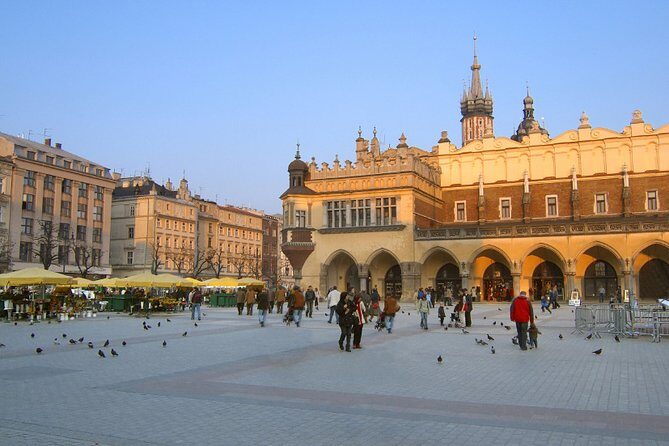
You head to Kraków by direct train. After checking in, you get a half-day guided tour focused on the classic core:
- Rynek Główny (Central Square)
- Cloth Hall
- St Mary Basilica
- walking along the Royal Route
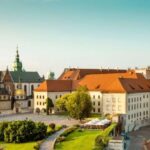
- up to Wawel Hill with the cathedral and Royal Castle
After that, you have private time for a walk, plus an optional dinner with live music at a regional restaurant for $45 per person.
Admission tickets are included on this day, so the tour portion is financially simpler.
Kraków is also where many people feel the “vacation switch” flip—from tour mode into wandering mode. The mix of guided landmarks and free time helps. If you go for that live-music dinner, it’s a good way to end the day without hunting for a plan yourself.
Day 10 The Kraków Region Choice: Wieliczka, Auschwitz-Birkenau, or Kazimierz
Breakfast first, then the final highlight day depends on your choice:
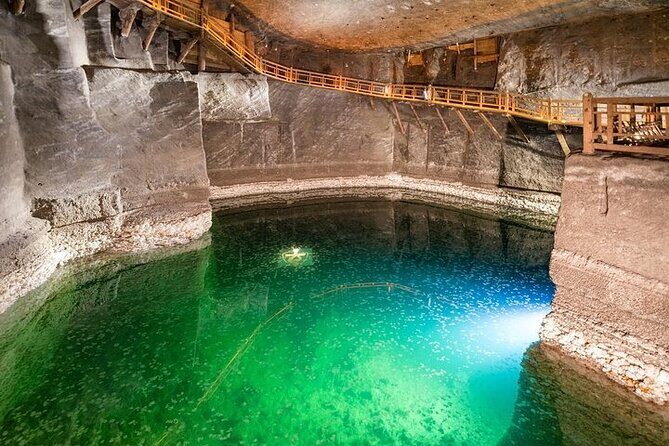
- Wieliczka Royal Salt Mine tour
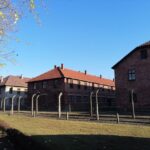
- or Auschwitz–Birkeanu Nazi German Camp – Museum
- or a half-day tour of Kazimierz, the Jewish district in Kraków
Your afternoon then ends with transfer to Kraków airport or train station for departure.
This is the trip’s emotional pivot point. The route covers centuries of Polish and European history, but this choice day forces you to decide what kind of impact you want.
A practical tip for deciding: if you want something visually spectacular and hands-on, consider Wieliczka. If you want the most historically serious experience, choose Auschwitz–Birkenau. If you want culture and neighborhoods, Kazimierz is the “walk and learn” option.
Admission is listed as included for this day, which helps keep the overall pricing predictable.
Hotels, Comfort, and the Real-Life “How It Feels”
Hotels are 3 / 4 and centrally located. That’s a big deal on a tour like this because you’ll often be walking between sights, or at least moving quickly when you have free time.
Also, the plan uses air-conditioned vehicle support where transfers are needed. On warm days, that’s not a luxury—it’s sanity.
The group cap at 10 travelers is another comfort factor. You’re less likely to feel like you’re herding cats at each station or waiting in long lines for a roll call.
And yes, trains matter here. Having 1st-class train tickets means you’re not cramped in a way that makes arrival days feel like punishment.
Who This Trip Is Best For
This works especially well if you:
- want to see a lot of Poland without renting a car
- like guided tours but still want room for private wandering
- enjoy rail travel and can handle a moderate walking pace
- prefer a structured itinerary with flexible free time
If you’re traveling with very limited mobility or you need a fully low-walking program, the itinerary’s guided hours and sightseeing days may be more than you want. The tour specifies moderate physical fitness.
If you’re a solo traveler or a couple who doesn’t want to plan city-to-city transport, this is a strong match.
Should You Book This Poland Rail Tour?
I’d book it if your dream is Warsaw-to-Kraków Poland with the hard parts handled: station transfers, direct trains, central hotels, and guided history in multiple cities. The itinerary mixes the big highlights with a couple of real “earned extras,” especially the Oliva Dome organ concert and the Malbork scale.
I’d pause if you hate busy days. This route compresses a lot into 10 days. If you like long, slow afternoons, you might feel pushed unless you’re comfortable with the pace.
The decision comes down to your style: if you want smart structure and don’t want logistics headaches, this tour fits. If you want a totally unplanned vacation with very light scheduling, it may feel too organized.
FAQ
What cities are included in this Poland rail trip?
The tour covers Warsaw, Gdańsk, Malbork (as a day trip from Gdańsk), Poznań, Wrocław, and Kraków, with a final Kraków-region day that includes a choice of major excursions.
What’s included in the price?
Included are air-conditioned vehicle support (when used), hotels (3 / 4), local guides and drivers, 1st class train tickets, and breakfast (9 times). Some admission tickets are included on guided days.
Are dinners included?
No. Dinners are not included. There is an optional dinner with live music in Kraków listed as an extra cost.
Is the tour offered in English?
Yes, it’s offered in English.
What choice do I make on the final day?
On Day 10 you can choose between the Wieliczka Royal Salt Mine tour, the Auschwitz–Birkeanu Nazi German Camp – Museum, or a half-day tour of Kraków’s Kazimierz district.
How many people are in the group?
The maximum group size is 10 travelers.
Is this tour refundable if plans change?
This experience is non-refundable and cannot be changed for any reason, based on the tour’s cancellation terms. If canceled because the minimum number of travelers isn’t met, you’ll be offered a different date or a full refund.