REVIEW · KRAKOW
Auschwitz with Minivan Hotel Pickup from Krakow
Book on Viator →Operated by WonderWay · Bookable on Viator
Start before dawn, then face history. This Krakow day trip pairs door-to-door pickup with an English guide, and headsets so you can actually hear the story as you walk. I also like that you don’t have to arrange entry on your own, since access to Auschwitz I and Auschwitz II is handled for you. The main thing to consider: the schedule is tight and can feel rushed—especially if you’re hoping for extra quiet time.
You’ll tour Auschwitz I first, moving through key areas tied to 1939 arrests of Polish citizens and the camp’s early structure. Then you head to Birkenau (Brzezinka), where the scale hits fast. The group size stays to a maximum of 30, which helps the day stay organized.
One more practical note before you mentally prep: lunch isn’t included, and toilet breaks can be limited on an early-start day.
In This Review
- Key things I’d plan around
- Door-to-Door Minivan Pickup: Why the Morning Feels Easier
- Tickets Included: The Real Value (and the One Big Thing to Watch)
- Auschwitz I (The First Camp): What You’ll Walk Through
- Birkenau (Auschwitz II) in Brzezinka: The Scale Lesson
- Headsets and the English Guide: How You Keep Up
- Timing and Pacing: When Your Day Starts Very Early
- Comfort, Toilets, and What to Pack for a Grim Day
- Price and Value: Why $51.85 Can Be a Smart Deal
- Potential Snags: Ticket Timing, Communication, and Missed Drops
- Who This Tour Fits Best (and Who Should Rethink It)
- Should You Book This Auschwitz Day Tour?
- FAQ
- Is entry to Auschwitz I and Auschwitz II included?
- Do you get hotel pickup in Krakow?
- What language is the tour?
- What time does the tour start?
- How long is the Auschwitz trip?
- Is lunch included?
- How many people are in the group?
- Do I need to buy tickets in advance?
- Are headsets provided during the tour?
Key things I’d plan around
- Door-to-door minivan transport between Krakow and the memorial site
- Entry fees included for Auschwitz I and Auschwitz II Birkenau
- Headsets provided so you hear the guide clearly
- Small group size (max 30) to keep the flow manageable
- Early start with a day that can feel time-compressed
- Lunch not included, so bring a plan for food
Door-to-Door Minivan Pickup: Why the Morning Feels Easier
This is the kind of Auschwitz trip that starts by removing friction. Instead of figuring out buses or trains in the dark, you’re picked up from your Krakow hotel or apartment meeting point. If your place is in the old town’s pedestrian zone, the driver will direct you to a nearby meeting spot rather than trying to drive in where vehicles can’t go.
The check-in is simple: you give your name and show the reservation on your smartphone. In real terms, that matters because mornings at Auschwitz are busy and you want your head on straight—not hunting for paperwork while your start time ticks away.
Transport is also handled in a “getting you there” way. You travel in an air-conditioned vehicle, and the day runs as one organized circuit: pickup, both camp areas, and then drop-off back in Krakow. Some people note the vehicle can feel snug if the group fills the minivan, so if you’re sensitive to cramped seating, try to travel with a light pack and be ready to share space.
You can also read our reviews of more tours and experiences in Krakow.
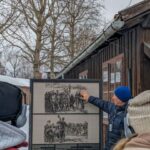
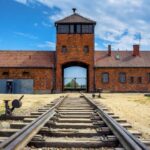
Tickets Included: The Real Value (and the One Big Thing to Watch)
For many people, the best part of this tour is the promise of no hassle around entry. The tour includes admission for Auschwitz I and Auschwitz II Birkenau, so you’re not spending your limited time in queues buying tickets or trying to time the memorial’s opening procedures.
At this price level, that inclusion changes the math. You’re paying for two things at once:
- organized transport from Krakow
- guided access to both camp areas
That’s a lot more value than a “transfer only” option, because Auschwitz isn’t just one site. You’re visiting two memorial areas with different emotional tones, and the day is structured to move you between them.
Now the caution. Entry slots are controlled by the memorial authorities, and the tour can’t always promise the exact same timing if access becomes limited. So while tickets are included in what you’re buying, you should assume the memorial’s schedule rules come first. That’s also why you might see very early departures depending on the entry time you’re assigned.
Auschwitz I (The First Camp): What You’ll Walk Through
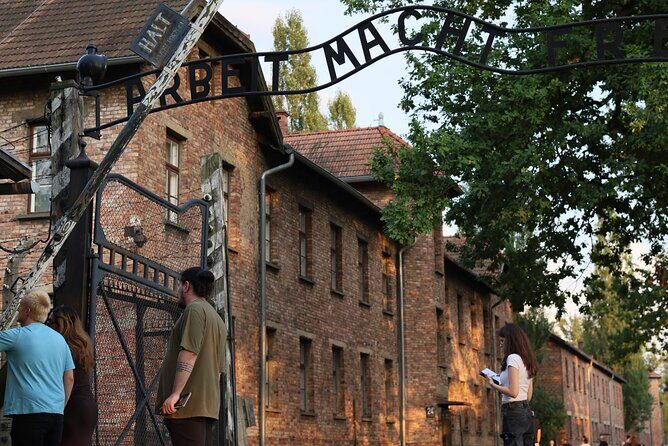
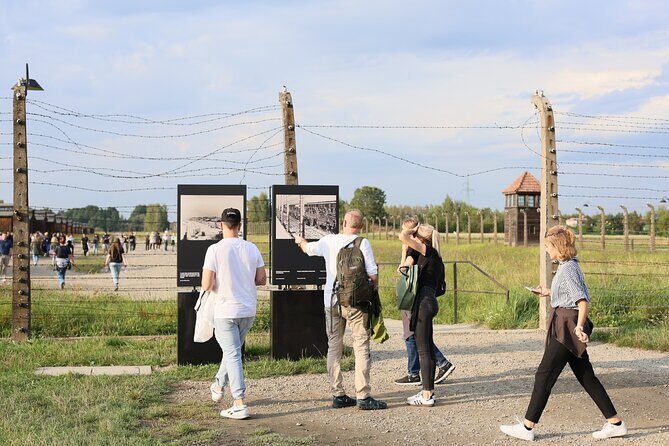
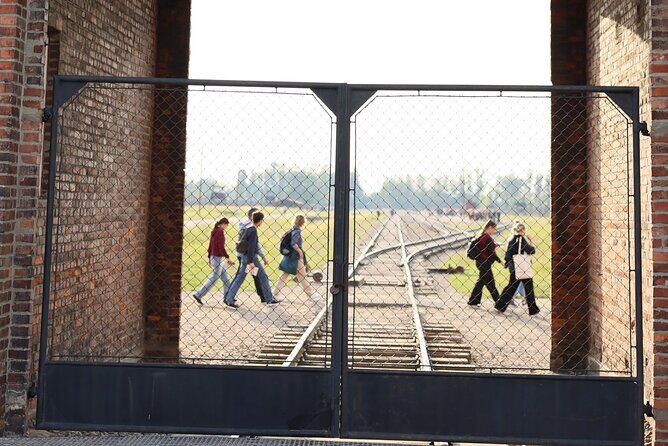
Auschwitz I is where the tour begins, and it’s intense in a different way than Birkenau. You start by walking through the gate area with the camp’s infamous slogan area (Arbeit Macht Frei). Right away, the guide sets the context: Auschwitz began as a detention center for Polish citizens after Germany annexed the country in 1939, before it became the larger machinery of genocide most people know.
Plan on about 2 hours here. That time is focused on core physical features that shape your understanding:
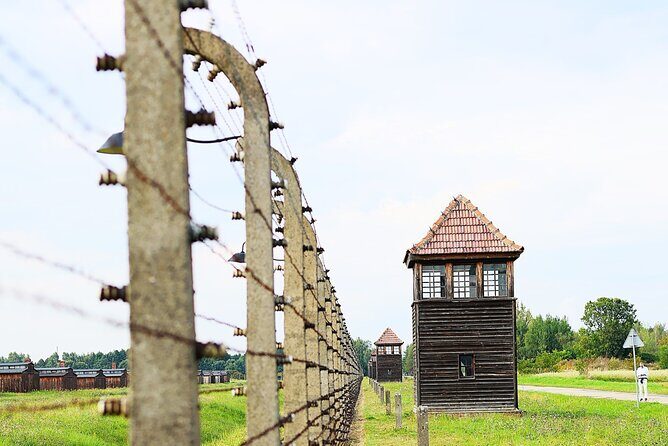
- original wooden buildings
- fortified walls and barbed wire
- key structures tied to the camp’s system of terror, including areas associated with executions and cremation
- the overall layout that shows how the camp was built to control people completely
The headset matters at Auschwitz I because the spaces are echo-prone and your group’s movement is guided by time slots. If you’re traveling with kids, or if you just need clarity over background noise, the headsets make a real difference.
One drawback to expect: the site is huge and emotionally heavy, and the schedule is designed for many groups at once. So even when you want to stop longer, you may feel nudged forward. For me, the best “fix” is internal: choose one or two spots you want to slow down for, and let the rest be a steady walk with the guide doing the heavy explanatory lifting.
Birkenau (Auschwitz II) in Brzezinka: The Scale Lesson
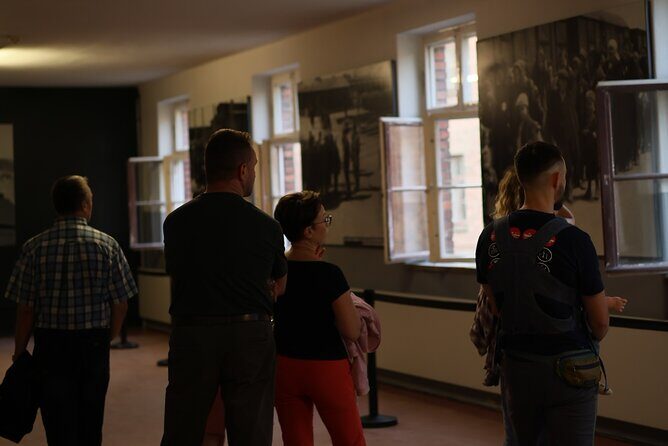
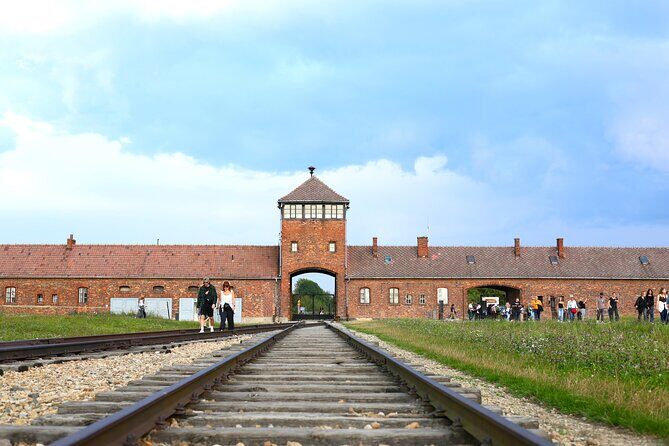
After a short break, you go on to Birkenau (Auschwitz II). This part is the large, open landscape of genocide, built for mass imprisonment with the goal of removing Jewish people from Europe—a detail the guide explains as part of why the camp was designed the way it was.
Birkenau is described as about 15 minutes away from Auschwitz I, and you’ll spend about 1 hour in this second section. In the Brzezinka village area, the camp was constructed in 1941 on orders connected to Heinrich Himmler, and the capacity figure given is around 90,000 prisoners.
What you’re really absorbing here isn’t just buildings. It’s geometry and distance:
- long rows and sight lines
- the vastness of the camp layout
- the sense of how people were processed and moved through a system meant to break them
The guide also covers the brutal realities: overcrowding, selection, and pseudo-medical experiments connected to Nazi doctors. The names may be discussed plainly by the guide in the context of what the camp did. The overall tone stays respectful, but it can be emotionally draining. It’s also the part where rushing feels hardest, because your brain wants to understand the scale before your feet move on.
The tour ends with the liberation story, including the opening of the gates on January 27, 1945 by the 60th Army of the First Ukrainian Front. That final piece doesn’t erase what you saw, but it does close the loop and leaves you with the uncomfortable question of how this could happen at all.
Headsets and the English Guide: How You Keep Up
Auschwitz is not a “read signs and go” kind of visit. You need a human guide to connect the artifacts to the system, and you need to hear that guide clearly while you’re walking.
This tour includes headsets so you don’t have to guess what’s being said over group noise. It also helps you keep pace without feeling lost. When the guide’s English is clear and the audio is stable, you get to focus on the meaning, not on your own effort to hear.
Guide quality is a major part of the experience in real-world terms, and I’d treat it as a reason to book a structured tour rather than trying to “DIY” both camps. From what’s been praised by different guide/delivery combinations, guides can be strong at explaining how the camp functioned and answering questions on the move. Names that have shown up in positive experiences include Matthew/Mati/Mateusz, Anna, Izzy, and others, depending on the day.
If your comfort level matters: a small group and good audio lets you keep your attention where it belongs—on the site—rather than on logistics.


Timing and Pacing: When Your Day Starts Very Early
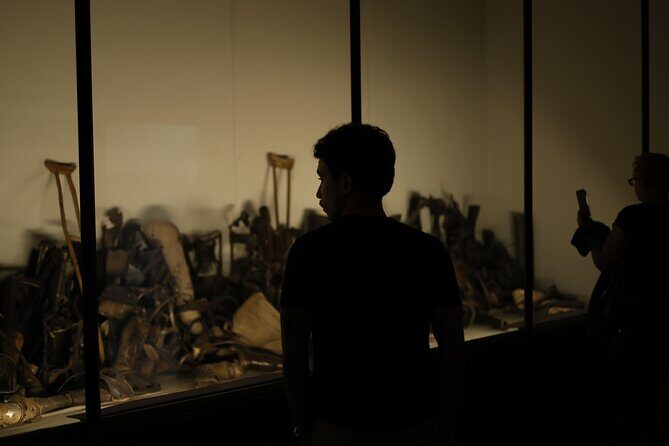
On paper, the day starts at 7:00 am. In practice, you may be asked to move earlier when assigned entry times are limited. That’s not a mystery. Auschwitz scheduling is controlled by the memorial, and early slots can be the only way to secure the right language grouping and entry order.
The benefit of an early start is simple: you avoid spending your day fighting queues and trying to coordinate tickets yourself. Several people note the day feels worth it specifically because the early departure protects their entry time.
The downside is equally real. Toilet access and long, quiet pauses can be limited by the visit flow and by how groups move through the site. Some people have found the pace brisk, with moments that feel like walking quickly through key areas rather than lingering. If you’re traveling with someone who needs slower breaks, plan for that ahead of time. It may mean you’ll do “quiet time” afterward, not during the timed camp sections.
Comfort, Toilets, and What to Pack for a Grim Day
This is one of those tours where comfort isn’t about luxury. It’s about staying functional when the emotional load is heavy.
A few facts from the tour details and how it typically plays out:
- Lunch isn’t included, so you’ll want to eat before you go or bring snacks if you’re allowed to during the travel portion (the tour itself doesn’t include lunch).
- The day can involve long waiting and time pressure, so bathroom breaks may be limited and lines can be long.
- The vehicle is air-conditioned, but you may start in cold weather, especially when pickups are pre-dawn.
What I’d pack:
- layers (seriously, Auschwitz weather can be cold even when Krakow feels mild)
- a small bottle of water
- something easy for a snack gap
- warm socks and gloves if you visit in winter
- a phone with enough battery for your confirmation/ticket access
If you’re sensitive to discomfort, know that some people have felt there wasn’t enough time for a relaxed break. Build your expectations accordingly: this is a structured visit, not a slow museum afternoon.
Price and Value: Why $51.85 Can Be a Smart Deal
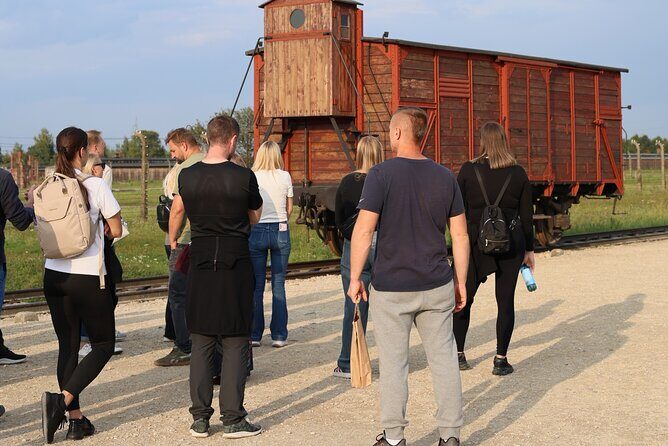
At $51.85 per person, the obvious question is what you’re really getting. The key is that this price bundles several expensive pieces of the day:
- round-trip transport from Krakow
- entry fees included for both camp sections
- a licensed English-speaking local guide
- headsets so the guide’s commentary reaches you clearly
And those items are exactly what eat time and stress when you try to DIY. The price isn’t just about affordability; it’s about buying back mental bandwidth.
Is it perfect value? Mostly, yes—especially if you want an organized day and you don’t want to manage ticketing and transit yourself. The one “value check” is service consistency: if you end up with a timing change or a less-than-ideal day-of flow, it can reduce what you feel you paid for. Still, the inclusion of both camp entries and guided explanation is the core reason this can be a strong bargain.
Also, if you want onboard extras like coffee or meals, don’t count on it being built in. Lunch is not included, and you shouldn’t expect comfort add-ons.
Potential Snags: Ticket Timing, Communication, and Missed Drops
This part matters because Auschwitz is too important to gamble lightly on day-of chaos.
Here’s what you should know based on real operational realities:
- Entry timing is controlled by the memorial, so schedules can shift.
- Pickup times can be confirmed close to the day, and in busy periods you may be assigned very early starts.
- In rare cases, things can go sideways: some people report last-minute cancellations or changes to entry arrangements.
Even with those risks, the best sign is how the company handles you if timing changes. In positive experiences, drivers and staff have been praised for being friendly, clear, and helpful—sometimes even while waiting for long stretches to resolve entry needs.
There are also downsides you should weigh:
- communication delays can happen
- sometimes the return drop-off may not match what you hoped for, depending on the service area and the day’s flow
- if the group is full, the ride can feel tight
My practical advice: treat your pickup time as flexible, keep your phone charged, and plan your Krakow evening with some buffer. When you travel for something this intense, the safest plan is the one that assumes not everything will run perfectly to the minute.
Who This Tour Fits Best (and Who Should Rethink It)
This Auschwitz minivan tour is a good fit if you want:
- door-to-door pickup from Krakow
- a guided explanation in English with headsets
- entry to both Auschwitz I and Birkenau handled for you
- a structured schedule that gets you in without spending hours on ticket logistics
It’s especially useful for first-time visitors who don’t want to figure out public transport under time pressure.
You might consider another option if:
- you’re extremely sensitive to rushed pacing and need long, quiet stops
- you rely heavily on frequent bathroom breaks
- you’re traveling with someone who can’t handle pre-dawn departures
- you need a very specific hotel drop-off on the return and want certainty down to the minute
That said, even when pacing feels fast, the guided focus and included entry can still make this the least stressful way to do the day.
Should You Book This Auschwitz Day Tour?
If you want the simplest, most organized way to visit Auschwitz from Krakow—with transport, both entries, and an English guide whose audio you can actually hear—this is a strong choice.
I’d book it if you can handle:
- an early start (and possibly earlier than 7:00 am)
- emotional heaviness without expecting long pauses
- a structured flow where the schedule matters
I’d pause and compare if your top priority is unhurried time inside the memorial or if you need guaranteed timing with no possibility of schedule changes. For most people, though, the included access and the clarity you get from headsets and a real guide make the day feel workable—and ultimately more respectful—than trying to manage everything yourself.
FAQ
Is entry to Auschwitz I and Auschwitz II included?
Yes. Entry tickets for Auschwitz I and Auschwitz II Birkenau are included in the tour price.
Do you get hotel pickup in Krakow?
Yes. The tour includes hotel pickup or a meeting point, depending on where your accommodation is located. Pickup is described as door-to-door within Krakow, with a nearby meeting location suggested for areas in the pedestrian zone.
What language is the tour?
The guide provides commentary in English, and you’ll receive headsets to hear the guide clearly.
What time does the tour start?
The start time is listed as 7:00 am. Pickup may be very early in practice depending on the assigned entry slot.
How long is the Auschwitz trip?
The tour is about 7 hours in total (approx.), including time at Auschwitz I and Auschwitz II.
Is lunch included?
No. Lunch is not included.
How many people are in the group?
The group is capped at a maximum of 30 travelers.
Do I need to buy tickets in advance?
No. The tour says you do not need to buy entry tickets because admission is included, and you receive a mobile ticket.
Are headsets provided during the tour?
Yes. Headsets are provided so you can hear your guide clearly while visiting the exhibits.