REVIEW · KRAKOW
Auschwitz-Birkenau: private or group & Schindler’s Factory option
Book on Viator →Operated by Krakow4you · Bookable on Viator
Auschwitz is close enough to change you. This day trip pairs hotel pickup by private car with an on-site guide-led visit to Auschwitz-Birkenau, then adds optional context in Krakow’s Podgórze at Schindler’s Factory. I like that you get real museum time and preserved camp features, not just a quick drive-by. I also like that entrance fees and refreshments are built in, so you spend less time figuring out logistics and more time paying attention.
One thing to plan for: even with a private outing, parts of Auschwitz are run on site with set museum rules and time blocks, so pacing can feel tight if your day schedule is packed.
In This Review
- Key things to know before you go
- The real value: a guide-led day, not just a bus to Auschwitz
- Getting there from Kraków: private car comfort matters
- Auschwitz I: the museum that anchors the story
- Birkenau (Auschwitz II): the bigger site that makes scale hit
- How much time do you really get?
- What makes the guides stand out in a good way
- The Schindler’s Factory option in Podgórze: what you gain
- Walking, clothing, and the bag rule you can’t ignore
- A note on expectations: private car does not always mean private museum guiding
- When this tour is the best fit
- Should you book Auschwitz-Birkenau with this operator and optional Schindler’s Factory?
- FAQ
- FAQ
- How long does the Auschwitz-Birkenau tour take?
- Do I get hotel pickup and drop-off in Kraków?
- Is the tour in English?
- What’s included besides the guided visit?
- Is lunch included?
- If I choose the Schindler’s Factory option, what do I see?
- Is there a bag size limit at Auschwitz?
- Is this tour suitable for children?
- Is the experience physically demanding?
- Can I visit Auschwitz on my own time, or is it fixed?
Key things to know before you go
- Private hotel pickup in Kraków keeps the long travel day from feeling chaotic.
- Auschwitz I + Birkenau in one outing helps you understand how the system worked in different camp locations.
- Unlimited time on the Auschwitz grounds lets you slow down and revisit what hits you the hardest.
- Guides like Alicja (Alicja/Alicija Wróbel), Dariusz, and Martin are repeatedly praised for empathy and clear context.
- Schindler’s Factory option in Podgórze adds local Krakow context tied to occupied life and Schindler’s story.
- Bag size limits and walking are real factors, so pack light and wear shoes you trust.
The real value: a guide-led day, not just a bus to Auschwitz
This tour is designed for a single, heavy-hitting day with a simple promise: you get transport from Kraków, you get a guide, and you get access to the key sites without you having to stitch the plan together yourself.
At $239.65 per person, you’re not paying for a ticket alone. You’re paying for the full package: hotel pickup and drop-off, private car time, bottled water and snacks, and museum access where it’s included. That matters on a day like this, because your energy is the scarce resource. When you don’t have to track schedules, find meeting points, and argue with ticket lines, you can spend your mental effort on what you’re actually seeing.
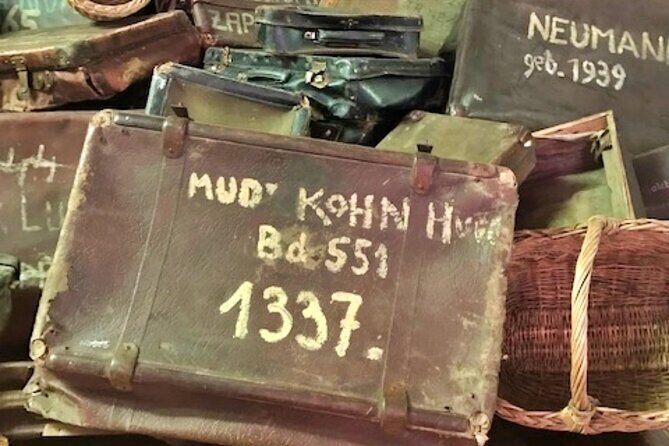
It’s also worth noting the tone. The best guides described in the experience focus on empathy and context, and they don’t treat the site like a history “theme park.” That changes how you experience the exhibits, especially the sections with personal possessions of victims.
Possible drawback: the day can still feel busy, and some guides are constrained by the time structure of museum operations. If you are hoping for a totally leisurely, one-person-at-a-time pace, you may need to manage expectations.
You can also read our reviews of more private tours in Krakow


Getting there from Kraków: private car comfort matters
You start with pickup from your Kraków hotel in a private vehicle. The drive is about 1.5 hours one way (some reports suggest it can run closer to 1.2, depending on traffic and timing). That time matters more than it sounds. You’re not just traveling—you’re entering the day’s mental space.
What’s included helps here: bottled water and local snacks, plus a driver and a guide who can answer questions. I like this setup because questions come fast once you’re in the region. You can clarify terms, camp basics, and what you’ll likely see next before you’re standing in front of it.
Practical heads-up from the experience type:
- The car is part of the “buffer” between your life in Kraków and the memorial sites.
- Your comfort can vary by vehicle and setup, so if AC and seating matter to you, ask in advance. One report mentioned being warm and having to open windows.
Auschwitz I: the museum that anchors the story
Auschwitz I is where the day usually starts. This is the preserved museum and former concentration camp area, the place that gives you the framework: how Nazi persecution moved from policy into machinery.
Expect a guide-led visit that covers:
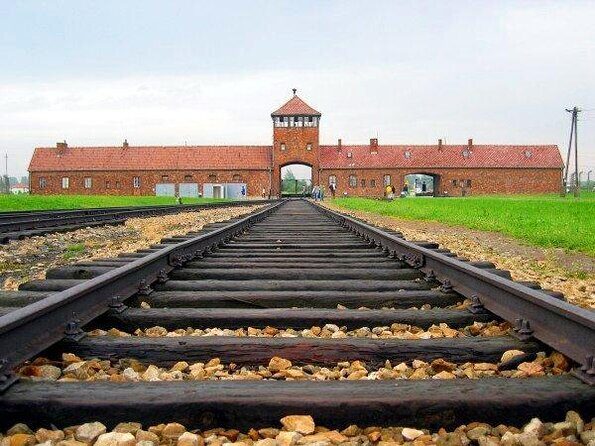
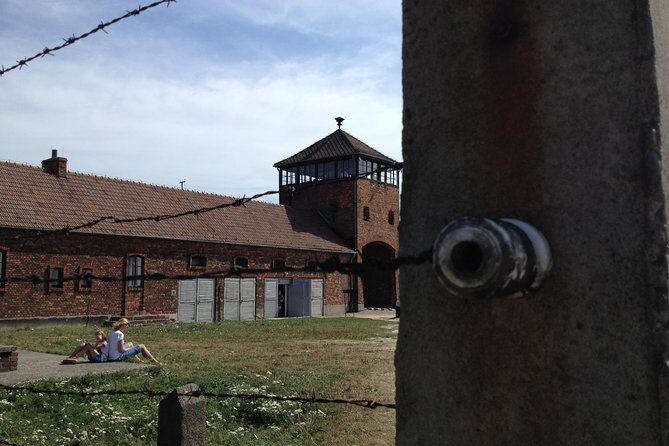
- preserved features like watchtowers and fences
- the administrative center area, where orders were dispatched
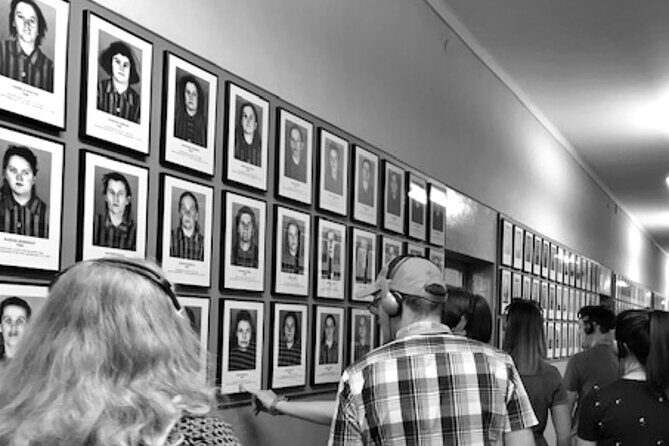
- exhibits featuring personal possessions of prisoners
- discussion of the research ongoing into victims and the Holocaust
A key point here: the museum experience is run by museum guides, and the tour structure is shaped by that. Even when you choose a private guide option, there’s still an on-site museum rhythm. The good news is that a strong guide helps you translate what you’re seeing into human terms—what happened, how the system functioned, and why the records and artifacts matter.
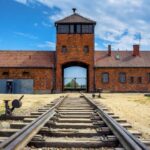
There’s also a big sign people mention often, the “Arbeit Macht Frei” entrance at Auschwitz I. Seeing it in person is one of those moments where words stop working. Your guide’s job is to keep you oriented while staying respectful.
Birkenau (Auschwitz II): the bigger site that makes scale hit
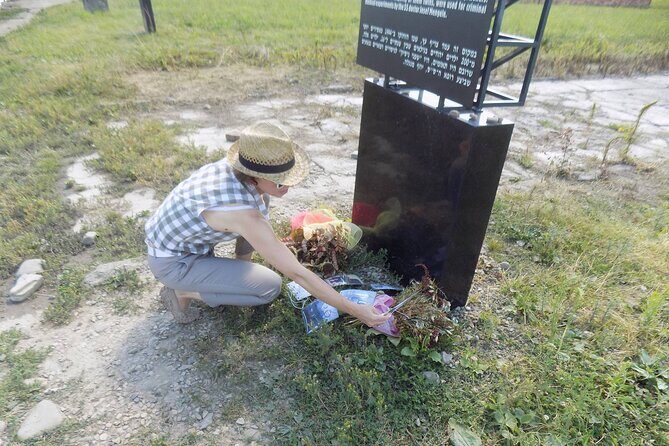
After a short break, you continue to Birkenau, Auschwitz II. This is the largest part of the camps complex and often the place where visitors finally feel the full scale of the operation.
What I like about Birkenau as part of this tour is that you’re not left to walk and guess. With a guide, you can connect:
- the grounds and layout
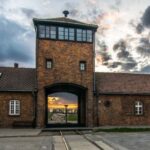
- preserved elements like fences and watchtower views
- what those lines and zones meant in daily control
You also get time on the grounds to revisit areas. Some travelers specifically valued having access to information that makes the site understandable beyond the official pace.
One detail that can surprise people: some parts that visitors might expect to see in full form aren’t there anymore, because locals dismantled wooden barracks after liberation. A guide who explains that keeps the visit accurate instead of frustrating.
How much time do you really get?
The experience description says your time in Auschwitz is unlimited, so you can stay as long as you want exploring the memorial grounds. In practice, the day still has an order: guided segments, transition time, and the reality of fixed museum touring operations.
That’s why I treat this tour as “guided with breathing room,” not “fully open-ended wandering.” If you’re the type who likes to sit with one display for a long time, aim to use your unhurried time after the main guided portion, not during the busiest blocks.
One reported disappointment was a feeling that the Auschwitz guide time felt rushed due to time constraints. That’s a reminder to choose your guide option thoughtfully and to speak up early if you want slower pacing.


What makes the guides stand out in a good way
This is not a “read the signs and guess the rest” kind of day. The experience consistently mentions guides who bring empathy and clarity.
Some names that come up repeatedly:
- Alicja (Alicja/Alicija Wróbel): praised as a warm host with strong command of English, and as someone who shares stories in a respectful way.
- Dariusz: described as prompt and knowledgeable by some, though one report found him a bit abrupt.
- Martin: noted for promptness and insight, including family history and Polish context.
- Suzanne: praised as brilliant when guests were transferred to an official small-group tour setup.
What you’re looking for in a guide here isn’t trivia. It’s the ability to explain difficult material clearly, without turning the day into a performance. That’s what the better experiences describe—and it’s what can make a repeat visit still feel meaningful.
The Schindler’s Factory option in Podgórze: what you gain
If you choose the added option, the tour includes Podgórze and a visit to Schindler’s Factory, which today is a museum. This part is guided with a private show-around, and it helps you shift from camp machinery to the occupied-city story.
You’ll learn:
- where the former factory is in today’s Podgórze neighborhood
- the link to Schindler’s List filming, which helps some people “see” Krakow as it was during occupation
- context through local human stories around the ghetto and occupied Kraków
This is valuable because Auschwitz can feel abstract unless you understand the broader web: where victims lived, how the occupation worked geographically, and how survival stories and administrative decisions intersected.
Also, this extra stop can break up the emotional intensity of Auschwitz and Birkenau. It doesn’t make the day lighter, but it gives you more context so your brain can organize what you learned rather than only absorbing shock.
Walking, clothing, and the bag rule you can’t ignore
This is a memorial site with uneven ground and a lot of walking. The experience calls for moderate physical fitness, and that matches what you’ll likely feel once you’re on the grounds.
A practical rule: in Auschwitz Museum, each person is allowed a maximum size bag of 7.8 x 11.8 inches (20 x 30 cm). Pack light. Leave bulky items behind.
What I suggest:
- wear comfortable walking shoes you can stand in for a while
- bring a simple layer you can adjust, since weather and site temperatures can shift
- keep your day bag within the allowed size so security and handling don’t eat your focus
This is also why this tour isn’t recommended for children under 14. It’s not a “kid-friendly history” outing. The subject matter is intense, and you’ll get more from the experience if you can emotionally handle it and physically move through it.
A note on expectations: private car does not always mean private museum guiding
The tour is described as private in the sense that you have your own group in the vehicle, with selected options using private guiding. But at Auschwitz, the on-site museum and memorial operations can still require participation in museum-guided formats.
That’s where reviews show a split: some people got a very personalized flow, with guides helping shape the visit, while others reported that once they arrived, the experience became more group-based than they expected.
So here’s the balanced way to think about it: you’re buying control and comfort for the journey and transitions, plus guiding where it’s available. You’re not buying the ability to rewrite the memorial site’s own rules.
If you’re coming with exact needs, ask before booking:
- Do you want the visit paced slowly?
- Do you need a specific English-speaking guide, or any language support only available at Auschwitz I?
- Do you want Schindler’s Factory included in the same day, or as a separate block?
When this tour is the best fit
This is a strong match if you:
- want hotel pickup and less hassle in transit
- prefer a guided explanation at Auschwitz and Birkenau
- want the option to add Schindler’s Factory for Kraków context
- care about respectful storytelling and clear, human-centered context
It may be less ideal if you:
- expect a fully free-roam private museum visit with no schedule pressure
- hate walking long distances or uneven terrain
- need a child-focused format (the experience doesn’t recommend under 14)
Should you book Auschwitz-Birkenau with this operator and optional Schindler’s Factory?
Yes, if you want a structured, respectful day with transport handled and guidance that helps you understand what you’re seeing. The value is strongest when you appreciate the package: pickup/drop-off, included entrance where listed, snacks and water, and the chance to have a guide like Alicja or Dariusz who can translate a brutal site into clear context.
If your top priority is maximum quiet time with no sense of schedule, you should plan carefully. Ask about the pacing you want and the guide option you’re choosing in Auschwitz. And pack light so the bag-size rule doesn’t turn into a last-minute headache.
My practical call: book it if you want clarity and comfort. If you only want to follow signs on your own, you might feel “sped through.” This tour works best when you let the guide do the hard work of explaining, while you use your extra time to slow down where it matters most.
FAQ
FAQ
How long does the Auschwitz-Birkenau tour take?
The experience runs about 7 to 9 hours total, depending on timing and the specific option you choose.
Do I get hotel pickup and drop-off in Kraków?
Yes. Hotel pick-up and drop-off in Kraków are included, with the exact pick-up time confirmed by the local operator after booking.
Is the tour in English?
The general tour is organized in English. Selecting a language other than English is only possible when visiting the Museum in Auschwitz I.
What’s included besides the guided visit?
Included items are entrance fees (where noted), bottled water and local snacks, refreshments, and guide support for selected options (including a private guide for chosen parts).
Is lunch included?
No. Lunch is not included.
If I choose the Schindler’s Factory option, what do I see?
You visit Podgórze and the Schindler’s Factory museum, guided by a private guide. You also get local historical context connected to Krakow during occupation.
Is there a bag size limit at Auschwitz?
Yes. In the Auschwitz Museum, you can bring a maximum bag size of 20 x 30 cm (7.8 x 11.8 inches).
Is this tour suitable for children?
It is not recommended for children under 14.
Is the experience physically demanding?
You should have moderate physical fitness. Expect walking and some uneven ground.
Can I visit Auschwitz on my own time, or is it fixed?
The experience notes unlimited time in Auschwitz, so you can spend as much time as you wish exploring the site grounds, while still following the guided segments and site operations.