REVIEW · MOTLAWA
Gdansk: City Cruise on Historical Polish Boat
Book on GetYourGuide →Operated by Galar Gdański · Bookable on GetYourGuide
Wood and history move quietly on the Motława. This 12-seater wooden replica cruise turns Gdańsk into something more personal, and the live guide in English and Polish keeps the stories clear and easy to follow. You get a real feel for how the city’s waterways connect the Old Town to the working harbor.
My favorite part is how the boat goes places bigger vessels can’t, so you see canals and river edges that most sightseeing skips. One thing to consider: the start at Dokowa 1 is in the port/shipyard area, so it can feel a little out of the way if you’re based deep in the historic center.
In This Review
- Key things you’ll notice right away
- A small wooden boat that makes Gdańsk feel closer
- Dokowa 1 shipyard start: from German yards to Solidarity
- Motława River through Old Town: crane, water gates, and tenements
- Ołowianka and Granary Island: where old meets new
- Inside the Port of Gdańsk: cranes and specialist vessels up close
- World War II submarine production: what the route is trying to teach
- 70 minutes well spent: timing and how to pair it with the rest of your day
- Price and value: why $22 feels fair for what you get
- Who should book, and who might want a different option
- Should you book this Gdańsk historical Polish boat cruise?
- FAQ
- How long is the Gdańsk city cruise?
- What does the ticket include?
- What languages are the guides?
- Where does the cruise start and where do you get off?
- Is the tour wheelchair accessible?
- How much does it cost?
- What kinds of sights will you see from the boat?
- Is there a guide on board for the full tour?
- Can I cancel and get a refund?
- Is reserve and pay later available?
Key things you’ll notice right away
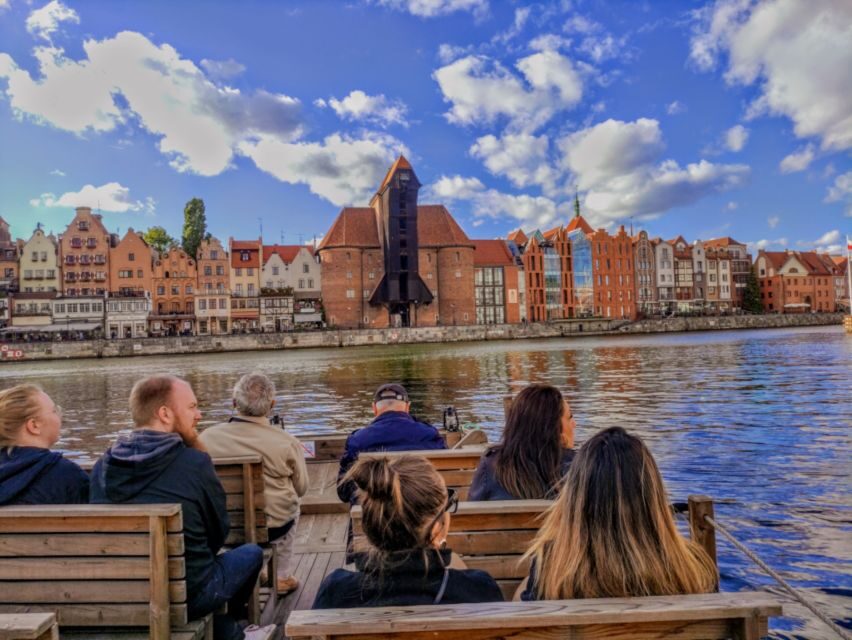
- A small 12-seater boat: more room, calmer pace, and you don’t feel shuffled around
- Wooden replica with practical comfort: life jackets plus a blanket on board
- Old Town landmarks from water level: the crane, water gates, and tenements look different from a boat
- Canals and inner-ports access: you pass through narrow waterways and views that large boats miss
- Port of Gdańsk close-up: cranes and specialist vessels show the city’s maritime heartbeat
- WWII submarine production context: the route includes areas tied to German submarine production
A small wooden boat that makes Gdańsk feel closer
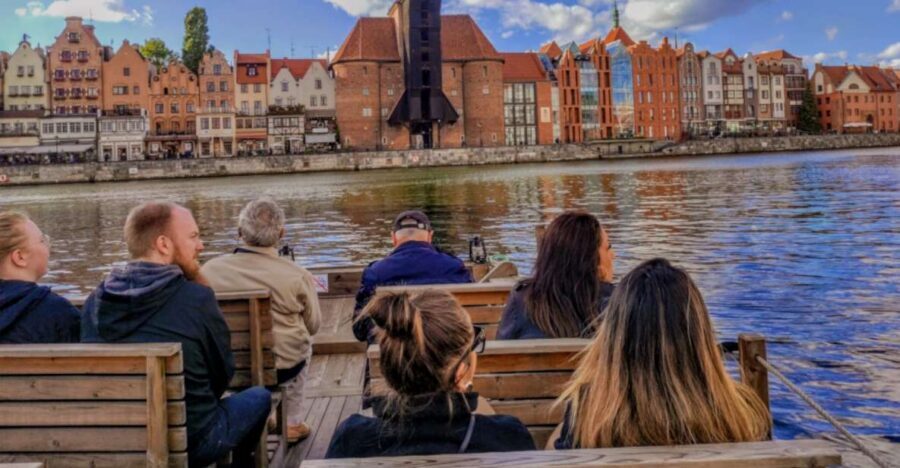
This is the kind of Gdańsk experience that works because it’s not trying to be everything. A 70-minute ride on a wooden replica of a historical Polish river ship (used for centuries, with an 18th-century flavor) keeps things intimate. With only about 12 seats, you’re not craning your neck over other people’s heads, and you’re free to look at details instead of just chasing angles.
The boat is spacious for its size, and it’s designed for comfort on the water. You’ll be given a life jacket at the start, and there’s also a blanket onboard, which matters because the Motława can feel chilly and breezy even when the weather looks fine from land. If you’re used to rigid group tours, this one feels more like a guided outing with a real captain’s rhythm and a guide who talks through what you’re seeing.
Most important for first-timers: you’ll get a guided orientation. From the water, Gdańsk’s layout makes more sense fast—where the Old Town sits, how the river bends through the city, and how the port areas connect history to daily life.
You can also read our reviews of more boat tours in Motlawa
Dokowa 1 shipyard start: from German yards to Solidarity
The cruise begins in the shipyard/port zone, departing from Dokowa 1. That location is more than a dock—it’s a storyline. The shipyard area ties to the shift after 1945, when new Polish shipbuilding facilities were established in place of the former German shipyards.
That transition leads into one of the biggest modern chapters in Polish history: the Solidarity movement, which began in 1980. Seeing this opening from the water gives the stories more weight, because you can immediately connect the shipyard to the river and port geography. It’s easier to understand why organizing workers around ship production mattered when you can visualize the waterfront machinery and the flow of goods.
Practically, plan for a short walk and a little extra time if you’re navigating from central Old Town on foot. Some people find the meeting point “random” at first, but the upside is that you’re already in the maritime setting where the cruise really comes alive. If you need a pre-ride snack or drink, there’s typically a place to grab refreshments right by the pier area, which helps you feel settled instead of rushing.
Motława River through Old Town: crane, water gates, and tenements
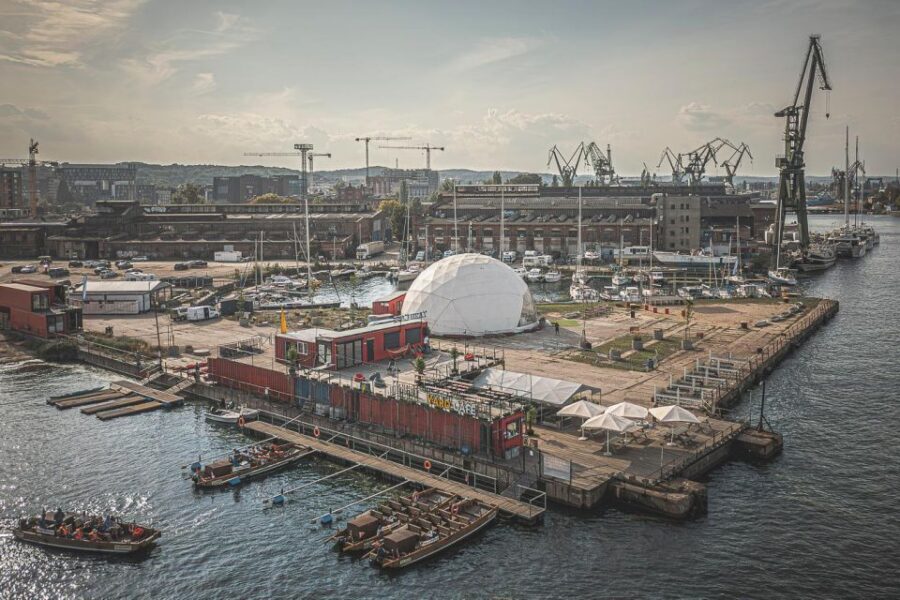
Once you’re moving, the Motława River becomes the best seat in Gdańsk. This is the part where the city’s classic sights turn into a more relaxed, less crowded viewing experience.
From the river, you’ll pass major Old Town highlights such as:
- the ruins of the Teutonic castle
- water gates that mark the city’s historic relationship to water management and defense
- the famous 15th-century wooden crane
- rows of old tenement houses, where the river gives you a different sense of height and spacing
The wooden crane is a perfect example of why this cruise works. On foot, it can be easy to miss proportions because you’re walking past buildings and streets. From the water, you see it as part of a working waterfront—an object built for a specific job, not just a photo stop.
Your guide also helps you connect these landmarks to practical city history: the port mattered, the river mattered, and the city’s layout evolved around that reality. Guides like Borna, Danusia, and David have been praised for balancing humor with clarity, and that matters here. When the narration lands well, you’ll actually remember what you saw after the tour ends.
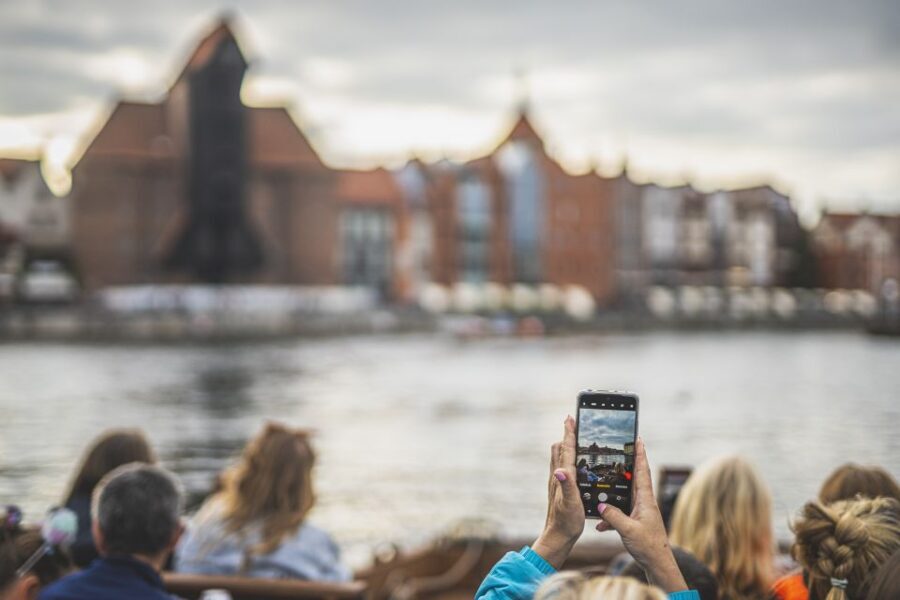
One more perk: the low passenger count means you often get smoother photo moments. You still need to manage basic boat timing, but you’re not elbow-to-elbow.
Ołowianka and Granary Island: where old meets new
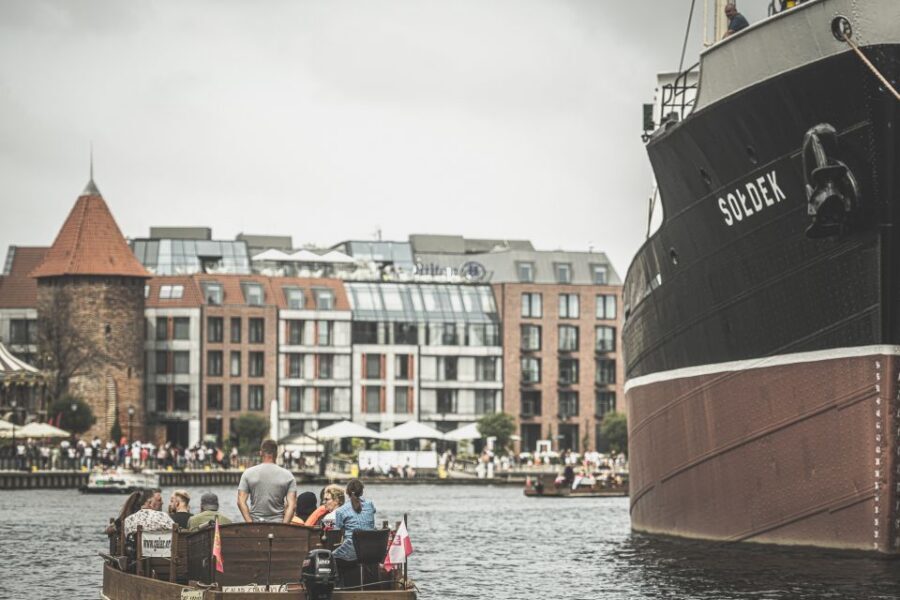
As the route continues, you’ll get a view that many people miss when they only tour Gdańsk on foot: the way Ołowianka and Granary Island mix restored heritage with newer waterfront development.
This stretch is good for two types of travelers. If you like classic architecture, you’ll enjoy how older structures frame the river. If you’re more into modern city life, you’ll appreciate how the waterfront has been repurposed and re-used. That contrast helps you understand that Gdańsk isn’t frozen in time. It keeps working, and it keeps reinventing itself.
You’re not just “passing by” either. The cruise timing and route give you a chance to slow down mentally. I find that’s the real value of seeing an island or neighborhood from the water: your brain stops thinking in street-corner terms and starts thinking in spatial relationships. Where streets meet water, where buildings line up, and where the city’s center shifts when you move a few meters away from shore.
Bring your camera, but also leave room to look with your eyes. The best views on a river cruise are the ones you catch for a few seconds without trying to capture everything.
Inside the Port of Gdańsk: cranes and specialist vessels up close
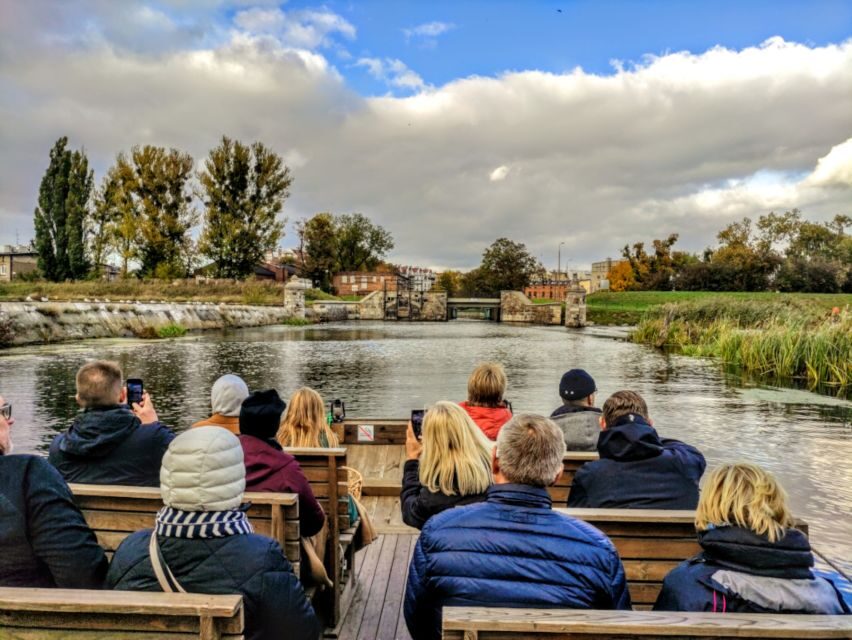
Here’s where the cruise feels different from the typical “tour bus to the bridge” approach. The boat goes through areas that larger vessels can’t reach, including canals and inner-port sections. You’ll see the internal quay of the Port of Gdańsk, and you’ll also get up close to port cranes, which are one of the city’s most recognizable symbols.
You’ll also have a chance to spot specialist ships and port equipment that you wouldn’t notice from a shoreline viewpoint. Even if you’re not a ship-nerd, the visuals make the point: this is a working port city, not just a picturesque backdrop.
Why it’s valuable for you:
- If you’re planning a museum visit later, the cruise gives you context for what those exhibits are about.
- If you prefer “see it, then read about it,” this gives you the right questions to ask while you walk around.
- If you hate crowds, the contrast between Old Town streets and quieter river passages is a big win.
And because the boat size stays small, the pacing feels controlled. You’re not watching the guide rush to keep up with a clock. You can actually hear what they’re explaining and still look around.
World War II submarine production: what the route is trying to teach
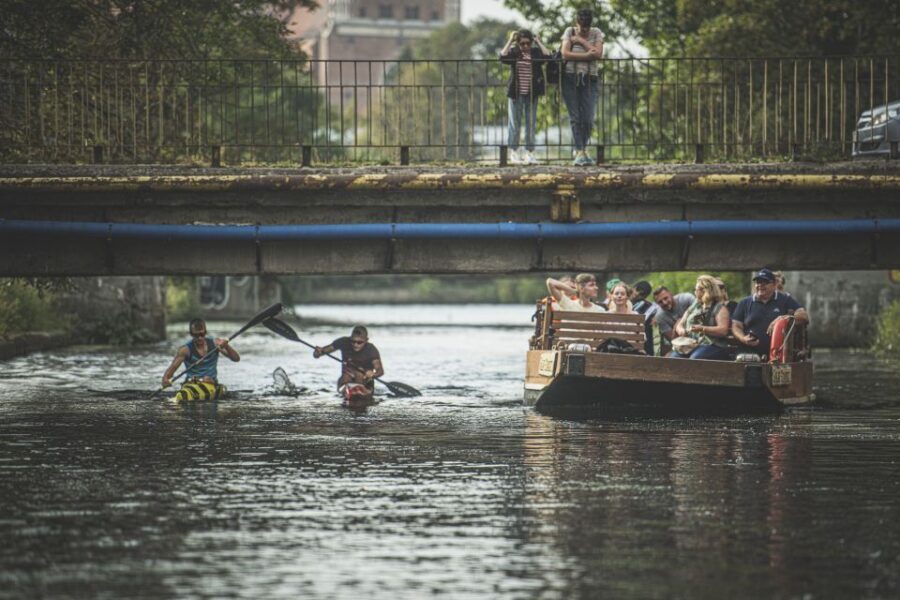
Gdańsk’s story includes heavy chapters, and this cruise doesn’t dodge them. The route passes areas where German submarines were produced during World War II.
The way this works best is when you let the water views do the thinking. From the river, industrial zones make sense geographically. A submarine production site isn’t just an abstract label—it relates to shipyards, transport access, and the kind of infrastructure ports build when war changes priorities.
You don’t need to be a history scholar to get something out of this. The guide’s job is to connect the dots while you’re seeing the city’s waterfront structure. Guides credited with strong storytelling—again, names like Jarek, Danusia, and Borna come up—tend to deliver facts in a way that doesn’t feel dry, so you leave with a mental map rather than a list of dates.
If WWII history is especially important to you, this cruise sets the table. It also makes it easier to appreciate why certain museums and memorials hit harder after you’ve seen the waterfront context.
70 minutes well spent: timing and how to pair it with the rest of your day
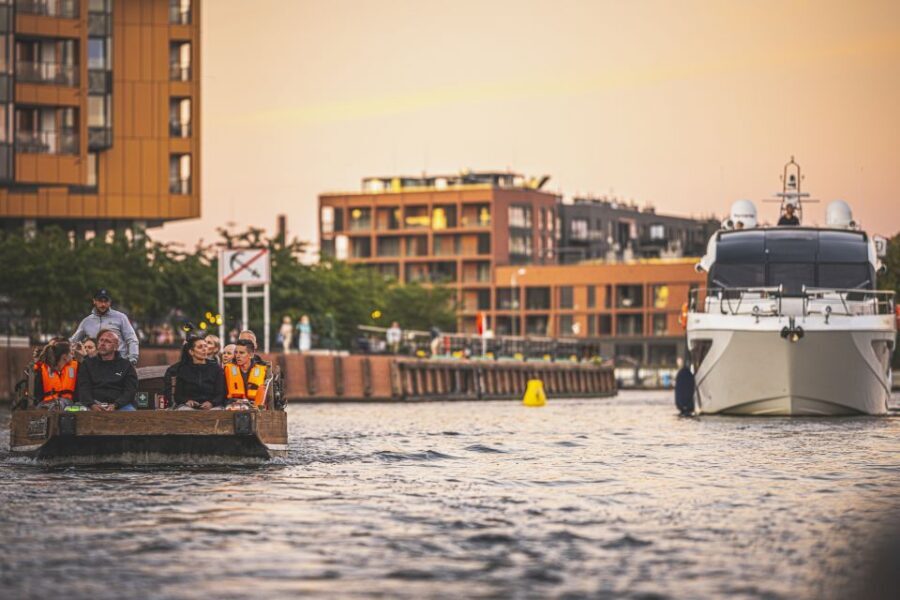
Seventy minutes is a sweet spot. It’s long enough for real narration and multiple parts of the city, but short enough that it doesn’t swallow your whole day.
I’d treat this as:
- an early activity to get your bearings
- or a late-day reset when you want something calmer than walking
Many visitors use it as an intro to Old Town and then build their own plan afterward. Some people also like that the cruise can end in a way that may be convenient for continuing on, including directions toward major sites in the broader area rather than forcing you back through the same streets.
If you’re sensitive to weather, plan layers. The blanket helps, and on chillier days there may be umbrellas available too, but the boat will still get wind on the water. Comfortable shoes matter for getting from the city to the pier, since the start isn’t inside the most central pocket of Old Town.
Price and value: why $22 feels fair for what you get
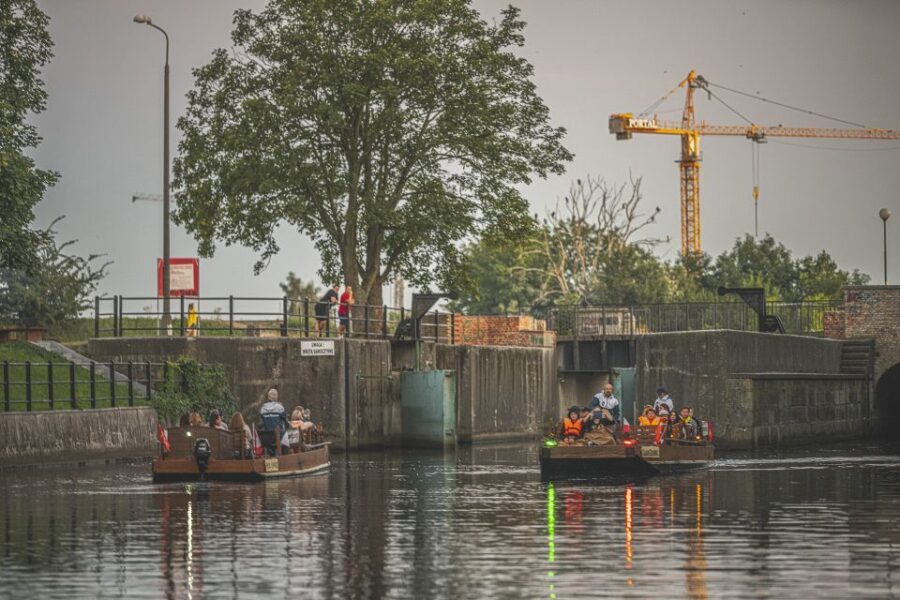
At about $22 per person for a 70-minute guided ride, the value is strong if you care about both information and atmosphere. You’re not paying for “just a view.” You’re paying for a guide, a small group setting, and boat access that includes canals and inner-port areas.
The included items add practical comfort:
- live guide (English or Polish)
- life jacket
- blanket
That matters because many river tours can be uncomfortable in wind or cold, and here they actively help you stay warm. When you combine comfort with a route that hits both Old Town landmarks and industrial port sections, it’s easier to see why this price feels like a bargain.
It’s also one of the better choices if you’re trying to balance history with downtime. You’ll learn without feeling like you’re stuck in a classroom.
Who should book, and who might want a different option
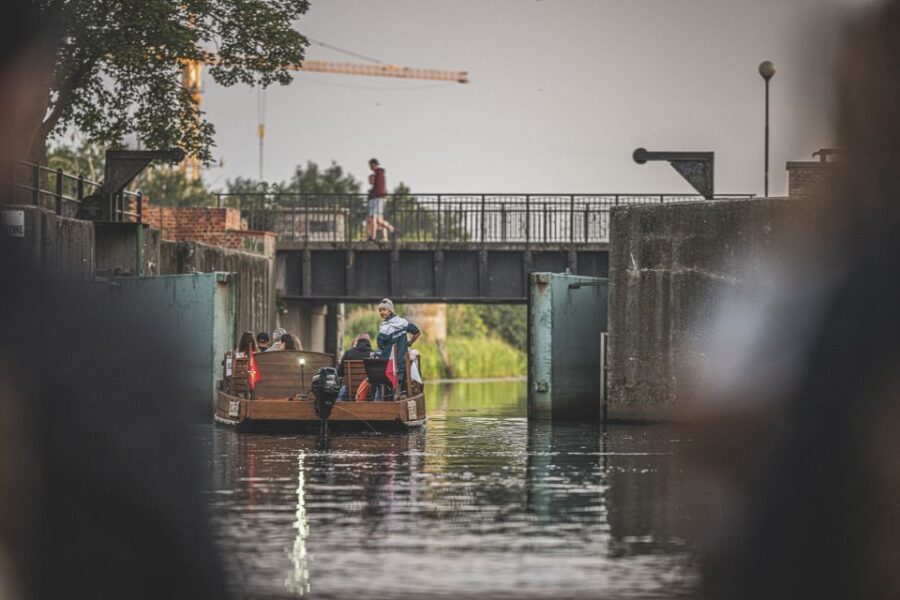
This cruise fits best if you:
- want a low-crowd alternative to long walking routes
- like guided storytelling but prefer it paired with real views
- want Old Town sights plus port context in one go
- would rather see canals and inner areas from the water than just from bridges
It might be less ideal if you’re only interested in deep museum-style history and nothing else. This ride gives context and highlights, not hours of exhibition reading. But even then, it can make your later museum time more meaningful.
Families often do well here too, since the pace stays manageable and the boat setup helps people feel secure. If you’re traveling with mixed ages, it’s a good “shared activity” that still feels interesting to adults.
Should you book this Gdańsk historical Polish boat cruise?
Yes, I think you should—especially if it’s your first one or two days in Gdańsk. This is one of the easiest ways to understand how the Old Town connects to the port, and it does it with the added benefit of small-boat access to waterways bigger vessels can’t use.
Book it if you want:
- Old Town icons seen from the river
- port cranes and inner-por t views at close range
- a WWII submarine production thread woven into the waterfront story
- a comfortable, guided hour that doesn’t require intense walking
Do a little prep and you’ll enjoy it more: dress in layers for wind, plan for a short walk to Dokowa 1, and consider pairing it with a museum stop afterward so the stories stick.
FAQ
How long is the Gdańsk city cruise?
The cruise lasts about 70 minutes.
What does the ticket include?
You’ll have a live guide, a blanket, and a life jacket.
What languages are the guides?
The tour is offered with guides speaking Polish and English.
Where does the cruise start and where do you get off?
The meeting point can vary depending on the option booked. Dokowa 1 is listed as the starting point, and drop-off can also be at Dokowa 1.
Is the tour wheelchair accessible?
Yes, the activity is listed as wheelchair accessible.
How much does it cost?
The price is listed as $22 per person.
What kinds of sights will you see from the boat?
You’ll see Old Town landmarks along the Motława River, cruise through canals and areas larger vessels can’t access, and also pass sights tied to the Port of Gdańsk. The route includes areas associated with German submarine production during World War II.
Is there a guide on board for the full tour?
Yes, it’s a live guided tour.
Can I cancel and get a refund?
Free cancellation is available up to 24 hours in advance for a full refund.
Is reserve and pay later available?
Yes, you can reserve and pay later to keep your plans flexible.