REVIEW · PALACE OF CULTURE AND SCIENCE
Warsaw: Private Communism Tour with Hotel Pickup
Book on GetYourGuide →Operated by Warsaw Behind the Scenes · Bookable on GetYourGuide
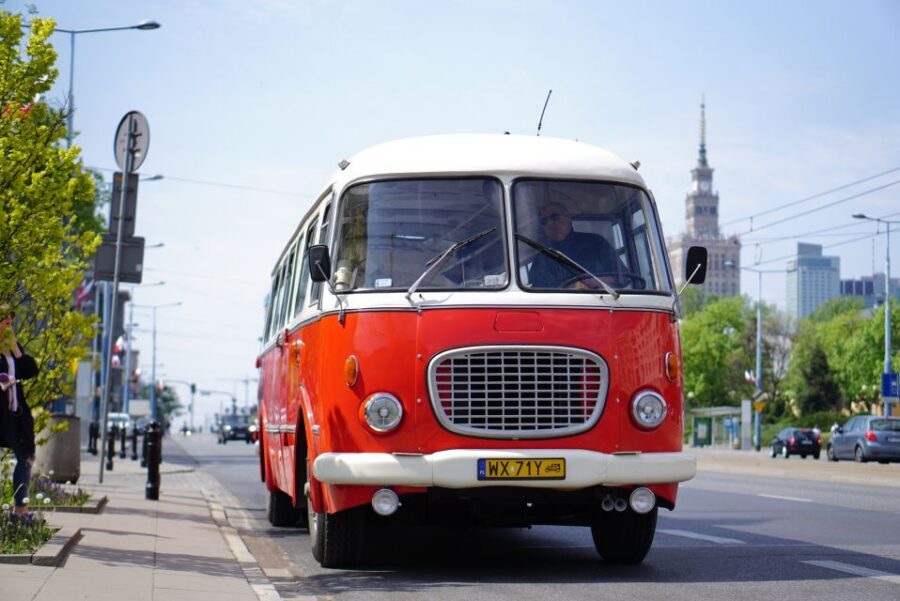
A Żuk minibus makes history feel real. This private 3-hour tour of communist Warsaw uses a vintage Żuk retro minibus and a local English-speaking guide to explain how daily life worked under the Iron Curtain. You’ll also focus on real city landmarks tied to power, rebuilding, and political change.
What I like most is the storytelling tied to what you can actually see, and the way the route keeps a flexible pace so you can ask questions without feeling rushed. The one thing to consider is comfort: these classic minibuses may have no air-conditioning, and some don’t have seat belts.
In This Review
- Key Points at a Glance
- Why the Żuk Minibus Changes the Whole Feel
- Hotel Pickup and the Rhythm of a Private 3-Hour Visit
- From WWII Ruins to Socialist Warsaw: The Rebuilding Story
- Palace of Culture and Science: Power in Plain View
- Constitution Square and the Feeling of Political Theater
- The Former Communist Party Headquarters and the Cold War Mood
- 1950s to 1980s: Shortages, Censorship, and Everyday Survival
- Lucasz and Martin: When the Guide Adds Extra Layers
- Comfort, Weather, and What to Wear in a Vintage Vehicle
- Price and Value: Is $165 Worth 3 Hours?
- Who This Tour Suits Best
- Should You Book This Private Communism Tour?
- FAQ
- How long is the Warsaw private communism tour?
- What is the price per person?
- Is this tour private?
- Where does hotel pickup and drop-off happen?
- What vehicle do you use for the tour?
- Does the minibus have air-conditioning or seat belts?
- Which communist-era landmarks will you see?
- Is food and drinks included?
- Is there walking during the tour?
- Are there rules for children?
- What’s the cancellation policy and payment option?
Key Points at a Glance
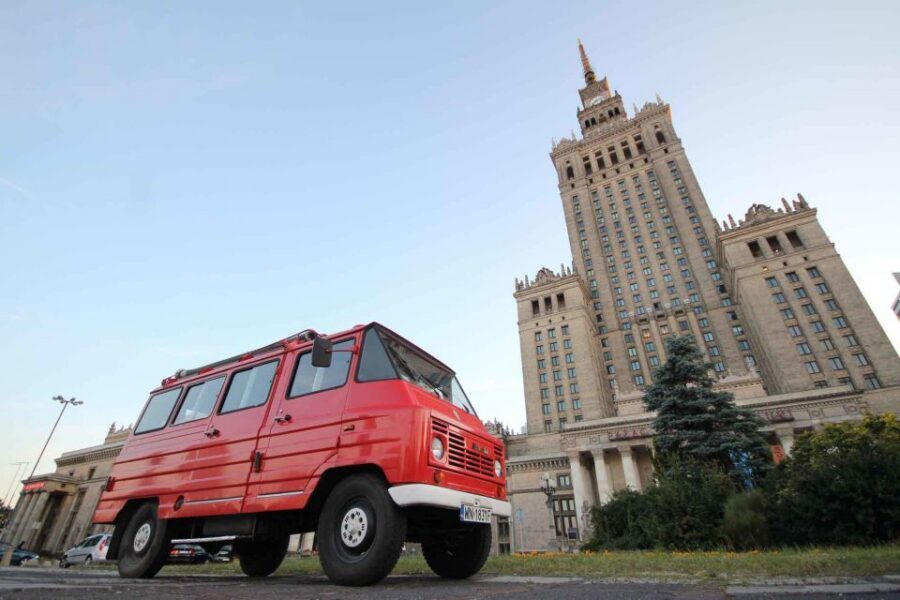
- Vintage Żuk minibus rides that set the mood before you even start talking history
- Private, English-speaking local guide who explains everyday life, not just dates
- Major communist-era landmarks including Palace of Culture and Science and Constitution Square
- Comfortable 3-hour format with short walking segments at each stop
- Hotel pickup and drop-off within 3 km of the city center
- Flexible pacing with time for questions
Why the Żuk Minibus Changes the Whole Feel
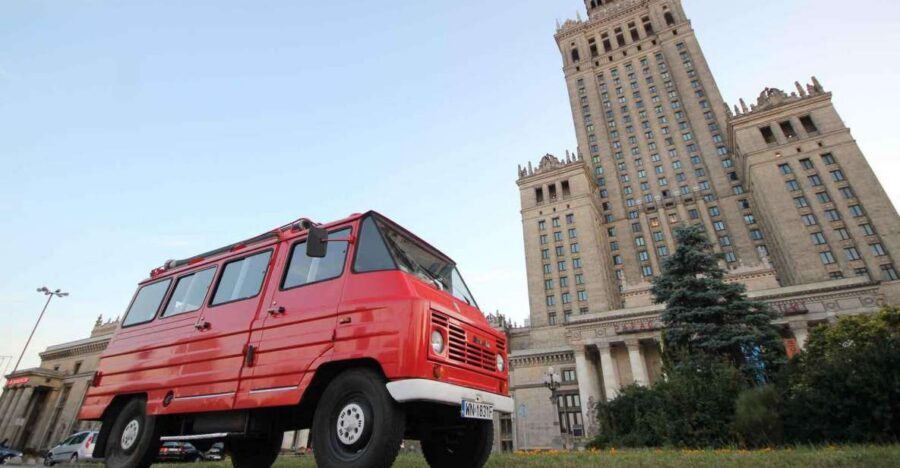
Communism in Warsaw can sound like a school unit. This tour makes it physical and immediate. The ride itself is part of the show: the tour uses an iconic Żuk retro minibus that was made in communist Poland. You feel the era in small details, from the vehicle’s older style to the slower, steadier way you move through the city.
That matters because the subject here isn’t only politics. It’s daily life—how shortages shaped shopping habits, how censorship affected what people could say, and how a centrally planned system changed routines. A retro vehicle helps you keep the focus where it belongs: on ordinary people and ordinary moments, viewed through the lens of big ideology.
Also, the tour is set up for real viewing time. You’re not doing a long bus-and-blink schedule. The vehicle helps you cover more ground comfortably, and you get out for walking segments so the key buildings and squares land in your brain.
You can also read our reviews of more tours and experiences in Palace Of Culture And Science.
Hotel Pickup and the Rhythm of a Private 3-Hour Visit
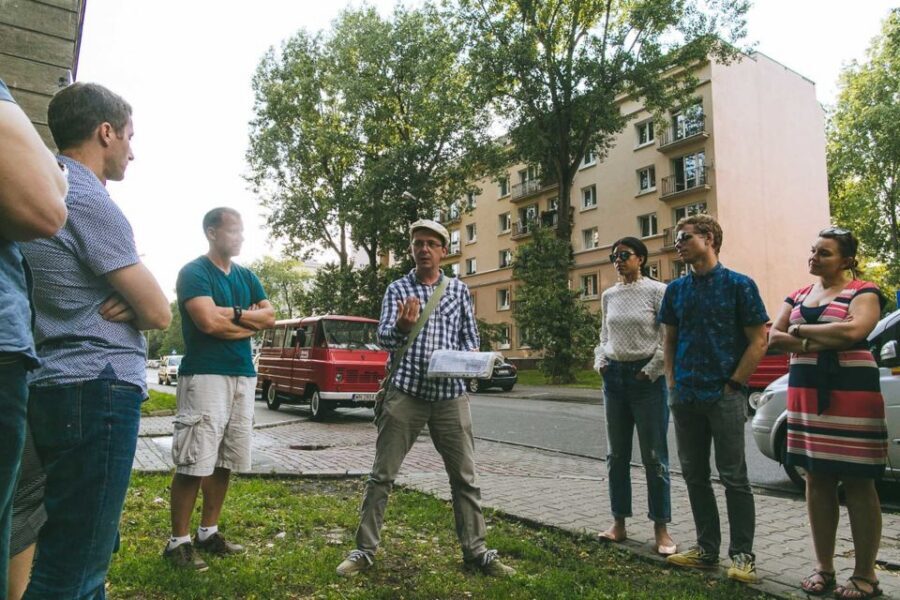
This is a private group tour, which means you’re not squeezed into someone else’s schedule. Hotel pickup and drop-off are included within 3 km of the city center, so the “getting there” part is handled. That’s a real value point in Warsaw, where hopping between neighborhoods can eat time fast.
The duration is 3 hours, which is long enough to understand the storyline (1950s through the late 1980s) without turning into a history lecture that stops being fun. The route is also described as having a flexible pace. In practice, that’s what you want: you can ask follow-up questions when something clicks, like why certain buildings were chosen as symbols or how people adapted to shortages.
One more useful detail: each minibus accommodates up to 8 passengers, and there’s a fleet of 5 minibuses available. That means “private” stays private without turning into chaos. You still get a guided experience; you don’t end up herded.
From WWII Ruins to Socialist Warsaw: The Rebuilding Story
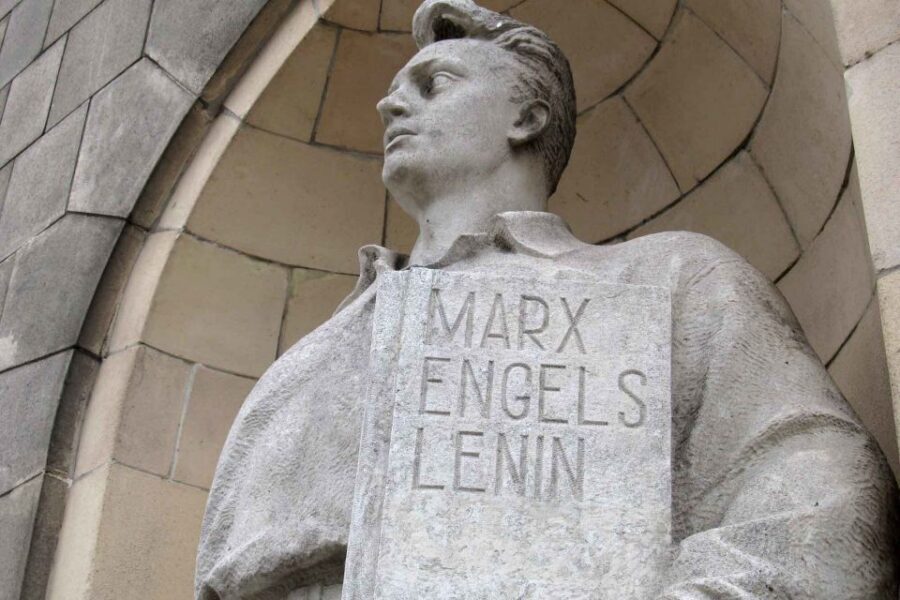
A lot of communist-era Warsaw is about what came after destruction. Your guide frames the city’s transformation by starting with how Warsaw emerged from World War II ruins and was rebuilt according to socialist ideals. That origin story is important because it explains why the architecture and symbolism are so heavy on purpose.
As you move through the city, the guide connects ideology to what you see on the street. You’ll hear how public space and major institutions were shaped to project authority and collective identity. Even if you only remember a few ideas, this part gives you a foundation for the stops that follow.
This stop in the narrative is also where you’ll likely pick up the tour’s most practical lesson: understanding the system helps you understand everyday workarounds. Under central planning, the official story didn’t always match the real one. So people developed informal networks, made do with what was available, and learned how to navigate rules.
Palace of Culture and Science: Power in Plain View
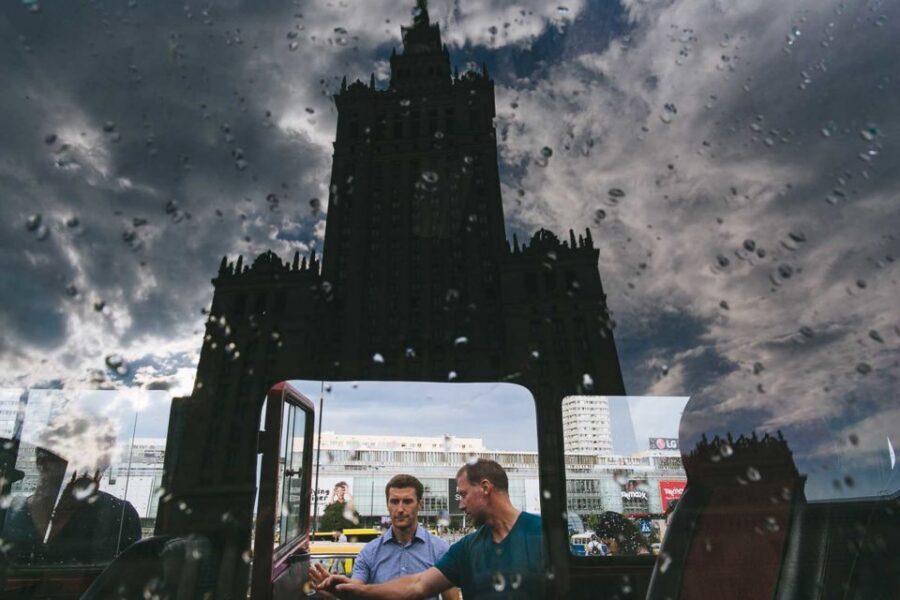
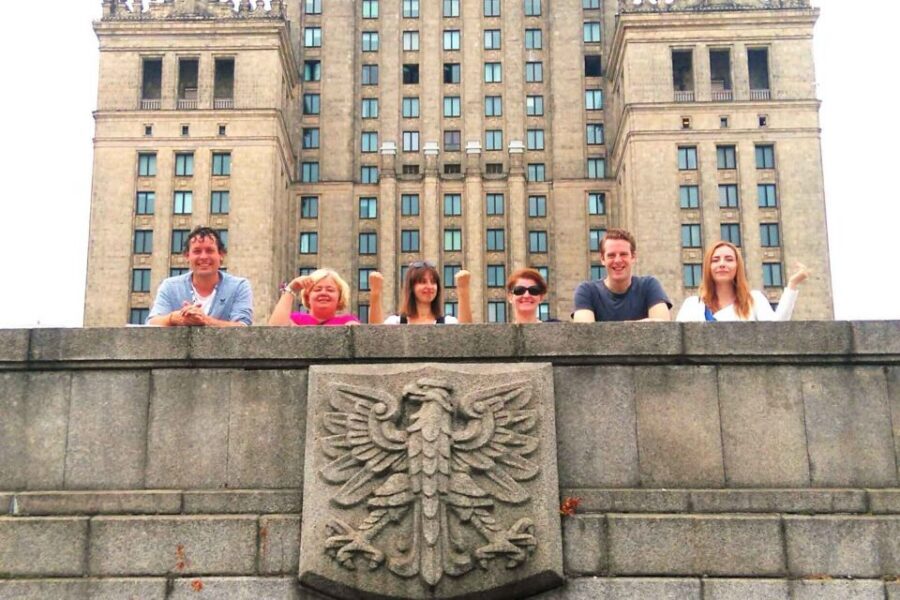
If you’re going to see communist Warsaw, you almost have to see the Palace of Culture and Science. On this tour, it’s not treated as a photo-op only. Your guide uses it as a symbol—one of those buildings that says, in concrete and scale, that the state wanted to be seen.
Why this stop works: you can’t miss the building’s presence. It’s the kind of landmark that helps you grasp how the communist era used architecture as messaging. The Palace becomes a visual anchor for the broader themes you hear—how authority was displayed, how culture and education were framed, and how the Soviet-aligned worldview influenced Warsaw’s reconstruction.
You’ll also get the context for how these symbols aged over time. Communist Poland didn’t end all at once; it shifted in phases. When you see a massive state-driven building while hearing about the 1950s, 60s, and 70s, it’s easier to understand why change felt both urgent and slow.
Constitution Square and the Feeling of Political Theater
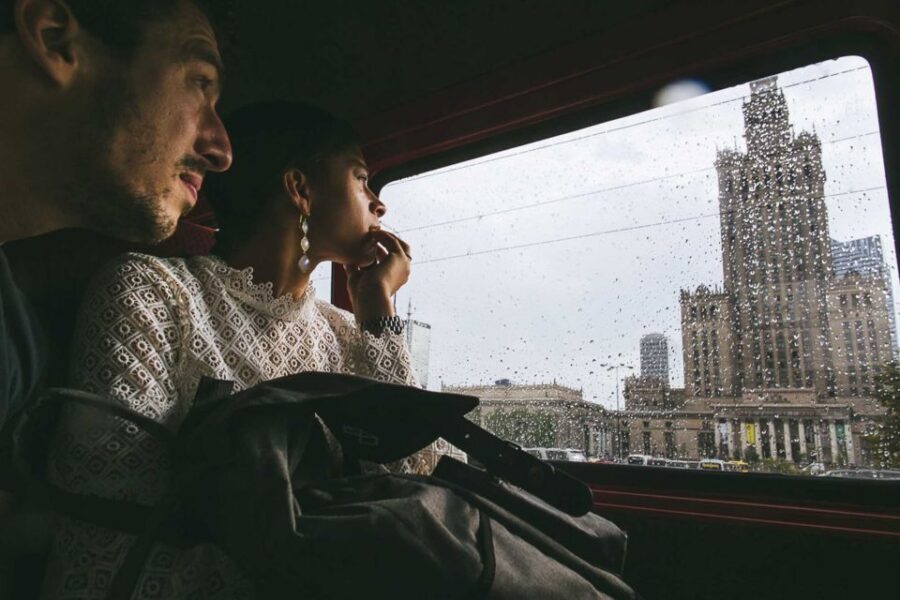
Next up is Constitution Square, and this is where the tour often clicks for people who like political history but care about atmosphere too. In communist systems, public squares weren’t just for movement; they were stages. They were designed for ceremonies, messaging, and visible order.
On this tour, Constitution Square is used to connect the politics to physical space. You’ll learn how the ideology worked in everyday life—how it influenced public behavior and what people felt comfortable saying (or not saying). Your guide keeps it grounded in daily reality, so you’re not only tracking leaders and dates. You’re tracking consequences.
There’s also a pacing advantage here. Because you’re in a private setting and the tour includes walking segments at stops, you can slow down if something feels confusing, like why a location matters symbolically even if its function changed after 1989.
The Former Communist Party Headquarters and the Cold War Mood
Another key landmark on the route is the former Communist Party headquarters. This kind of stop can go two ways on tours: either it becomes a generic “here’s where power sat,” or it becomes a story about fear, compliance, and adaptation. This tour aims for the second.
The benefit of including headquarters-type buildings is that you see how government presence shaped the city. You’ll connect the idea of centralized control to the physical reality—offices and institutions that were built to function as command centers.
What you’ll likely appreciate is that the tour doesn’t paint communism only as an abstract system. It explains how it shaped daily life for over four decades, then leads you toward how people reacted as politics shifted in the 1980s. That creates a smoother emotional arc than jumping straight from early rebuilding to the end of communism.
1950s to 1980s: Shortages, Censorship, and Everyday Survival
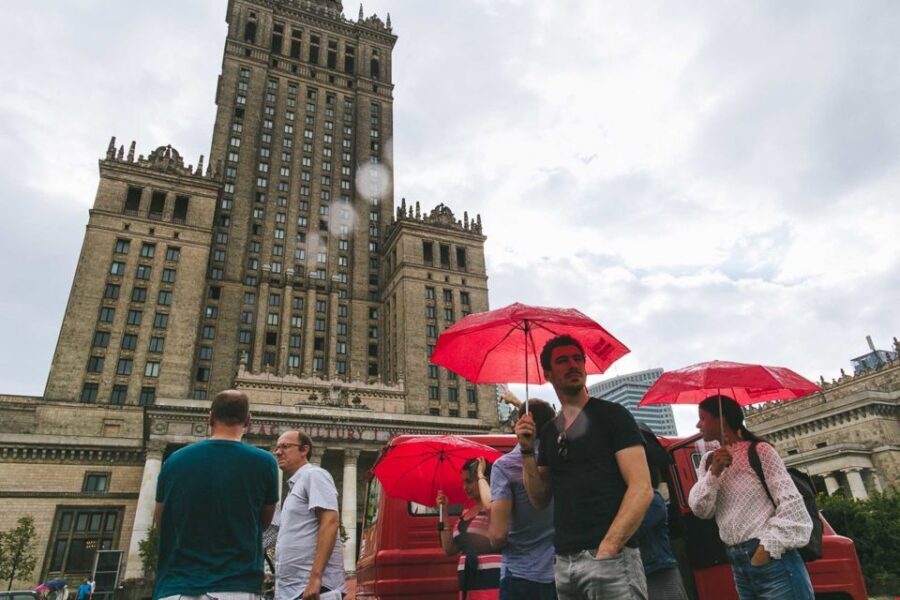
This is the heart of the tour: how ideology translated into ordinary decisions. You’ll walk through the realities of life in the 1950s, 60s, and 70s, when shortages and censorship were part of the background noise. Your guide talks about a centrally planned economy, then moves into how people adapted—relying on informal networks and finding creative survival strategies.
This is where the tour’s private format becomes a real advantage. If you’re curious about a specific detail—like how people obtained scarce items or what censorship meant in practice—you can ask and get an explanation at your pace. The tour is set up for questions, not just for listening.
You’ll also reach the 1980s story, when political change becomes impossible to ignore. The tour culminates with the first free elections in 1989, marking the end of communist rule. Ending with that point helps you understand why the earlier decades weren’t just “bad years,” but a long period of pressure building toward a break.
Lucasz and Martin: When the Guide Adds Extra Layers
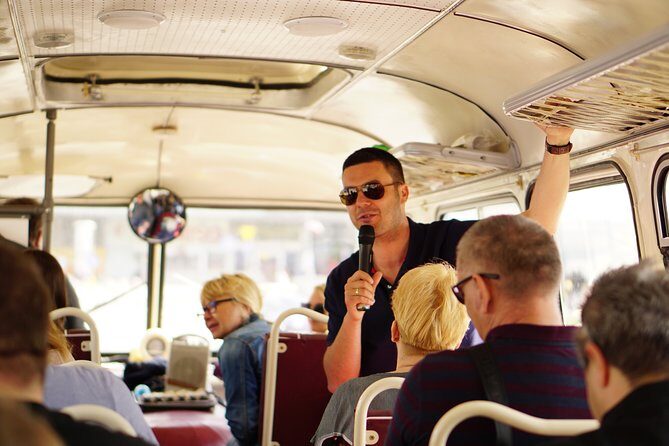
The quality of a history tour often comes down to the guide’s approach. In this case, the tour is described as having an English-speaking local guide, and the style seems to favor discussion, not just monologue.
Two names stand out from the experience details you shared: Lucasz and Martin. Lucasz is noted for being great, and Martin is credited with adding two extra church stops—detours that can add texture when you’re trying to understand how society survived and organized itself under the system.
Even without specific detours, look for a guide who can connect the dots between ideology and street-level life. That’s what you want for a tour like this: not only what happened, but what it felt like to live through it.
Comfort, Weather, and What to Wear in a Vintage Vehicle
This tour is only 3 hours, but it still has real-world comfort factors. First: the vintage minibuses are not equipped with air-conditioning, and some do not have seat belts. The vehicles do have heating for winter.
So if you’re traveling in hot weather, you’ll want to dress accordingly and keep expectations realistic. If you’re traveling in colder months, you’ll be glad the minibuses are heated. Either way, you should bring weather-appropriate clothing, and you should dress for standing and walking.
Also, classic minibus tours include walking segments at each stop, even if the vehicle does the heavy lifting. Wear comfortable footwear. This is the difference between enjoying the landmarks and counting minutes until you can sit down again.
Food and drinks aren’t included. With only 3 hours, you can usually plan around it easily—just don’t count on a built-in café stop.
Price and Value: Is $165 Worth 3 Hours?
At $165 per person, the price looks steep at first glance. But you’re not paying only for a guide and a couple of photos. You’re paying for a private setup that includes:
- a professional English-speaking local guide
- hotel pickup and drop-off within 3 km of the city center
- transportation in a vintage Żuk retro minibus
- time on major communist-era landmarks tied to the storyline
In other words, you’re buying time and convenience. A private tour also tends to reduce wasted motion—fewer schedule clashes, more direct routes, and a pace that can follow your questions.
If you enjoy history but hate the feeling of being rushed, this format usually justifies itself. If you only want quick landmark photos and you’re fine with guide-free museum browsing, then it might feel like a lot. But if you want the human layer—shortages, censorship, adaptation—then the guide time is the main value.
Who This Tour Suits Best
This tour fits you if you want Warsaw’s communist era explained through everyday life as much as through buildings. It’s also a good match if you like guided conversations and want flexibility in the pacing.
It may suit families with older kids, since adults and children over 150 cm can book. If you’re traveling with a child under 150 cm, you’ll need to contact the operator in advance about mandatory seat boosters under Polish law.
It’s also a smart pick for first-time visitors to Warsaw who want a structured introduction to how the city was shaped by WWII rebuilding and Cold War politics—without committing to a full-day museum marathon.
Should You Book This Private Communism Tour?
I’d book it if you want a focused, 3-hour experience that links symbols to daily reality. The Żuk minibus makes the subject easier to process, and the private setup makes it easier to ask questions when something doesn’t add up.
I’d think twice if you’re very sensitive to heat (since there’s no air-conditioning) or if you strongly prefer only air-conditioned, minimal-walking sightseeing. Also, double-check the pickup range: pickup is included within 3 km of the city center, so plan your hotel location accordingly.
If you’re curious how communism worked in real life in Warsaw, this is one of the more practical ways to see it—by combining key landmarks with the story that connects them.
FAQ
How long is the Warsaw private communism tour?
It lasts 3 hours.
What is the price per person?
The price is $165 per person.
Is this tour private?
Yes. It’s a private group.
Where does hotel pickup and drop-off happen?
Pickup and drop-off are included within 3 km of the city center in Warsaw.
What vehicle do you use for the tour?
You ride in a retro Communist-era Żuk minibus.
Does the minibus have air-conditioning or seat belts?
The classic vintage minibuses are not equipped with air-conditioning. Some vehicles do not have seat belts, which is permitted for historic vehicles. Heating is available for winter.
Which communist-era landmarks will you see?
You’ll see major sites connected to the period, including the Palace of Culture and Science, Constitution Square, the former Communist Party headquarters, and other symbolic locations tied to Cold War history.
Is food and drinks included?
No. Food and drinks are not included.
Is there walking during the tour?
Yes. There are walking segments at each stop, so wear comfortable clothing and suitable footwear.
Are there rules for children?
Adults and children over 150 cm can book. For children under 150 cm, you need to contact the operator in advance about mandatory seat boosters. Unaccompanied minors are not allowed.
What’s the cancellation policy and payment option?
You can cancel up to 24 hours in advance for a full refund. You can also reserve now and pay later.